
The cat and the cherub — History & Facts
What first draws the eye in The cat and the cherub is the gentle, almost comic dignity of the boy at its center, his small arms encircling a patient cat. The boy’s patterned tunic, rendered in soft, muted hues, suggests both care and individuality, while the cat’s relaxed, almost resigned posture hints at a quiet familiarity between the two. The artist, Helen Hyde, lets the white background breathe around them, isolating their bond and inviting us to linger over each detail—the careful way the boy’s hand supports the animal, the subtle tilt of his head, the delicate line of his shoes.
The light falls evenly, with no dramatic shadows, so that every contour is gentle, every gesture understated but precise. Created in 1897 and probably sketched in San Francisco’s Chinatown, this work belongs to a period when Western artists were increasingly drawn to the everyday lives and intimate moments of immigrant communities. Prints like this, often made for collectors eager for glimpses of “exotic” urban corners, blend documentary curiosity with a softer, more personal gaze. Helen Hyde herself was known for her sensitive portrayals of children and domestic life, and here she captures a fleeting, universal moment—childhood’s quiet pride in caring for another creature.
Few traces remain of the individual stories behind such images, but the Library of Congress preserves this print as a record not only of Hyde’s artistry, but of a world in transition. The boy’s steady gaze invites us to imagine the rest of his day, and the cat’s patient face asks us to look again.
More Artworks by Helen Hyde

Moonlight on the Viga Canal) - HH (monogram) LCCN0065
Helen Hyde
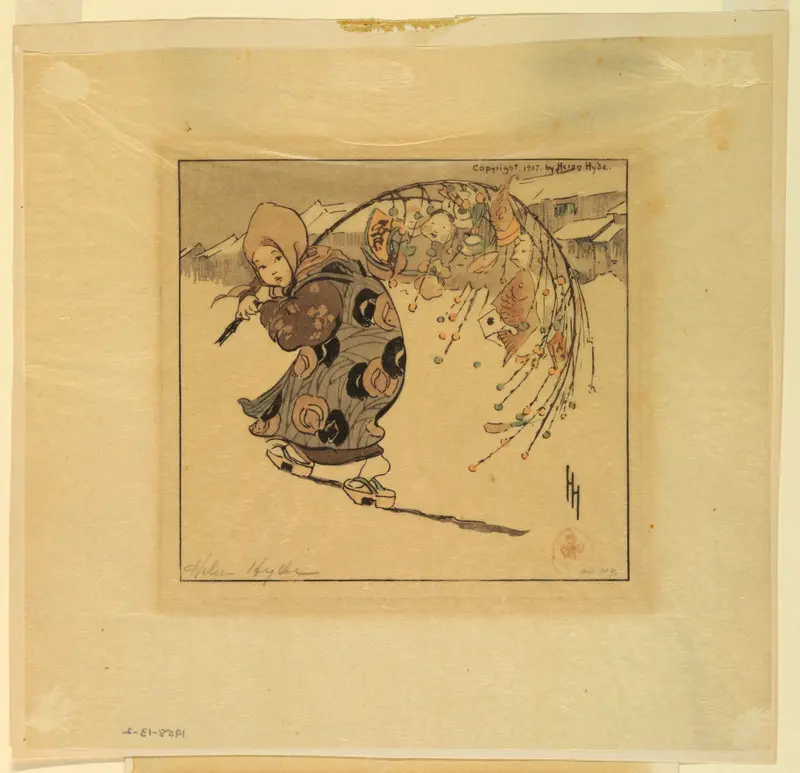
Print, The Good Luck Branch
Helen Hyde
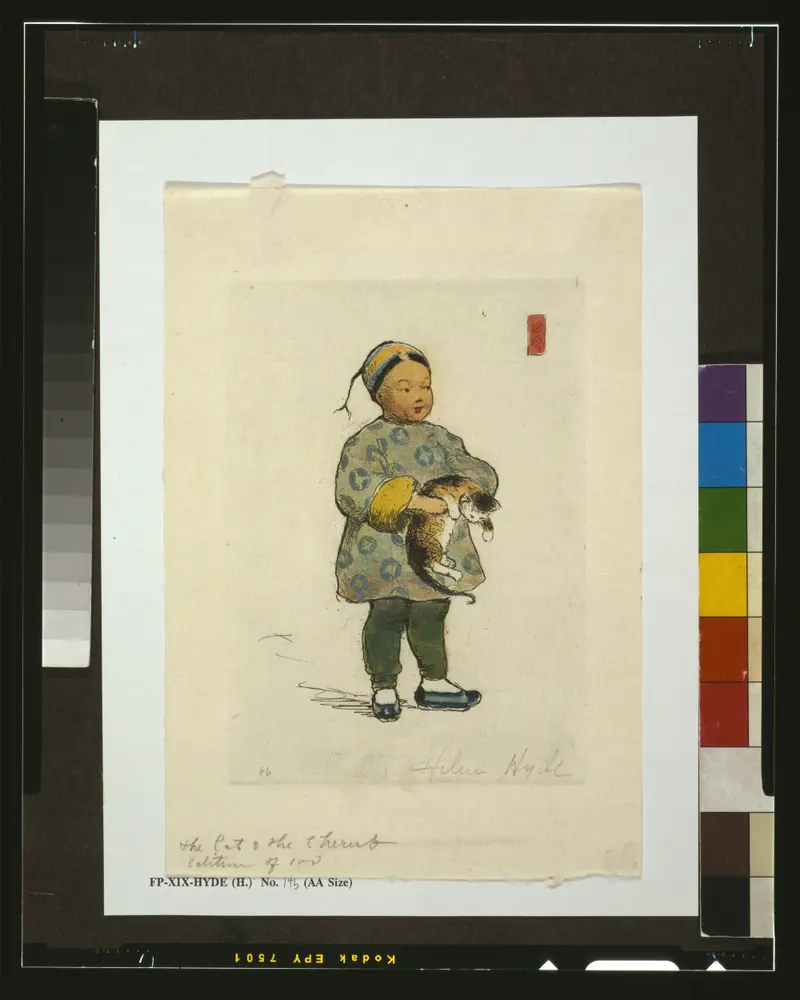
The cat and the cherub LCCN200367
Helen Hyde

Hon(orable Mr) cat - HH (monogram). LCCN200367
Helen Hyde
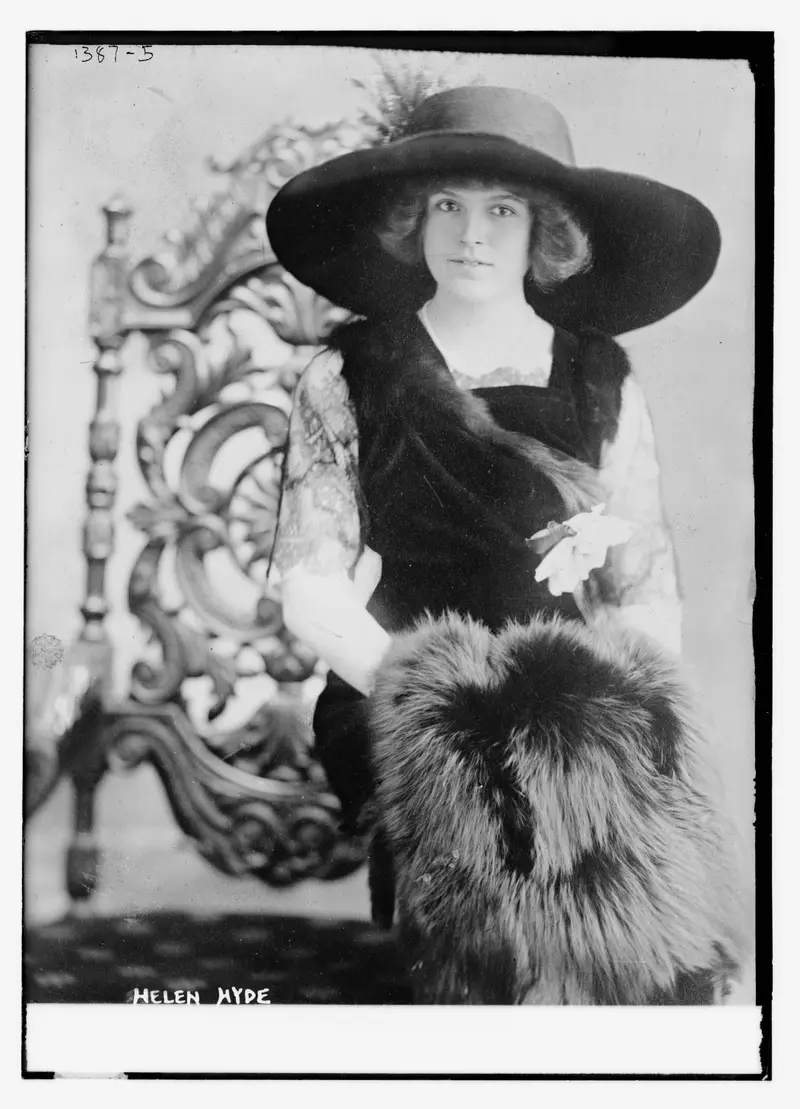
Helen Hyde LCCN201468
Helen Hyde
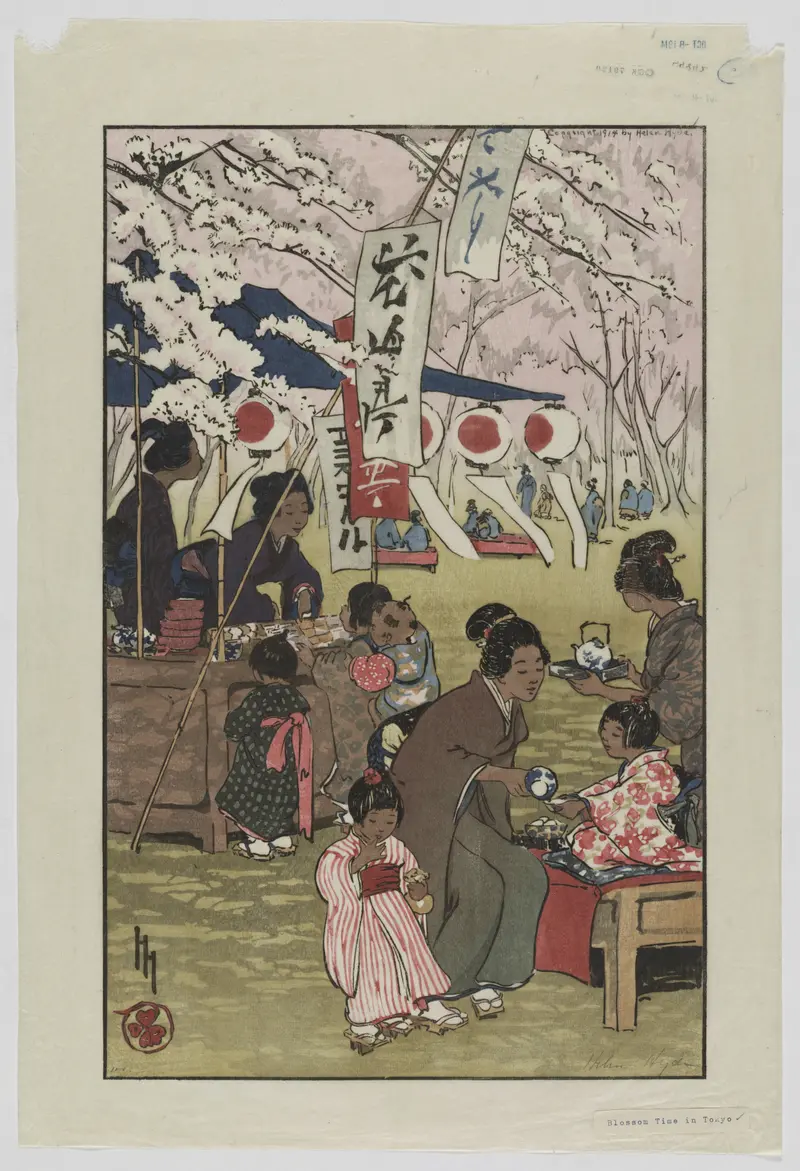
Blossom time in Tokyo) - HH (monogram) LCCN0065
Helen Hyde
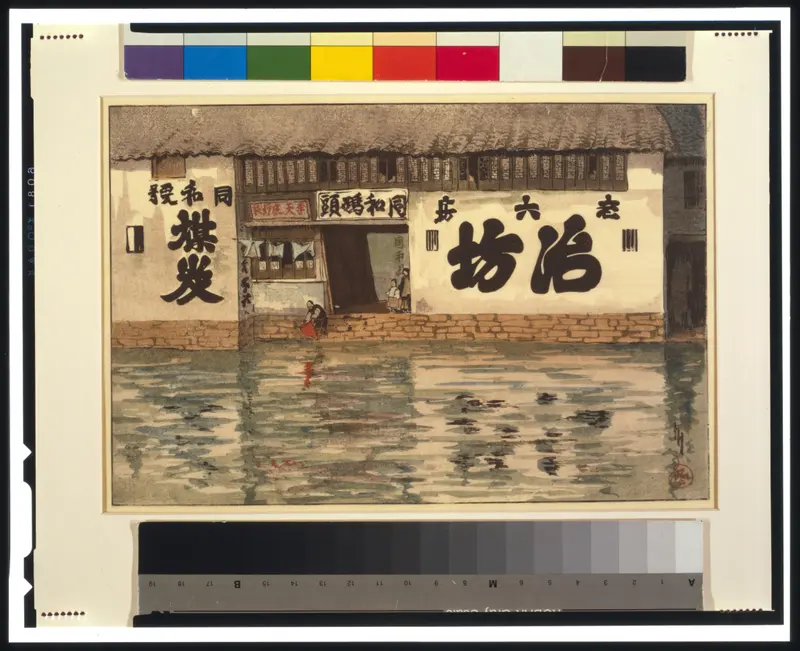
The sauce-pan shop) - HH (monogram) LCCN0065
Helen Hyde

New Year's Day in Tokyo
Helen Hyde
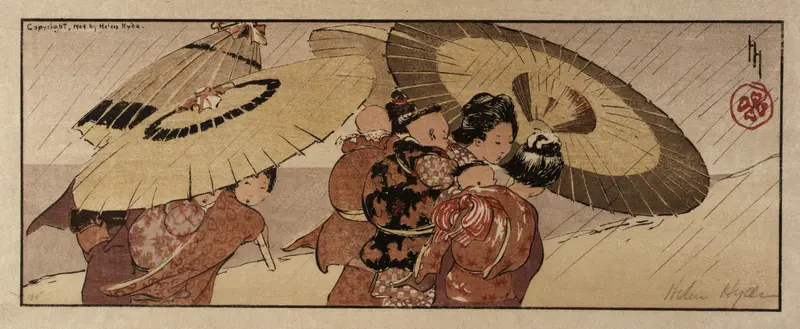
A Summer Shower
Helen Hyde
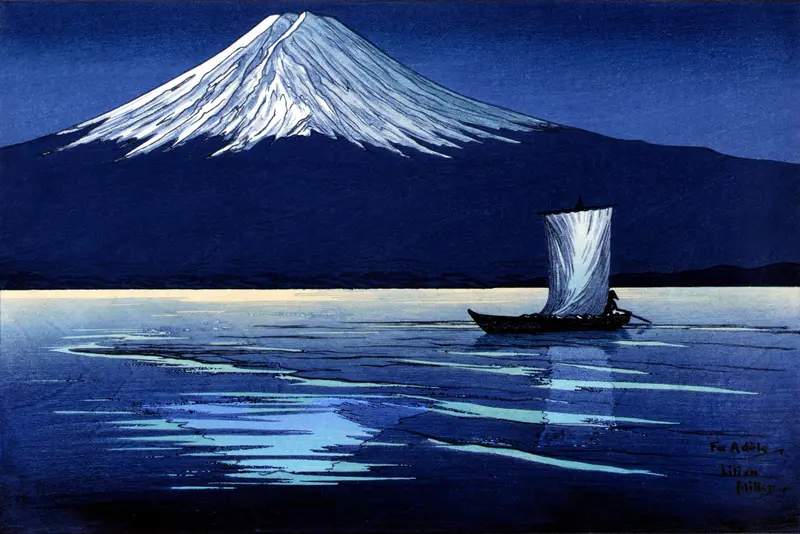
Moonlight on Mt. Fuji
Helen Hyde
More Genre Scene Art

Banquet of the Officers of the St George Civic Guard
Frans Hals

Rembrandt and Saskia in the Scene of the Prodigal Son
Rembrandt van Rijn

Bal du moulin de la Galette
Pierre-Auguste Renoir

Quadrille at the Moulin Rouge
Henri de Toulouse-Lautrec

A Burial at Ornans
Gustave Courbet

When Will You Marry?
Paul Gauguin