
The Christ Child asleep on a cross — History & Facts
No other artist in the history of British art so persistently blurred the line between vision and reality as William Blake. In The Christ Child asleep on a cross, Blake presents an image that has puzzled and moved viewers for generations: the infant Jesus, not in a manger, but already entwined with the symbol of his fate. The work’s date and provenance remain uncertain, and scholars debate whether it was intended as a finished painting or a preparatory study.
What is certain is that this image exists in several versions, each subtly different, testifying to Blake’s fascination with the subject and its meaning. Blake chooses to depict the Christ Child in a moment of profound innocence and vulnerability, lying peacefully atop a wooden cross that foreshadows the crucifixion. The child’s tiny hand rests on the rough timber, his eyes closed in sleep, while a faint aura or halo suggests his divine nature. The cross, rather than looming as an instrument of death, becomes a cradle—an object of comfort and destiny entwined.
This is not the triumphant Christ of Raphael or Murillo, but a vision steeped in gentle foreboding, where the future sacrifice is already present in the serenity of infancy. The light, soft and almost dreamlike, bathes the scene in quiet intimacy, inviting the viewer to contemplate the paradox of birth and death. The physical history of this particular version of The Christ Child asleep on a cross is obscure, as is often the case with Blake’s works, many of which circulated among friends and patrons or remained in his own possession. Unlike his illuminated books, this painting was not widely reproduced or exhibited during his lifetime, and its medium—whether watercolor, tempera, or oil—remains a matter of scholarly debate.
Today, the work is valued not only as a rare religious image by William Blake, but also as a testament to his unique vision within the Romantic movement. It stands as a quiet meditation on innocence and destiny, echoing through the centuries with the same enigmatic power that first inspired its creation.
More Artworks by William Blake
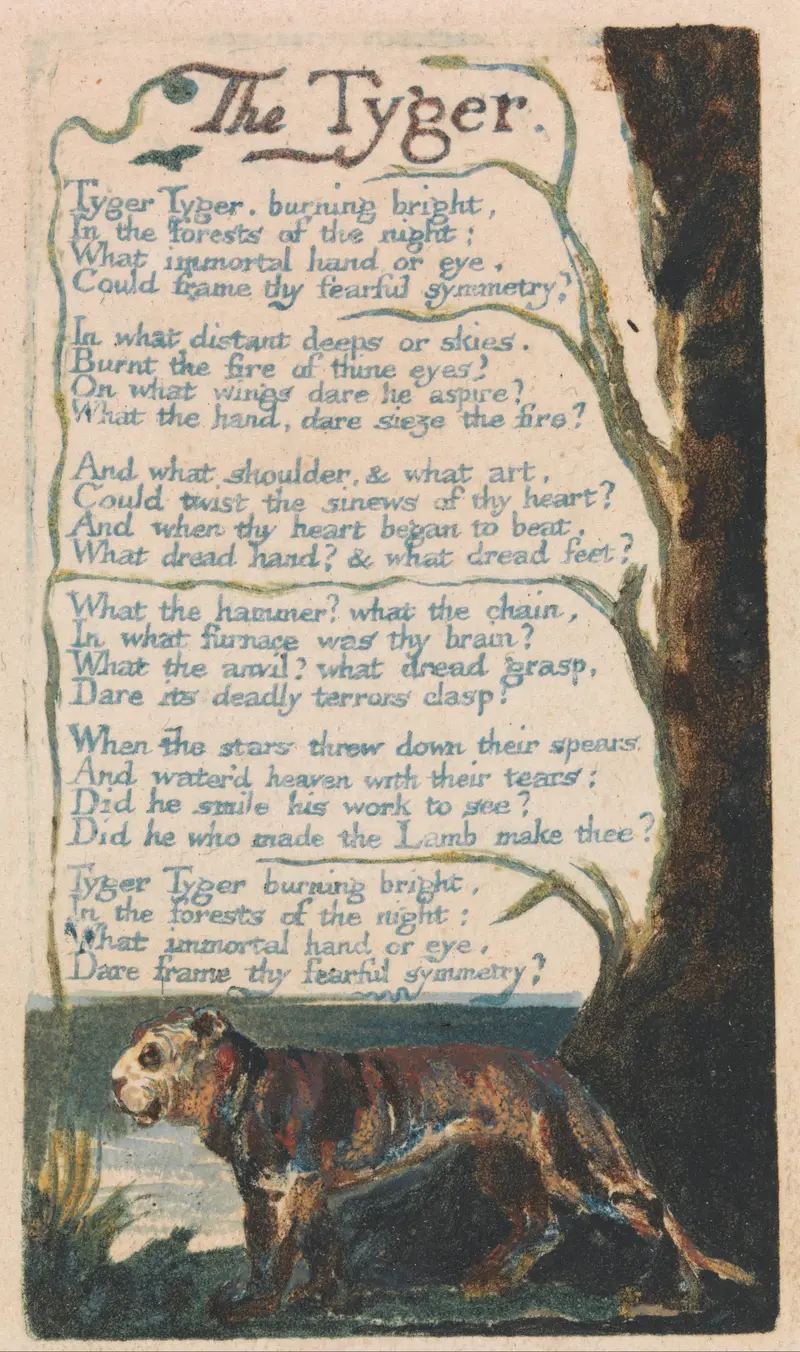
The Tyger
William Blake

Christ Blessing
William Blake
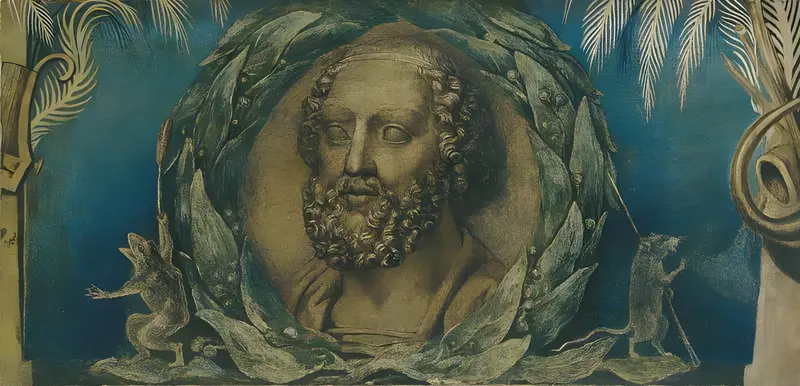
Homer
William Blake
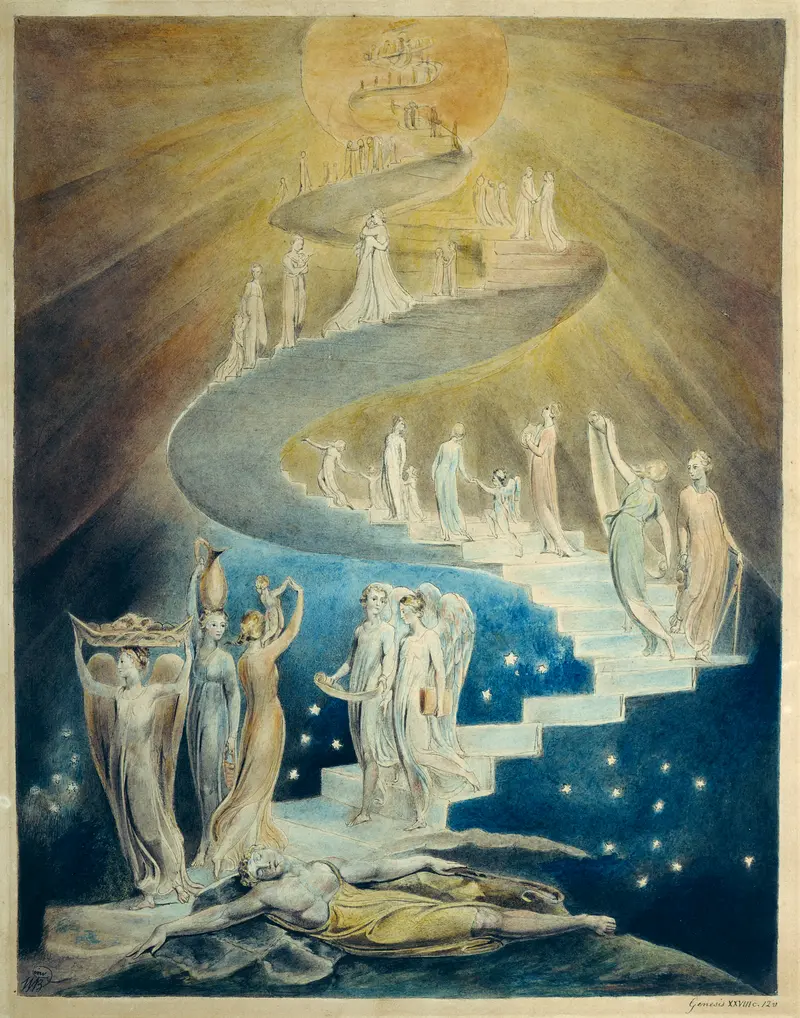
Jacob's Ladder
William Blake
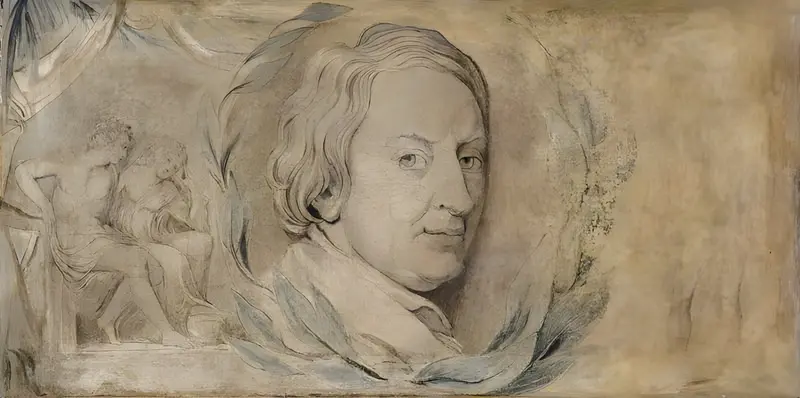
John Dryden (1631–1700)
William Blake
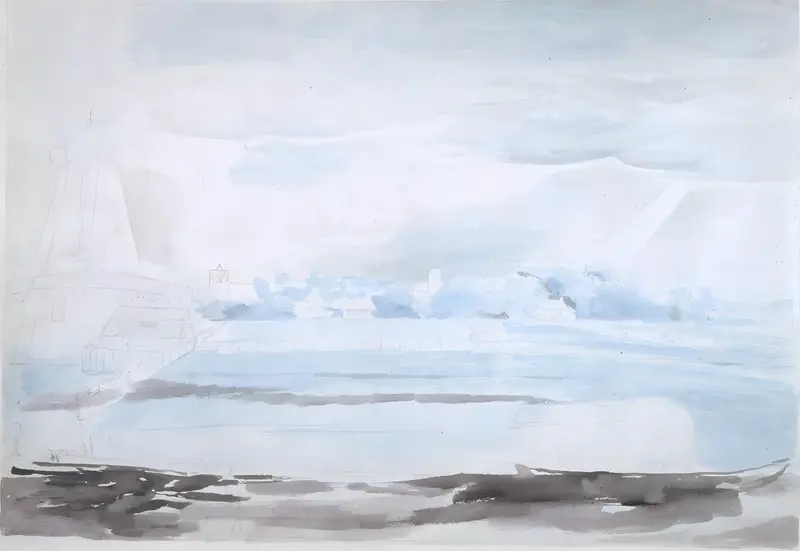
Landscape near Felpham
William Blake
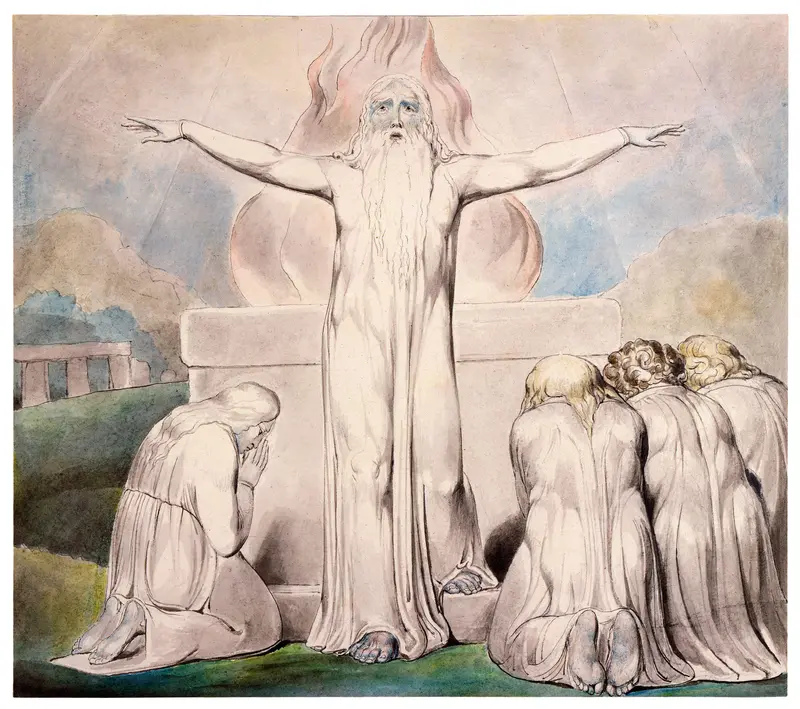
Sacrifice of Job
William Blake
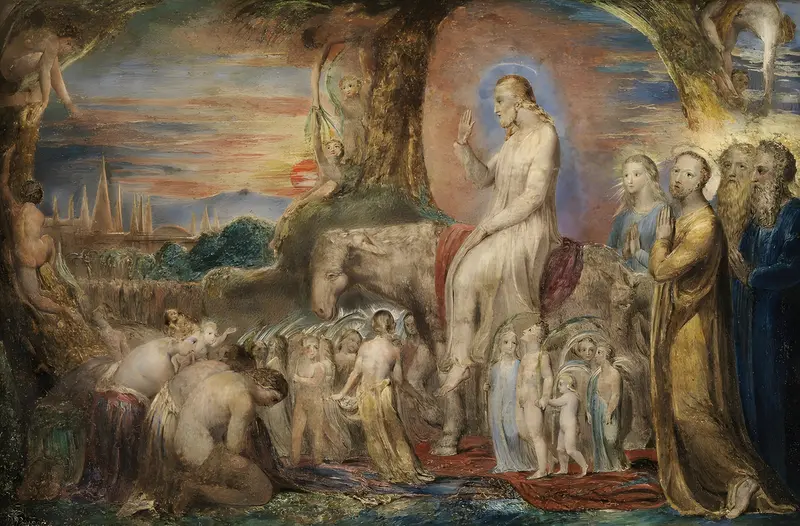
Christ's Entry into Jerusalem
William Blake
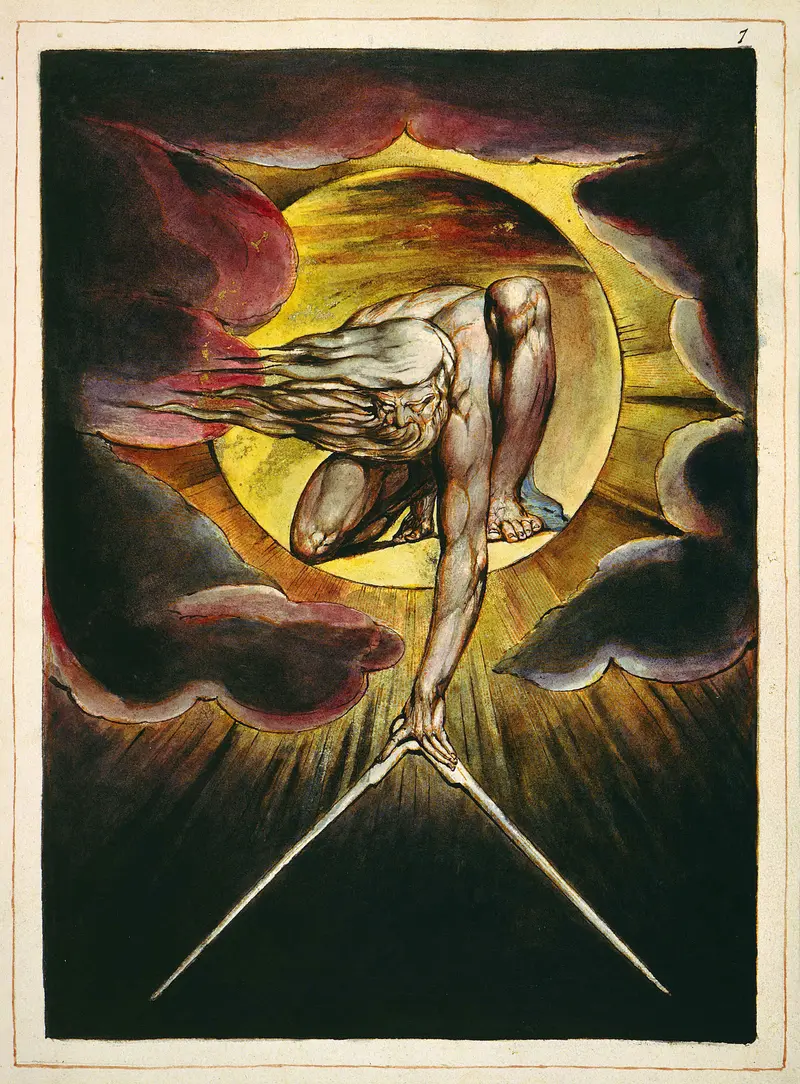
The Ancient of Days
William Blake
Adam Naming the Beasts
William Blake





