
Homer — History & Facts
No one knows for certain why William Blake chose to paint Homer in 1800, but the work stands as a rare and personal homage to the ancient poet who haunted Blake’s imagination. Unlike his more famous illuminated books, this piece was not made for a patron or commission; instead, it seems to have been born out of Blake’s own fascination with the roots of Western poetry. The medium itself is a mystery—scholars have debated whether it is watercolor, tempera, or a hybrid technique unique to Blake, who was known for his experimental methods.
This uncertainty only adds to the aura of the work, which has puzzled and intrigued viewers for over two centuries. Blake’s Homer does not show the poet reciting his epic tales, but rather captures him in a moment of visionary inspiration. The figure, bearded and robed, gazes upward, as if listening to a voice only he can hear. In his hand, he holds a lyre, the traditional symbol of the poet, while his other hand is raised in a gesture of invocation.
The background shimmers with an otherworldly light, suggesting the presence of the Muse or the divine. Unlike Ingres’s later, neoclassical Homer, which enshrines the poet as a marble monument, Blake’s version is alive with spiritual energy, emphasizing the act of creation rather than the weight of tradition. The journey of this painting is as enigmatic as its subject. With no record of a commission or early exhibition, it likely remained in Blake’s possession or among his circle of admirers for years.
Its medium and provenance have complicated its attribution, and it has sometimes been overshadowed by Blake’s more famous works in print and illustration. Today, Homer is recognized as a testament to Blake’s lifelong dialogue with the classics, and it offers a rare glimpse into his private pantheon of heroes. The painting’s current location is not widely publicized, reflecting both its rarity and the ongoing scholarly interest in uncovering more about its origins.
More Artworks by William Blake
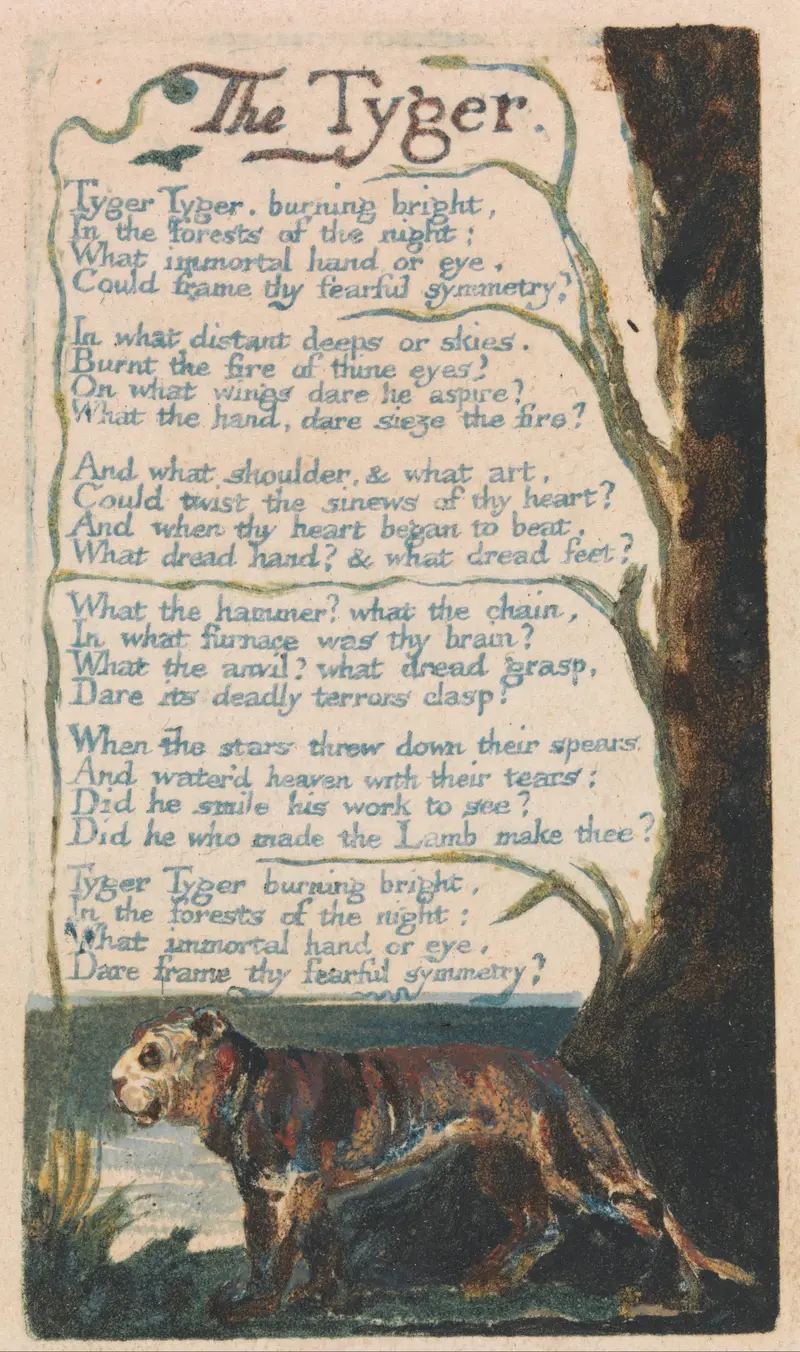
The Tyger
William Blake

Christ Blessing
William Blake
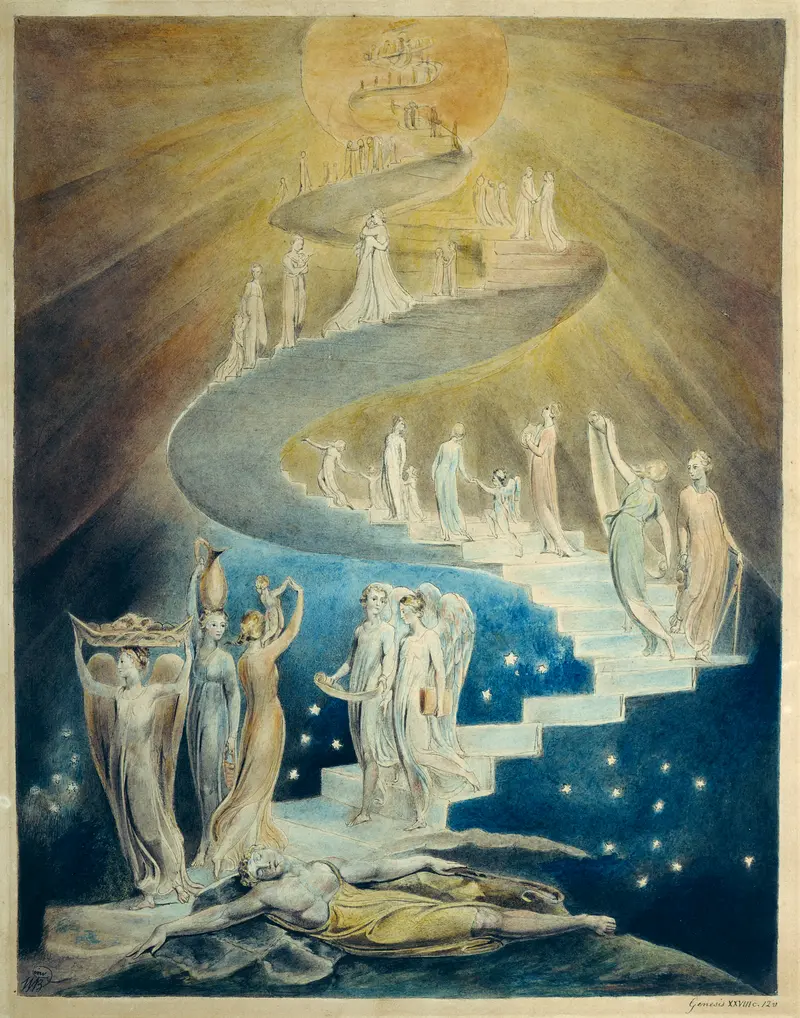
Jacob's Ladder
William Blake
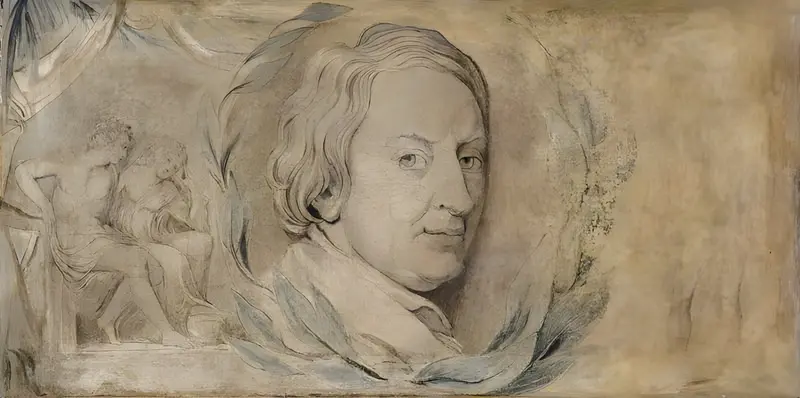
John Dryden (1631–1700)
William Blake
Landscape near Felpham
William Blake
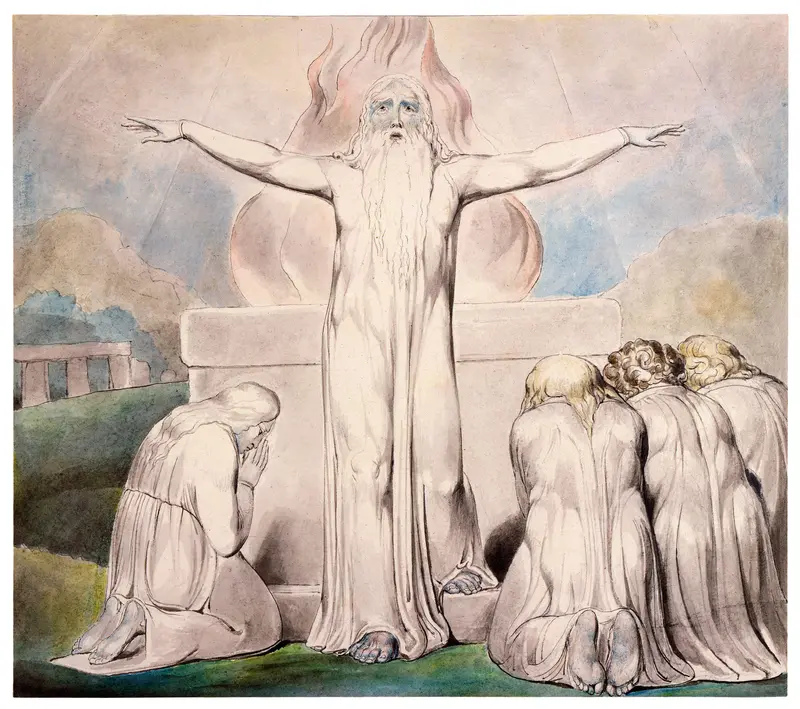
Sacrifice of Job
William Blake
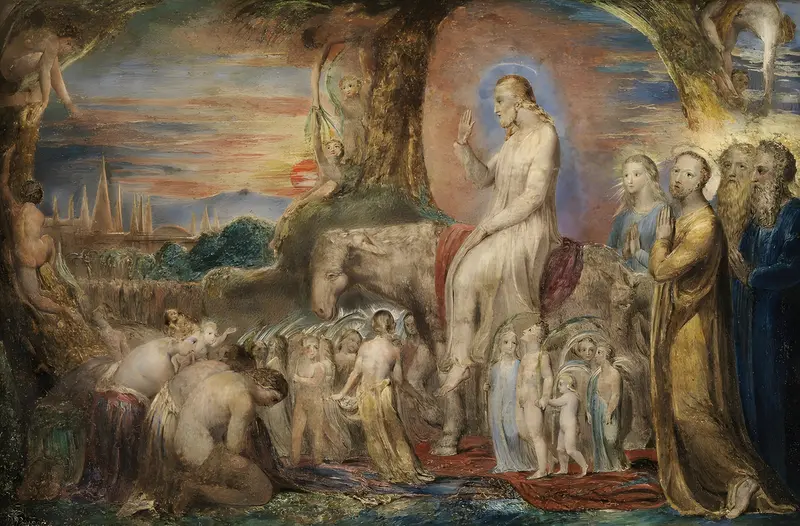
Christ's Entry into Jerusalem
William Blake
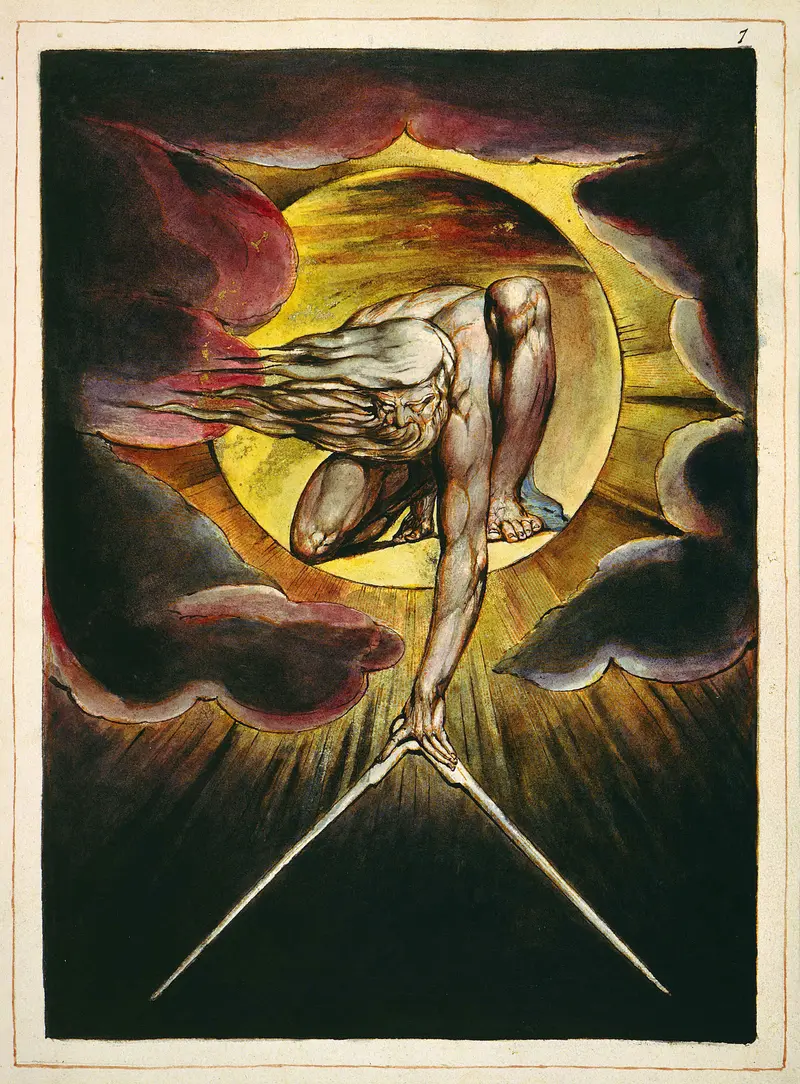
The Ancient of Days
William Blake
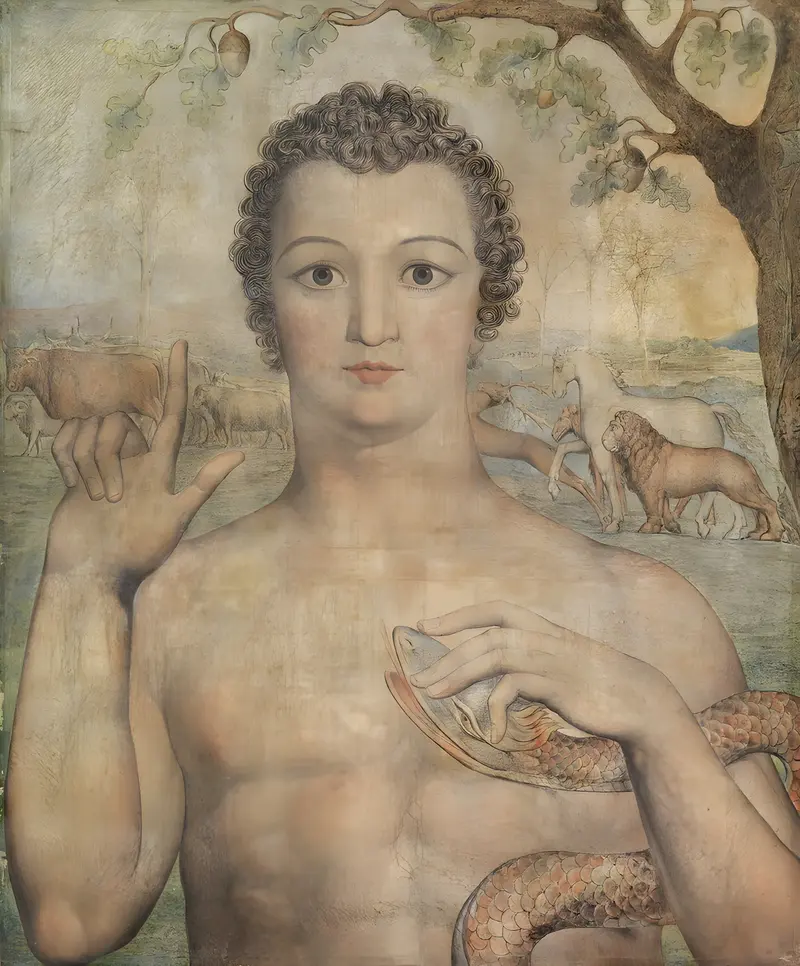
Adam Naming the Beasts
William Blake
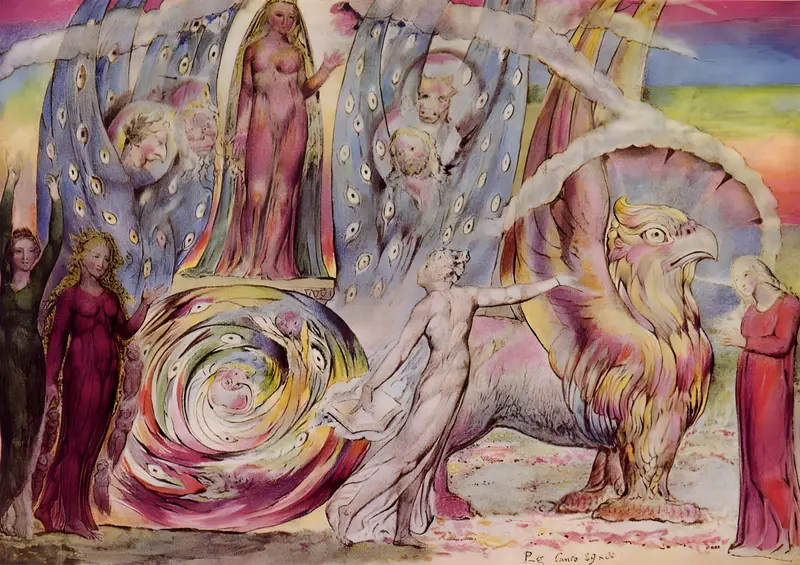
Beatrice Addressing Dante from the Car
William Blake





