
The Church of St Andrew in Düsseldorf — History & Facts
This profound sentiment echoes through the stillness of a painting that invokes both reverence and melancholy. Here, in the ethereal embrace of light and shadow, we find a sanctuary for contemplation, a moment suspended in time. Look to the center of the canvas, where the grand façade of the church rises majestically against a muted sky. The artist’s meticulous attention to architectural detail draws your eye to the intricate carvings and the play of light upon the weathered stones, evoking a sense of quiet dignity.
Notice how the soft hues of grey and blue envelop the scene, enhancing the solemn atmosphere while inviting viewers to linger in this sacred space. This work captures not only a physical structure but also the emotional weight of solitude. The church, a beacon of faith, stands resilient amidst the encroaching shadows, perhaps symbolizing a refuge in times of uncertainty. Additionally, the absence of human figures accentuates the sense of isolation, prompting viewers to reflect on their own spiritual journeys and the quiet battles faced in the search for solace. Created in 1667, this painting was part of a period when Jan van der Heyden was focused on urban landscapes, showcasing his mastery in rendering architectural forms with precision.
Living in Amsterdam during a time of burgeoning artistic exploration in the Dutch Golden Age, he drew inspiration from his surroundings and the shifts in society, seeking to capture both the beauty and the solemnity inherent in life's fleeting moments.
More Artworks by Jan van der Heyden
Browse all →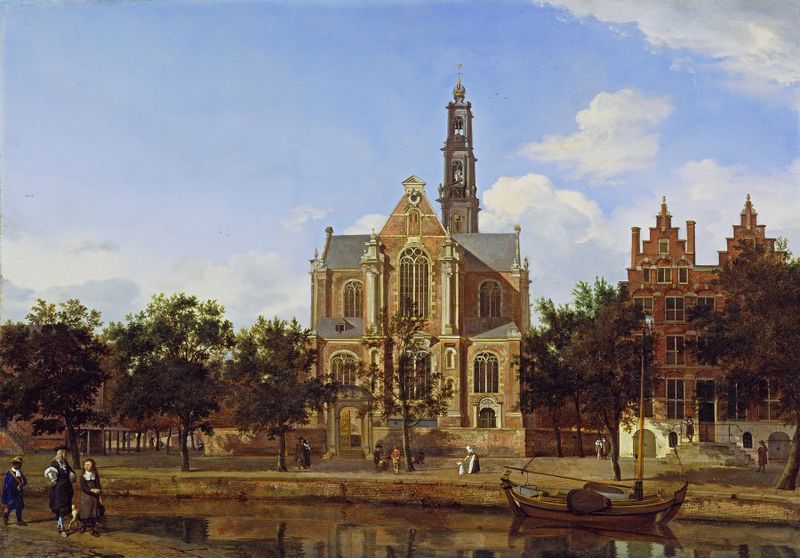
View of the Westerkerk, Amsterdam
Jan van der Heyden
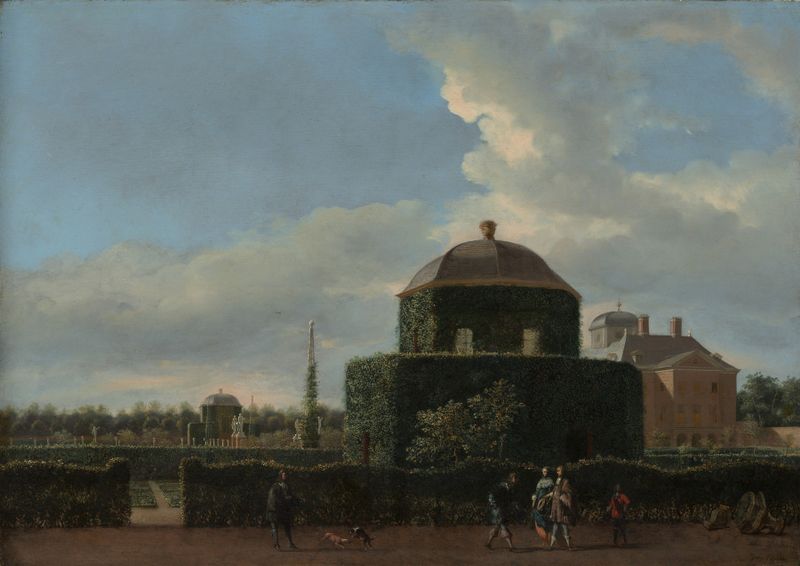
The Huis ten Bosch at The Hague and Its Formal Garden (View from the East)
Jan van der Heyden

The Dam in Amsterdam towards the Townhall and Nieuwe Kerk
Jan van der Heyden
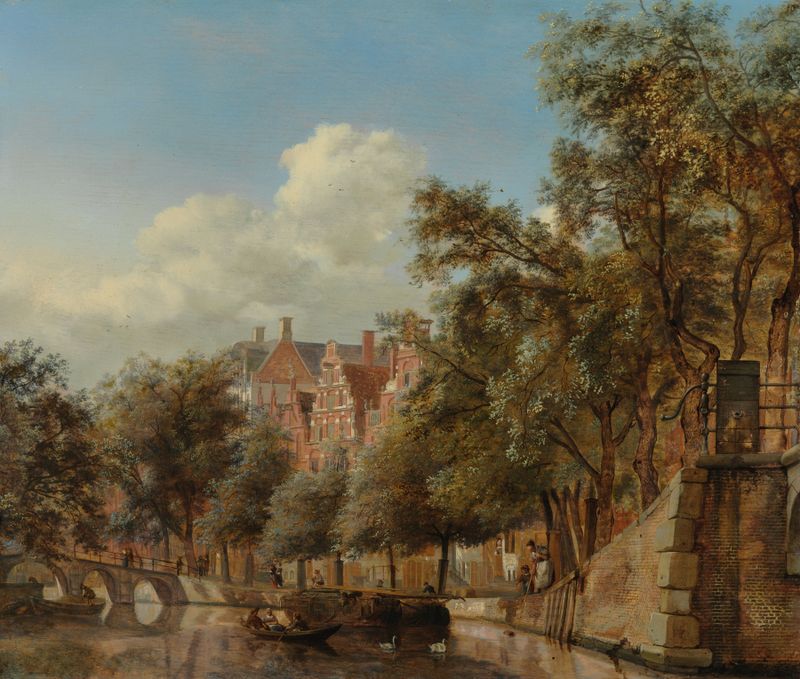
The Herengracht, Amsterdam, Viewed from the Leliegracht
Jan van der Heyden

Amsterdam City View with Houses on the Herengracht and the old Haarlemmersluis
Jan van der Heyden

View of the Oude Delft Canal, Delft
Jan van der Heyden
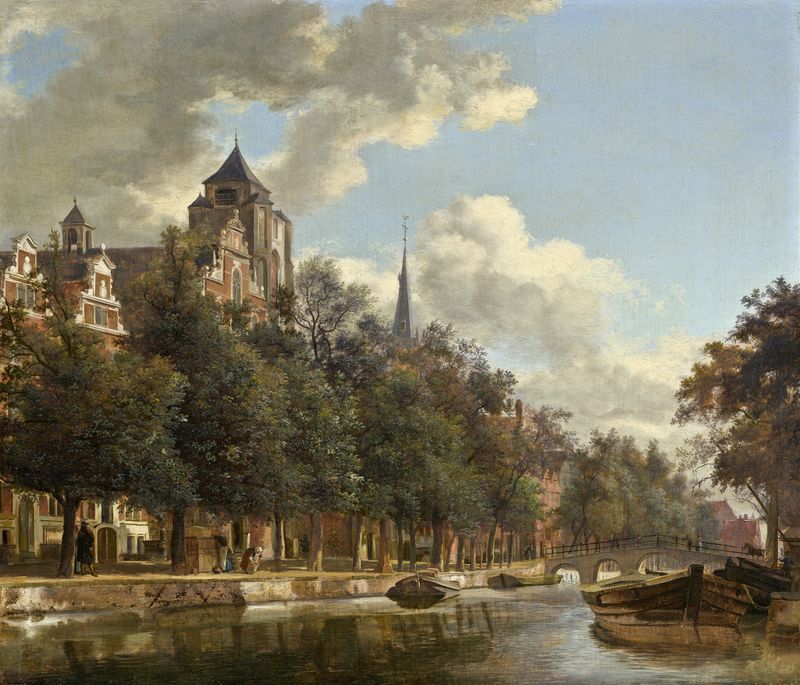
View Down a Dutch Canal
Jan van der Heyden
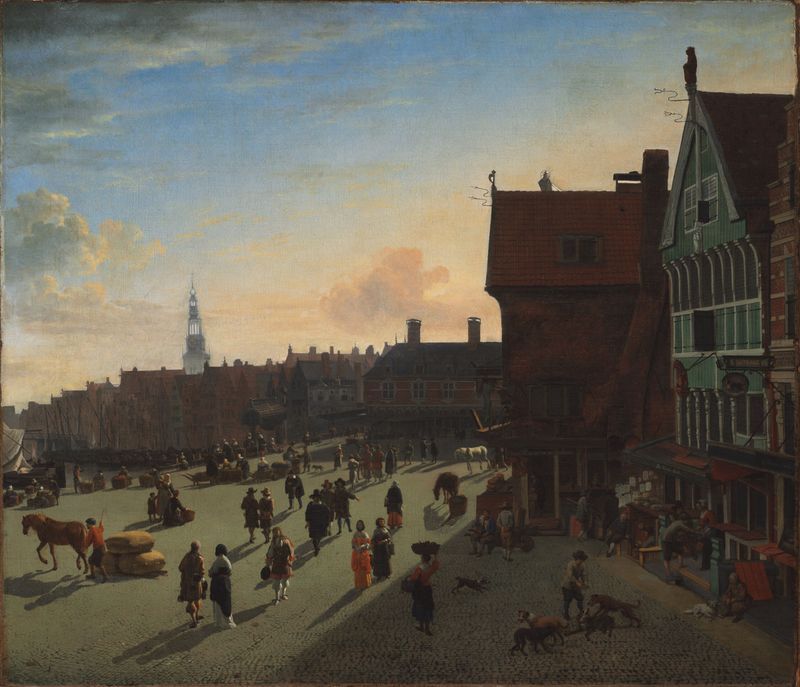
The Dam and Damrak, Amsterdam
Jan van der Heyden

View of Oudezijds Voorburgwal with the Oude Kerk in Amsterdam
Jan van der Heyden

The Herengracht, Amsterdam, Viewed from the Leliegracht
Jan van der Heyden
More Architecture Art
Browse all →
The statue of Liberty
Frédéric Auguste Bartholdi

View of Houses in Delft, Known as ‘The Little Street’
Johannes Vermeer

View of Houses in Delft, Known as ‘The Little Street’
Johannes Vermeer

The Cathedral in Rouen. The portal, Grey Weather
Claude Monet

The yellow house
Vincent van Gogh

The Church in Auvers-sur-Oise, View from the Chevet
Vincent van Gogh