
The Church of St Severin in Cologne in an Imaginary Setting — History & Facts
In the hush of an imaginary landscape, the beauty of decay whispers tales of time long past, prompting reflections on faith and impermanence. Focus on the intricate details in the foreground, where the weathered stones of the church evoke both reverence and melancholy. Look to the left, where shadowed archways recede into a dreamlike haze, inviting the viewer deeper into the scene. Van der Heyden expertly balances the interplay of light and dark, with beams filtering through the clouds, highlighting the crumbling façade.
The color palette, a muted blend of grays and browns, enhances the feeling of nostalgia and longing, making the viewer acutely aware of the passage of time. The church stands as a powerful symbol of endurance amidst decay, urging contemplation of how beauty can emerge from fragility. There is a contrast between the solemn structure and the vibrant sky above, suggesting hope enveloped in despair. The fading details of the architecture mirror the inevitability of time’s erosion, and yet, they also speak to a persistent attachment to faith, as if the very stones hold the echoes of prayers once fervently uttered. During the years 1660 to 1672, the artist was immersed in a vibrant art scene in Amsterdam, where he honed his skills in architectural representation and perspective.
This period was marked by a growing interest in realism and an embrace of nature’s fleeting qualities, reflecting broader societal changes and the exploration of identity within the urban landscape. This work captures the essence of that era, blending meticulous craftsmanship with a profound meditation on life's transience.
More Artworks by Jan van der Heyden
Browse all →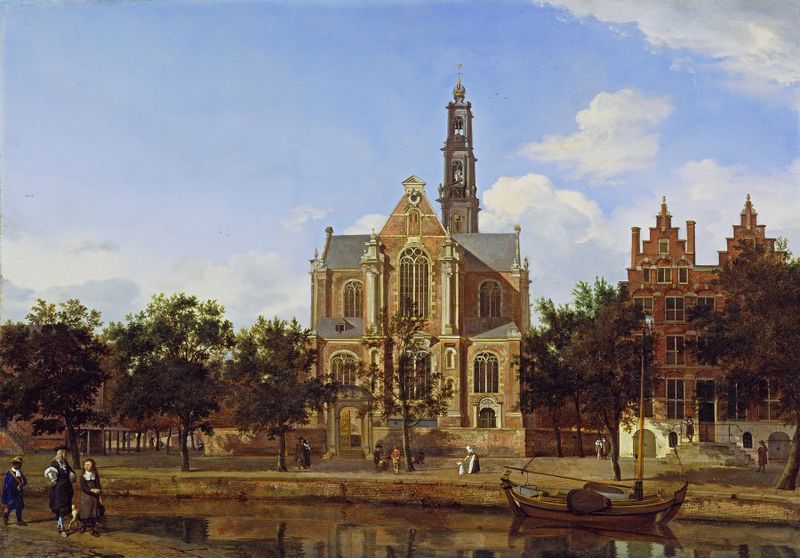
View of the Westerkerk, Amsterdam
Jan van der Heyden
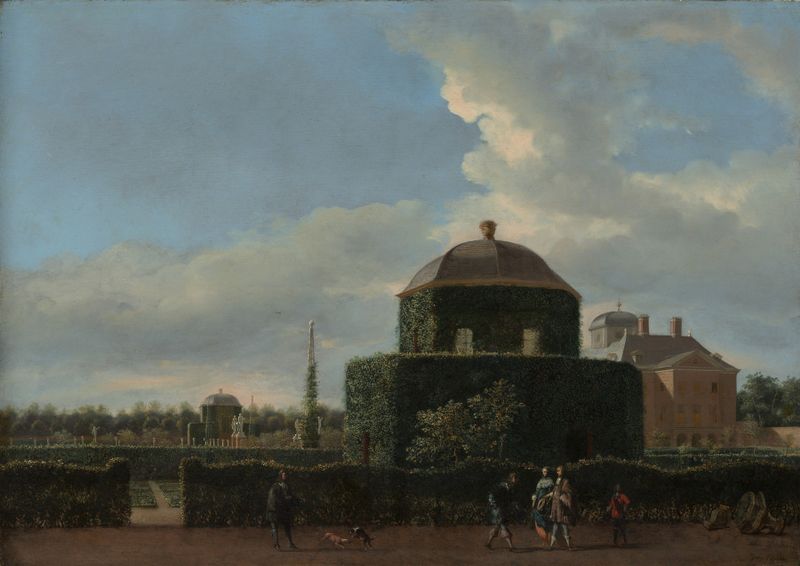
The Huis ten Bosch at The Hague and Its Formal Garden (View from the East)
Jan van der Heyden

The Dam in Amsterdam towards the Townhall and Nieuwe Kerk
Jan van der Heyden
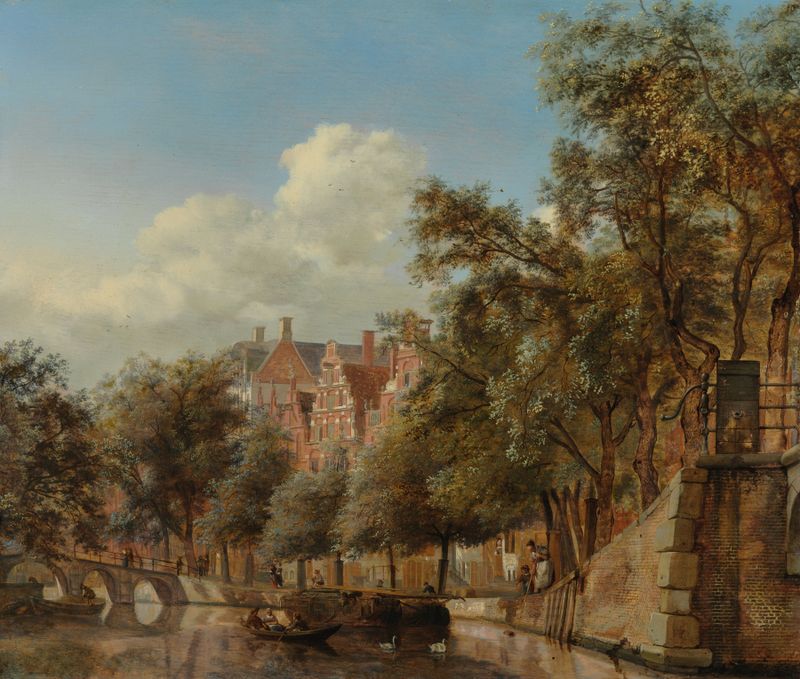
The Herengracht, Amsterdam, Viewed from the Leliegracht
Jan van der Heyden

Amsterdam City View with Houses on the Herengracht and the old Haarlemmersluis
Jan van der Heyden

View of the Oude Delft Canal, Delft
Jan van der Heyden
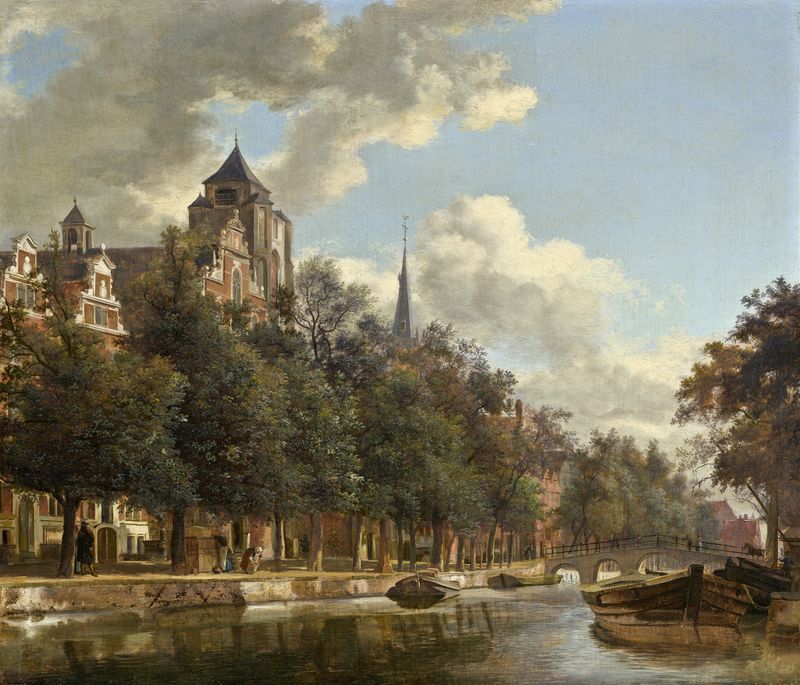
View Down a Dutch Canal
Jan van der Heyden
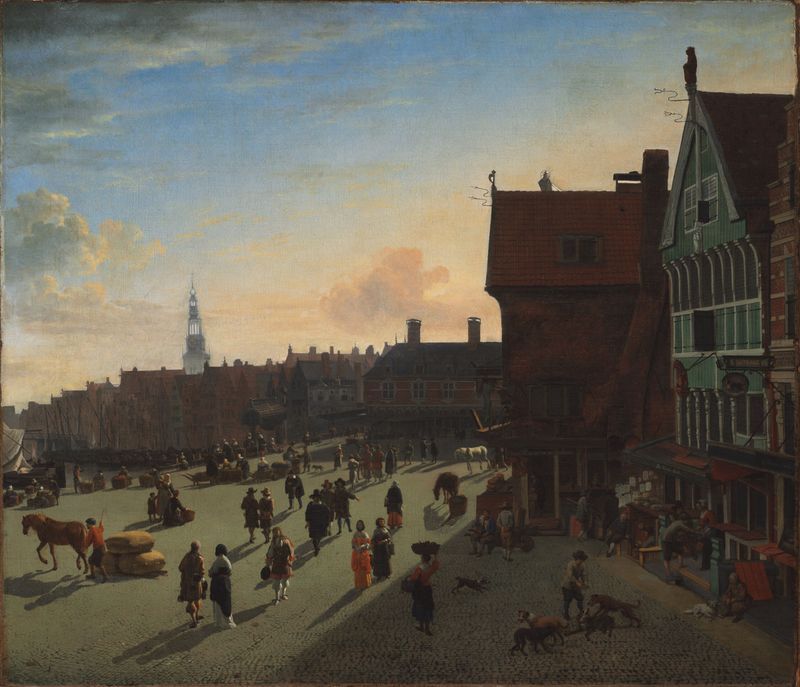
The Dam and Damrak, Amsterdam
Jan van der Heyden

View of Oudezijds Voorburgwal with the Oude Kerk in Amsterdam
Jan van der Heyden

The Herengracht, Amsterdam, Viewed from the Leliegracht
Jan van der Heyden
More Architecture Art
Browse all →
The statue of Liberty
Frédéric Auguste Bartholdi

View of Houses in Delft, Known as ‘The Little Street’
Johannes Vermeer

View of Houses in Delft, Known as ‘The Little Street’
Johannes Vermeer

The Cathedral in Rouen. The portal, Grey Weather
Claude Monet

The yellow house
Vincent van Gogh

The Church in Auvers-sur-Oise, View from the Chevet
Vincent van Gogh