
The City at Sunset — History & Facts
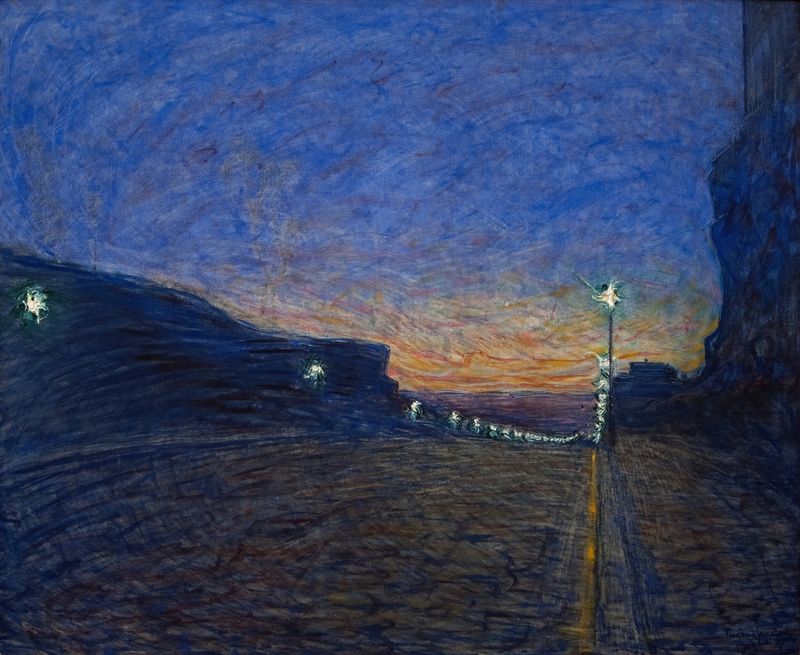
In the stillness of twilight, where day reaches out to hold night, illusions of shimmering light and shadow intertwine, revealing truths hidden in the urban landscape. Look to the left at the delicate interplay of blues and purples that envelop the city skyline, contrasting beautifully with the fiery oranges and pinks of the setting sun. Notice how the buildings, with their soft edges, almost dissolve into the atmospheric haze, creating a dream-like quality that challenges the viewer's perception of reality. The brushwork is fluid yet intentional, capturing the ethereal essence of dusk as it cloaks the city in a veil of color, suggesting both enchantment and transience. There is a palpable tension between the vibrancy of the colors and the stillness of the city, as if the urban environment is holding its breath, suspended in time.
This interplay embodies the illusion of motion within the stillness—each silhouette of the structures tells a story of life and liveliness, yet simultaneously suggests isolation. The horizon becomes a metaphor for endless possibilities, while the gathering shadows hint at the encroachment of solitude within urban existence. At the cusp of the 20th century, Eugène Jansson painted this work in 1897, a time marked by rapid industrialization and societal change in Sweden. Living in Stockholm, he integrated influences from both Impressionism and Symbolism, seeking to capture the unique beauty of his city.
This piece reflects his personal exploration of light, color, and the emotional undercurrents of modern life, resonating deeply with the transitional period in art history.
More Artworks by Eugène Jansson
Browse all →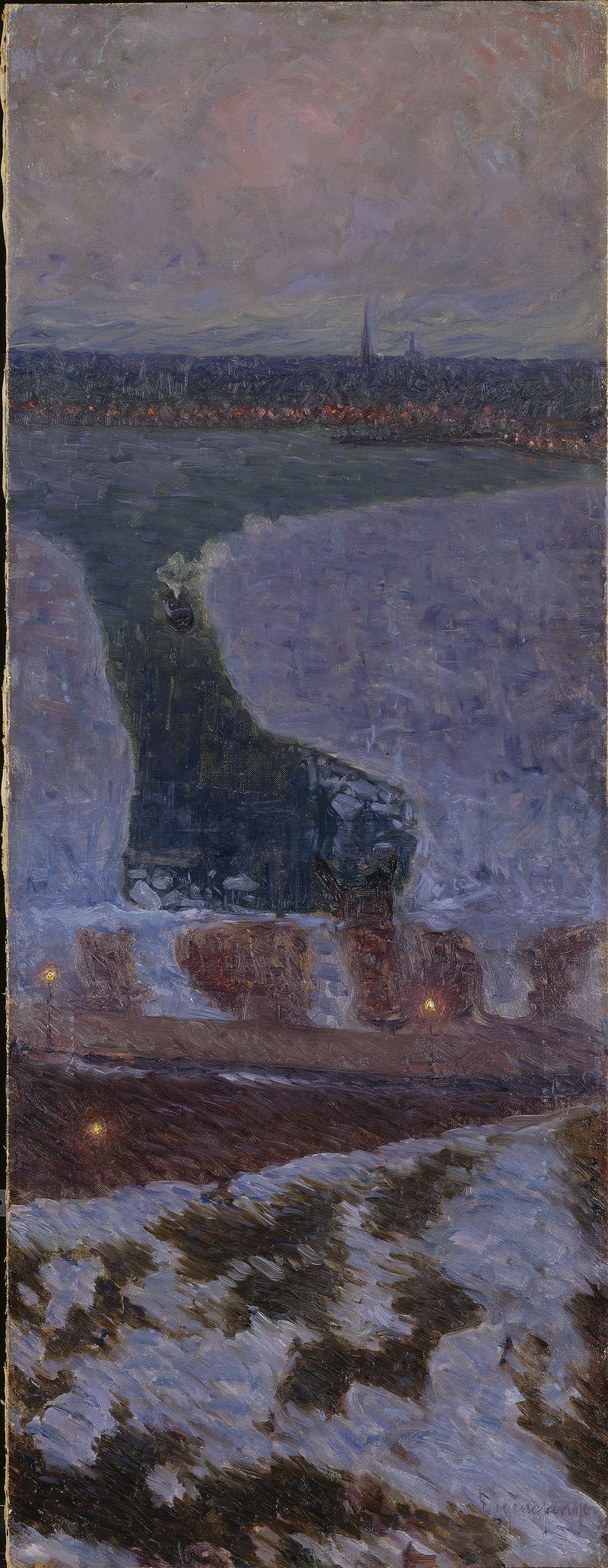
Riddarfjärden. A Stockholm
Eugène Jansson
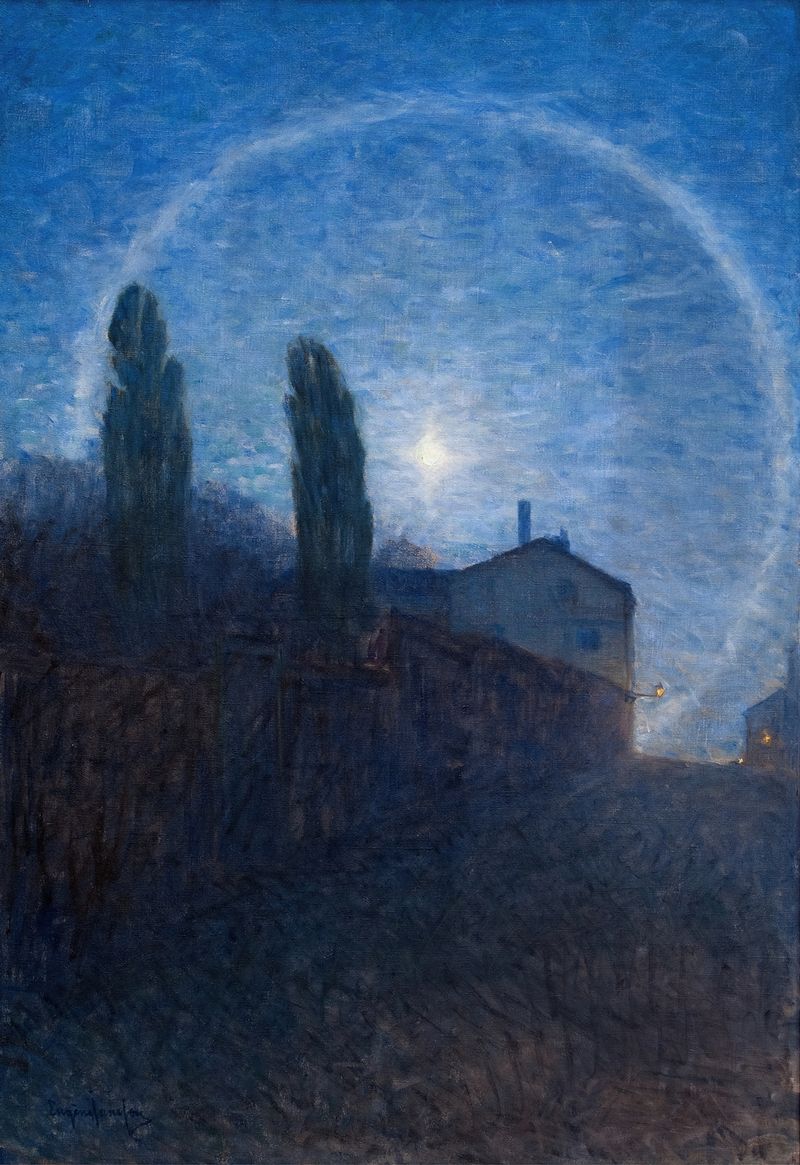
Lunar Halo
Eugène Jansson
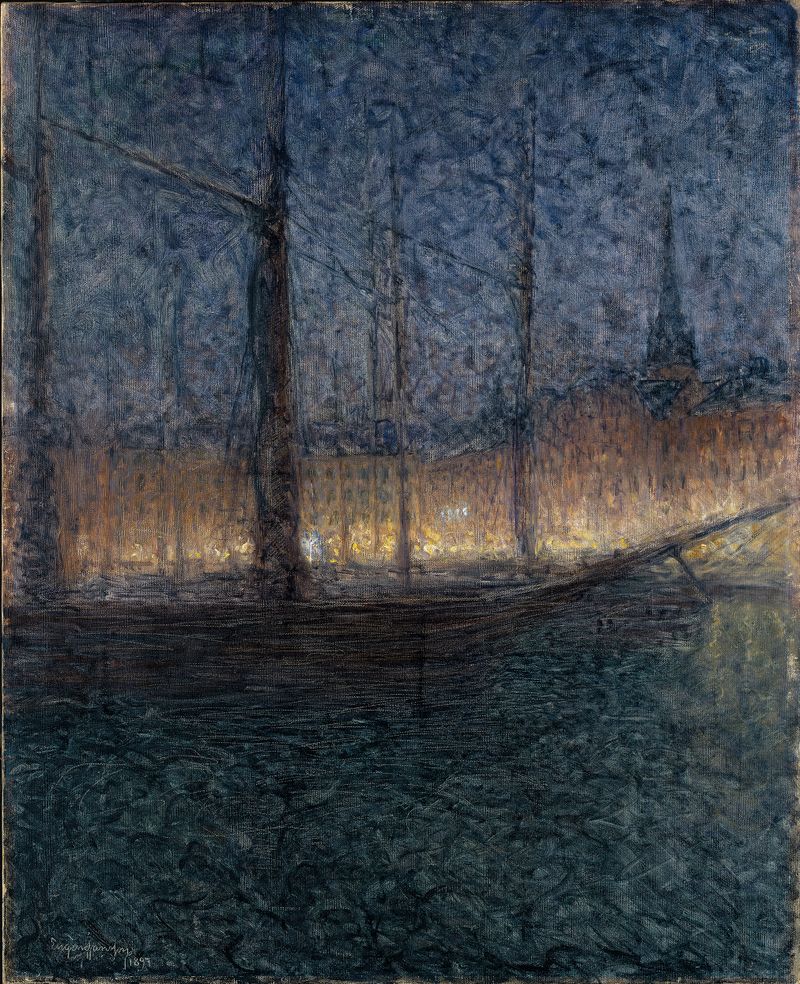
Evening in Kornhamnstorg, Stockholm
Eugène Jansson
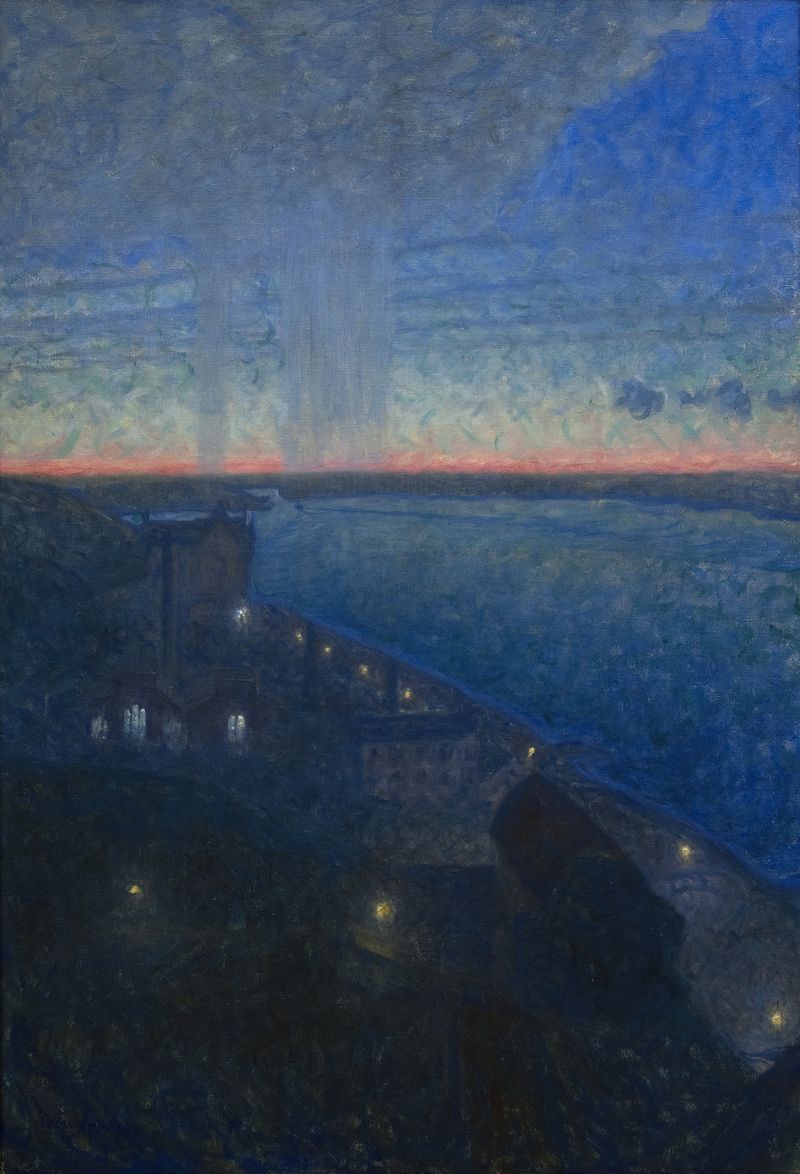
Söder Mälarstrand
Eugène Jansson
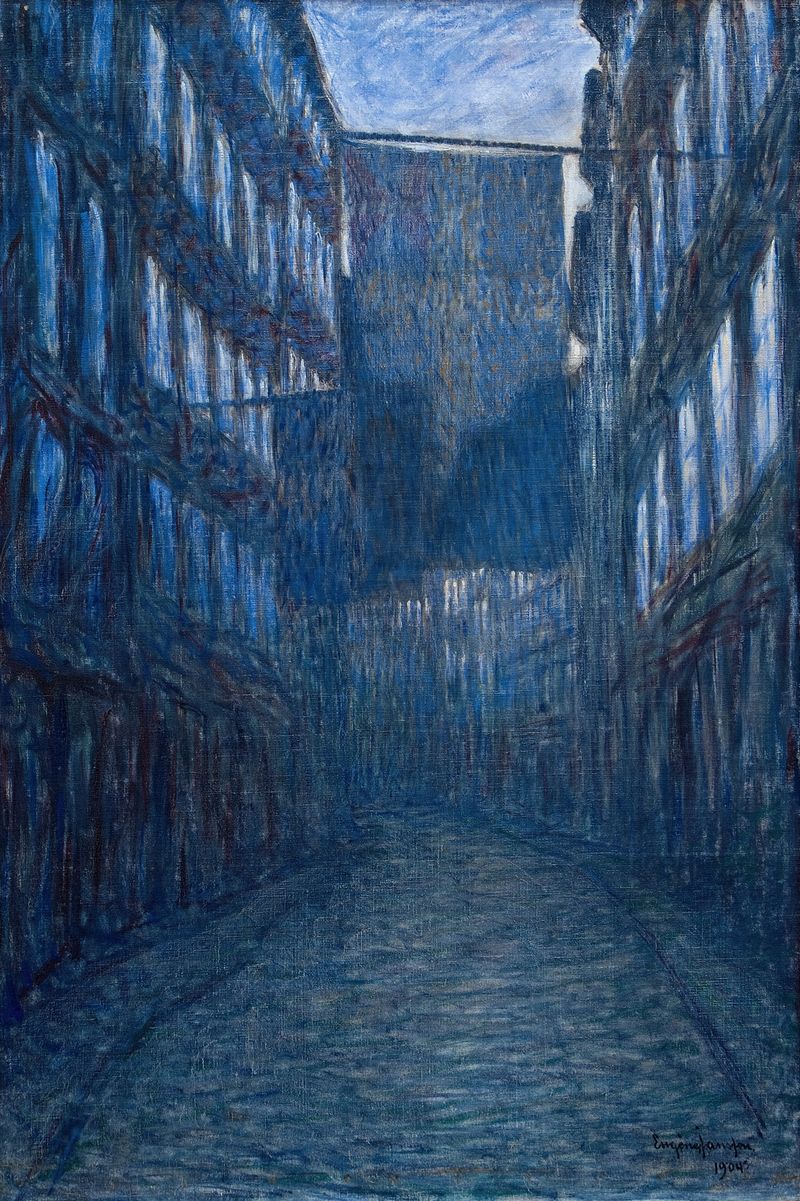
Österlånggatan
Eugène Jansson
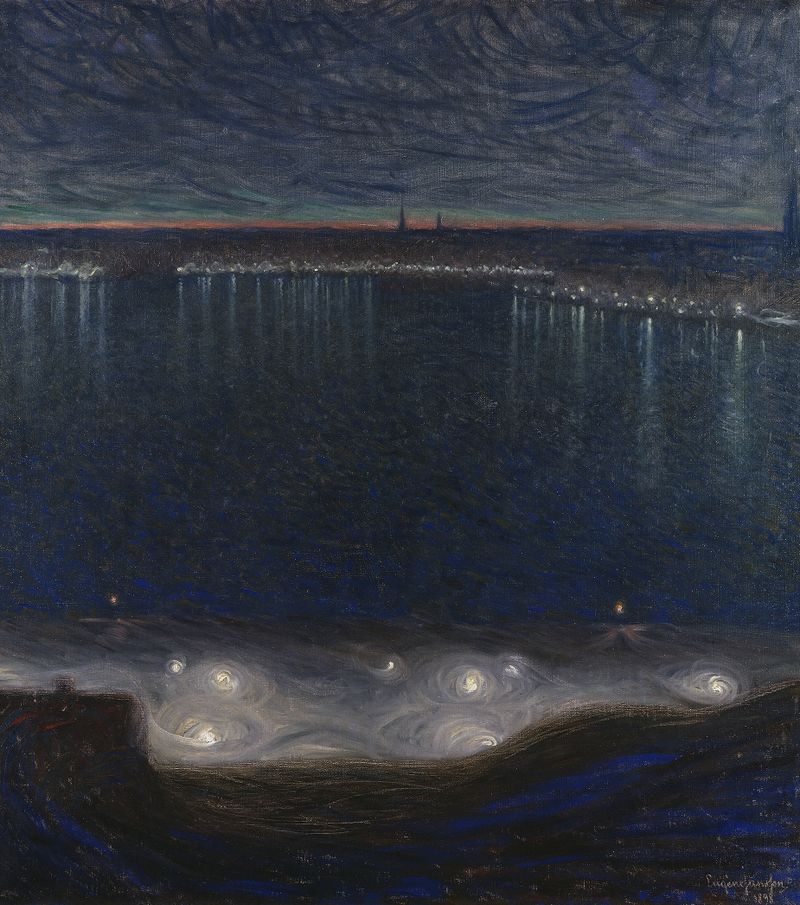
Riddarfjärden, Stockholm
Eugène Jansson
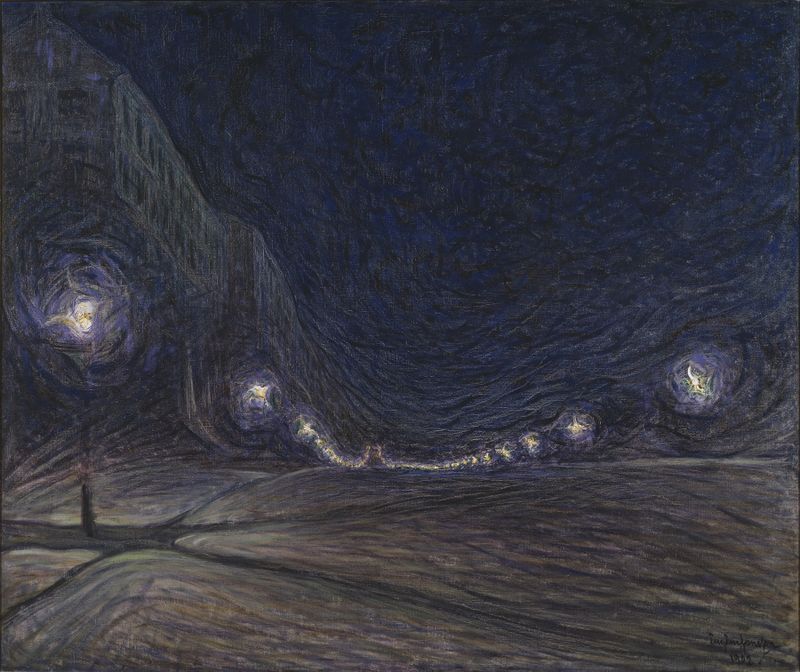
Hornsgatan by Night
Eugène Jansson
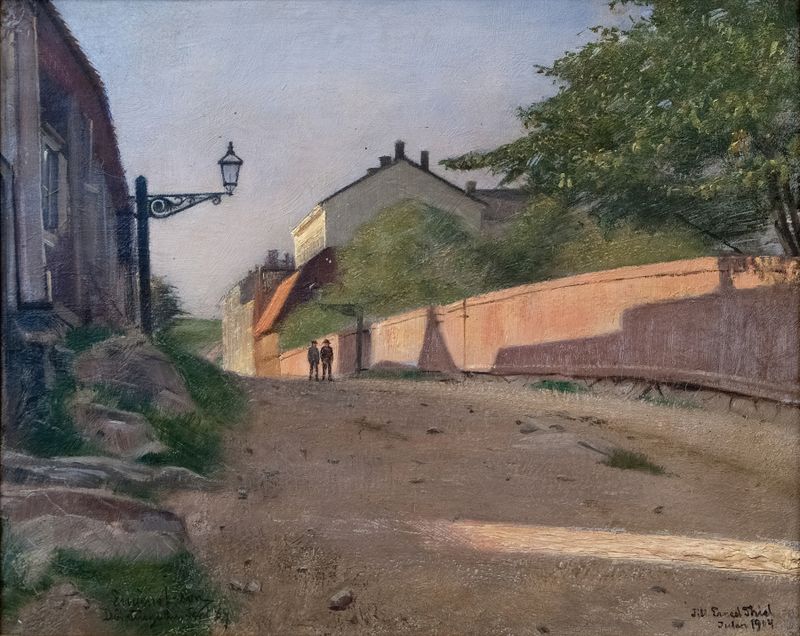
Döbelnsgatan
Eugène Jansson
Hornsgatan
Eugène Jansson
Nocturne
Eugène Jansson





