
The complaint of the shepherd — History & Facts
What draws the eye first in The complaint of the shepherd is the way longing seems to hang in the air, as if the music from the shepherd’s panpipes could almost be heard. The youth, barefoot and clothed only in a rough pelt, leans against a mossy rock, his gaze turned upward and away, lips parted in silent song or sigh. A garland of roses arcs above him, their pink petals almost luminous against the deep green, while at his feet a scatter of grapes and a split pomegranate hint at both abundance and loss.
To the left, half veiled in shadow and foliage, a spectral female figure listens—her presence more suggestion than certainty, a memory or a muse. The contrast between the shepherd’s exposed, living form and the ghostly watcher deepens the sense of separation and yearning, as if the painting itself is caught between worlds. Painted in 1866, The complaint of the shepherd belongs to a moment in European art when myth and memory mingled freely with the real. The artist, Arnold Böcklin, was known for weaving ancient themes into lush, atmospheric landscapes, and here he draws on the tradition of Arcadian idylls—scenes that offered city dwellers a vision of lost harmony with nature and the divine.
Such works were often collected by the rising bourgeoisie or displayed in salons as tokens of culture and nostalgia, at a time when industrialization was rapidly changing the face of Europe. This painting survives in the Bayerische Staatsgemäldesammlungen, its details documented in early 20th-century German sources, though history has kept few traces of its early journey. Yet the image endures, inviting us to linger on the boundary between presence and absence, music and silence.
More Artworks by Arnold Böcklin

Die Toteninsel III
Arnold Böcklin
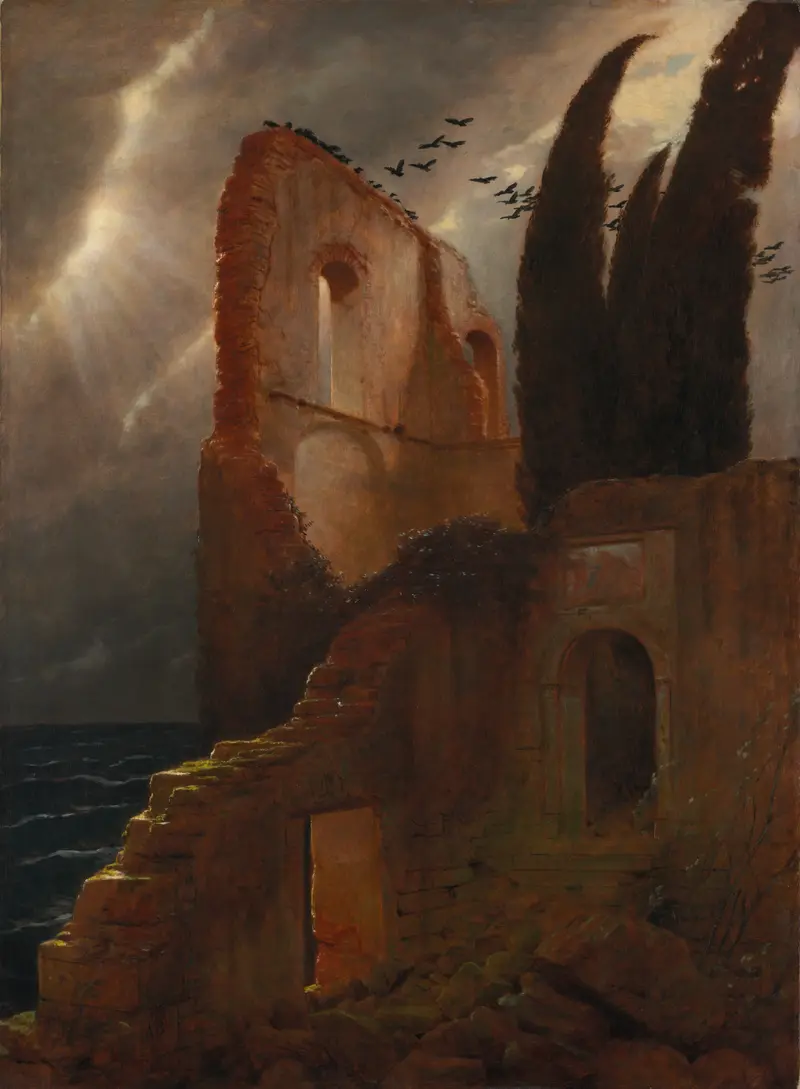
Ruin by the Sea
Arnold Böcklin
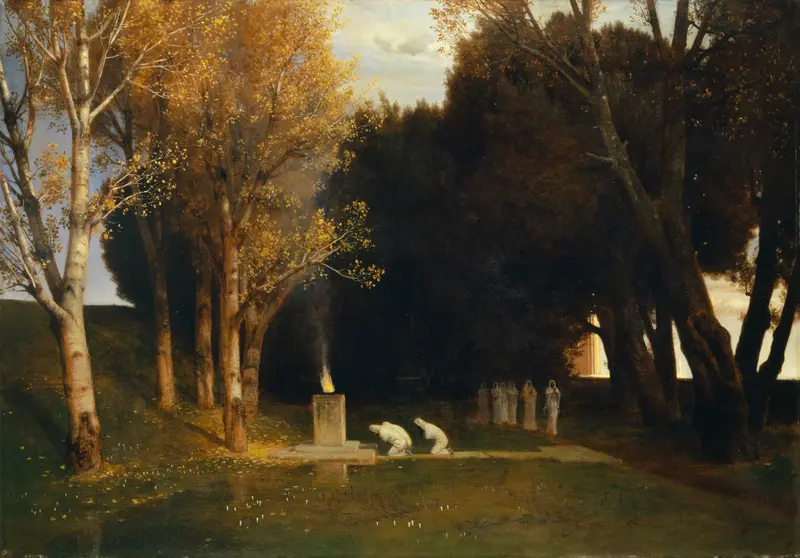
The Sacred Grove
Arnold Böcklin
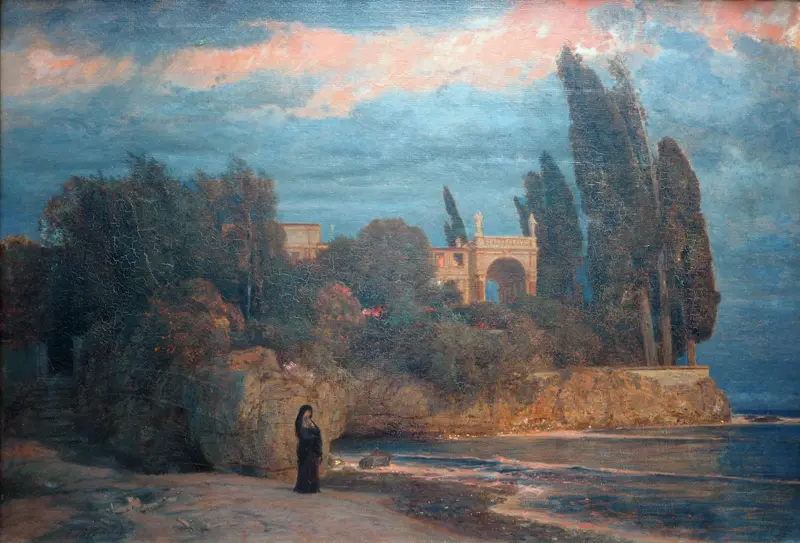
Villa by the Sea
Arnold Böcklin
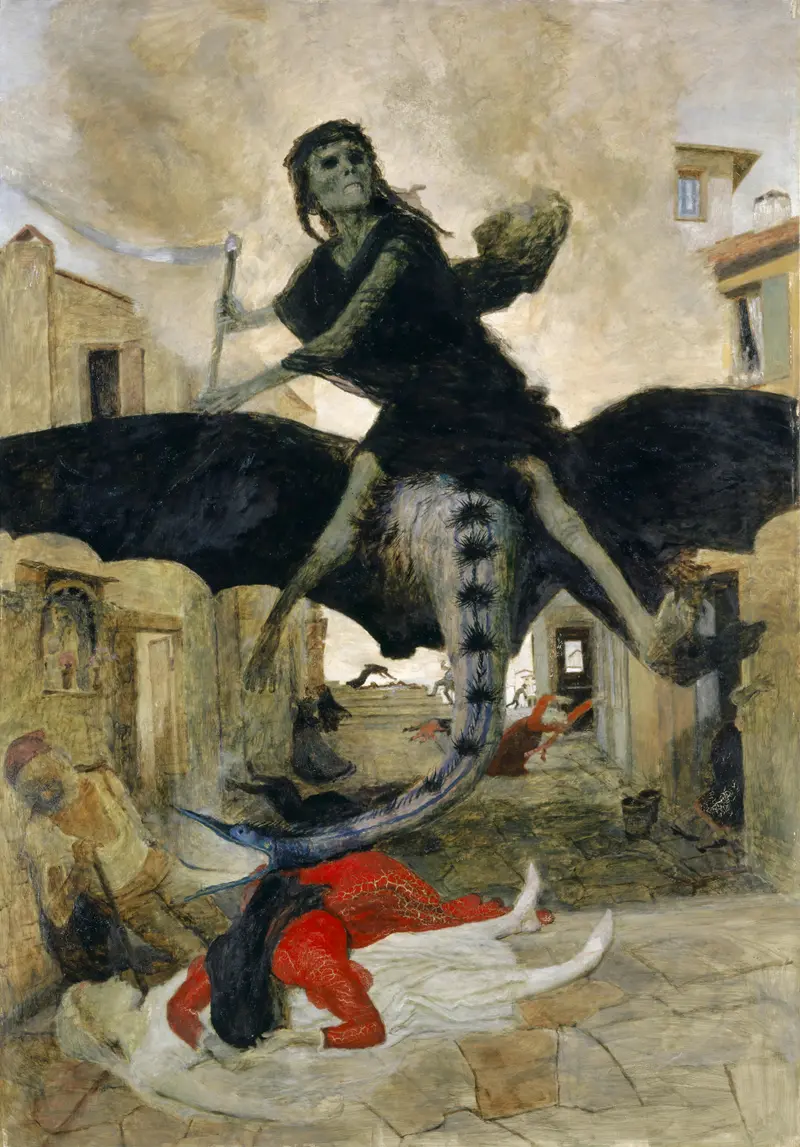
The Plague
Arnold Böcklin
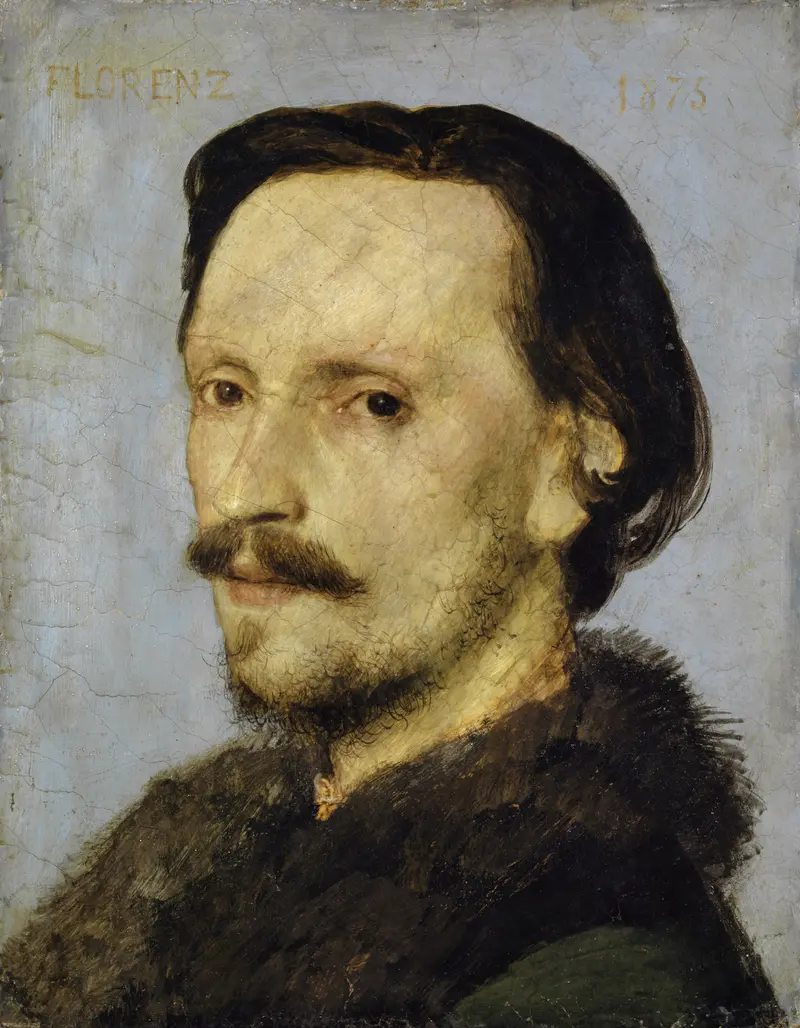
Böcklin Bildnis des Kunsthistorikers Adolph Bayersdorfer, 1875
Arnold Böcklin
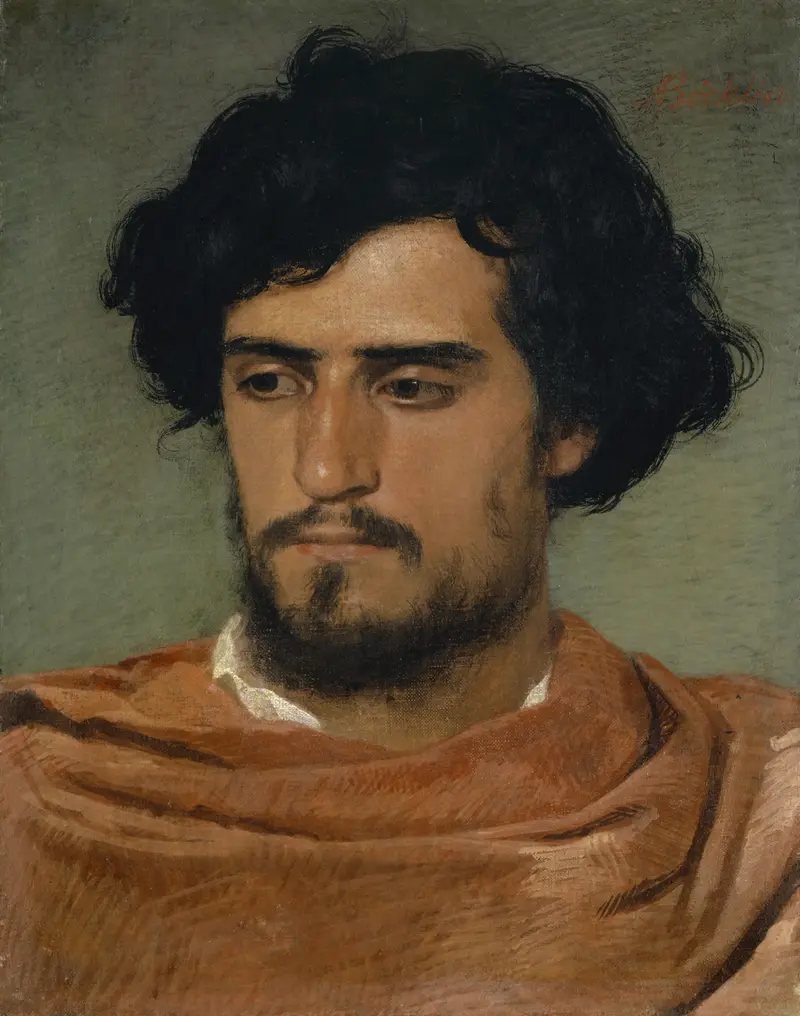
Head of a Roman
Arnold Böcklin
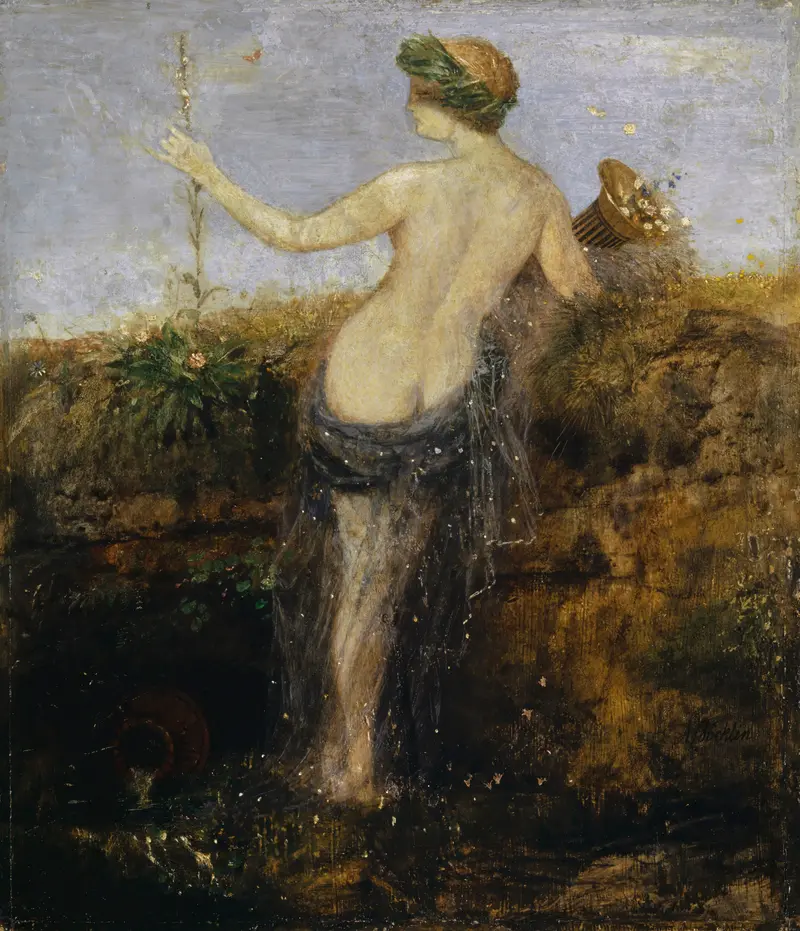
Nymphe with Horn of Plenty
Arnold Böcklin
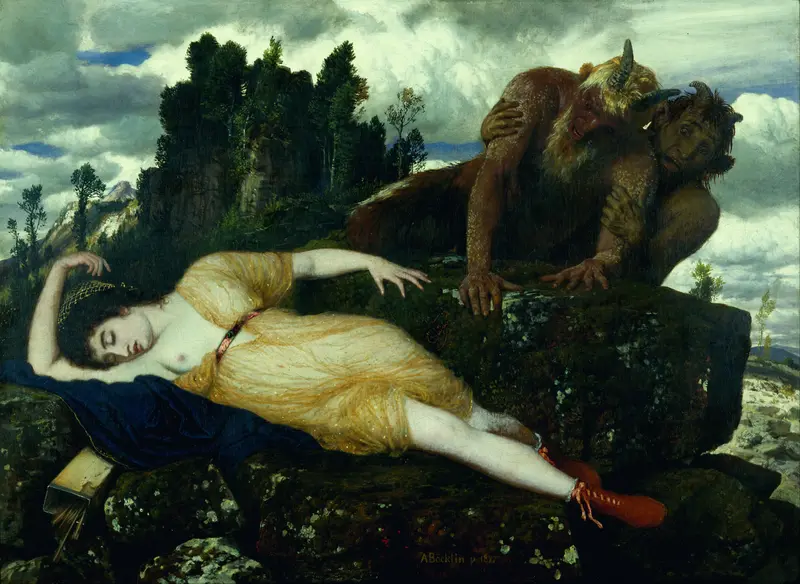
Sleeping Diana Watched by Two Fauns
Arnold Böcklin
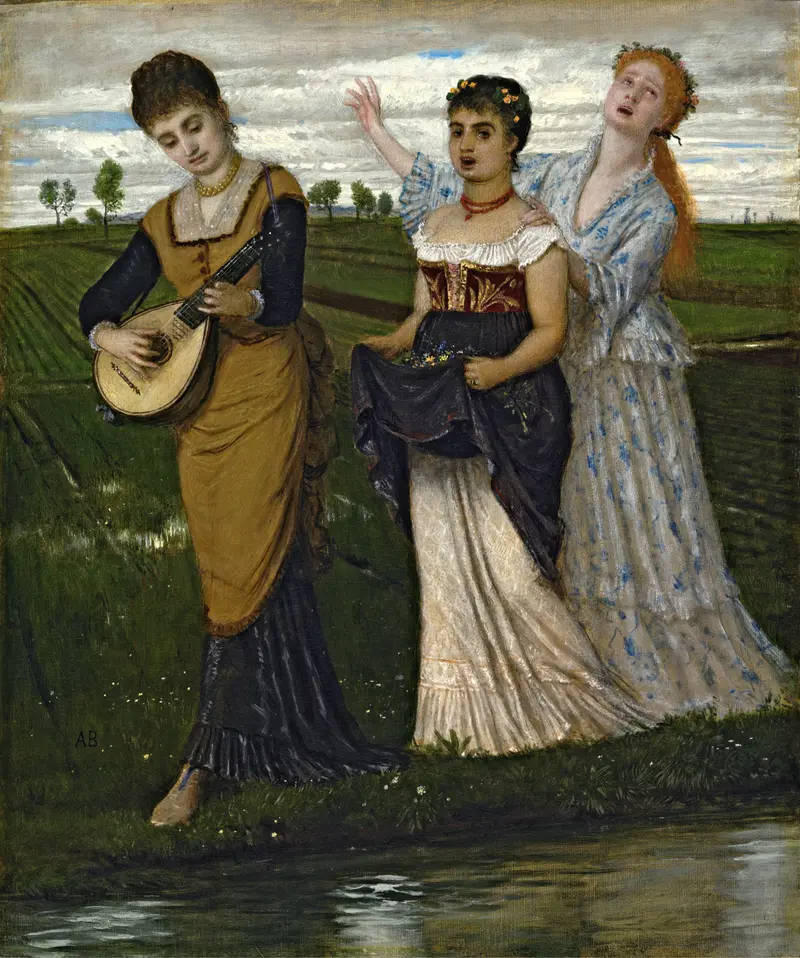
Spring (Songs of Spring)
Arnold Böcklin



