Discover insights about this artwork
The Country Dance — History & Facts
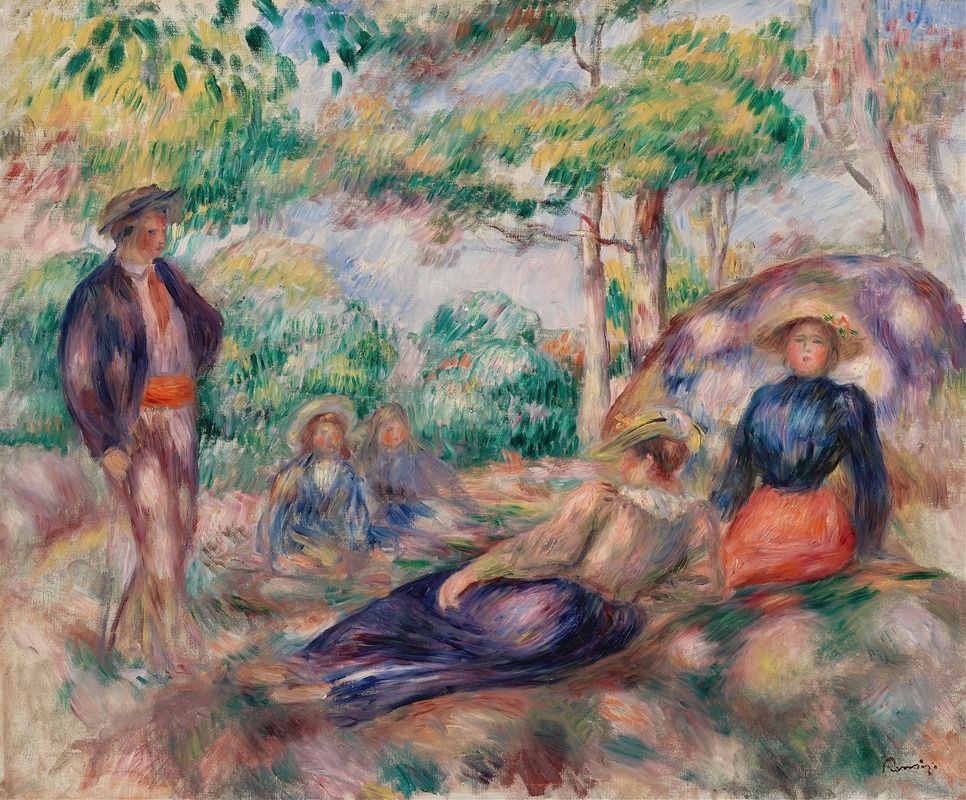
In The Country Dance, vibrant colors bring the scene to life, with figures dressed in elegant 18th-century attire. The setting is a lush outdoor area, where couples engage in a joyful dance. The atmosphere is lively and festive, capturing the spirit of celebration.
Soft greens and warm pastels dominate the palette, enhancing the cheerful mood of the painting. The painting is executed in oil on canvas, a common medium for the Rococo period. Watteau's brushwork is fluid, creating a sense of movement among the dancers. The composition is well-balanced, with figures arranged in a dynamic circle that draws the viewer's eye.
The attention to detail in the clothing and expressions adds depth to the scene. Jean-Antoine Watteau was a leading figure in the Rococo movement, known for his depictions of leisure and love. The Country Dance reflects his fascination with the social activities of his time. An interesting fact about this work is that it exemplifies the playful and romantic themes that characterize Watteau's oeuvre.
It is housed in the Museo del Prado, a testament to its significance in art history.
More Artworks by Jean-Antoine Watteau
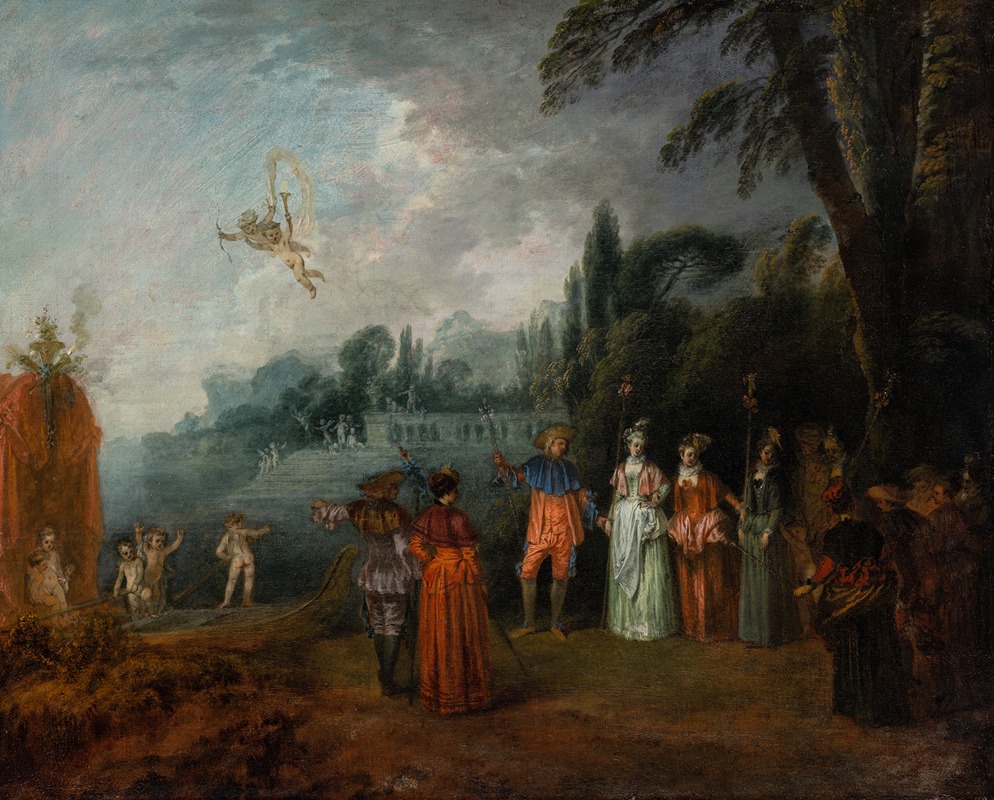
The Embarkation for Cythera
Jean-Antoine Watteau
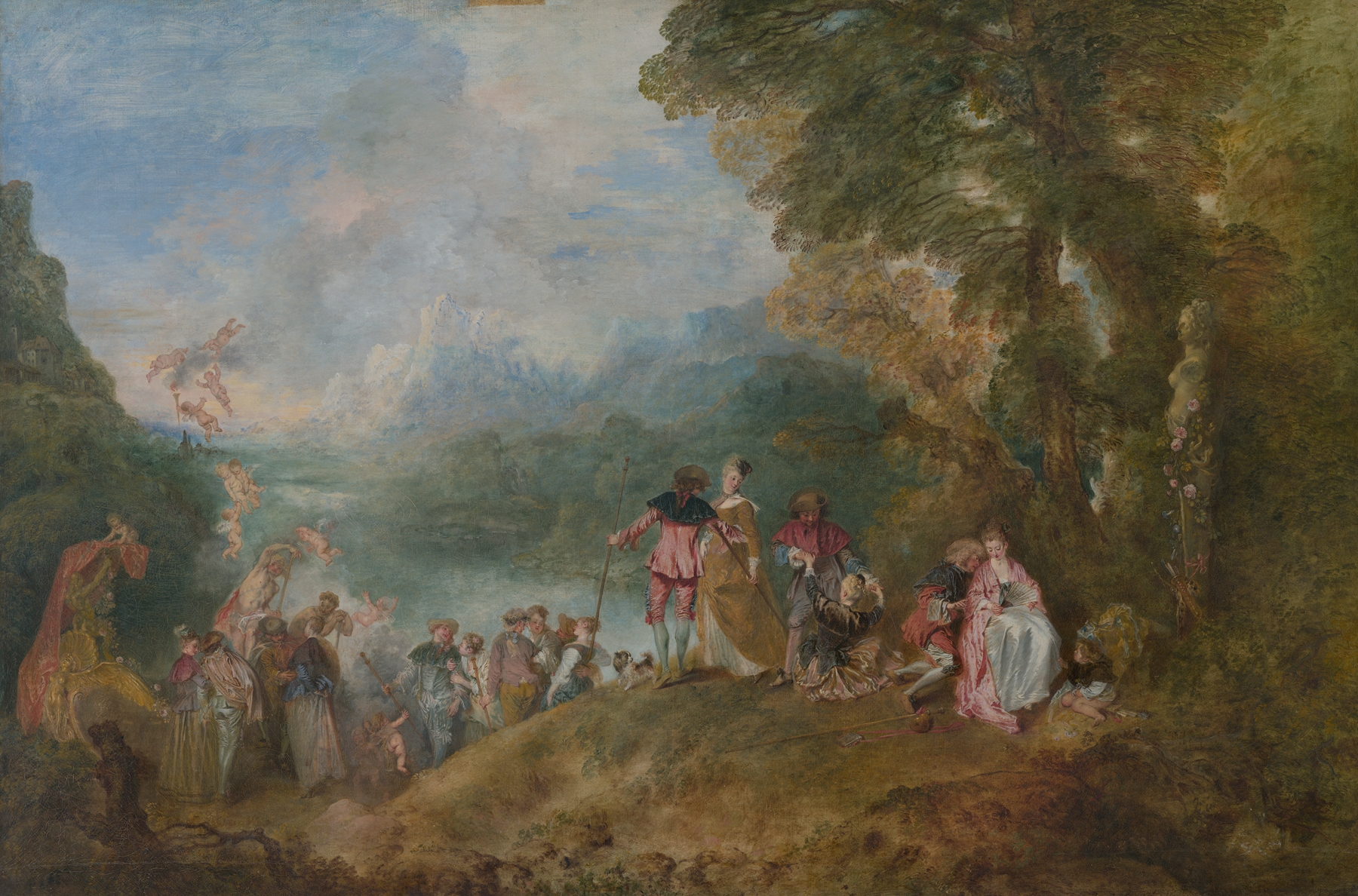
L’Embarquement pour Cythere
Jean-Antoine Watteau
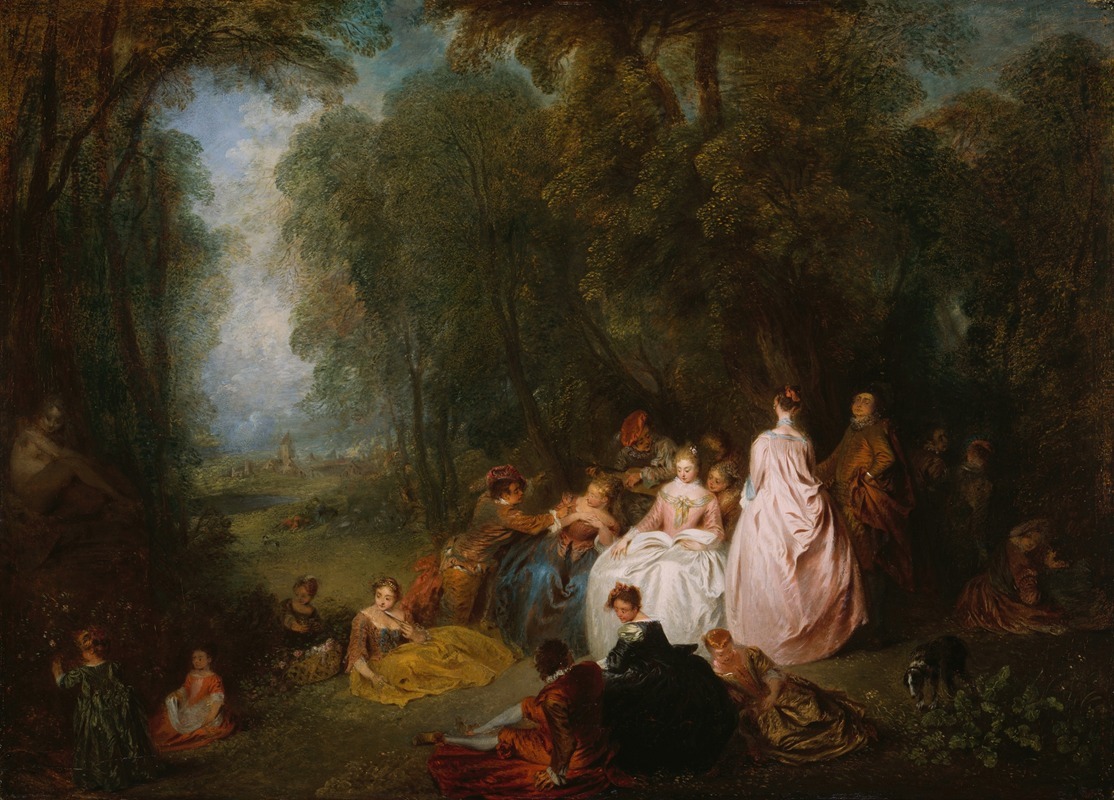
Fête champêtre (Pastoral Gathering)
Jean-Antoine Watteau

The Clothes are Italian
Jean-Antoine Watteau
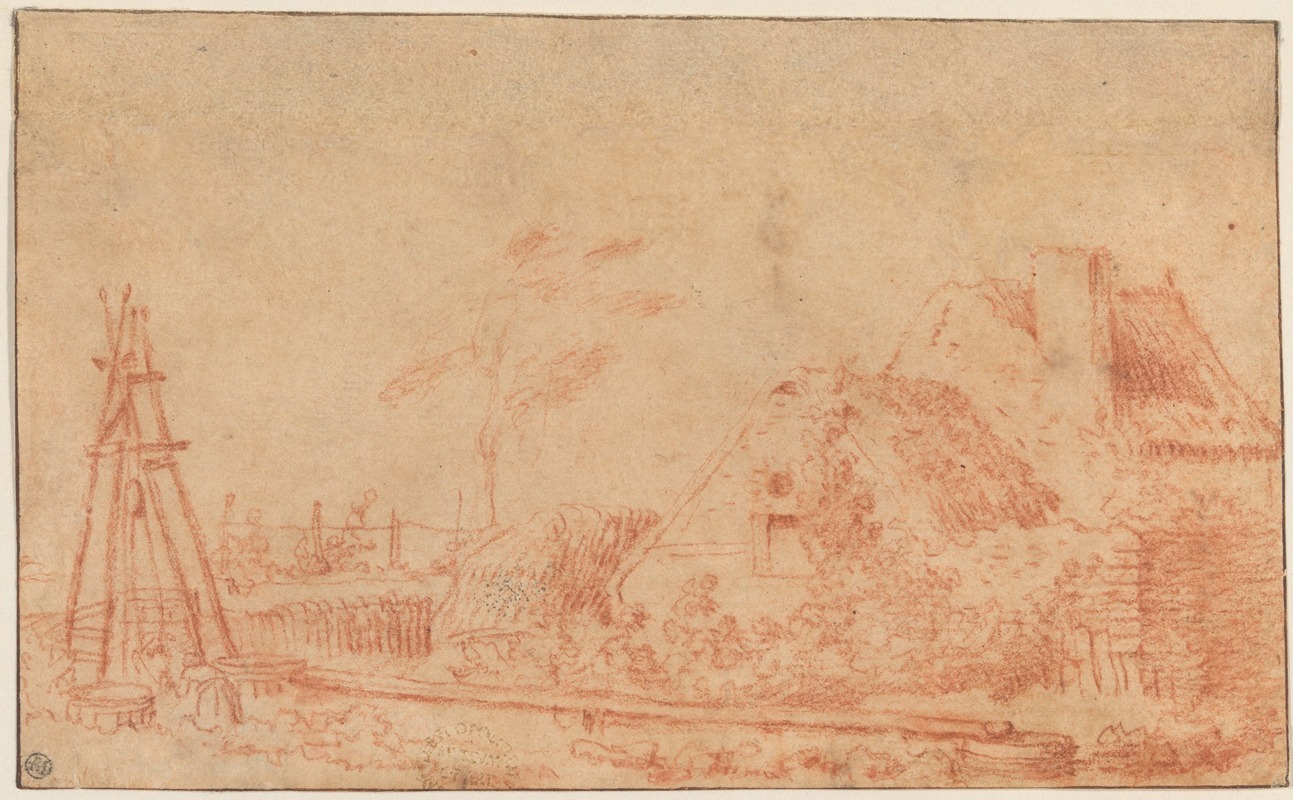
Landscape with a Cottage and Well
Jean-Antoine Watteau
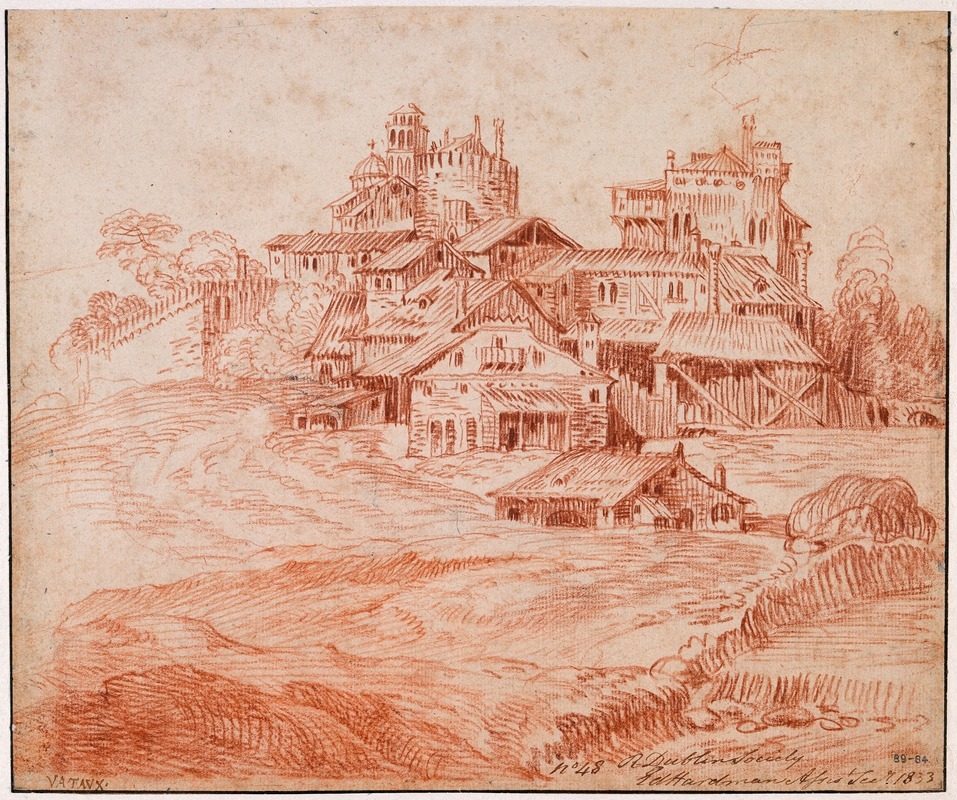
Fortified Village with a Castle, Keep and a Church
Jean-Antoine Watteau

Gentilhomme debout tenant avec sa canne
Jean-Antoine Watteau

Fêtes Venitiennes
Jean-Antoine Watteau

Standing Girl; barefoot, lifting her skirt
Jean-Antoine Watteau
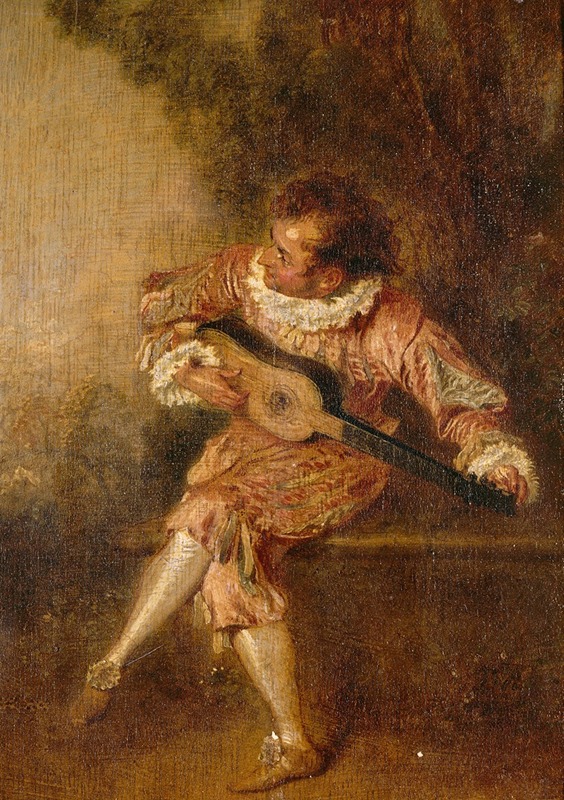
Le donneur de sérénades (Mezetin)
Jean-Antoine Watteau