
The Crossing — History & Facts
What if silence could speak through light? In The Crossing, a delicate symphony of hues and shades beckons us to ponder the fragile balance between presence and absence. Look to the upper left where a soft glow emerges, illuminating the figures huddled together on the bridge. The muted palette of charcoal greys and whispering blues creates a sense of twilight, suggesting the stillness of an approaching dusk. The angles of the bridge’s arches lead the eye across the composition, drawing us into a world where structure and nature intertwine gently.
The ethereal quality of the light not only enhances the visual depth but also evokes an emotional weight, as if the scene is suspended in time. Buhot deftly contrasts the solidity of the bridge with the fluidity of the water below, reflecting the tension between human ingenuity and the natural world. The figures, though seemingly insignificant against the grandeur of their surroundings, embody a collective anticipation or yearning that resonates deeply within each viewer. Their shadows blend into the water, blurring the line between reality and reflection, further emphasizing the delicate balance present in the moment. In the late 19th century, when Buhot painted this work in France, the Impressionist movement was thriving, challenging traditional norms in art.
A period marked by exploration and innovation, it saw Buhot grappling with both the technical aspects of printmaking and his profound desire to capture fleeting moments. This painting, created around 1880, reflects his ongoing fascination with the interplay of light, shadow, and human experience, resonating with the broader artistic currents of his time.
More Artworks by Félix Hilaire Buhot
Browse all →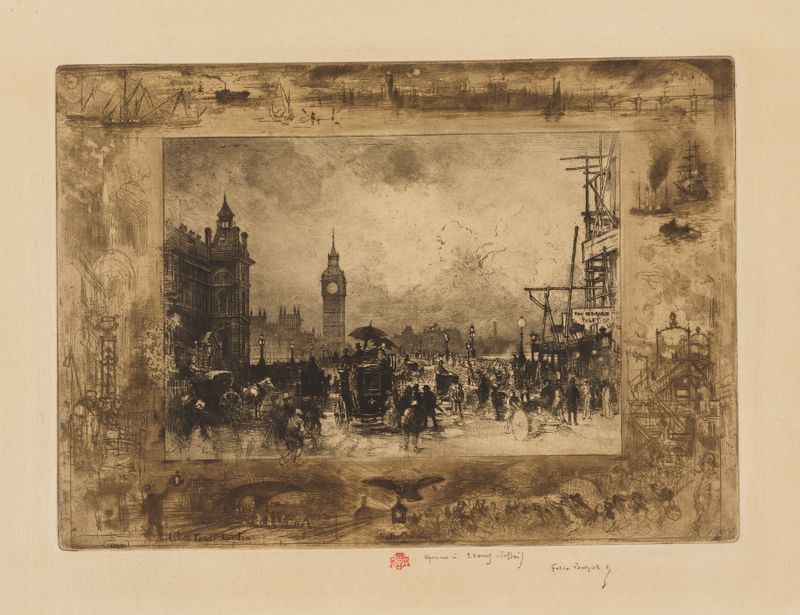
Westminster Bridge, or Westminster Clock Tower
Félix Hilaire Buhot
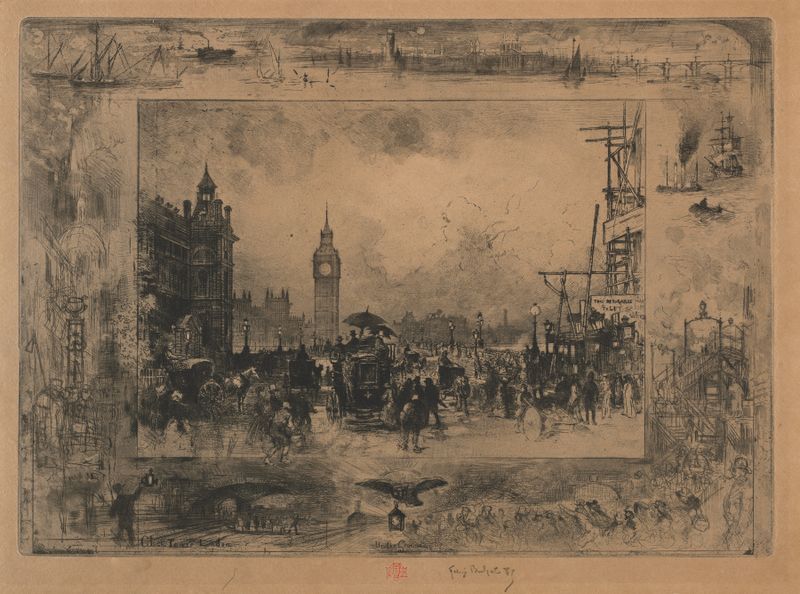
Westminster Bridge, or Westminster Tower
Félix Hilaire Buhot
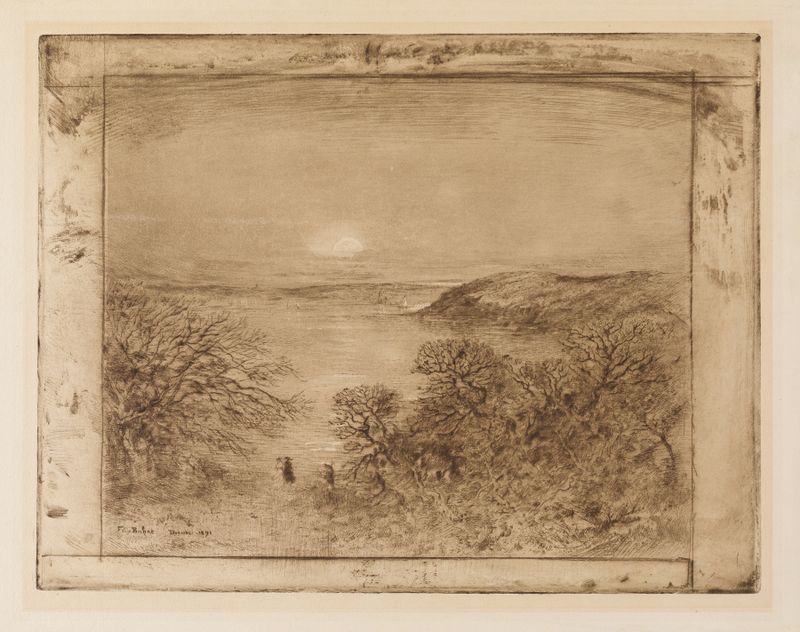
Moonrise at Dinard
Félix Hilaire Buhot
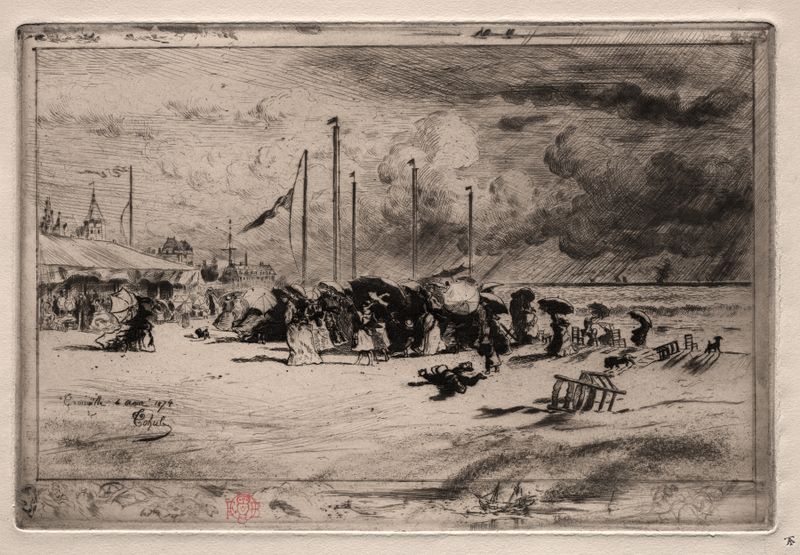
A Squall at Trouville
Félix Hilaire Buhot
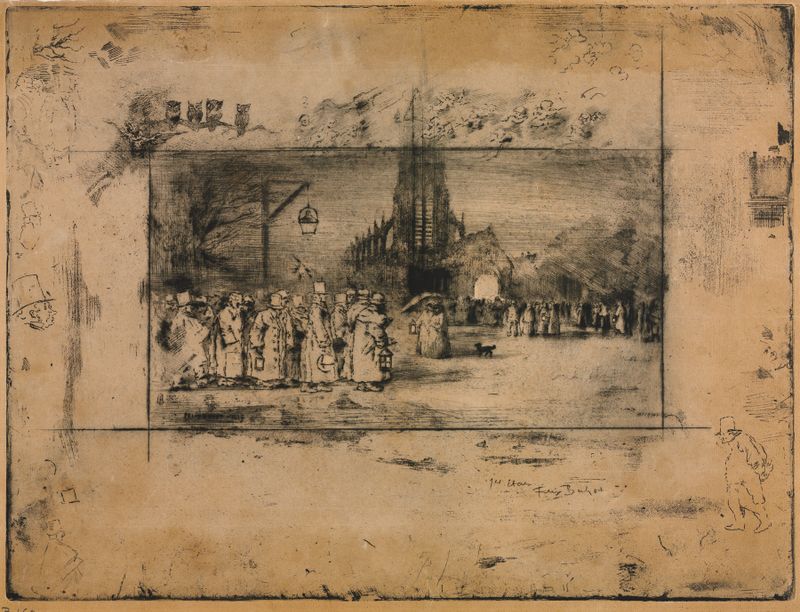
The Midnight Mass
Félix Hilaire Buhot
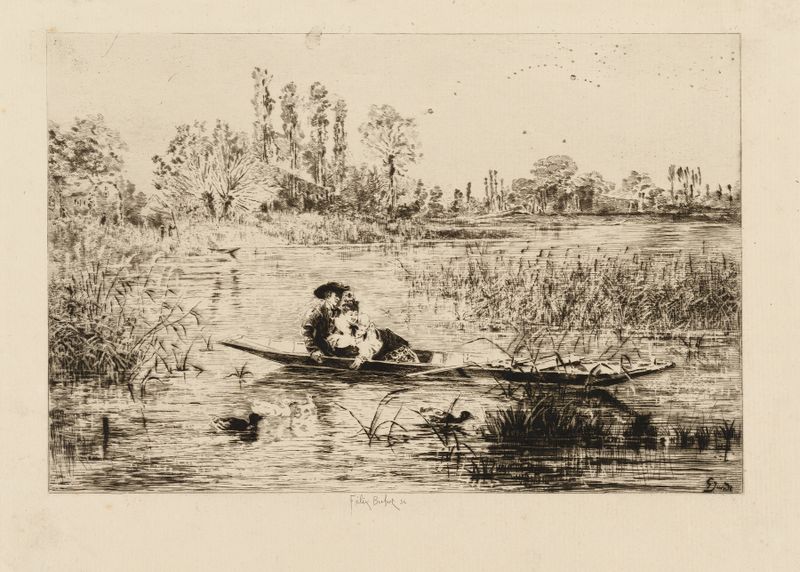
On the Thread of the Water
Félix Hilaire Buhot
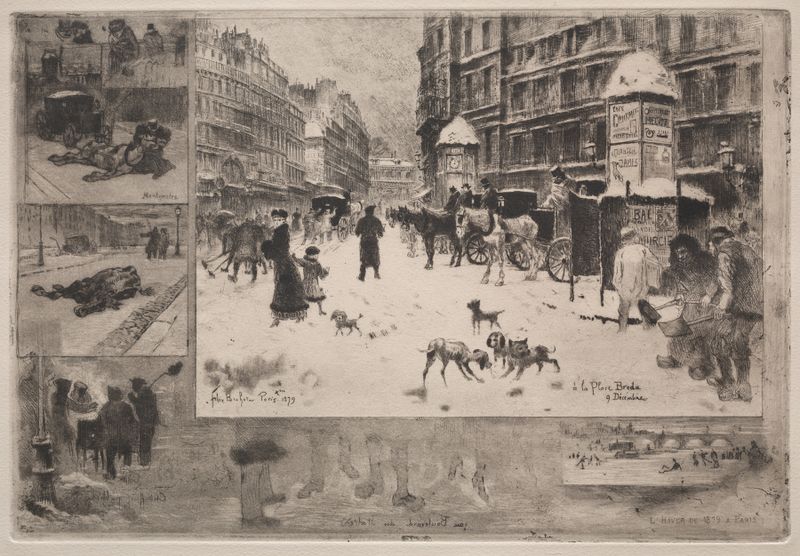
Winter in Paris
Félix Hilaire Buhot
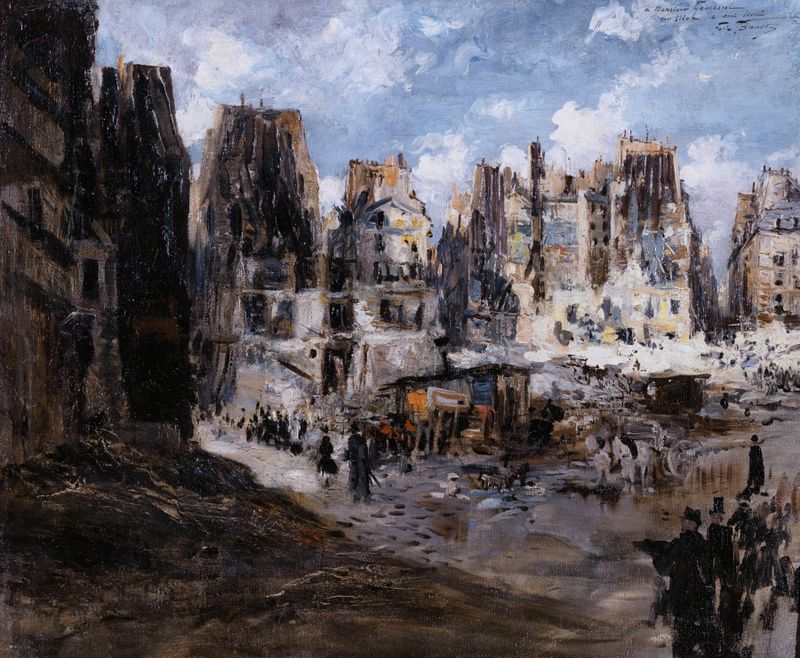
Le percement de l’avenue de l’Opéra.
Félix Hilaire Buhot
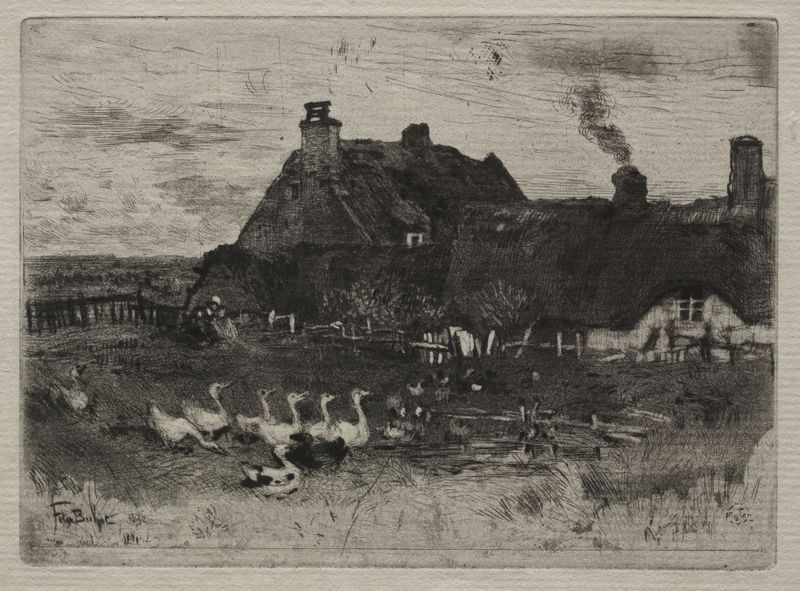
Thatched Cottages
Félix Hilaire Buhot
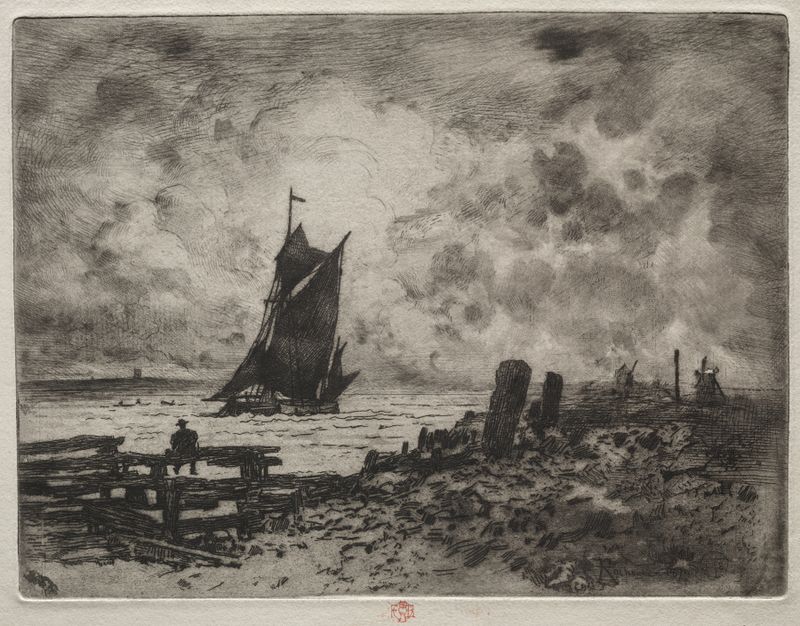
The Little Marine; Souvenir of Medway
Félix Hilaire Buhot





