
Discover insights about this artwork
The Dance of Life — History & Facts
In The Dance of Life, Edvard Munch uses vibrant colors to depict a scene filled with movement and emotion. The painting features figures intertwined in a dance, symbolizing the connection between love and life. The background is a blend of warm hues, creating an atmosphere of passion and intensity.
Munch's use of swirling forms adds to the sense of dynamism in the composition. The painting is characterized by its bold brushwork and expressive use of color, typical of Munch's Symbolist style. The figures are rendered in a way that emphasizes their emotional states, with elongated forms and exaggerated gestures. The composition draws the viewer's eye across the canvas, inviting them to engage with the narrative of love and mortality.
This work exemplifies Munch's exploration of psychological themes through visual art. Edvard Munch, a key figure in the Symbolist movement, often explored themes of love, anxiety, and death in his works. The Dance of Life reflects his fascination with the complexities of human relationships. Interestingly, this painting was part of a series that Munch created to illustrate the stages of life, showcasing his belief in the cyclical nature of existence.
Munch's unique style and emotional depth continue to resonate with audiences today.
More Artworks by Edvard Munch
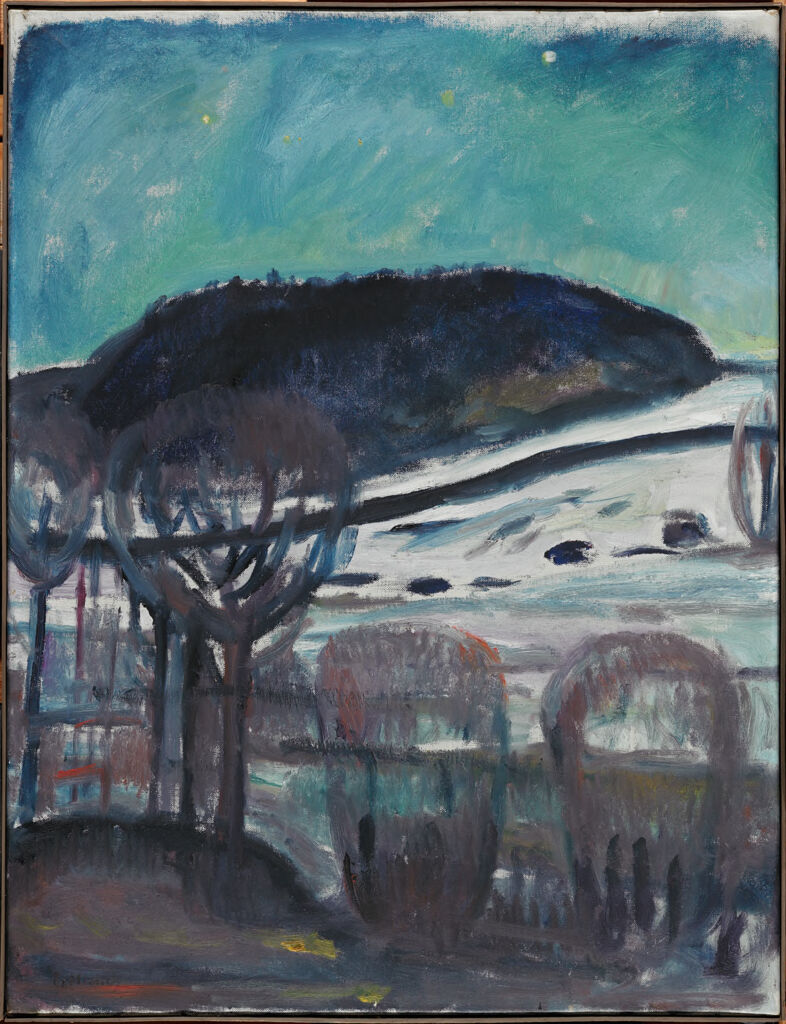
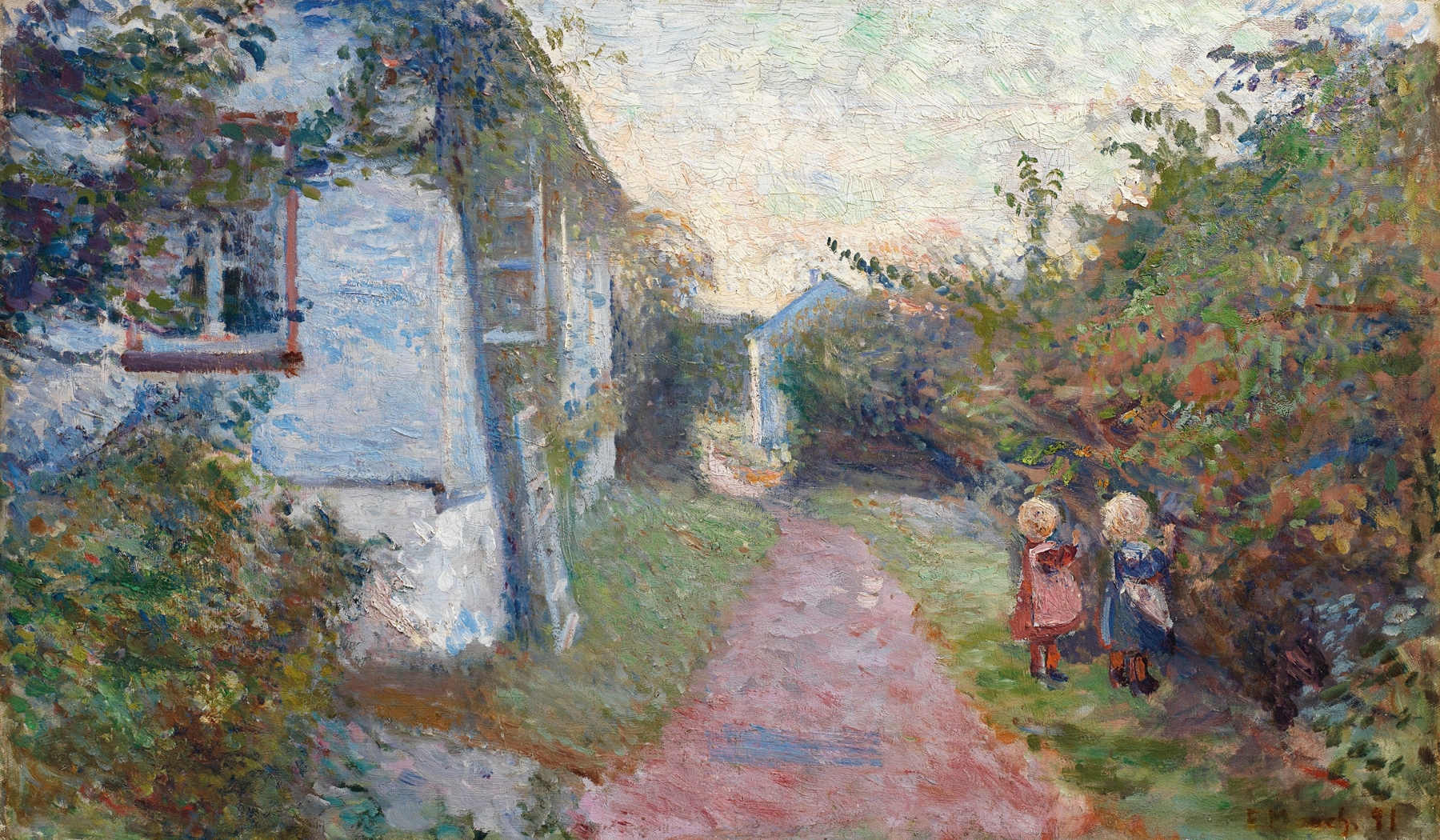
More Allegory Art
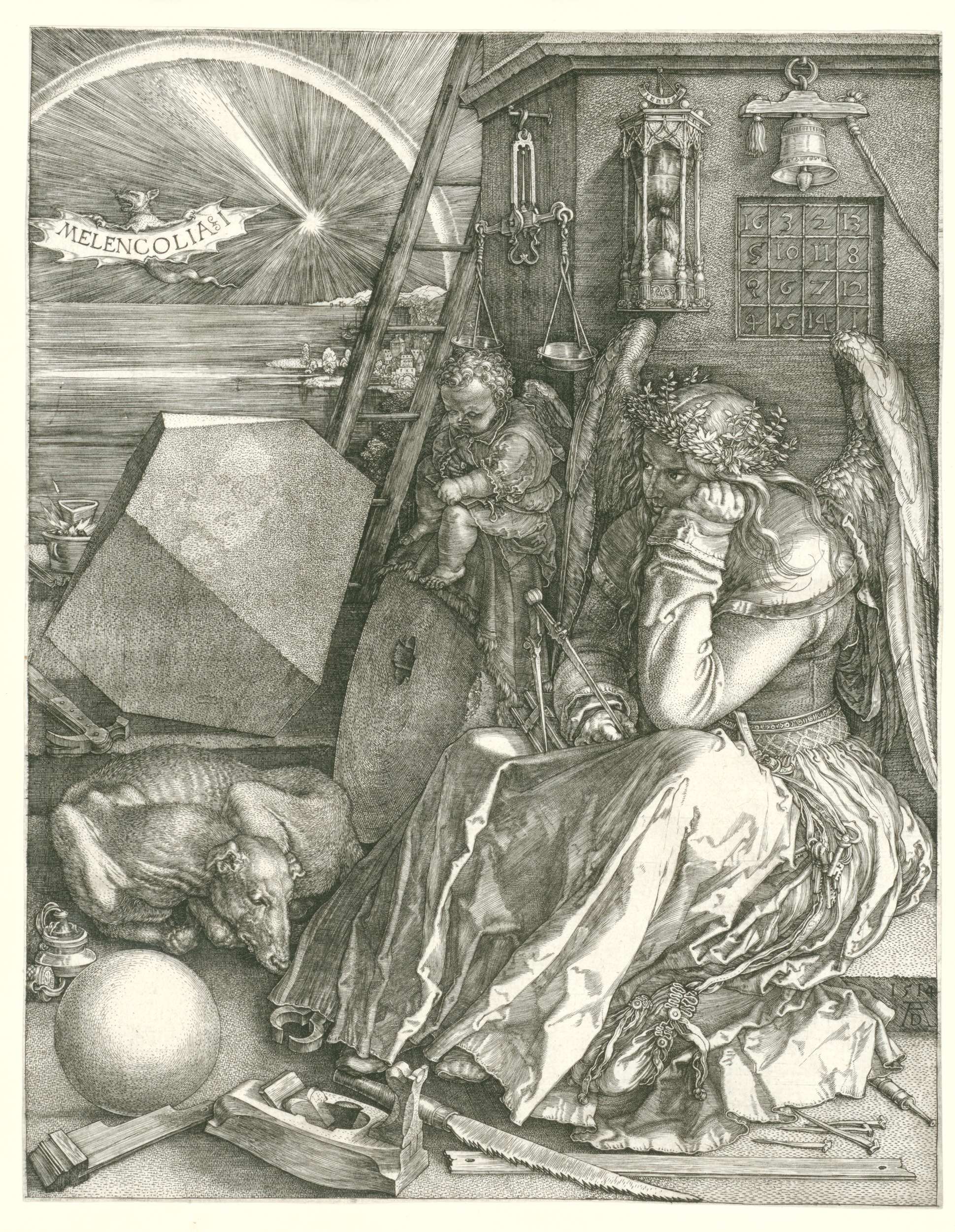
Melancholia
Albrecht Dürer
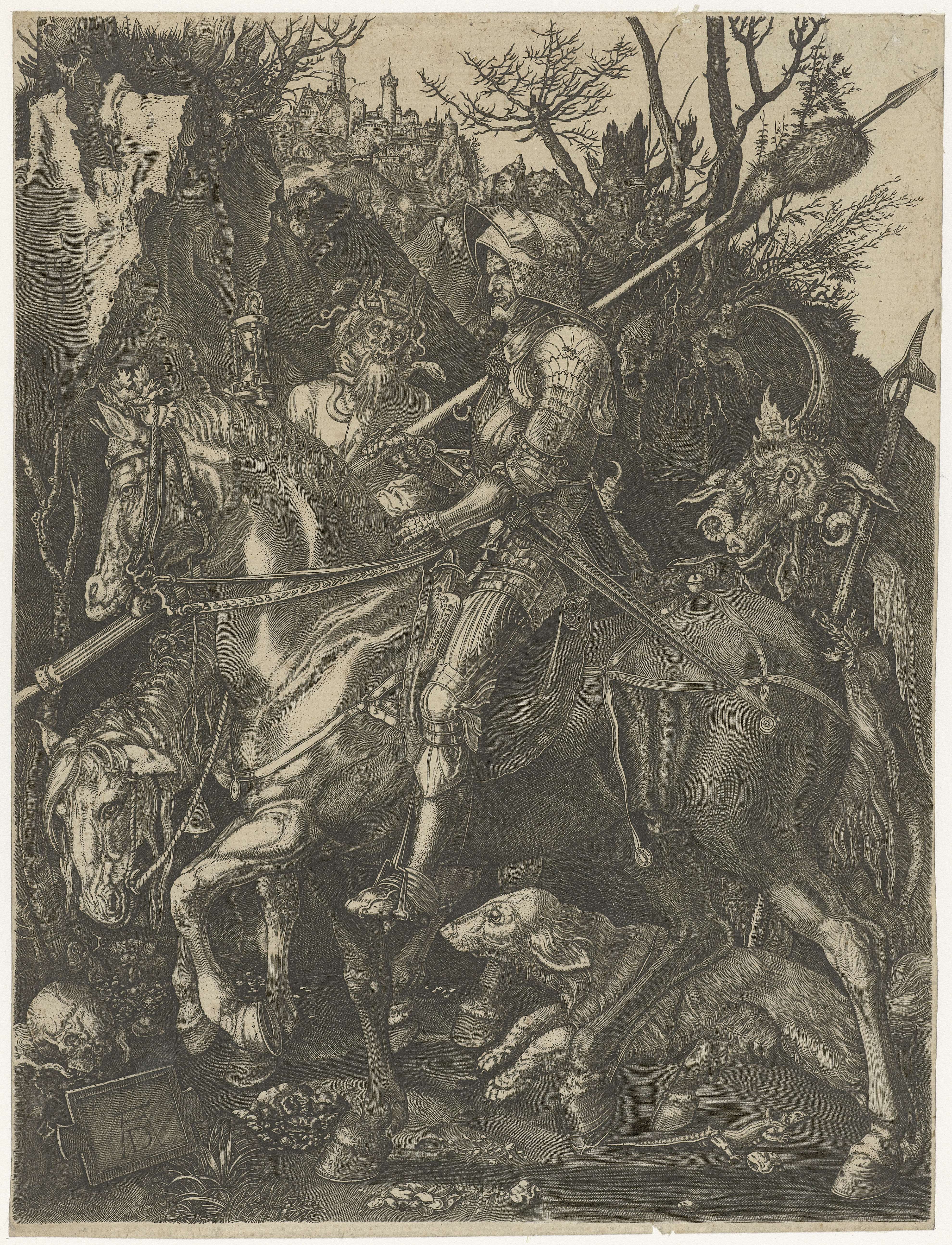
Ridder, Dood en Duivel
Unknown Artist
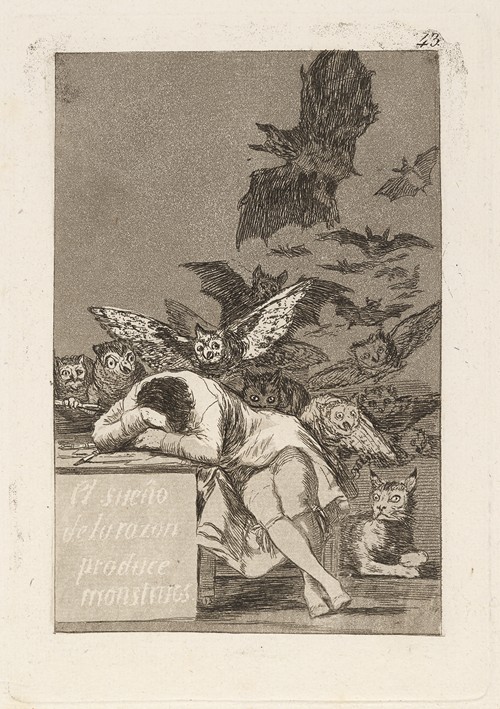
El sueño de la razon produce monstruos. (The sleep of reason produces monsters.)
Francisco de Goya
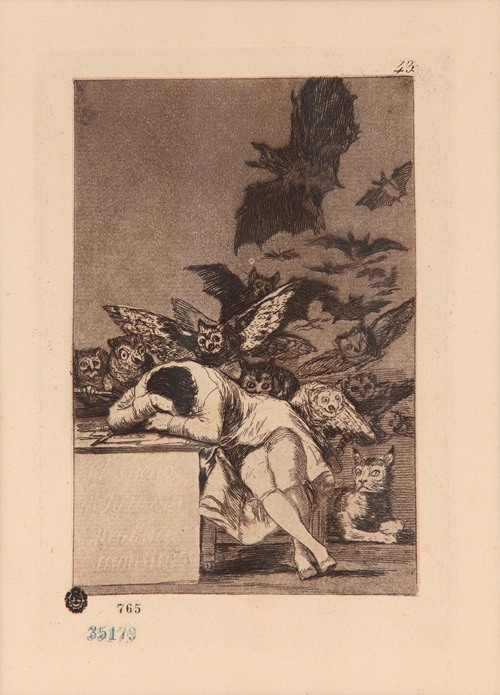
El sueño de la razon produce moustruos (Serie Caprichos)
Francisco de Goya
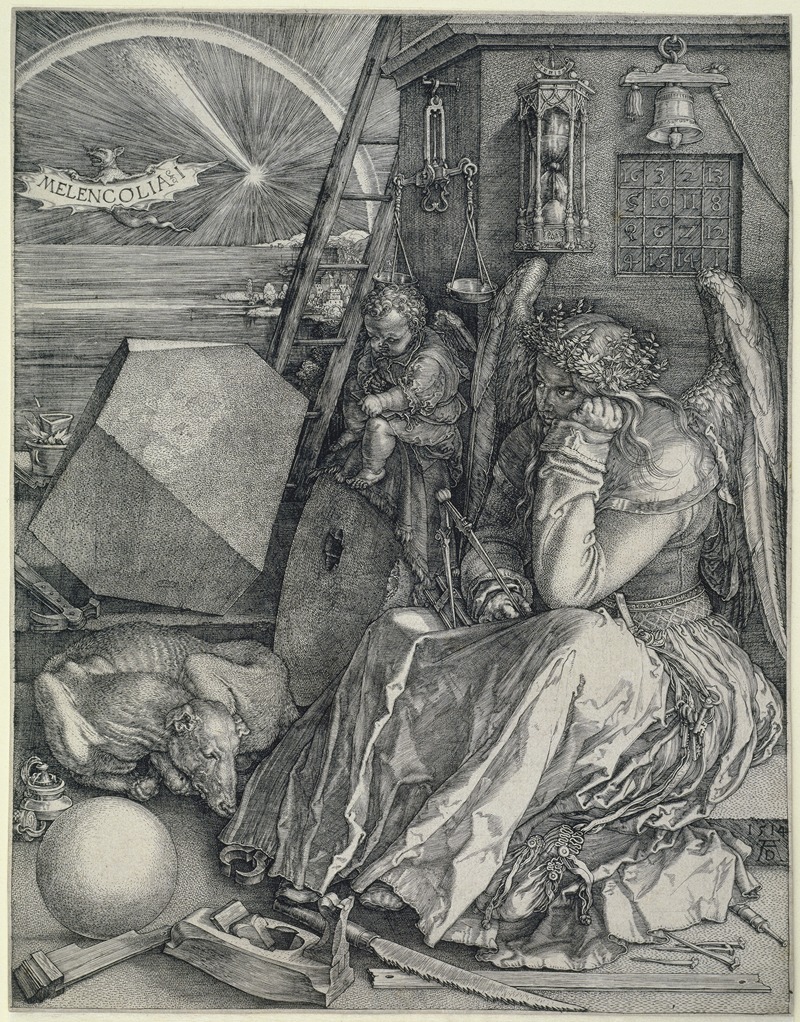
Melencolia I (The Melancholy)
Albrecht Dürer
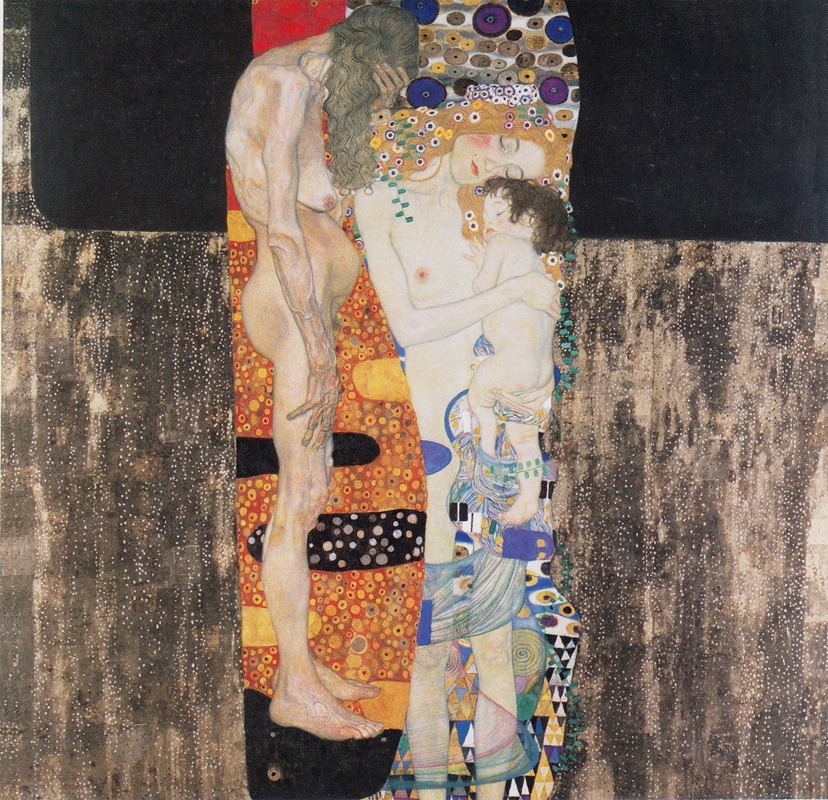
The Three Ages of the Woman
Gustav Klimt