
The Daruma Branch — History & Facts
What first catches the eye in The Daruma Branch is the arch of red Daruma dolls, their rounded forms suspended like a garland above the figure of a child. The child’s gaze is fixed upward, lips parted in wonder or perhaps in the midst of a question, and the entire composition seems to pause at this moment of discovery. The branch curves in a gentle arc, drawing the viewer’s attention from the lower left to the upper right, where the Daruma faces peer out with their characteristic wide eyes and bold brows.
The child’s kimono, rendered in deep black with delicate white and red patterns, anchors the scene, while the soft, almost playful palette of reds and ochres keeps the mood light and intimate. Created in 1910, this work belongs to a world where Western artists like Helen Hyde looked to Japanese visual traditions for inspiration, blending them with their own sensibilities. Hyde, working at a time when Japonisme captivated Europe and America, often depicted children and everyday moments with a gentle lyricism. The Daruma dolls—symbols of perseverance and good fortune in Japanese culture—would have been familiar sights at festivals or in homes, their presence here a nod to both cultural exchange and the universal language of childhood curiosity.
Now held in the Smithsonian American Art Museum, this small print stands as a quiet testament to the crosscurrents of art and tradition in the early twentieth century, inviting the viewer to linger over its details and the world it gently opens.
More Artworks by Helen Hyde

Moonlight on the Viga Canal) - HH (monogram) LCCN0065
Helen Hyde
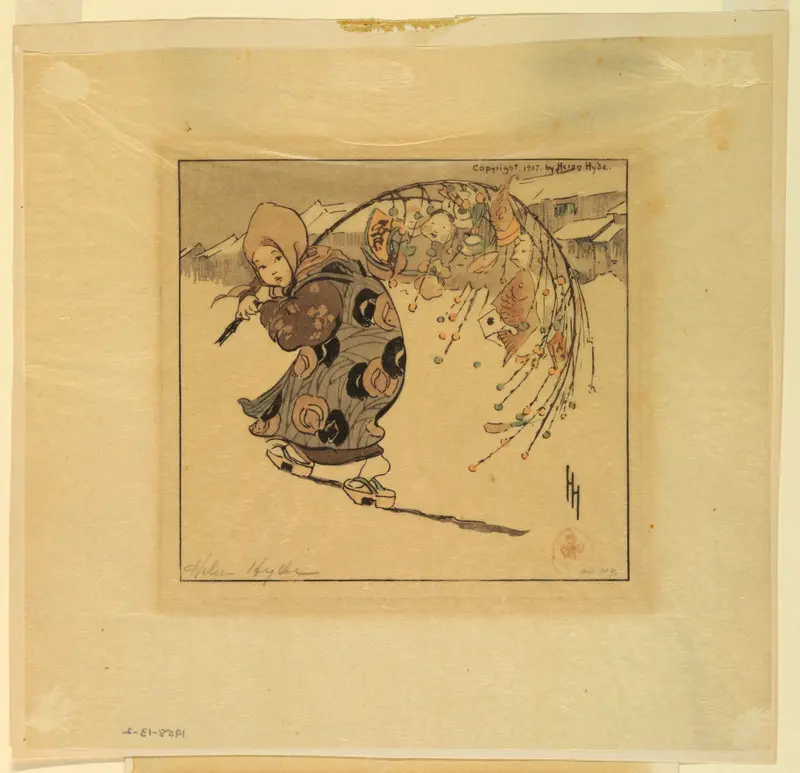
Print, The Good Luck Branch
Helen Hyde
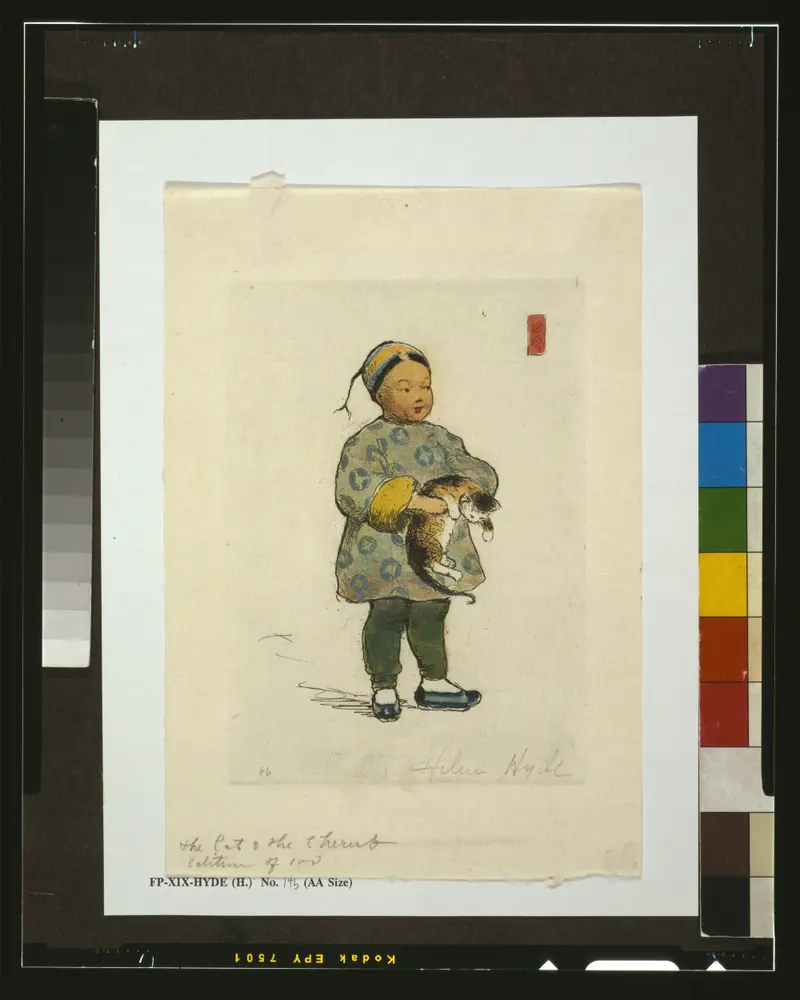
The cat and the cherub LCCN200367
Helen Hyde

Hon(orable Mr) cat - HH (monogram). LCCN200367
Helen Hyde
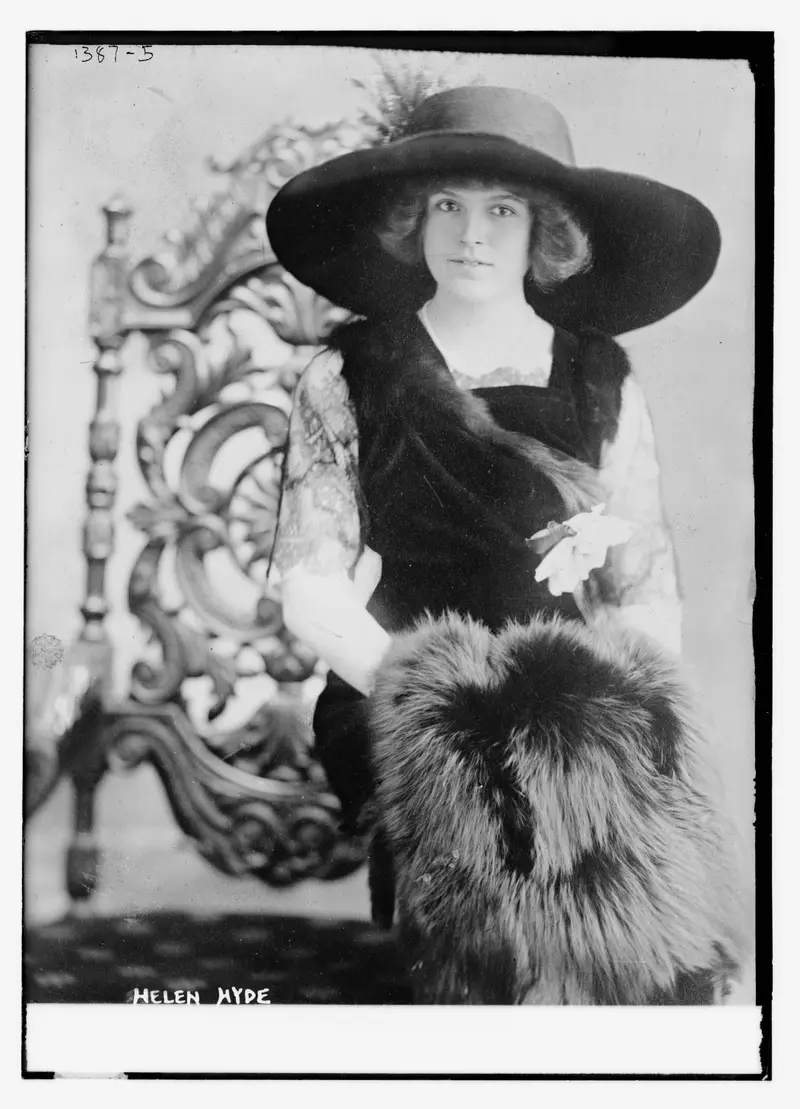
Helen Hyde LCCN201468
Helen Hyde
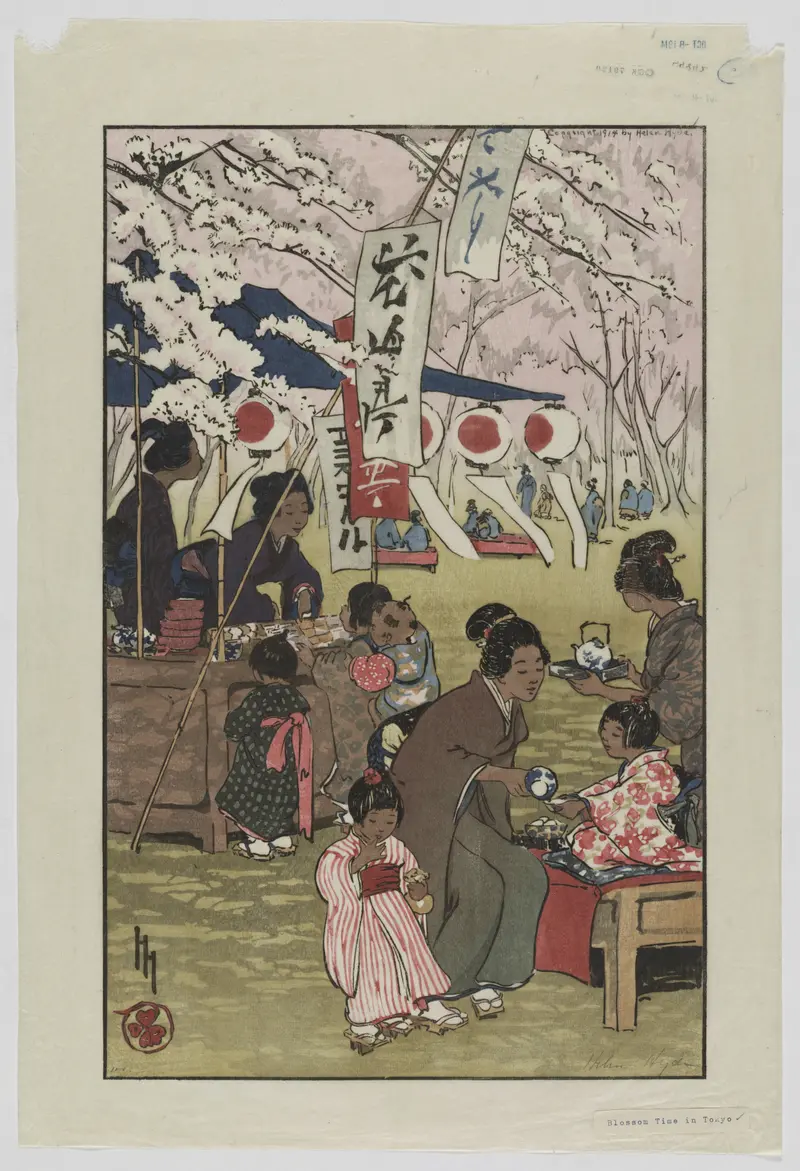
Blossom time in Tokyo) - HH (monogram) LCCN0065
Helen Hyde
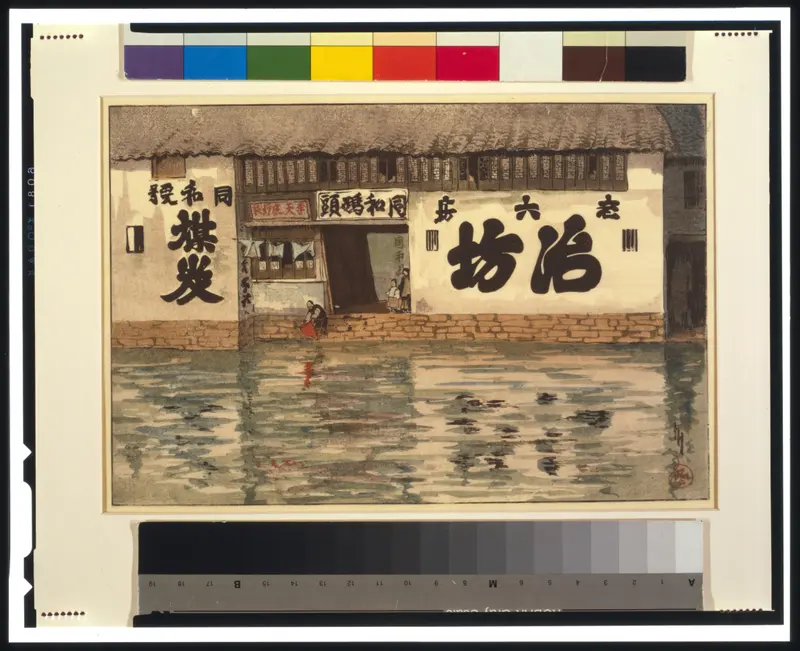
The sauce-pan shop) - HH (monogram) LCCN0065
Helen Hyde

New Year's Day in Tokyo
Helen Hyde
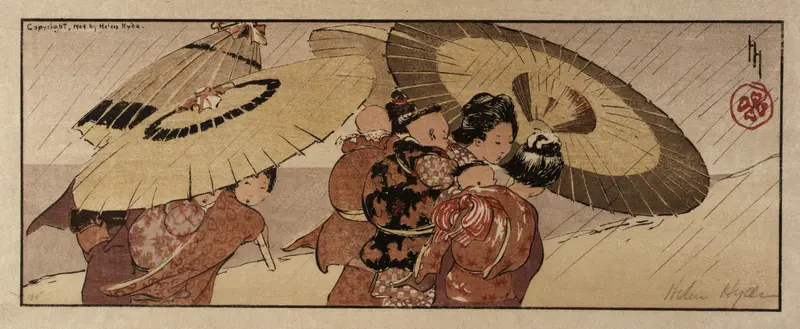
A Summer Shower
Helen Hyde
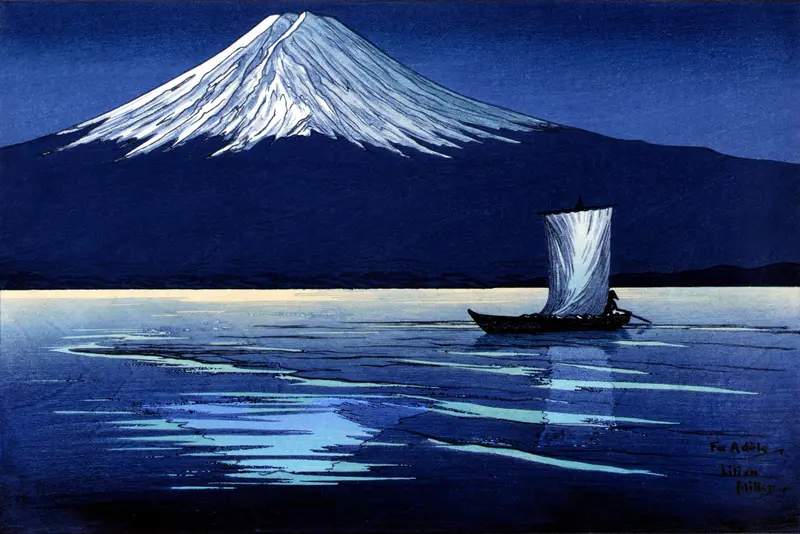
Moonlight on Mt. Fuji
Helen Hyde
More Genre Scene Art

Banquet of the Officers of the St George Civic Guard
Frans Hals

Rembrandt and Saskia in the Scene of the Prodigal Son
Rembrandt van Rijn

Bal du moulin de la Galette
Pierre-Auguste Renoir

Quadrille at the Moulin Rouge
Henri de Toulouse-Lautrec

A Burial at Ornans
Gustave Courbet

When Will You Marry?
Paul Gauguin