
The Defense of Paris — History & Facts
On the freezing morning of January 19, 1871, Paris awoke to the thunder of Prussian artillery, its streets battered and its people starving after four months of siege. It was this moment of desperate resistance, as the city’s National Guard and citizens braced for a final assault, that Gustave Doré immortalized in The Defense of Paris. Unlike many artists who fled, Doré remained in the besieged city, sketching scenes of chaos and courage, and channeling the collective anxiety of a nation on the brink of defeat.
The painting stands as a rare eyewitness testament from an artist better known for his engravings and illustrations than for grand historical canvases. Doré’s composition seizes the viewer at the height of tension: barricades of overturned carts and paving stones slice across the foreground, behind which armed Parisians—men, women, even children—stand shoulder to shoulder. The city’s battered ramparts loom in the distance, half-shrouded by smoke and winter haze, while the tricolor flag flutters defiantly above. A woman in black, her face set with resolve, hands a rifle to a young boy, echoing the spirit of Delacroix’s Liberty Leading the People but with the raw immediacy of lived experience.
The scattered light, filtering through clouds and smoke, falls unevenly on faces and weapons, highlighting both fear and determination. Every gesture and glance in the crowd speaks of a city united in resistance, even as hope fades. The precise journey of The Defense of Paris as an object remains somewhat obscure, as Doré’s large-scale paintings were often overshadowed by his prolific work as an illustrator. It is known that Doré exhibited the work shortly after the war, seeking to capture both public memory and personal trauma, but the painting’s subsequent history—whether it was acquired by a public institution or remained in private hands—is less clear.
Today, it is cited as a rare example of Doré’s engagement with contemporary history, a departure from his usual literary and fantastical subjects. The work stands as a testament to the artist’s versatility and his deep connection to the fate of his city, marking a somber chapter in both Parisian and artistic history.
More Artworks by Gustave Doré

The Deluge
Gustave Doré
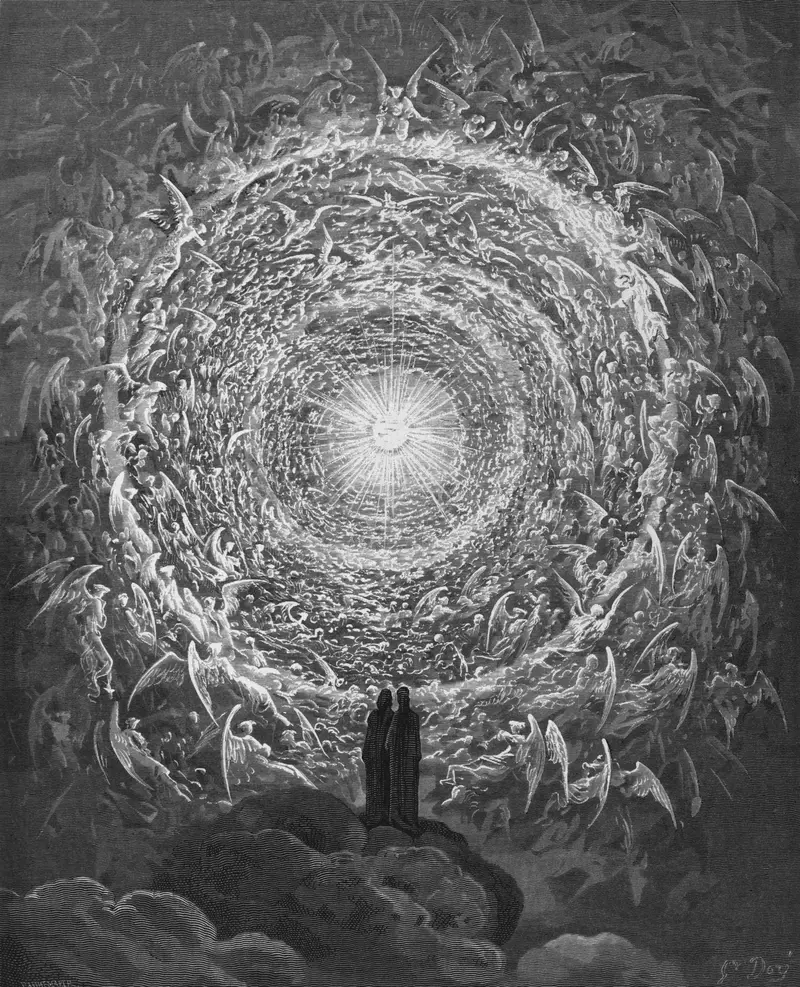
The Empyrean (Paradiso, Canto 31)
Gustave Doré
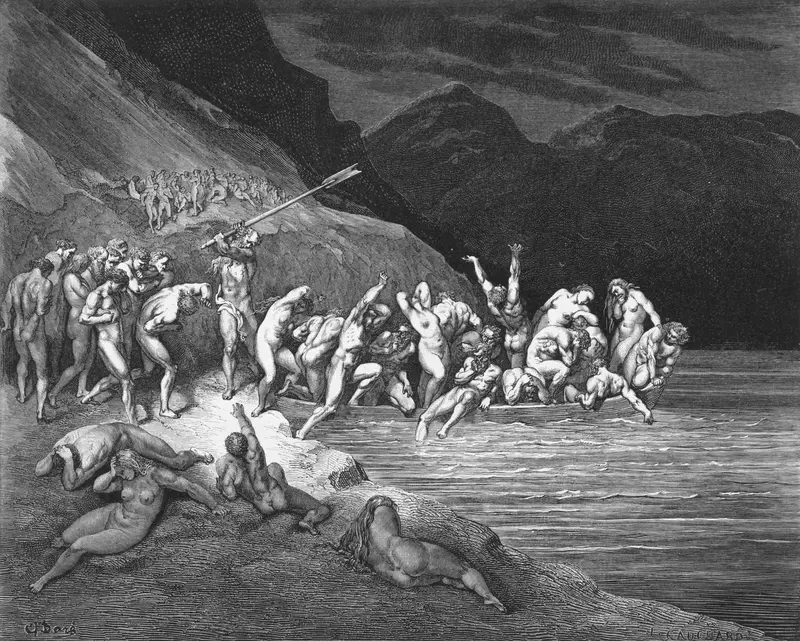
Charon (Inferno, Canto 3)
Gustave Doré
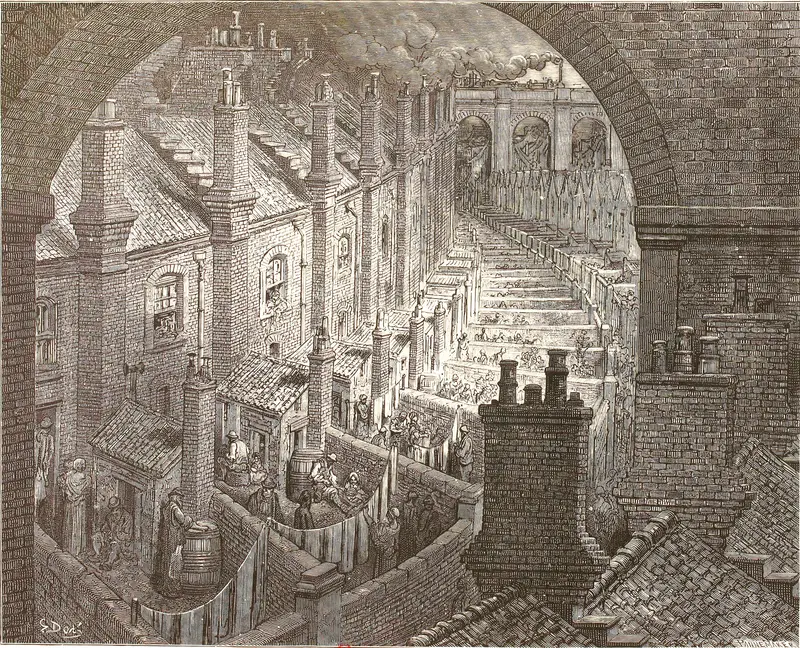
Over London by Rail
Gustave Doré
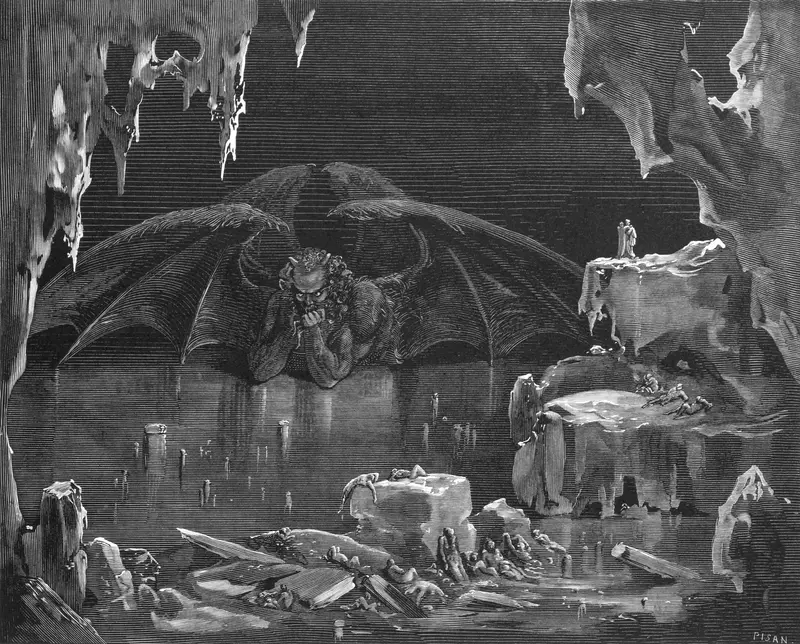
Lucifer, King of Hell
Gustave Doré
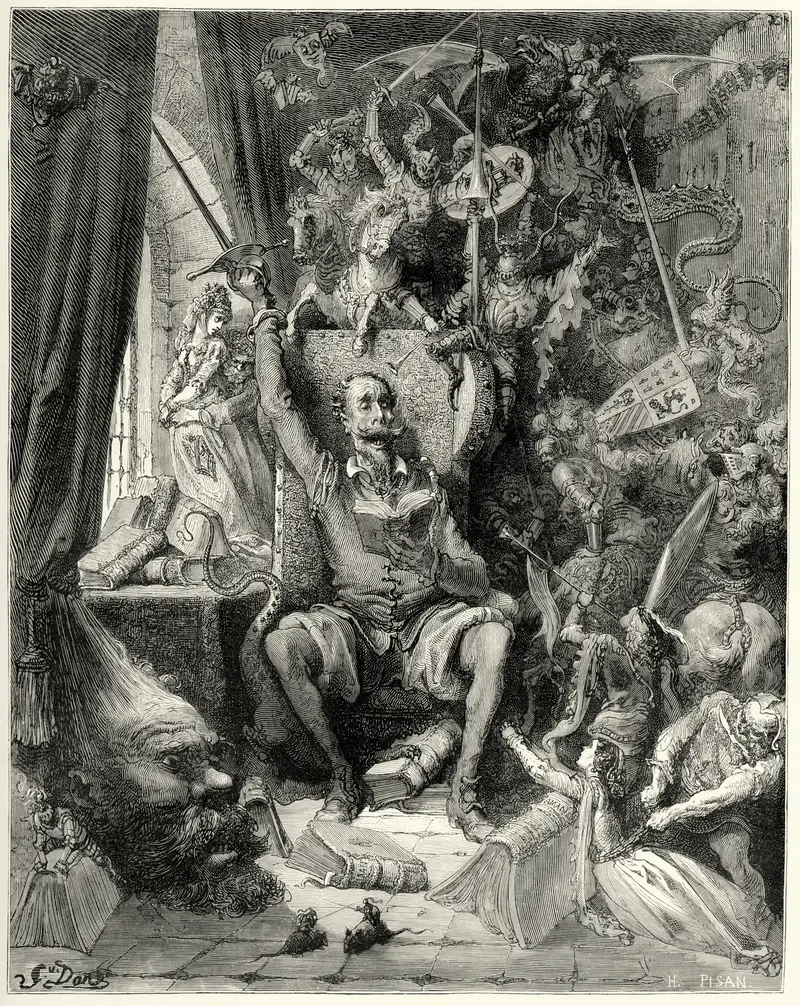
Don Quixote in His Library
Gustave Doré
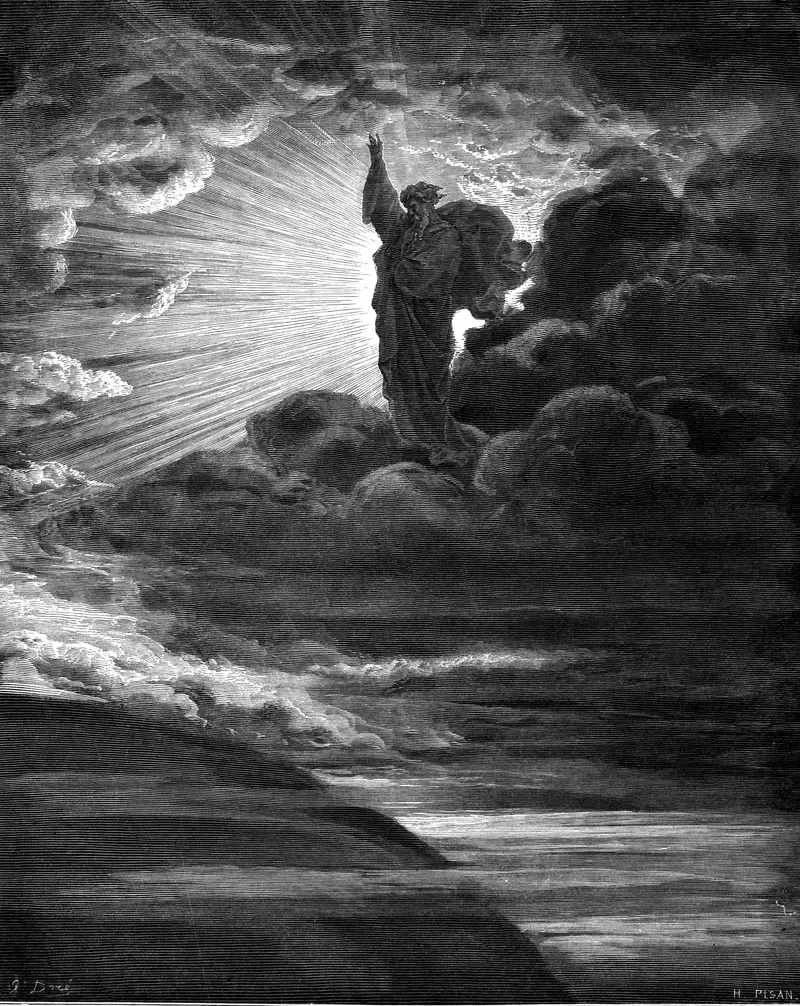
The Creation of Light
Gustave Doré
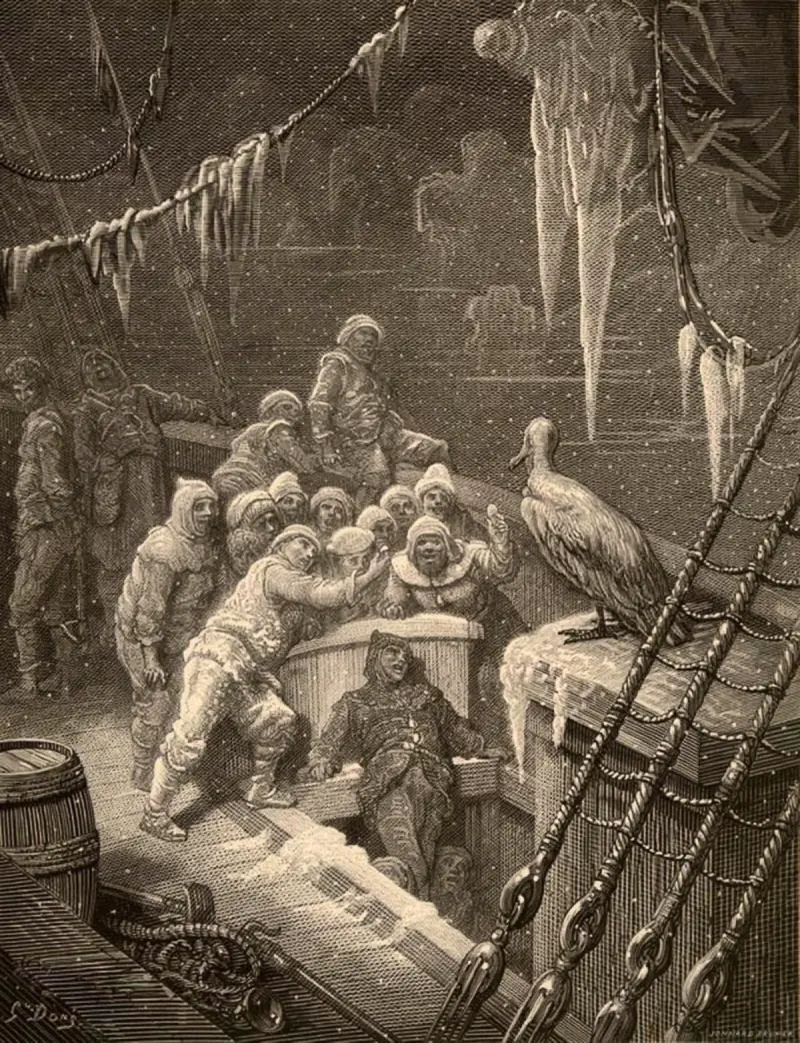
The Albatross (The Rime of the Ancient Mariner)
Gustave Doré
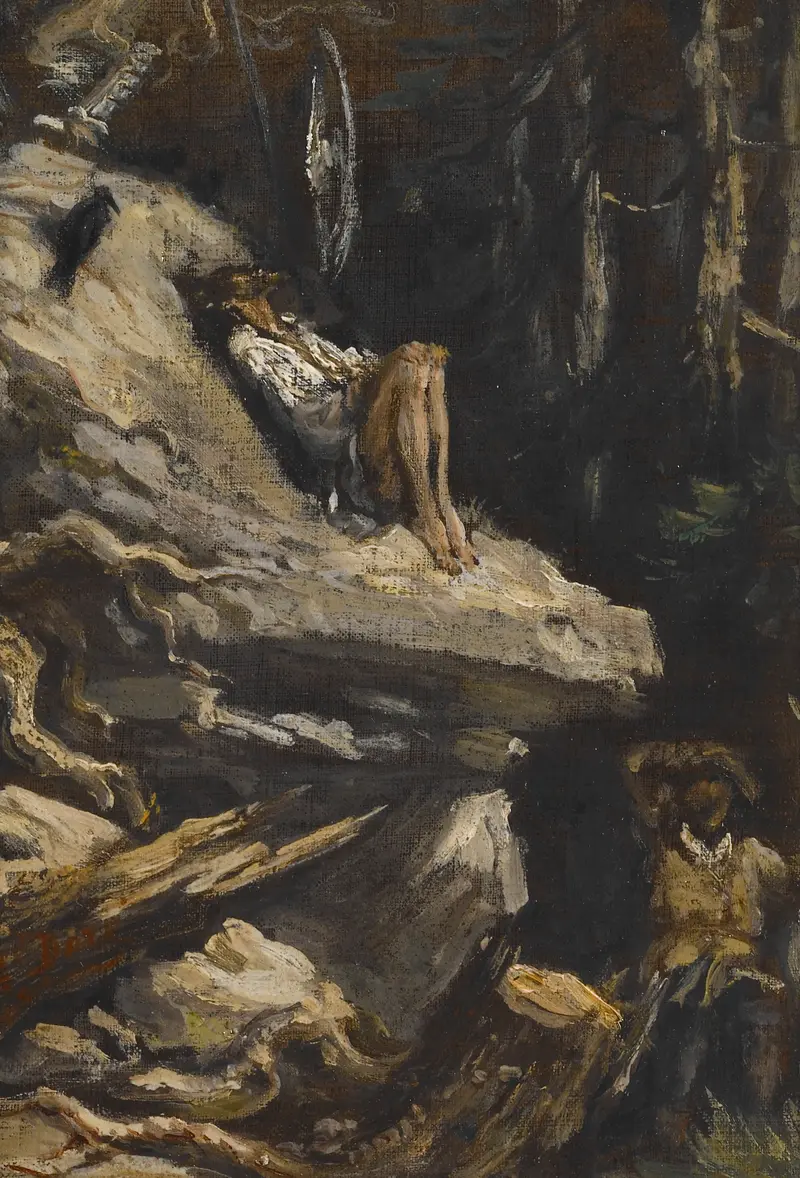
"'Alas!' answered Sancho, 'I found him in his shirt, lean, pale, and almost starved, sighing for his Lady Dulcinea'" from Don Quixote
Gustave Doré
Christ's Entry into Jerusalem
Gustave Doré





