
Virgin and Child, known as the Madonna del Libro — History & Facts
No one knows for certain for whom Pontormo painted his Virgin and Child, known as the Madonna del Libro, or even precisely when it was created, but the painting’s intimate scale and gentle mood have led many to believe it was intended for private devotion rather than a church altar. The work’s nickname, “Madonna del Libro,” comes from the small book cradled in the Virgin’s hand—a detail that has sparked debate among scholars about its symbolic meaning and the artist’s intentions. Unlike the grand, public Madonnas of the High Renaissance, this painting invites the viewer into a quiet, personal encounter with the holy figures. At the heart of the scene, the Virgin Mary sits with the Christ Child on her lap, her gaze lowered to the open book she holds.
The Child, lively and alert, reaches out as if to turn a page or grasp his mother’s hand, blurring the line between play and learning. The book itself is a common symbol of wisdom and prophecy, often interpreted as the Scriptures or the Book of Hours, suggesting Mary’s role as the new Eve and Christ’s destiny. The tender, almost private interaction between mother and son is rendered with Pontormo’s characteristic use of soft, luminous color and elongated forms, recalling the influence of Leonardo da Vinci’s Madonna of the Yarnwinder but with a distinctly Mannerist sensitivity to emotion and movement. The origins and early history of this Pontormo remain uncertain, as no contemporary records of its commission or ownership have survived.
Art historians place it among the artist’s earlier works, noting its balance of Renaissance harmony with emerging Mannerist stylization. Over the centuries, the painting has passed quietly through private collections, escaping the upheavals that displaced so many religious images in Italy. Today, Virgin and Child, known as the Madonna del Libro is recognized as a rare example of Pontormo’s devotional art, cherished for its gentle humanity and subtle innovation within the tradition of Marian imagery.
More Artworks by Pontormo (Jacopo Carucci)
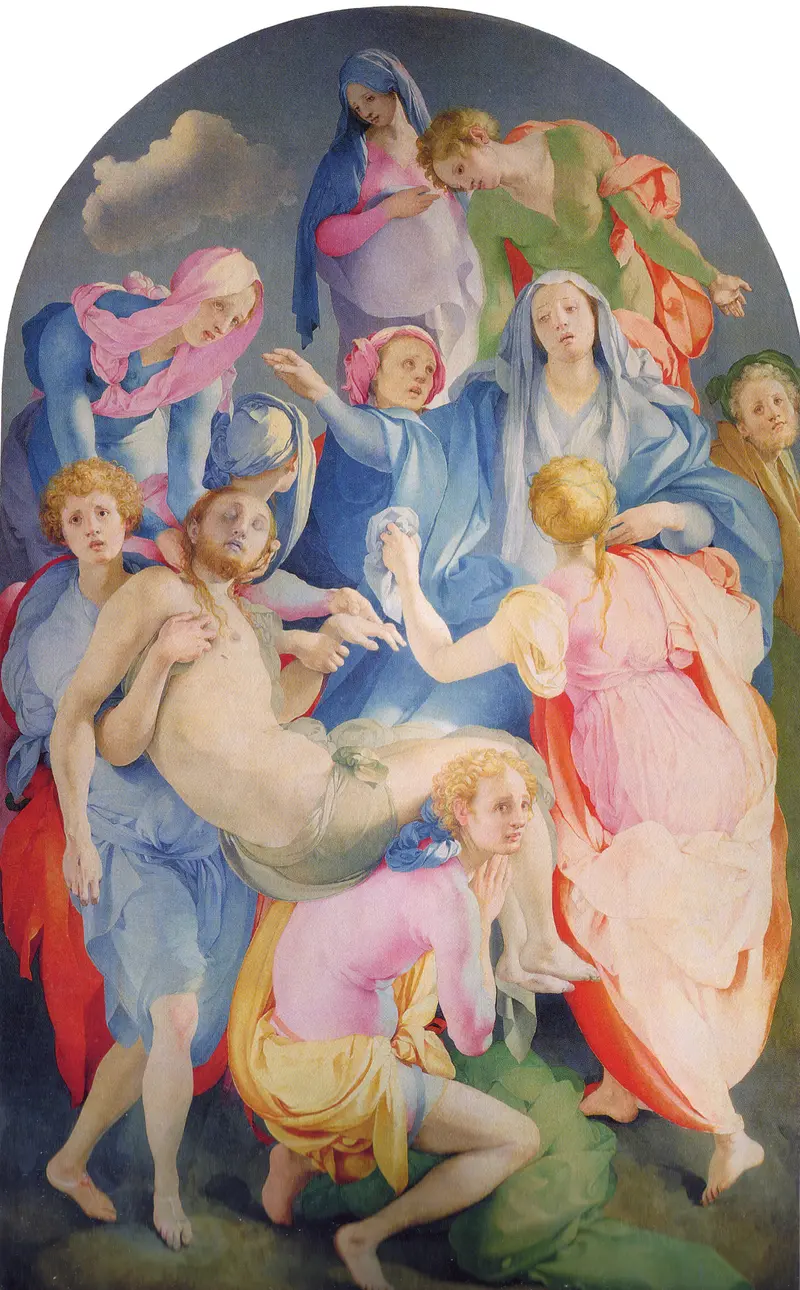
The Deposition from the Cross
Pontormo (Jacopo Carucci)
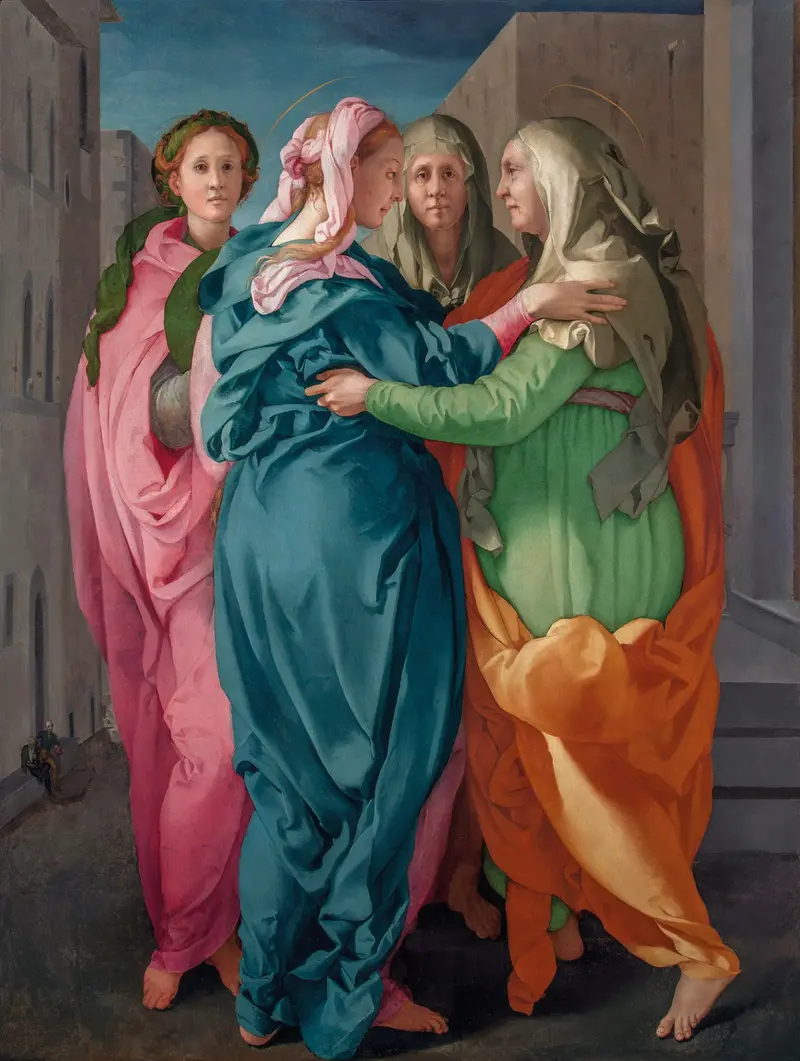
The Visitation (Carmignano)
Pontormo (Jacopo Carucci)
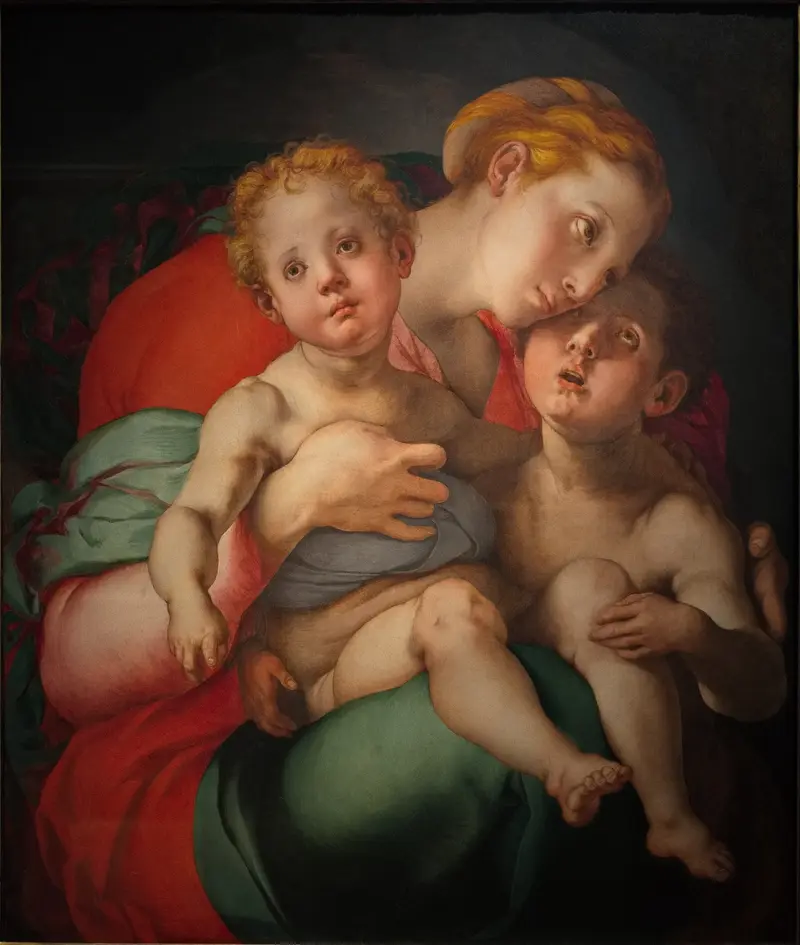
Madonna with Child and the young Saint John
Pontormo (Jacopo Carucci)
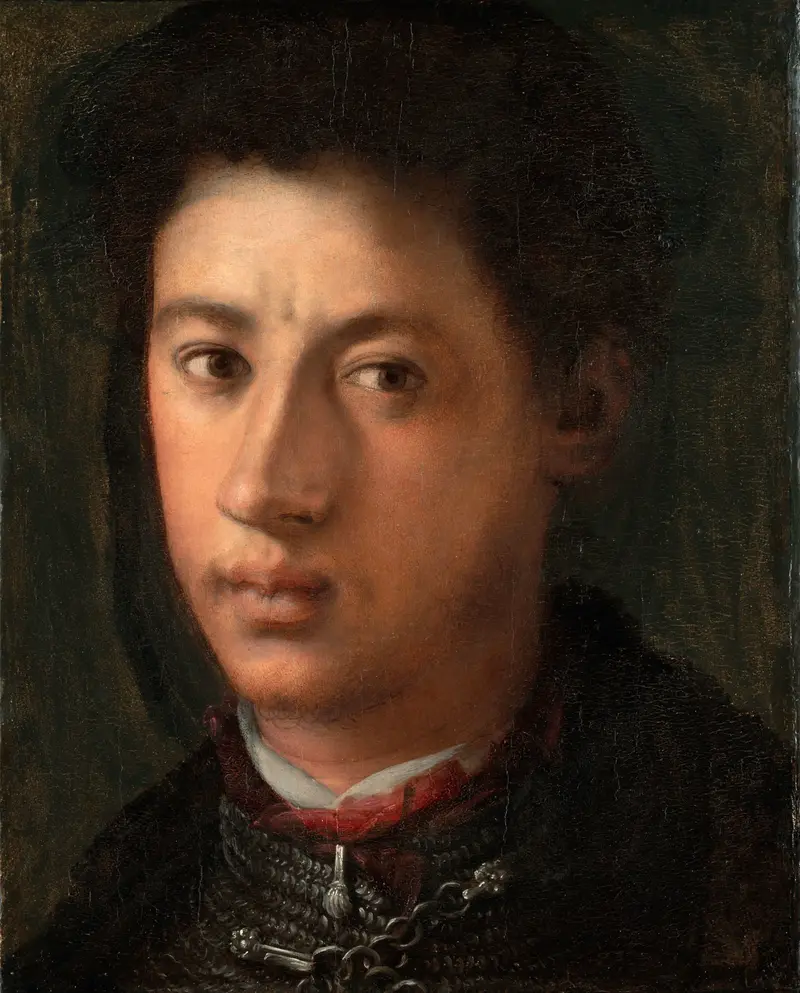
Alessandro de’ Medici
Pontormo (Jacopo Carucci)
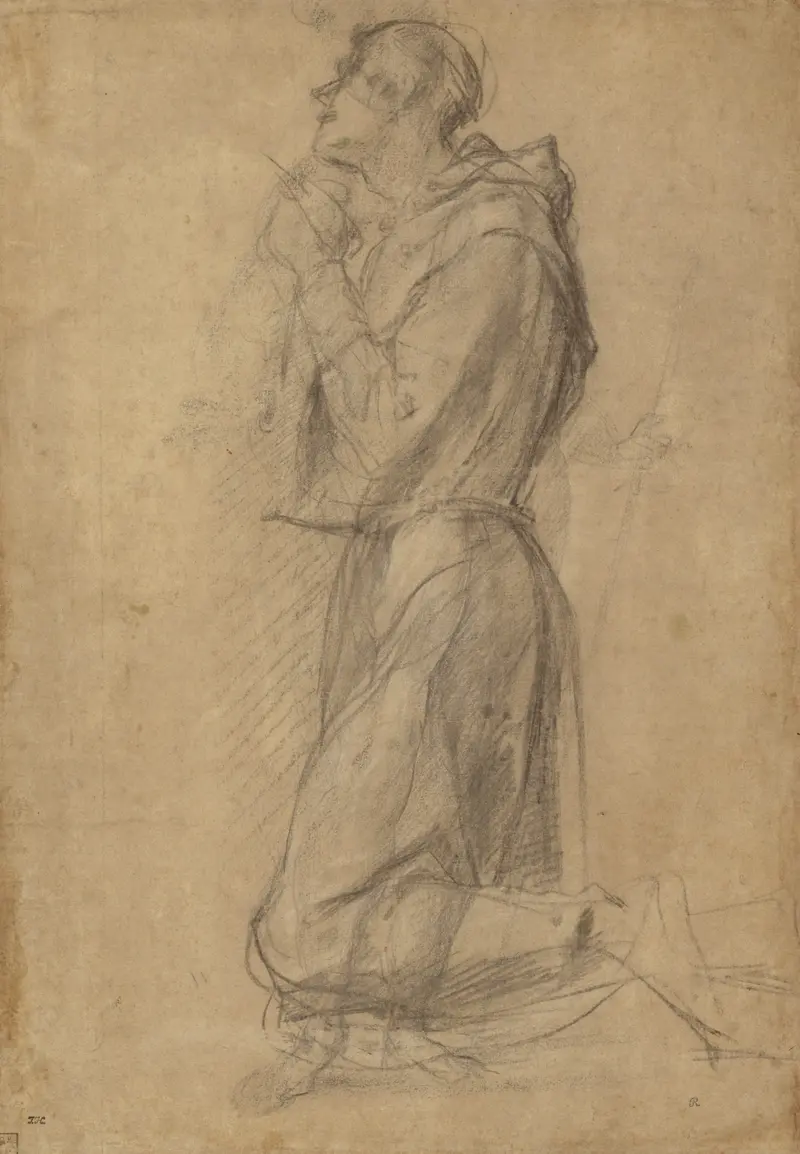
Saint Francis
Pontormo (Jacopo Carucci)
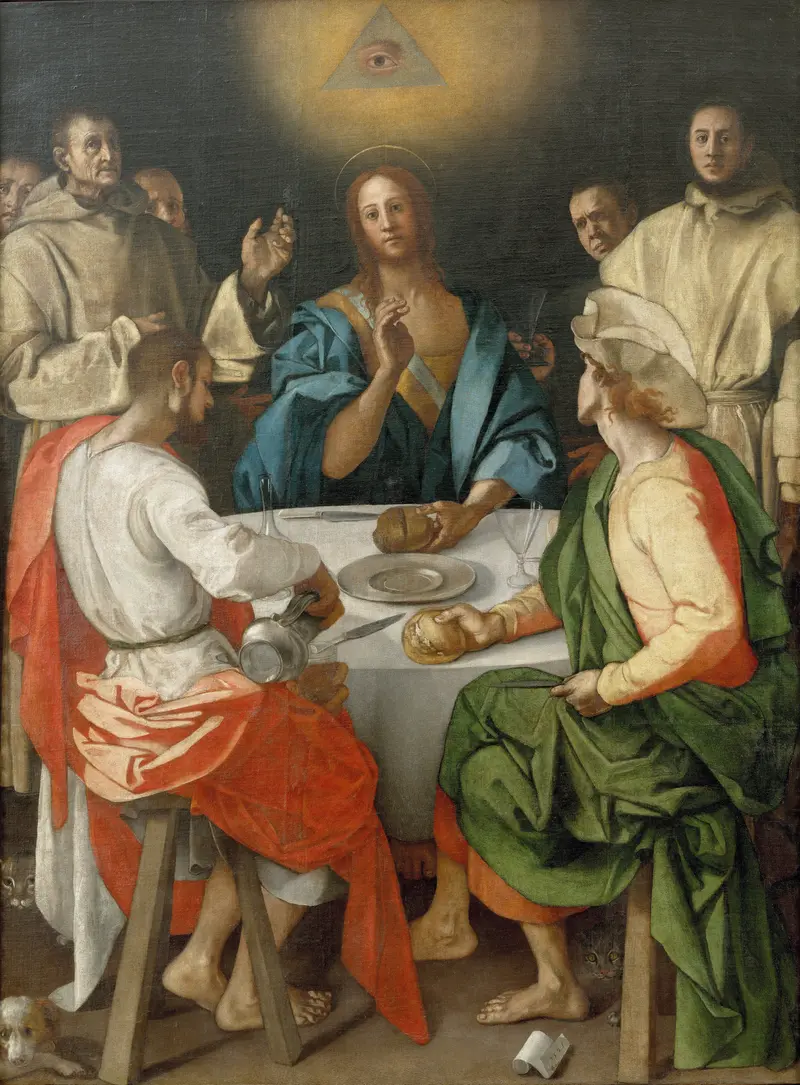
Supper at Emmaus
Pontormo (Jacopo Carucci)
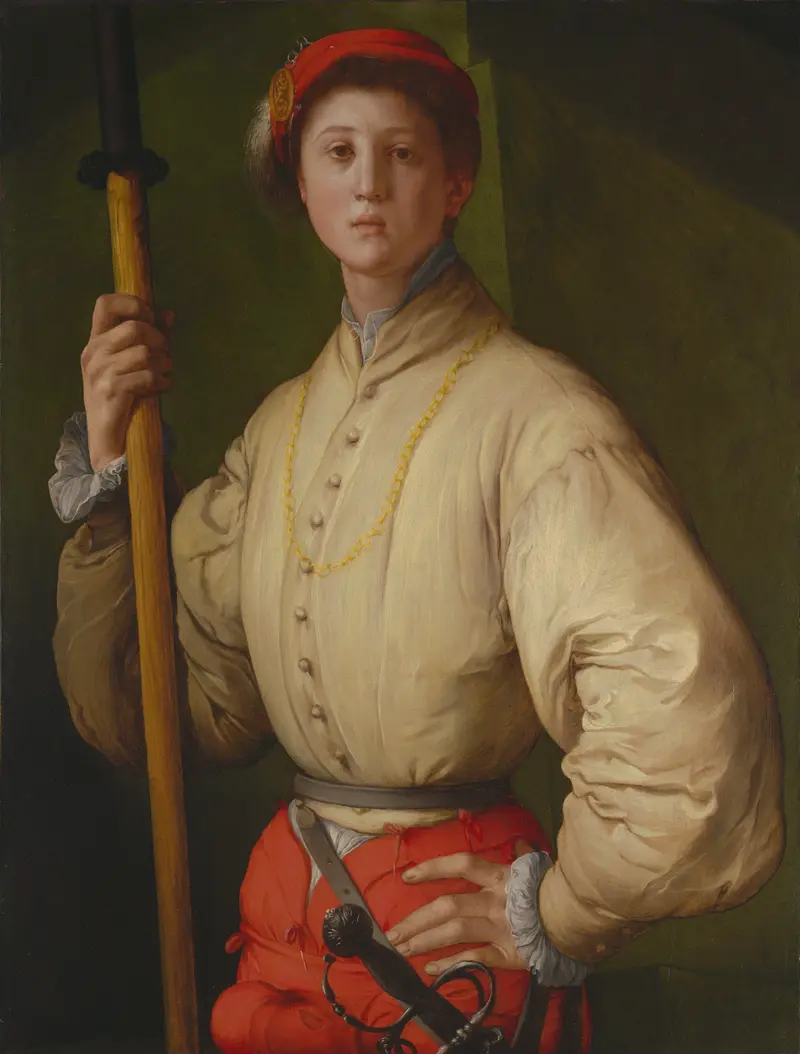
Portrait of a Halberdier
Pontormo (Jacopo Carucci)
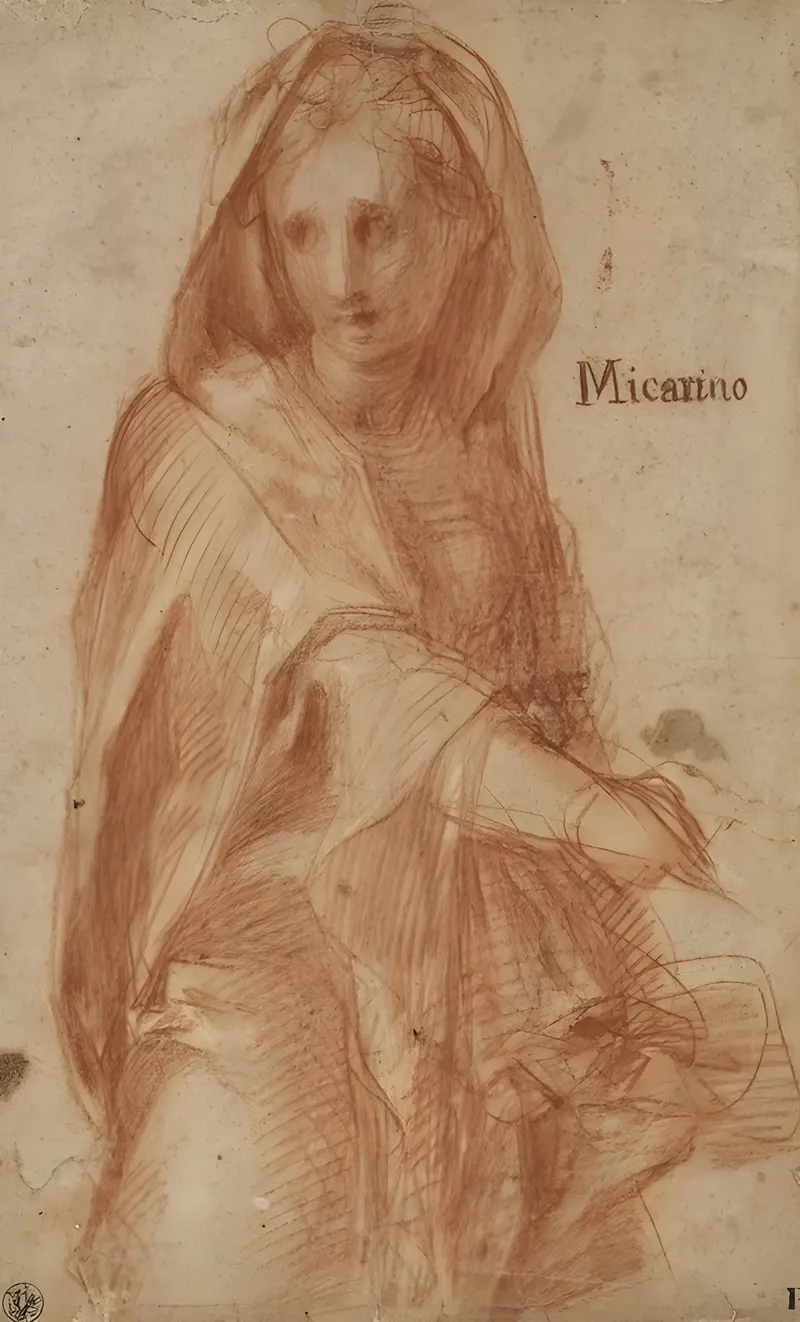
Female figure with covered head (study for a figure in the fresco of the Visitation in Santissima Annunziata)
Pontormo (Jacopo Carucci)
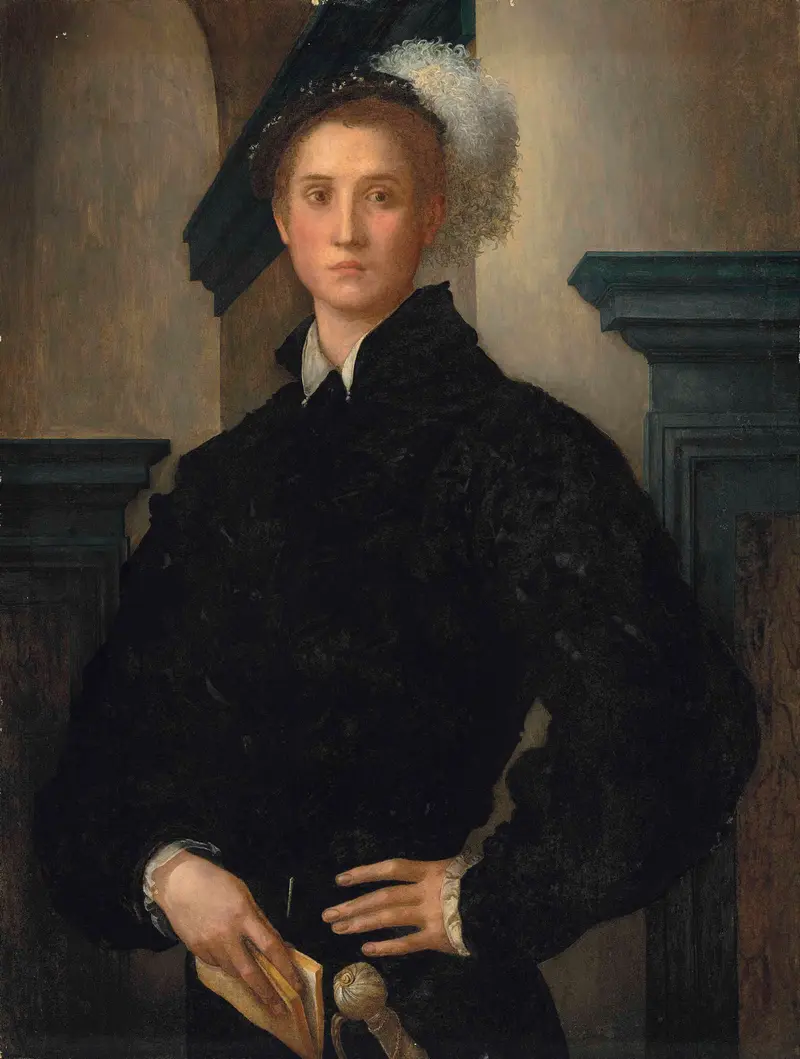
Portrait Of Cosimo I De Medici
Pontormo (Jacopo Carucci)
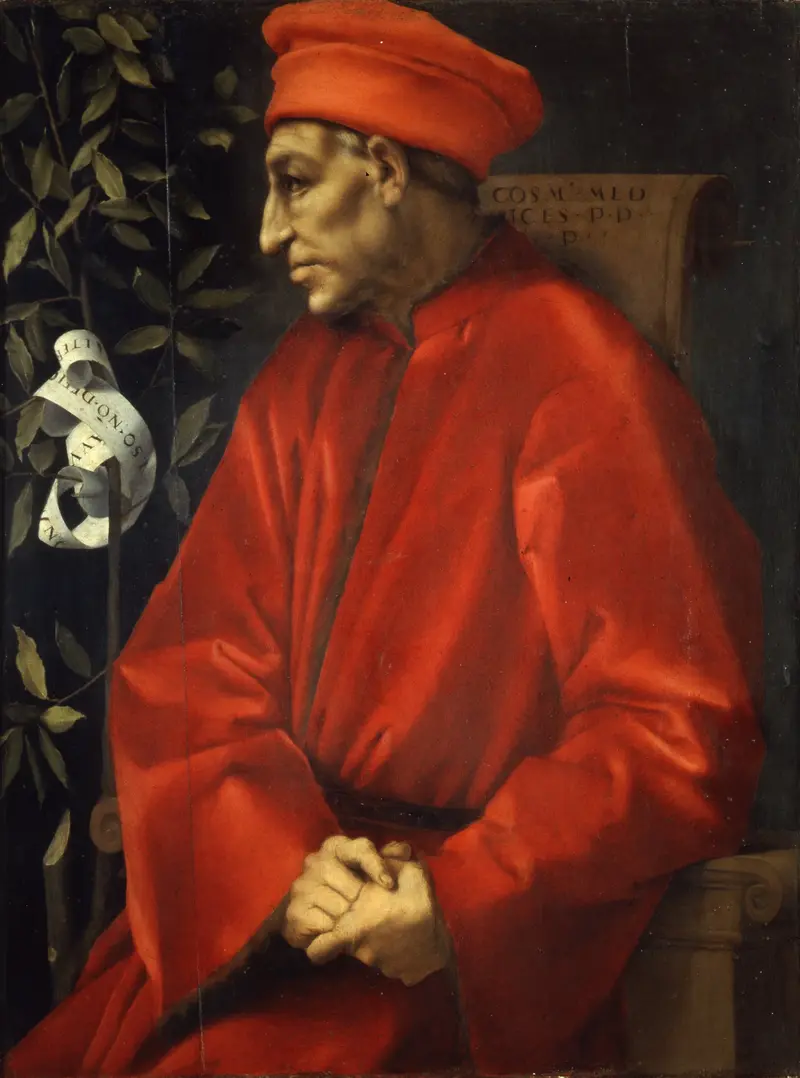
Portrait of Cosimo de’ Medici the Elder
Pontormo (Jacopo Carucci)





