The Doorway — History & Facts
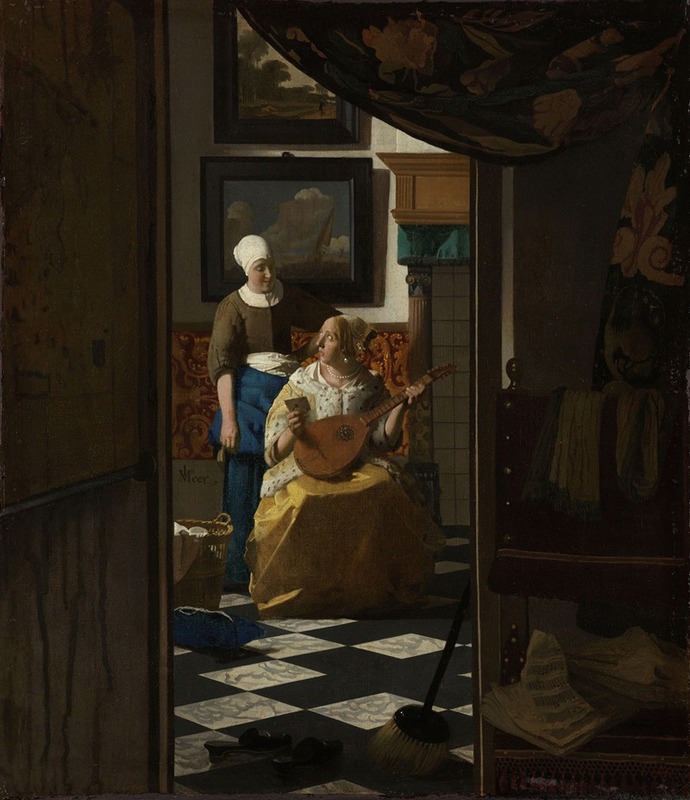
When did color learn to lie? As hues bend and shift, the emotional landscape of a doorway transcends its physical presence, beckoning the viewer into a realm of both longing and revelation. Look to the deep, rich blues and velvety blacks that dominate the canvas, creating an enveloping atmosphere. The doorway itself is framed with delicate strokes that invite you to peer into its depths. Notice how the flickering light dances against the textured surfaces, as if whispering secrets of the world beyond.
The contrast between shadow and illumination enhances the sense of mystery, compelling the eye to explore every crevice and corner. Within this seemingly simple composition lies a wealth of emotional tension. The doorway symbolizes transition and possibility, yet the surrounding darkness hints at the unknown that lies ahead. There’s a palpable sense of yearning — could it lead to joy or despair? The juxtaposition of light and dark mirrors the duality of experience, creating a profound moment of introspection that resonates deeply within the viewer's soul. In 1879, Whistler created this work during a period of artistic exploration, while living in London.
His innovative approaches to color and composition were challenging conventional methods, as he focused on the emotional and aesthetic qualities of art rather than strict representation. This piece reflects his fascination with atmospheric effects, capturing a moment that resonates with the complexities of life and art in an ever-changing world.
More Artworks by James Abbott McNeill Whistler
Browse all →
Nocturne in Blue and Silver
James Abbott McNeill Whistler
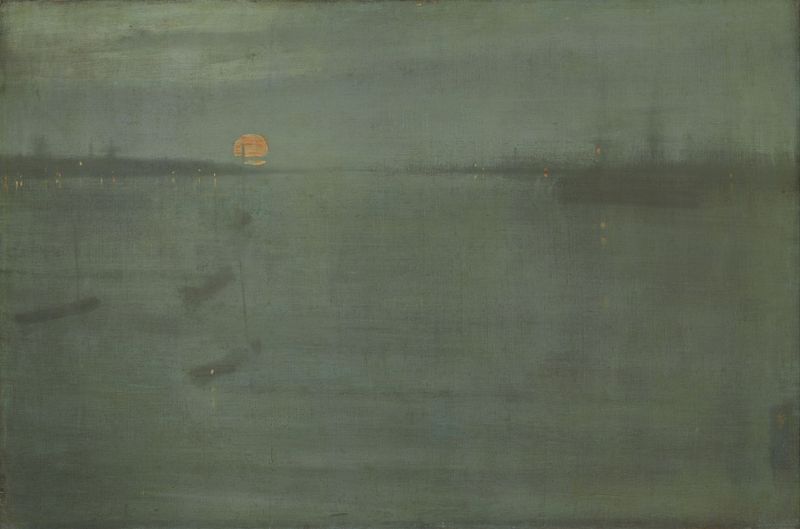
Nocturne: Blue and Gold–Southampton Water
James Abbott McNeill Whistler
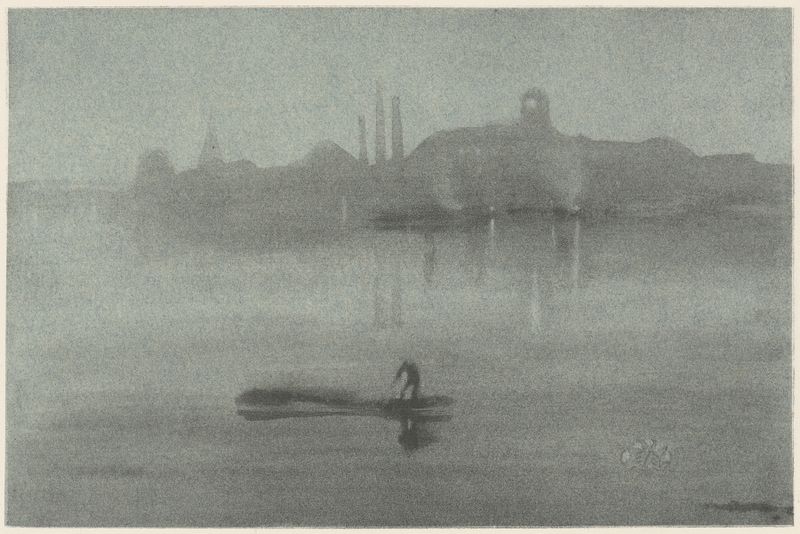
Nocturne
James Abbott McNeill Whistler
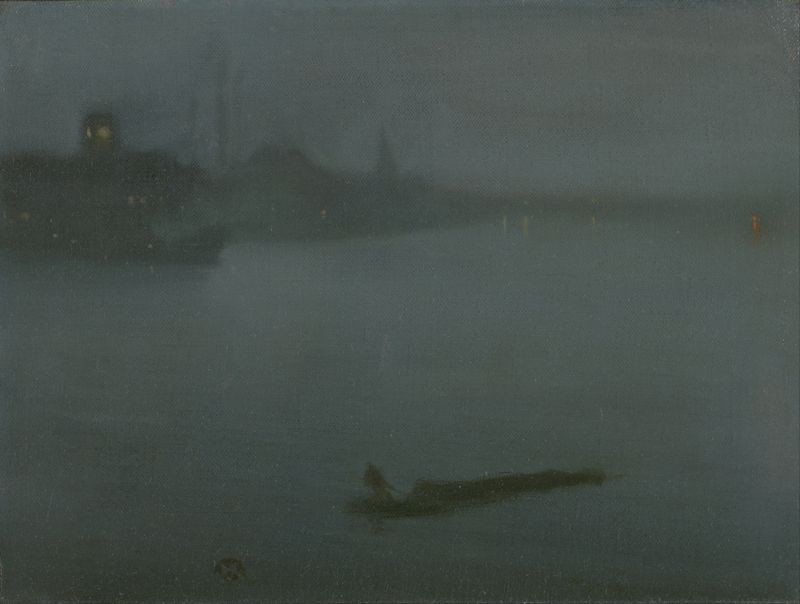
Nocturne in Blue and Silver
James Abbott McNeill Whistler
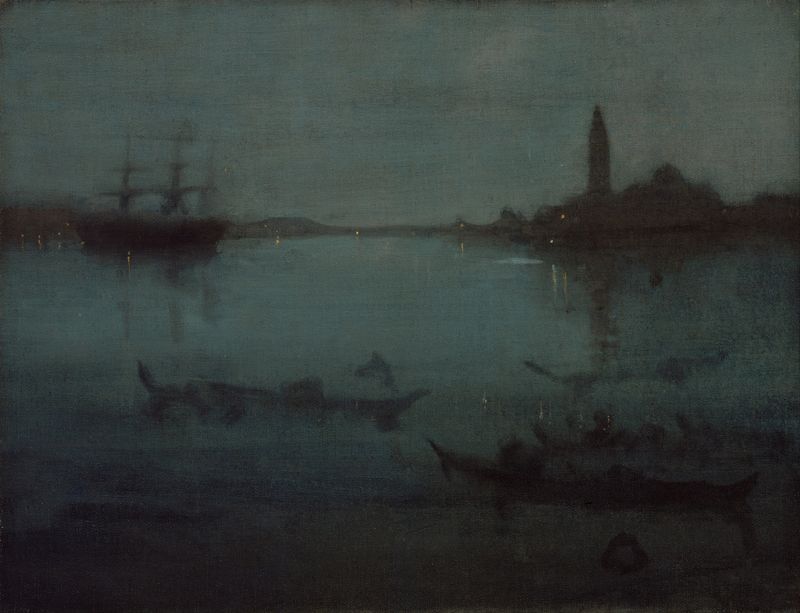
Nocturne in Blue and Silver- The Lagoon, Venice
James Abbott McNeill Whistler
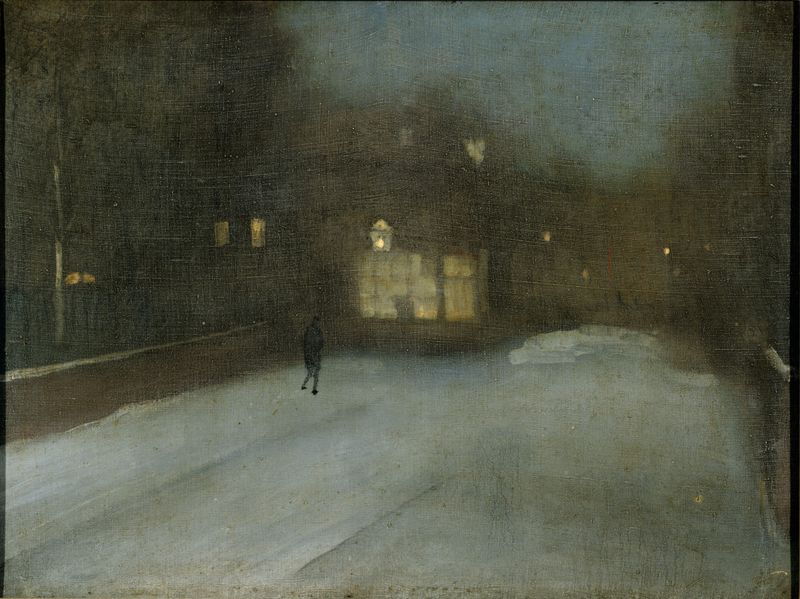
Nocturne in Grey and Gold: Chelsea Snow
James Abbott McNeill Whistler
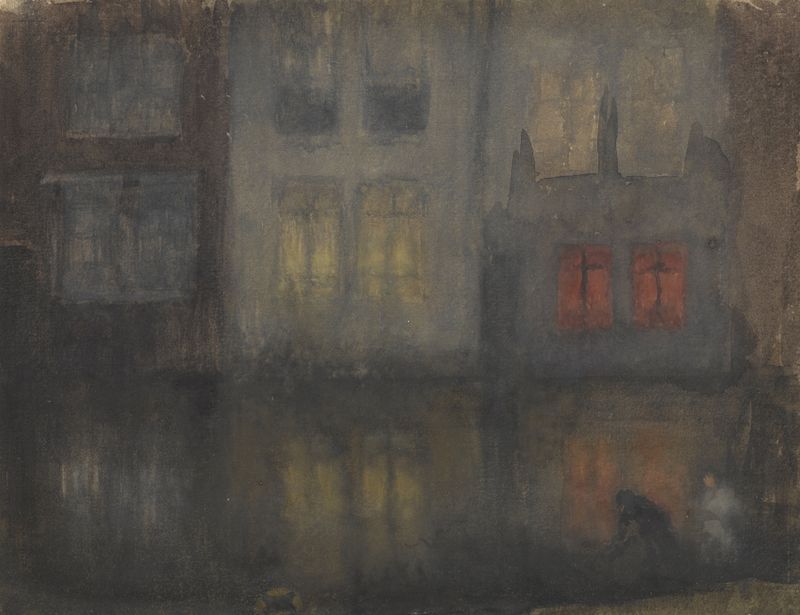
Nocturne: Black and Red—Back Canal, Holland
James Abbott McNeill Whistler
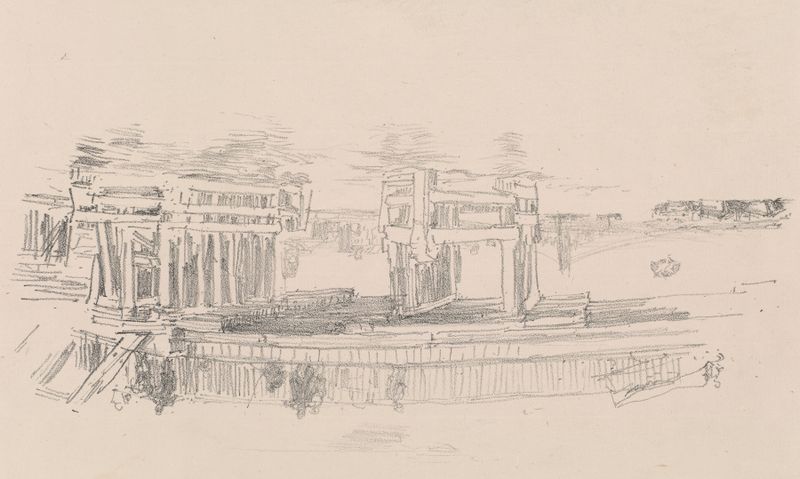
Old Battersea Bridge
James Abbott McNeill Whistler

Nocturne: Blue and Silver–Battersea Reach
James Abbott McNeill Whistler
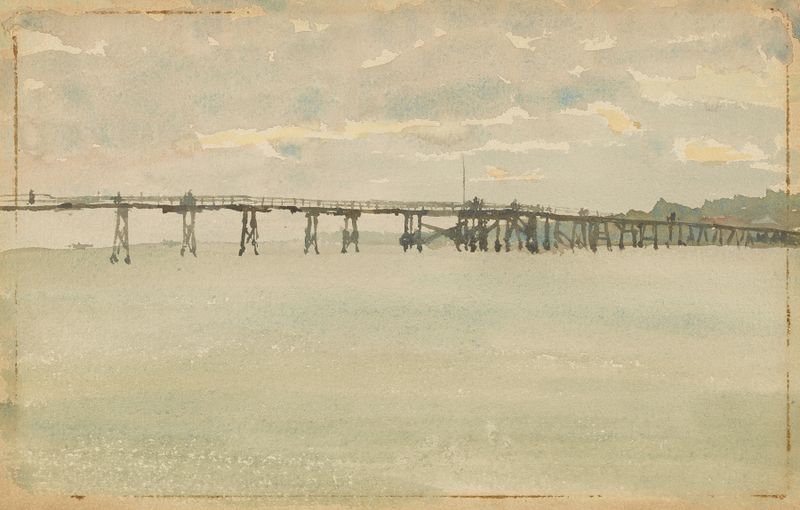
Grey and Silver–Pier, Southend
James Abbott McNeill Whistler