The Doorway — History & Facts
In the quiet tension of The Doorway, the viewer is invited to confront the boundaries of memory and the weight of unspoken betrayal. Look to the deep, shadowy entrance that dominates the canvas, where the muted tones of ochre and grey coalesce in a somber embrace. The subtle gradation of light hints at a world beyond, both inviting and foreboding. Notice how the delicate play of light dances along the threshold, highlighting the textured wall, while the door itself remains slightly ajar—an invitation that simultaneously evokes feelings of uncertainty and longing. The doorway serves as a powerful metaphor for transitions and the choices we make; it stands delicately between two worlds, reflecting a moment suspended in time.
There is a palpable sense of absence; the viewer cannot see who or what lies beyond, creating an emotional tension rooted in the unknown. This ambiguity may resonate with feelings of betrayal, as the door symbolizes not just opportunity, but also separation from what once was. Created during a period of personal turmoil for the artist, The Doorway emerged between 1879 and 1880 as Whistler navigated the complexities of his relationships and artistic identity. Living in London, he was deeply influenced by the aesthetic movement, which sought to marry beauty with emotional depth.
This piece, imbued with the weight of his experiences, captures the essence of a moment that is both intimate and estranged, reflecting the conflicted nature of memory itself.
More Artworks by James Abbott McNeill Whistler
Browse all →
Nocturne in Blue and Silver
James Abbott McNeill Whistler
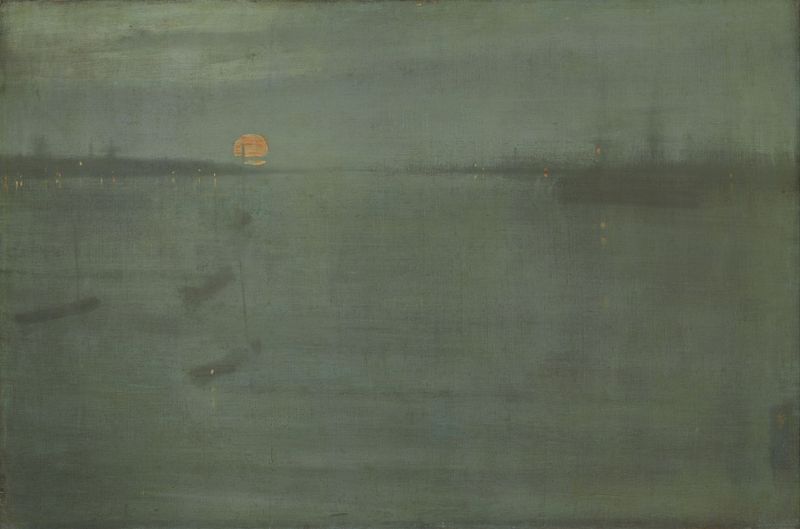
Nocturne: Blue and Gold–Southampton Water
James Abbott McNeill Whistler
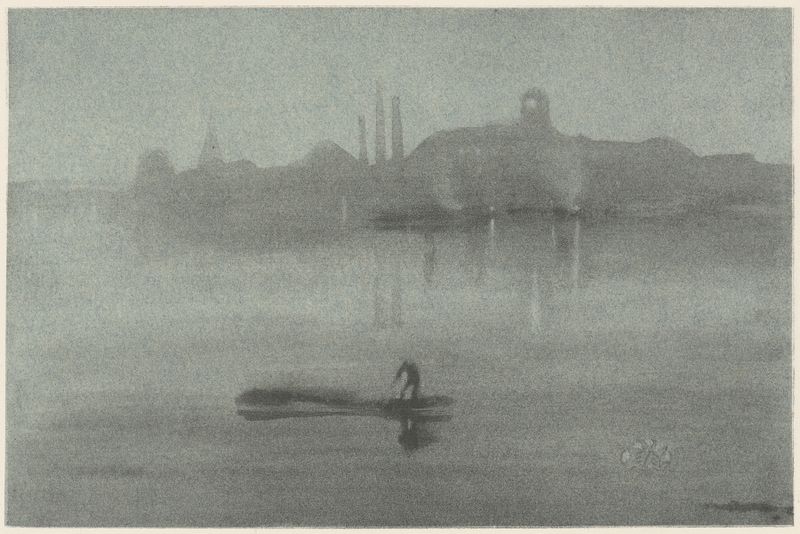
Nocturne
James Abbott McNeill Whistler
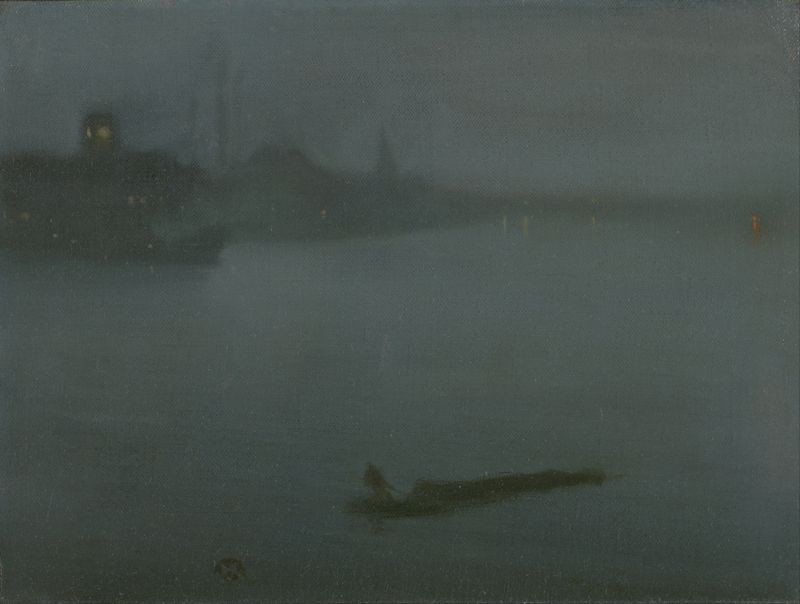
Nocturne in Blue and Silver
James Abbott McNeill Whistler
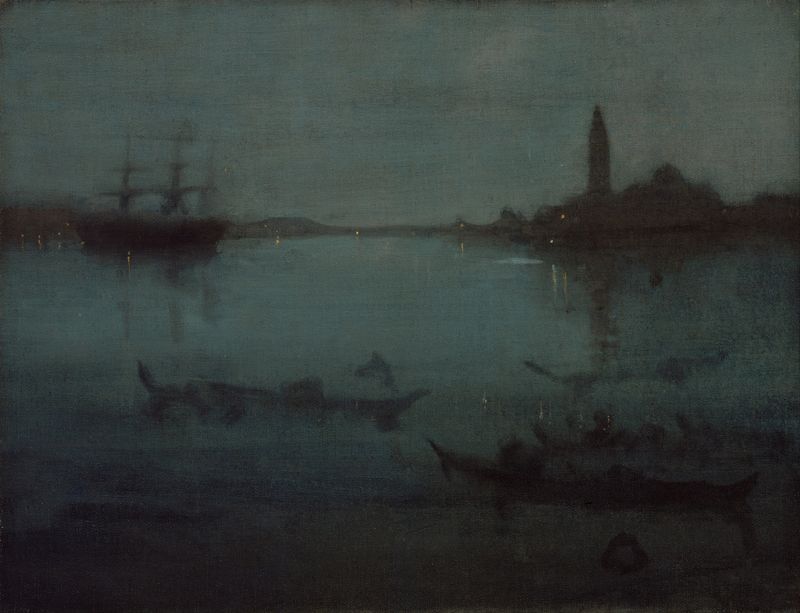
Nocturne in Blue and Silver- The Lagoon, Venice
James Abbott McNeill Whistler
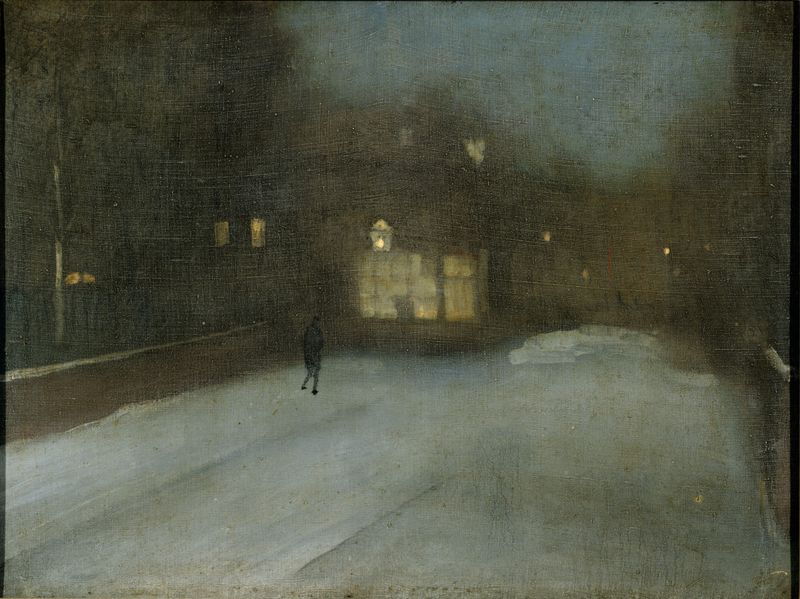
Nocturne in Grey and Gold: Chelsea Snow
James Abbott McNeill Whistler
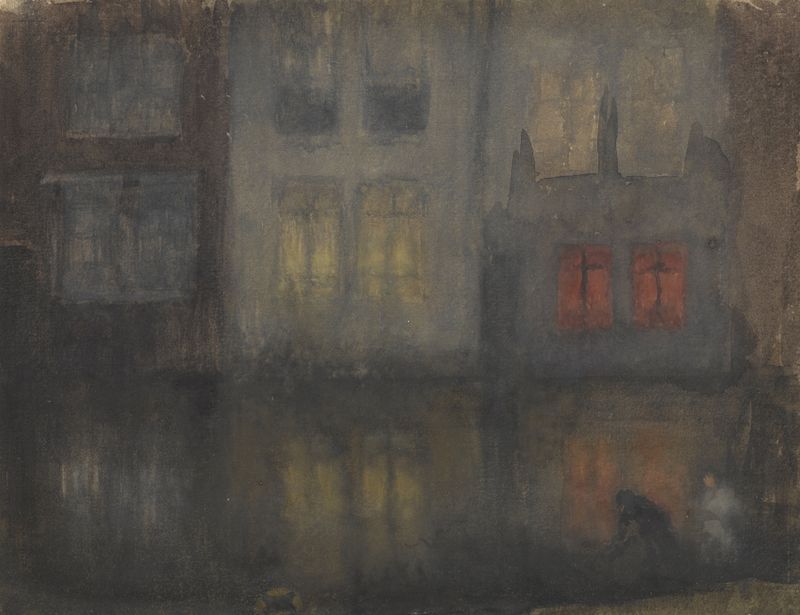
Nocturne: Black and Red—Back Canal, Holland
James Abbott McNeill Whistler
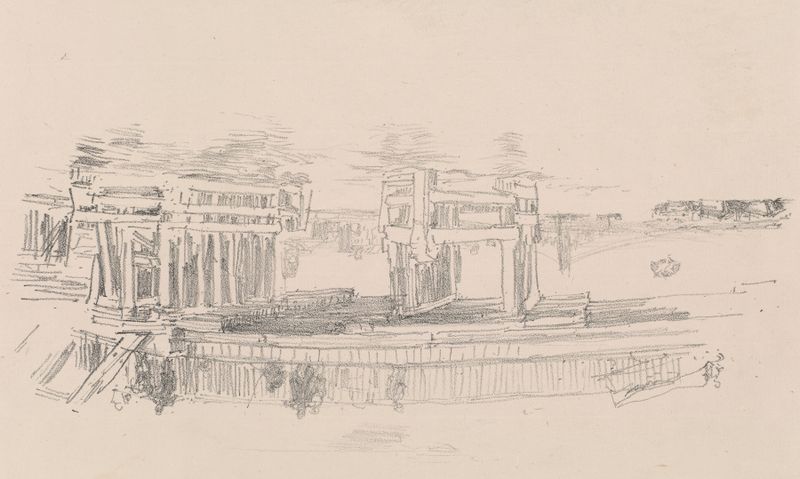
Old Battersea Bridge
James Abbott McNeill Whistler

Nocturne: Blue and Silver–Battersea Reach
James Abbott McNeill Whistler
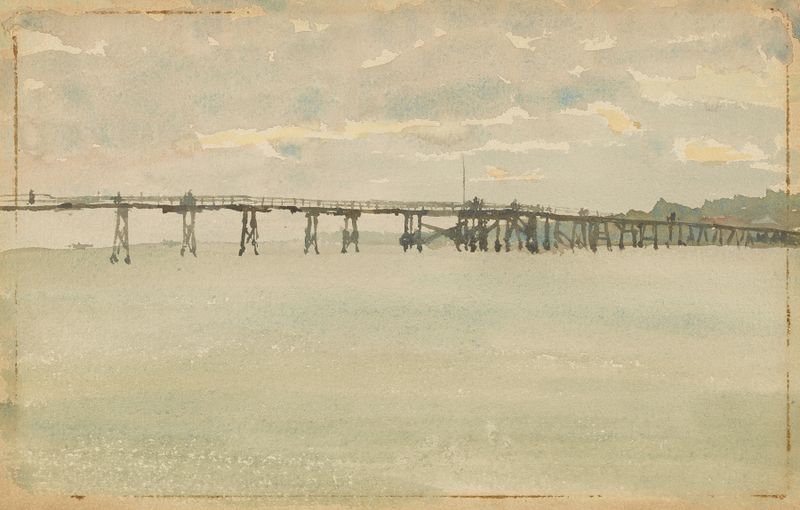
Grey and Silver–Pier, Southend
James Abbott McNeill Whistler