
The Doorway — History & Facts
This reflection captures the essence of fleeting moments and the passage of time captured in art. Focus on the soft, muted colors that envelop the doorway, where shades of ochre and gray intertwine in a delicate dance. The light filters through the archway, casting ethereal shadows that draw the viewer’s gaze, creating a subtle yet profound sense of depth. Notice how the meticulous brushwork reveals textures of the old wood, inviting the imagination to wonder about the stories held within this threshold. The doorway stands as a poignant symbol of transition and separation, embodying the tension between the known and the unknown.
The slight unevenness of the doorframe whispers of age, suggesting that both beauty and decay coexist, echoing the impermanence of time itself. Each detail, from the fading paint to the way light interacts with the structure, invites contemplation on the moments we choose to enter or exit throughout our lives. In 1880, the artist was immersed in the vibrant art scene of Paris, exploring the interplay of color and light while developing his distinctive style. This period marked a transition for him as he sought to emphasize mood and atmosphere over strict representation.
The artwork reflects his innovative spirit and the broader shifts occurring in the world of art, where impressionism was beginning to reshape perceptions of beauty and reality.
More Artworks by James Abbott McNeill Whistler
Browse all →
Nocturne in Blue and Silver
James Abbott McNeill Whistler
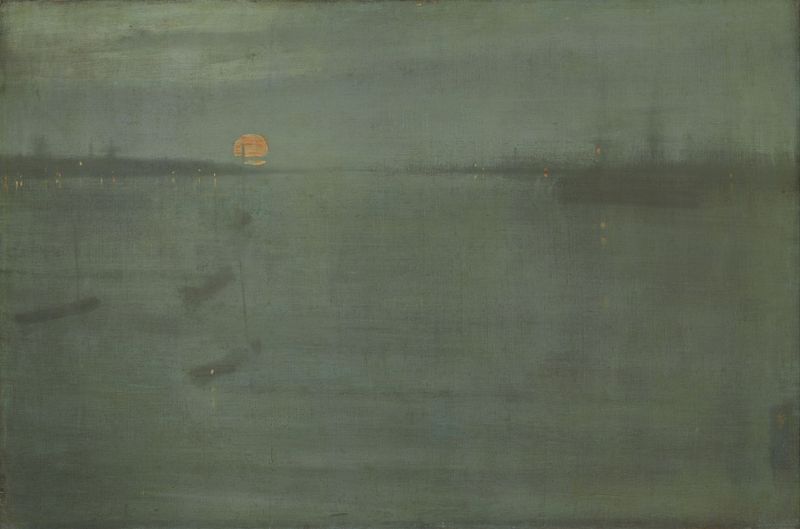
Nocturne: Blue and Gold–Southampton Water
James Abbott McNeill Whistler
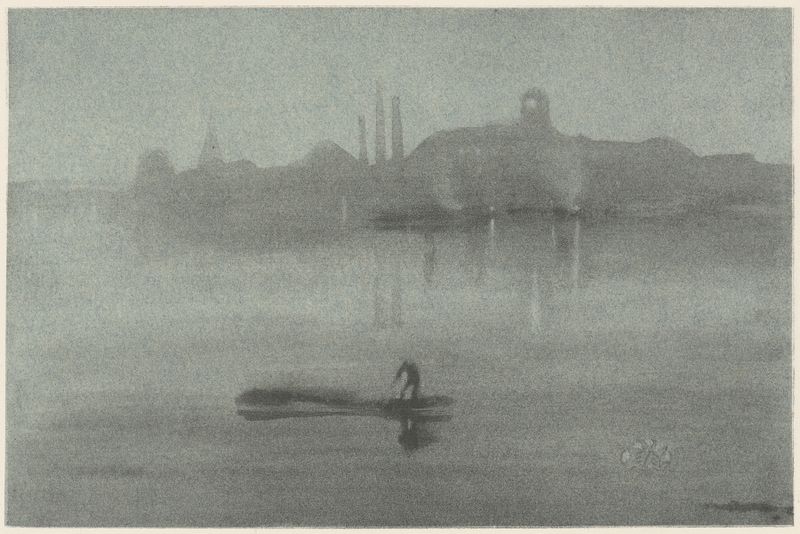
Nocturne
James Abbott McNeill Whistler
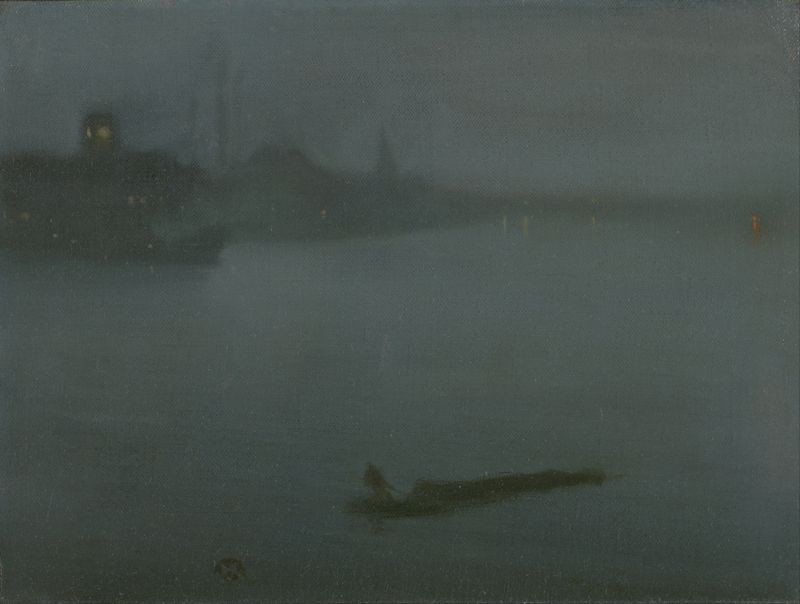
Nocturne in Blue and Silver
James Abbott McNeill Whistler
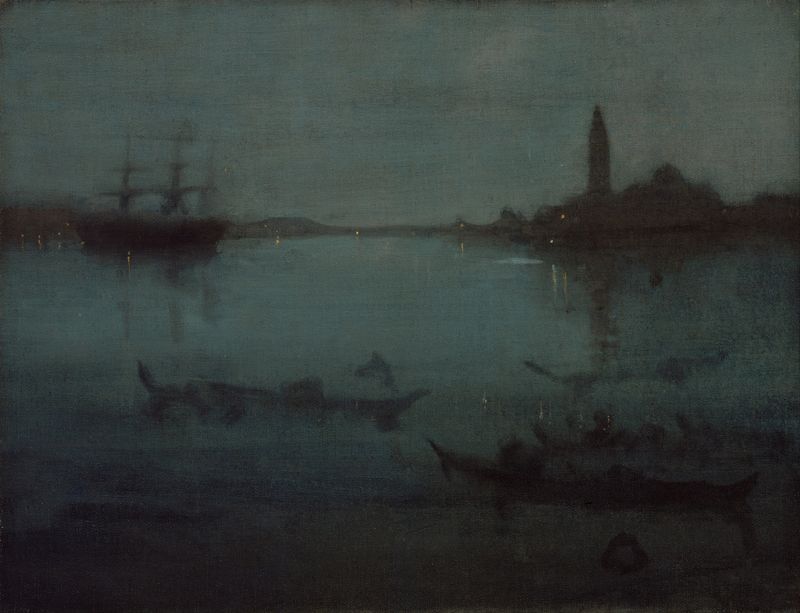
Nocturne in Blue and Silver- The Lagoon, Venice
James Abbott McNeill Whistler
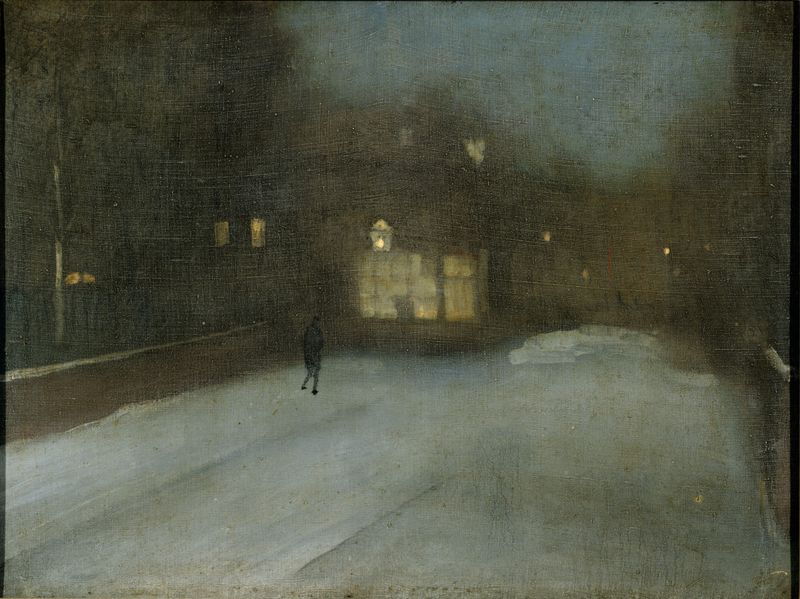
Nocturne in Grey and Gold: Chelsea Snow
James Abbott McNeill Whistler
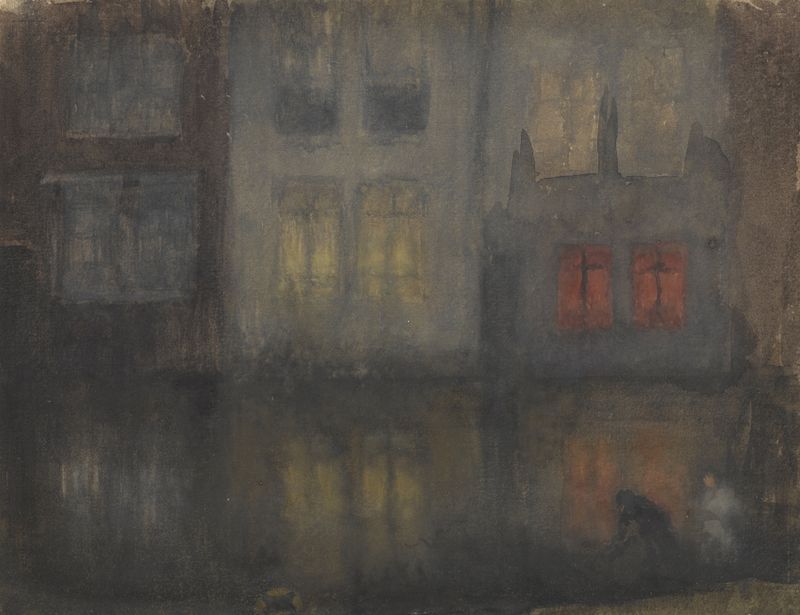
Nocturne: Black and Red—Back Canal, Holland
James Abbott McNeill Whistler
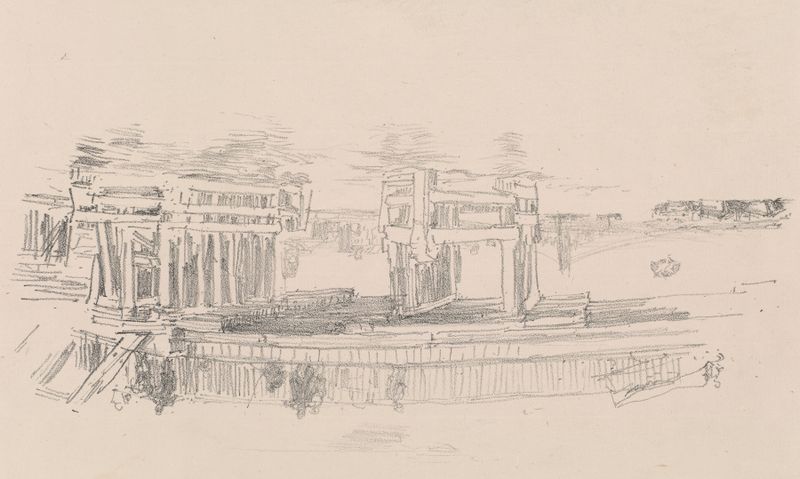
Old Battersea Bridge
James Abbott McNeill Whistler

Nocturne: Blue and Silver–Battersea Reach
James Abbott McNeill Whistler
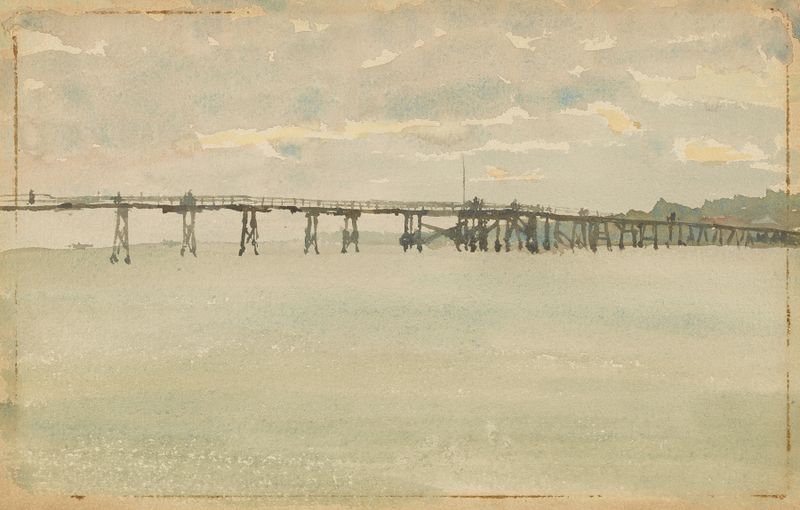
Grey and Silver–Pier, Southend
James Abbott McNeill Whistler





