The doorway — History & Facts
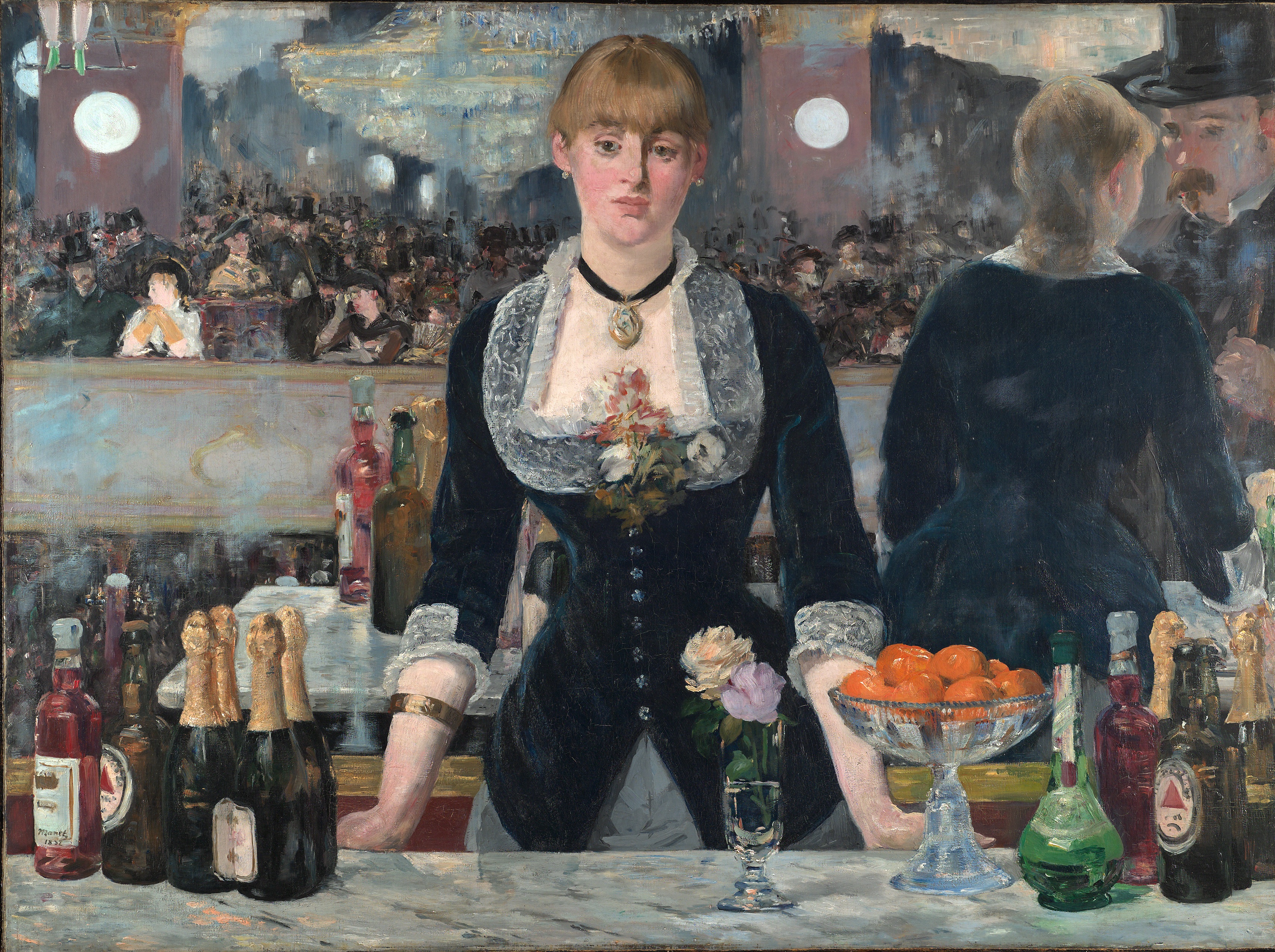
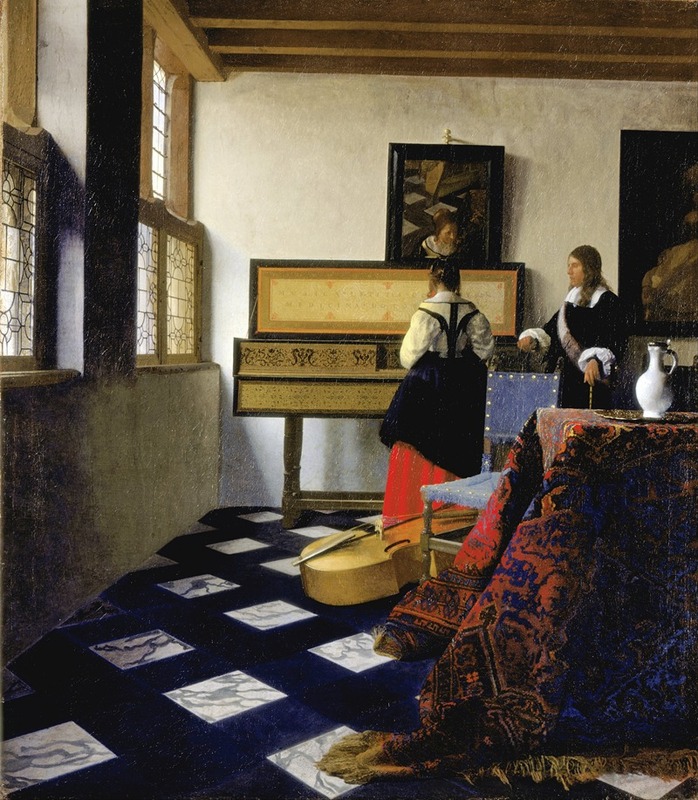
This profound reflection resonates deeply within the confines of a doorway, a threshold that beckons yet confines, echoing with untold stories. Look closely at the contrasting hues that define the entrance, where rich golds and deep shadows mingle. The doorframe commands attention, its elegant lines bordered by soft textures, inviting the viewer to ponder what lies beyond. Notice how the light falls delicately upon the surface of the wood, creating a warm glow that seems to pulsate with life, while the surrounding darkness looms, hinting at secrets kept just out of reach. The interplay of light and shadow in this work reveals the tension between the external world and the intimate interior.
The doorway stands as a metaphor for opportunity and confinement, a passage to beauty yet fraught with the weight of the unknown. Each brushstroke whispers of longing and allure, suggesting that even in the presence of aesthetic perfection, there can be an underlying sense of isolation or sorrow. Created in 1879, this piece emerged during a transformative period in Whistler's career, marked by his commitment to aestheticism and the principles of beauty. Living in London, he was navigating the tensions between personal ambition and the critical reception of his work, amidst a shifting art scene that increasingly celebrated innovation and modernity.
In this context, the doorway becomes a powerful symbol of both artistic aspiration and the solitude that often accompanies it.
More Artworks by James Abbott McNeill Whistler
Browse all →
Nocturne in Blue and Silver
James Abbott McNeill Whistler
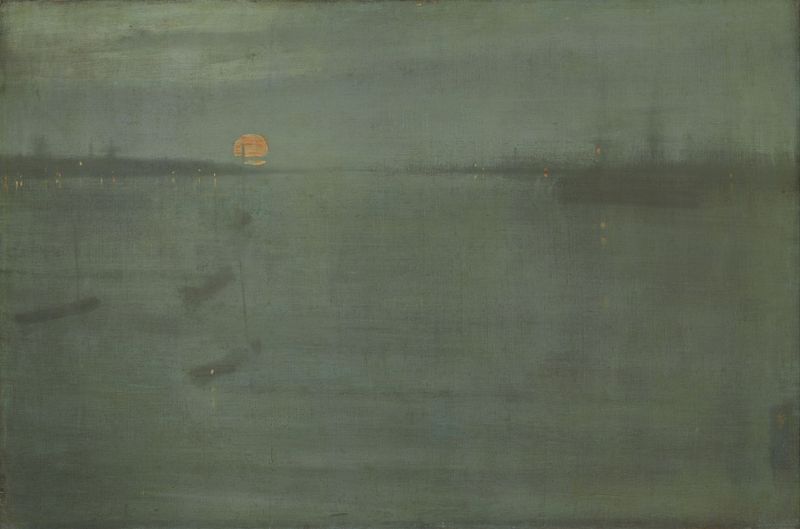
Nocturne: Blue and Gold–Southampton Water
James Abbott McNeill Whistler
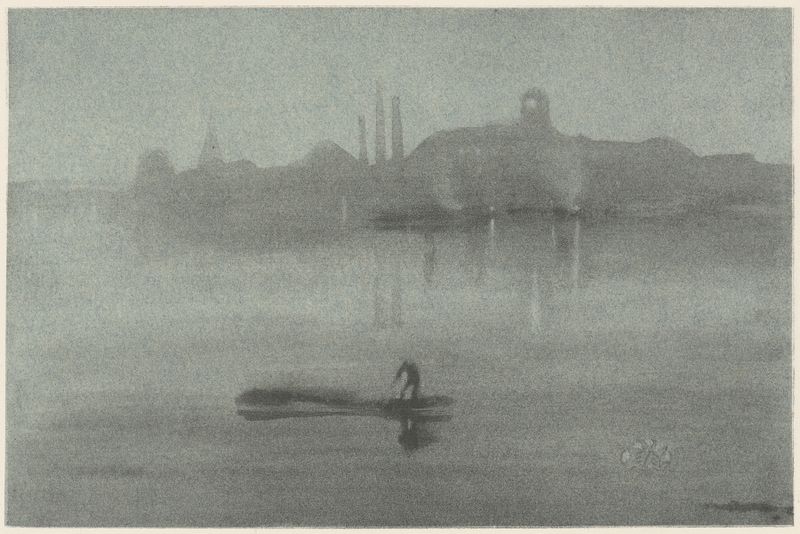
Nocturne
James Abbott McNeill Whistler
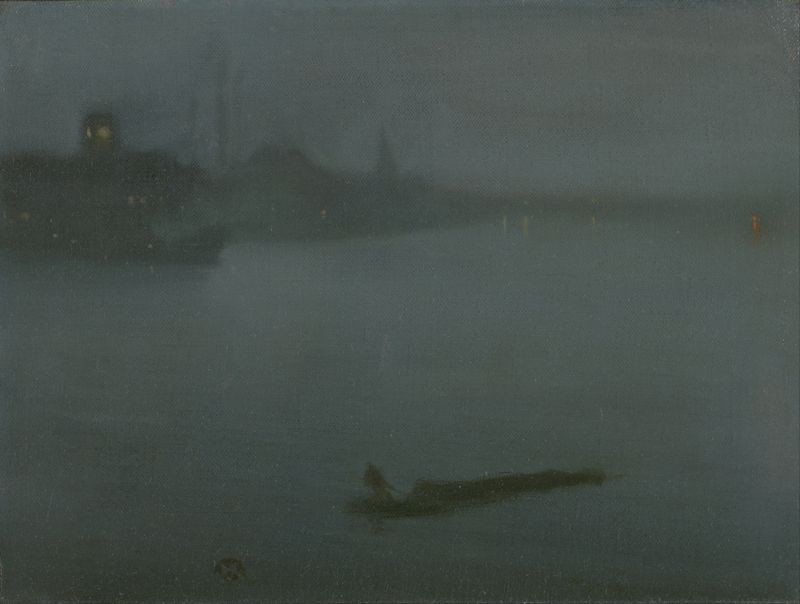
Nocturne in Blue and Silver
James Abbott McNeill Whistler
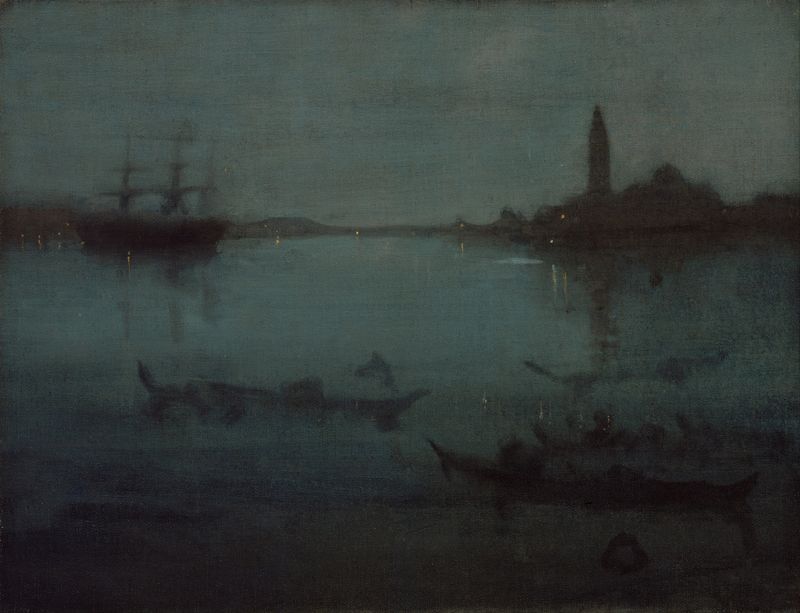
Nocturne in Blue and Silver- The Lagoon, Venice
James Abbott McNeill Whistler
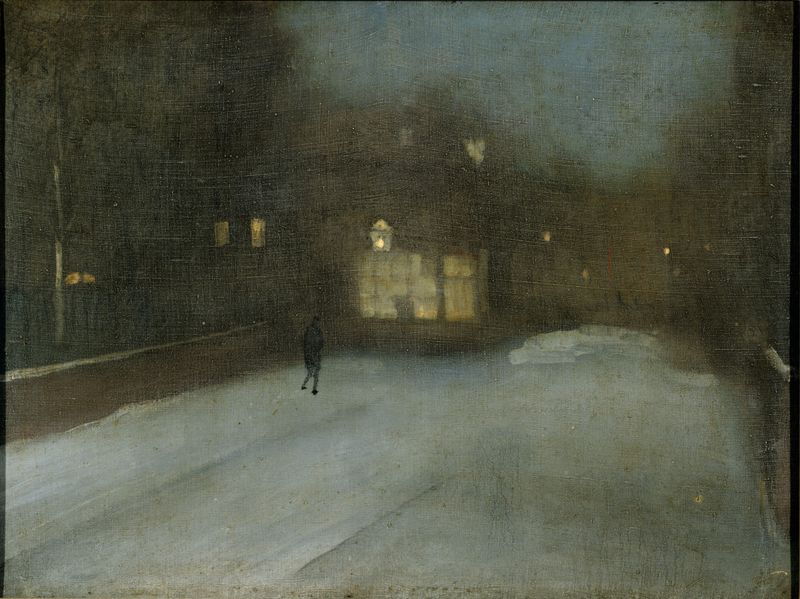
Nocturne in Grey and Gold: Chelsea Snow
James Abbott McNeill Whistler
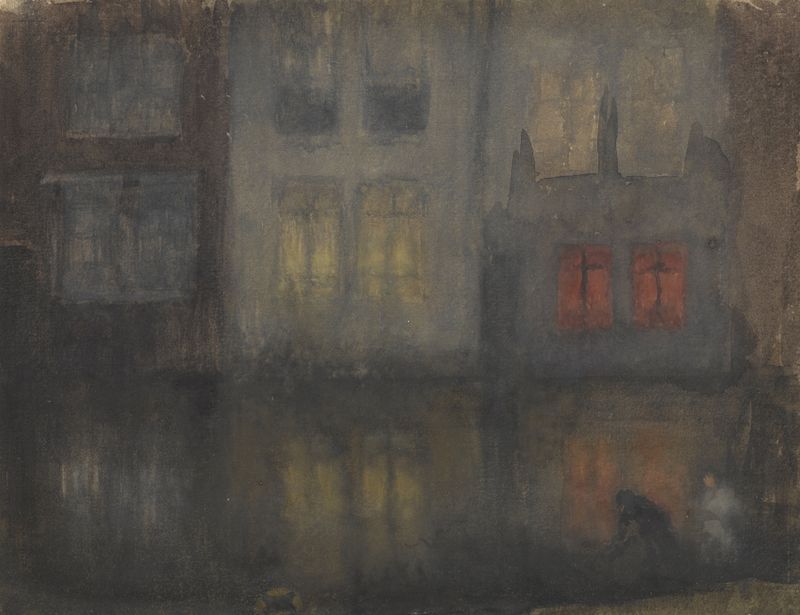
Nocturne: Black and Red—Back Canal, Holland
James Abbott McNeill Whistler
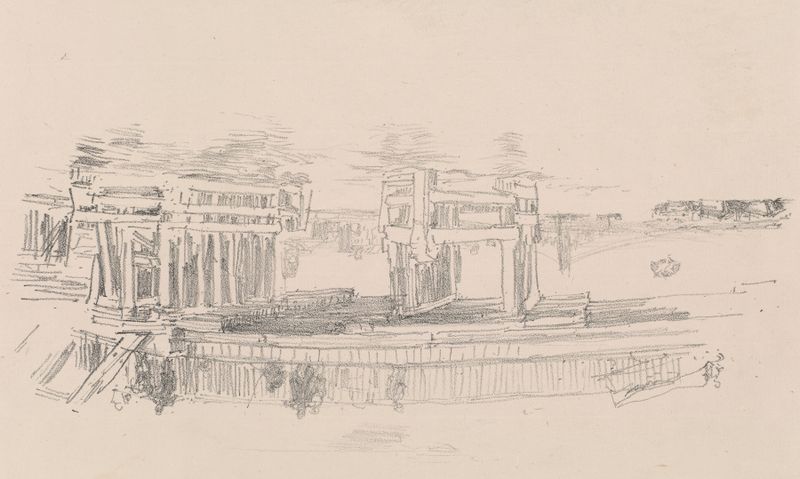
Old Battersea Bridge
James Abbott McNeill Whistler

Nocturne: Blue and Silver–Battersea Reach
James Abbott McNeill Whistler
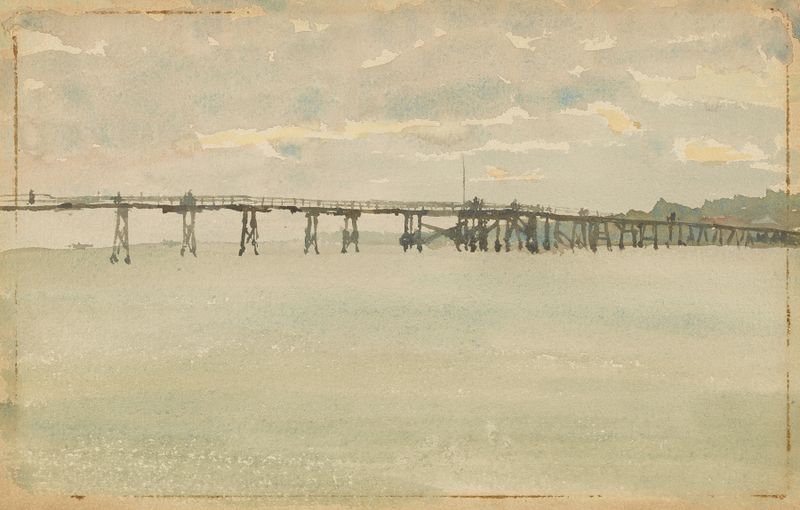
Grey and Silver–Pier, Southend
James Abbott McNeill Whistler