The Doorway, from Venice, a Series of Twelve Etchings — History & Facts
In that waiting, loneliness breathes, filling the spaces between the shadows of a doorway. Focus on the stark contrast in tones within the etching. The heavy dark lines frame the doorway, inviting you to peer closer yet leaving you hesitant to cross the threshold. Notice how the light spills softly onto the floor, illuminating the solitude within the entrance, while the surrounding areas remain heavily shadowed, evoking a sense of isolation and mystery.
This junction of light and dark creates a palpable tension, a silent call that hangs in the air. The doorway itself symbolizes opportunities and barriers, reflecting the theme of separation and the emotional weight of solitude. Whistler’s meticulous detailing reveals nuances: the textured walls, the faintest suggestion of a figure just out of sight, whispering stories of longing and unfulfilled desires. The overall composition speaks to the viewer’s own experience of loneliness, a shared human condition that transcends time and place. In 1879-80, Whistler created this work during a period of personal and professional tumult, residing in Venice amidst a series of transformative artistic endeavors.
The city, known for its haunting beauty, acted as both muse and mirror, reflecting his own struggles with isolation. In this etching, he captures not only the physical space of a doorway but also the metaphorical thresholds we all face, making a powerful statement within the broader context of the art world of his time.
More Artworks by James Abbott McNeill Whistler
Browse all →
Nocturne in Blue and Silver
James Abbott McNeill Whistler
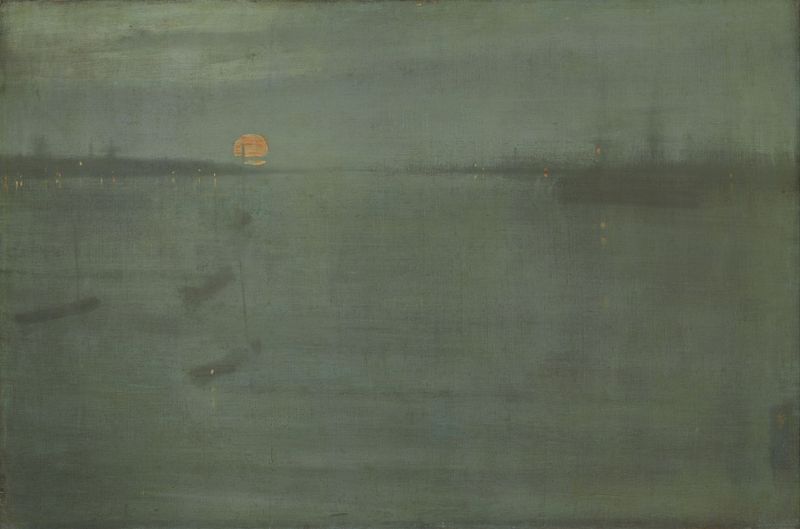
Nocturne: Blue and Gold–Southampton Water
James Abbott McNeill Whistler
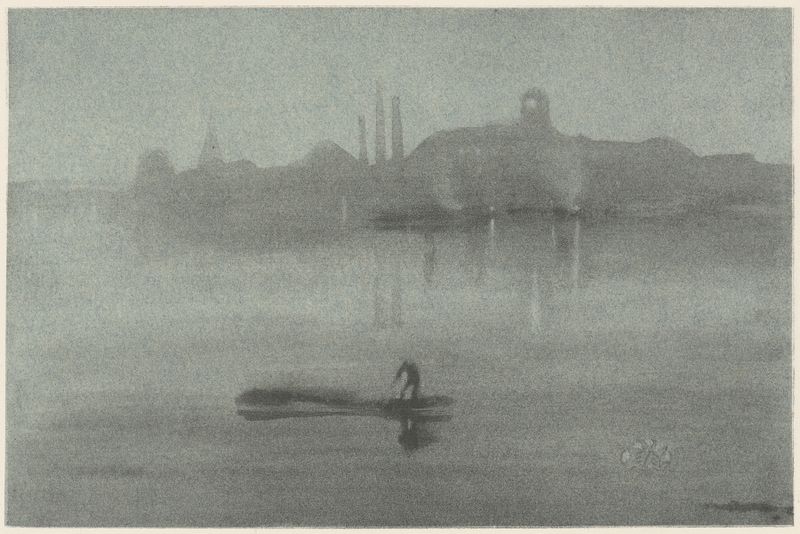
Nocturne
James Abbott McNeill Whistler
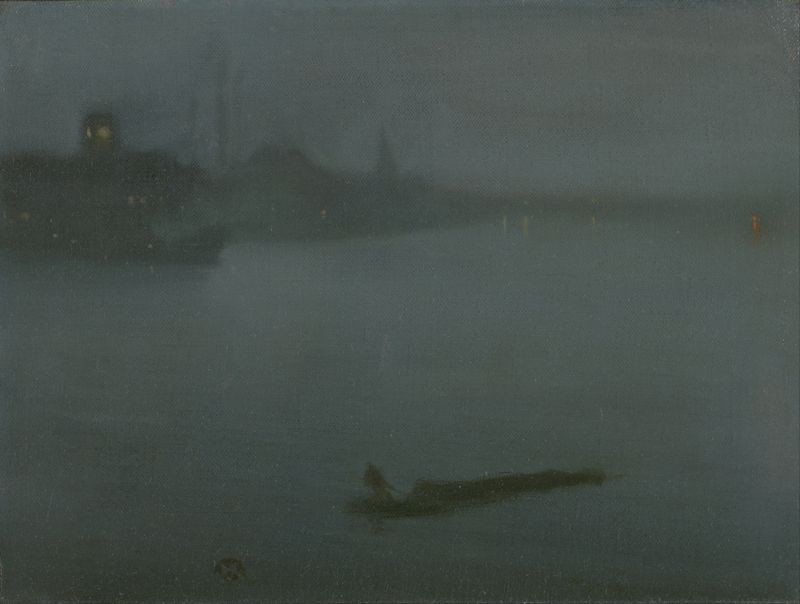
Nocturne in Blue and Silver
James Abbott McNeill Whistler
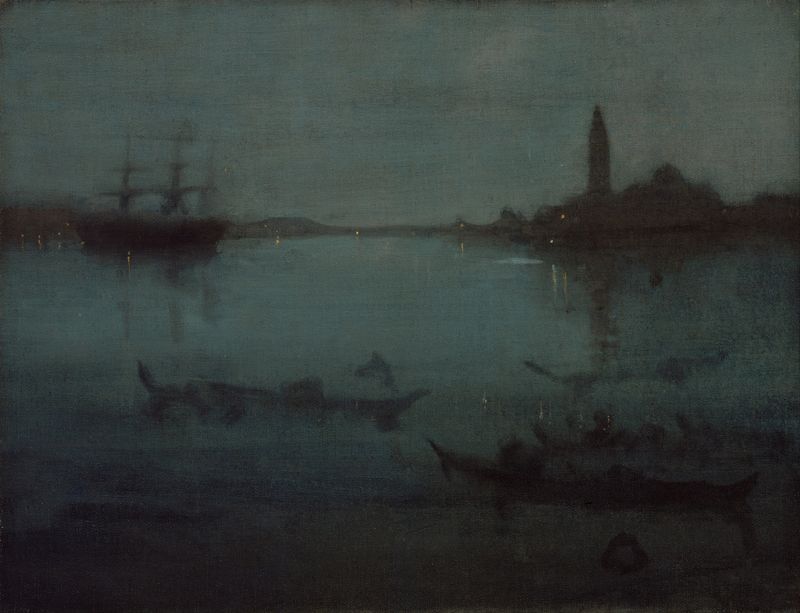
Nocturne in Blue and Silver- The Lagoon, Venice
James Abbott McNeill Whistler
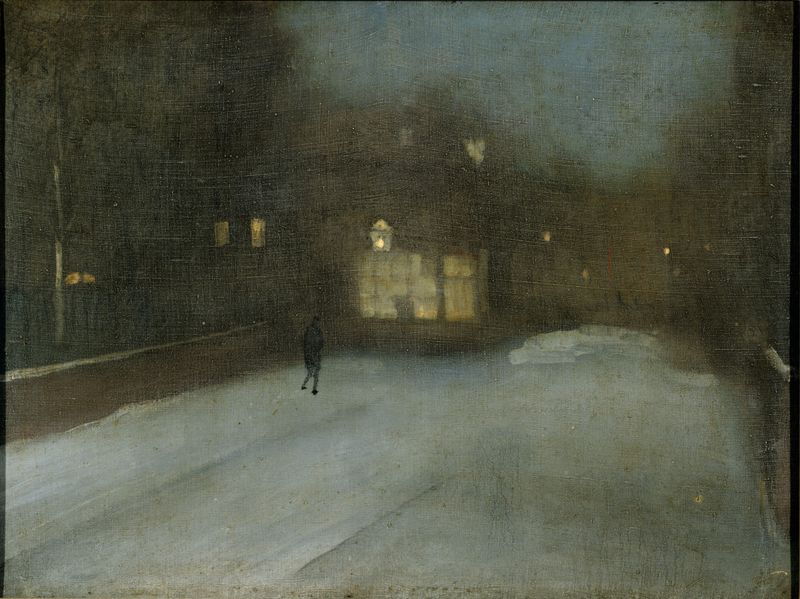
Nocturne in Grey and Gold: Chelsea Snow
James Abbott McNeill Whistler
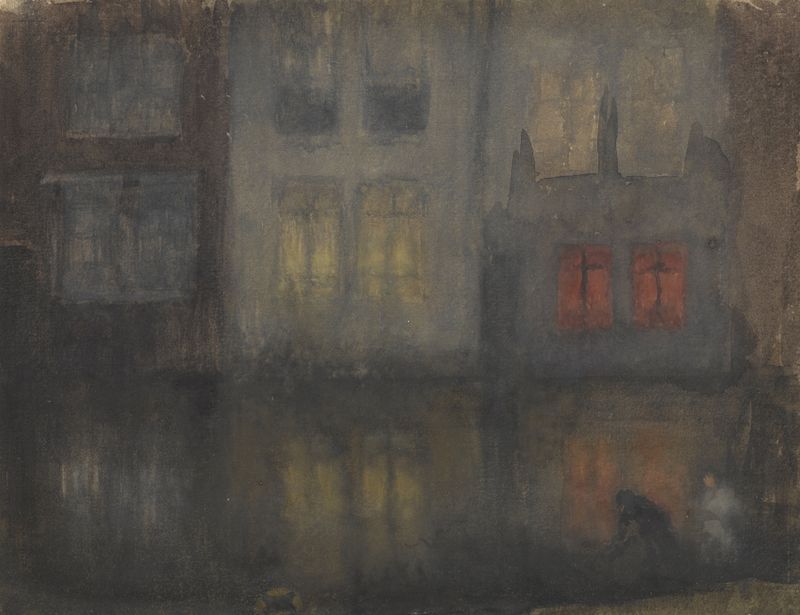
Nocturne: Black and Red—Back Canal, Holland
James Abbott McNeill Whistler
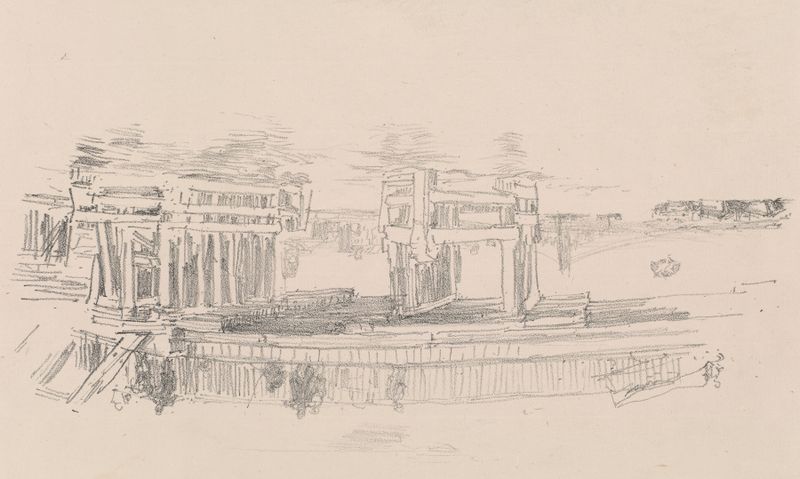
Old Battersea Bridge
James Abbott McNeill Whistler

Nocturne: Blue and Silver–Battersea Reach
James Abbott McNeill Whistler
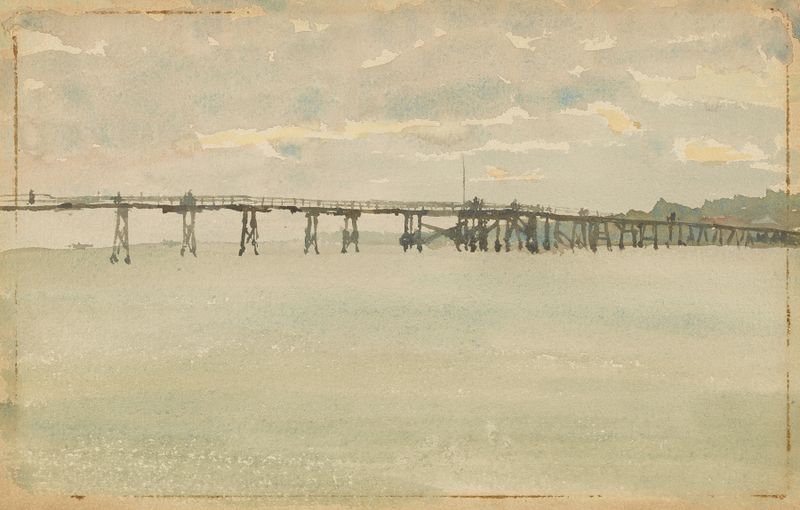
Grey and Silver–Pier, Southend
James Abbott McNeill Whistler