
The Duck Pond — History & Facts
It is a thought that lingers as one gazes upon the vibrant hues and fleeting moments captured in a mere tableau. The interplay of color can evoke both serenity and sadness, revealing the complexities of human experience. Look to the center of the canvas, where a duck glides effortlessly across the shimmering pond, its feathers a brilliant amalgamation of greens and blues. Notice how the light dances on the water’s surface, each ripple reflecting the surrounding flora in a gentle embrace of pastel tones.
The soft brushstrokes weave a tapestry of life, inviting the viewer to immerse themselves in the tranquil yet dynamic atmosphere of the scene. Yet, beneath the surface, there lies a tension between stillness and movement. The grouping of figures lounging at the pond's edge contrasts with the lively aquatic life, embodying a moment of leisure tinged with the passage of time. The dappled sunlight filtering through the trees hints at a transient beauty, suggesting that moments of joy are fleeting and often accompanied by an unrecognized longing. In 1873, Renoir painted this work during a pivotal time in his career, as he was transitioning from the constraints of academic painting towards a more impressionistic style.
Living in Paris amidst a burgeoning art movement, he was influenced by the embrace of color and light, capturing the essence of contemporary life while also reflecting the complexities of human emotions within natural settings.
More Artworks by Pierre-Auguste Renoir
Browse all →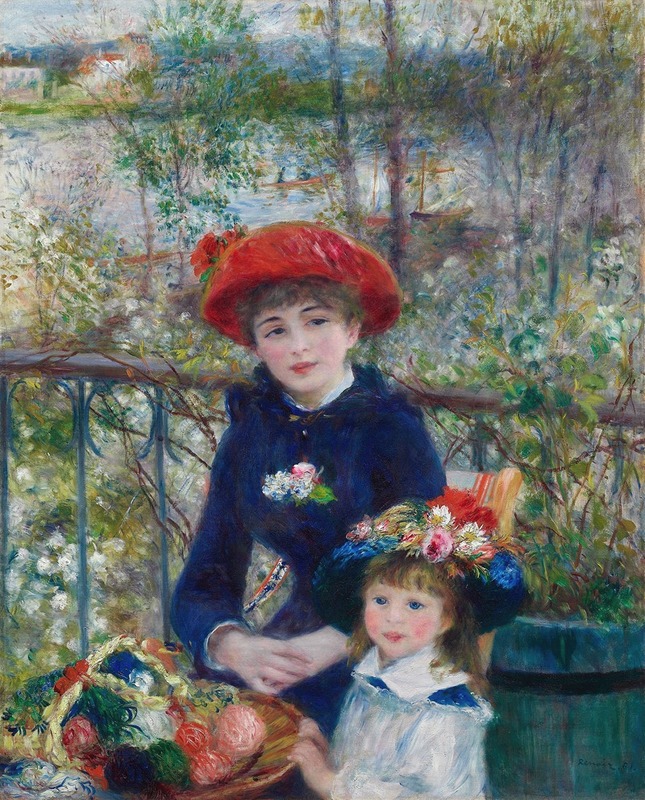
Two Sisters (On the Terrace)
Pierre-Auguste Renoir
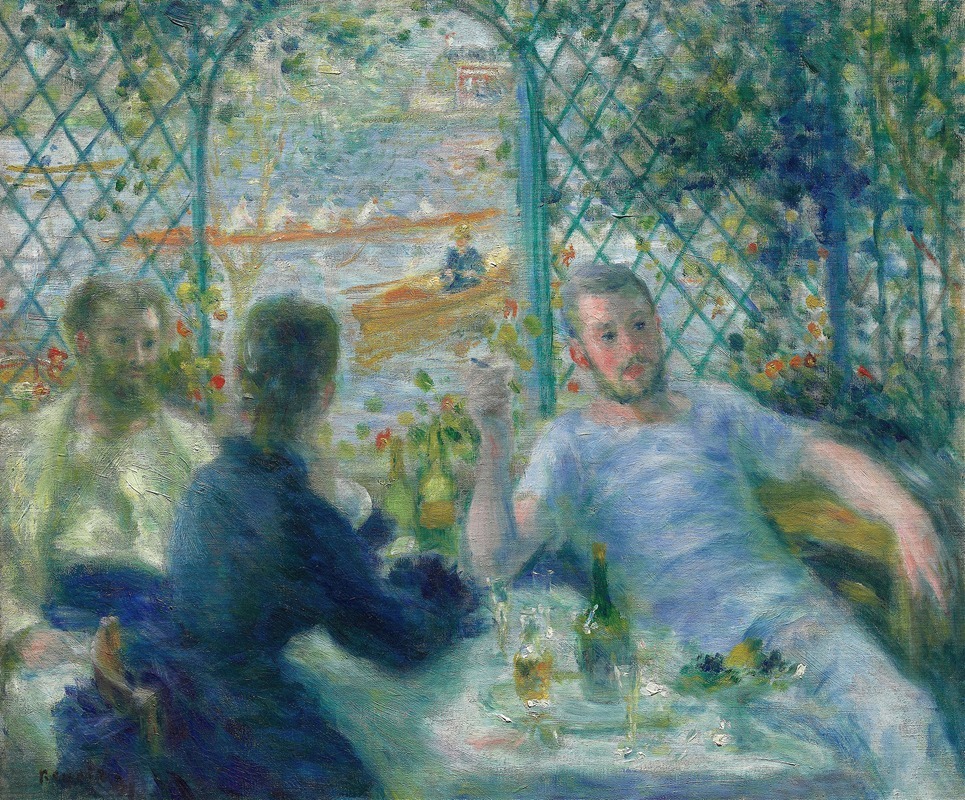
Lunch at the Restaurant Fournaise (The Rowers' Lunch)
Pierre-Auguste Renoir
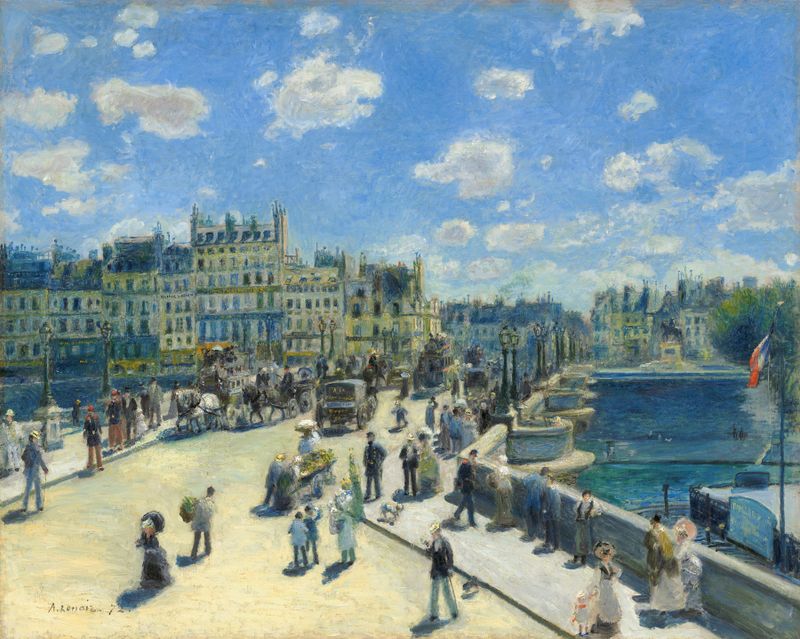
Pont Neuf, Paris
Pierre-Auguste Renoir
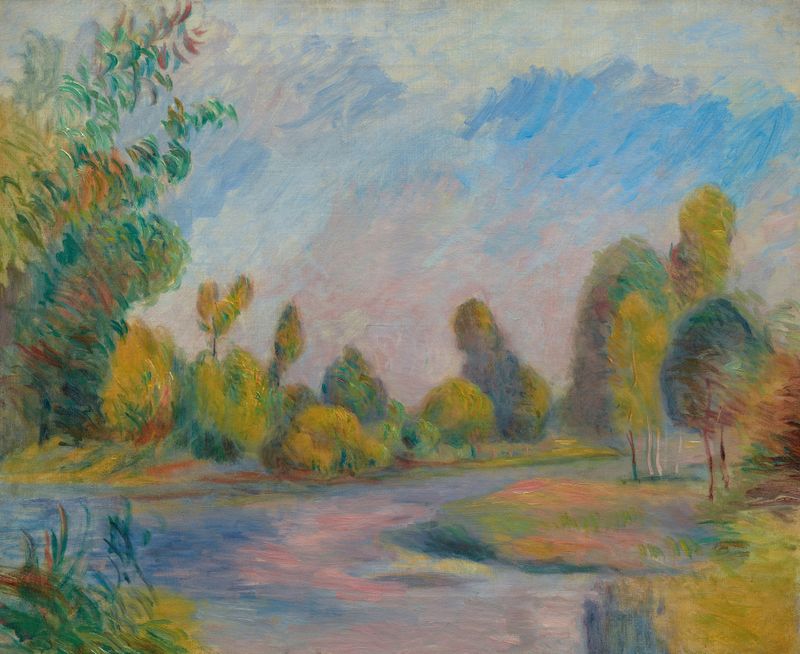
Au bord de la rivière
Pierre-Auguste Renoir

Near the Lake
Pierre-Auguste Renoir
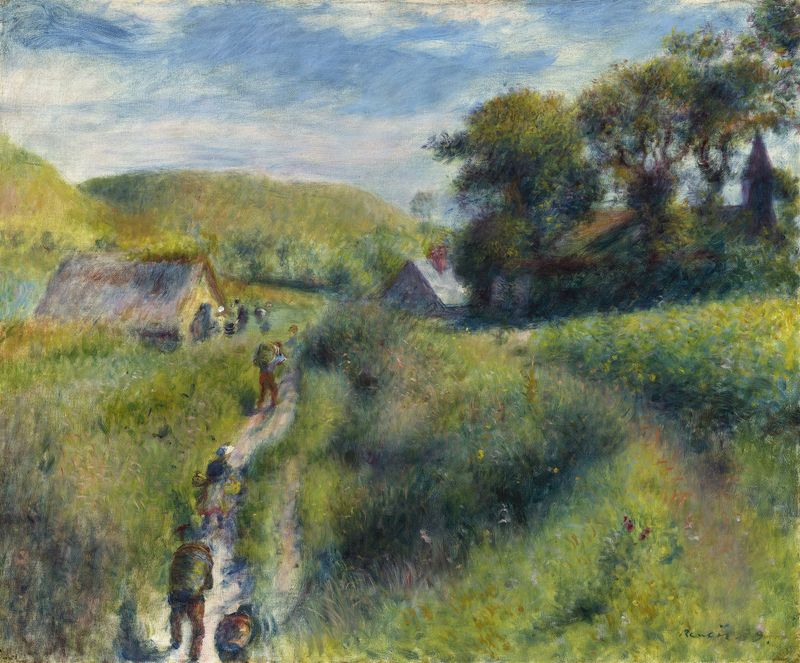
The Mussel Harvest
Pierre-Auguste Renoir

The Seine at Chatou
Pierre-Auguste Renoir
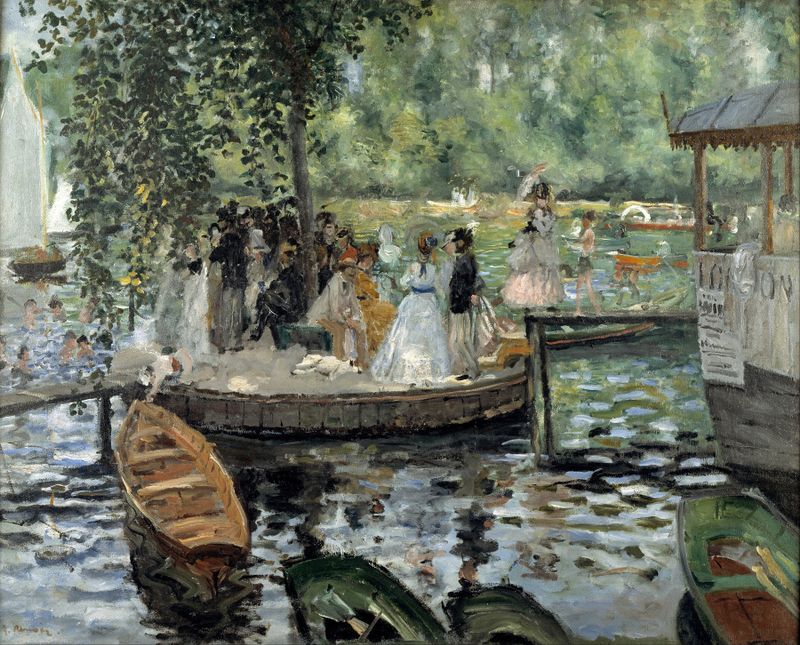
La Grenouillère
Pierre-Auguste Renoir
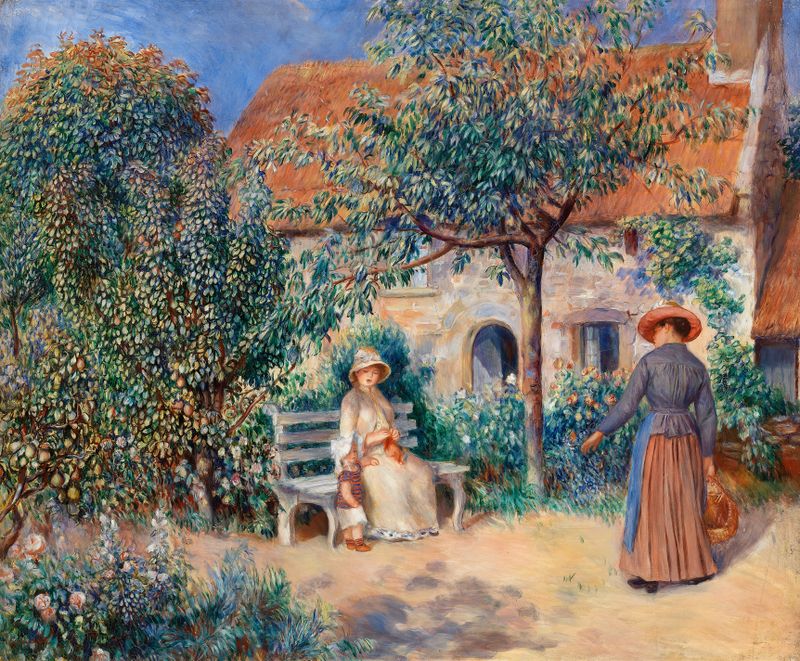
In Brittany (En Bretagne)
Pierre-Auguste Renoir
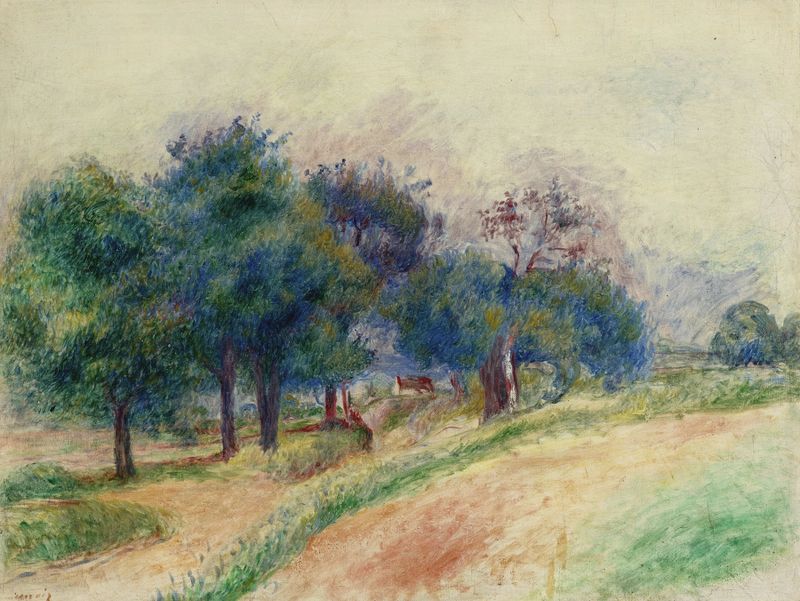
Paysage d’Essoyes
Pierre-Auguste Renoir





