
The End of Misery — History & Facts
What grips the viewer first in The End of Misery is the quiet intrusion of Death itself, rendered not as a distant threat but as a skeletal figure leaning intimately over a slumbering old man. The scene is set in a dim farmhouse interior, where the sparse light falls unevenly, picking out the rough textures of wood, straw, and worn clothing. The artist draws the eye from the left, where Death’s bony hand hovers over the sleeper’s chest, across the room to a small group huddled around a fire.
The figures there, absorbed in their own world, seem unaware of the drama unfolding just steps away—a tension heightened by the muted, almost monochrome palette that suggests both the chill of poverty and the fading of life. This painting belongs to a world where allegory and everyday hardship often shared the same cramped stage. Created in 1632, during an era when Dutch and Flemish artists delighted in embedding moral lessons within scenes of rustic life, The End of Misery would have spoken to viewers familiar with the ever-present shadow of mortality. Such works were not only meditations on death but reminders of the thin line between comfort and despair in a time of war, plague, and social upheaval.
Little is recorded about the journey of this particular painting, now in the Rijksmuseum collection, but its somber wit and careful observation place it squarely within the tradition of early seventeenth-century Northern art—inviting us to look again, and see how the ordinary and the ultimate meet by the firelight.
More Artworks by Adriaen Pietersz van de Venne
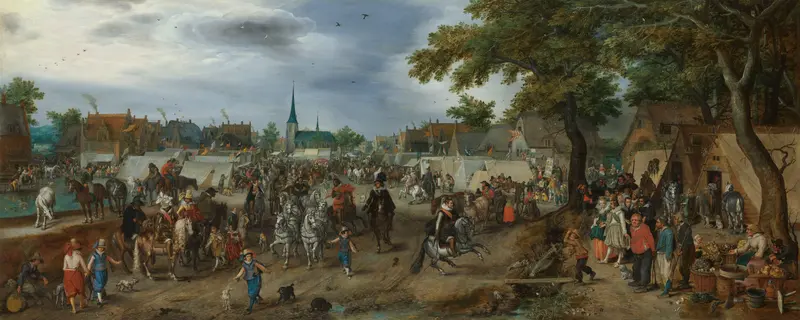
Princes Maurice and Frederick Henry at the Valkenburg Horse Fair
Adriaen Pietersz van de Venne
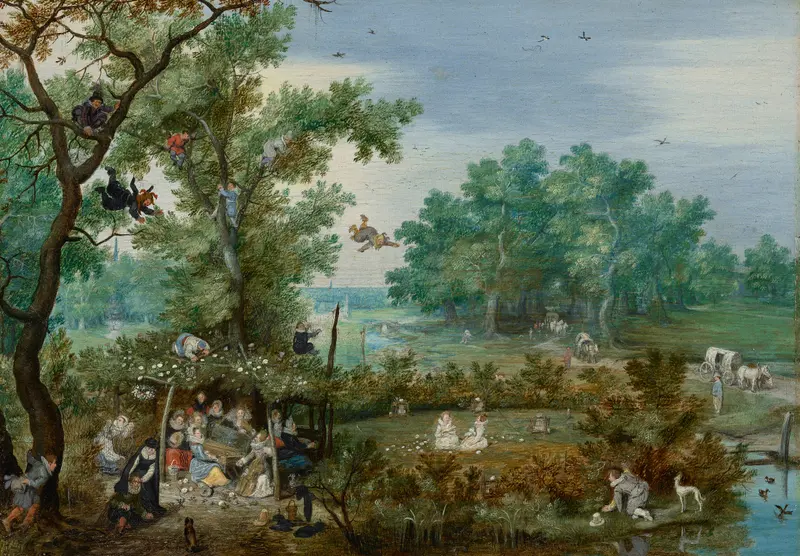
Merry Company in an Arbor
Adriaen Pietersz van de Venne
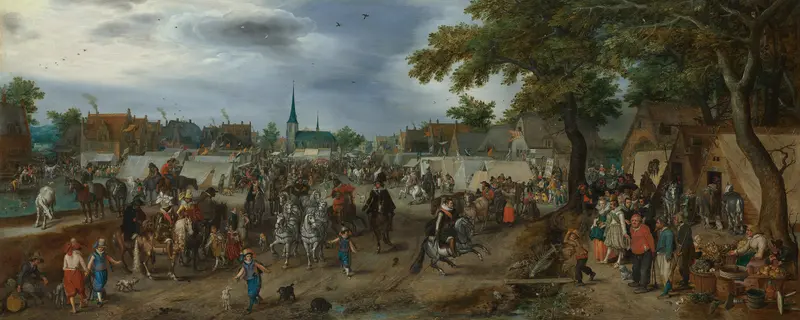
Princes Maurice and Frederick Henry at the Valkenburg Horse Fair
Adriaen Pietersz van de Venne
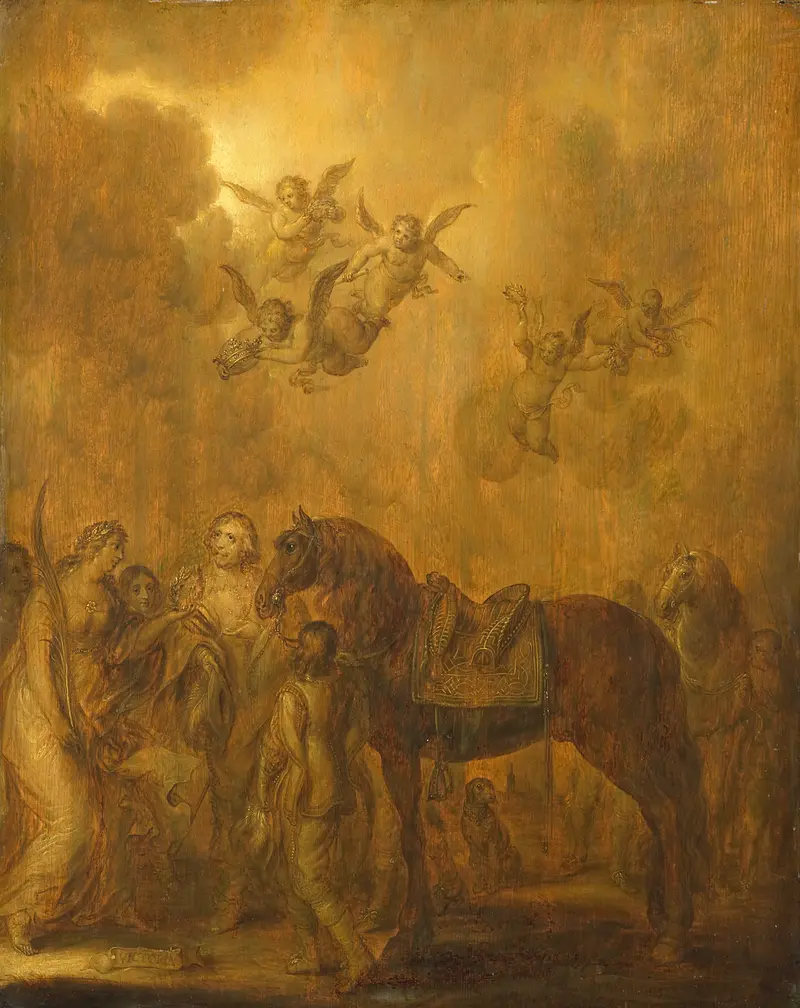
Allegory of the Stadtholdership of Prince Frederick Henry
Adriaen Pietersz van de Venne
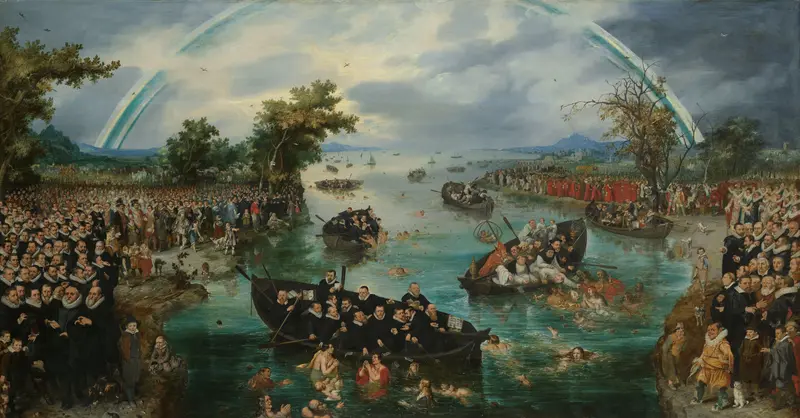
Fishing for Souls
Adriaen Pietersz van de Venne
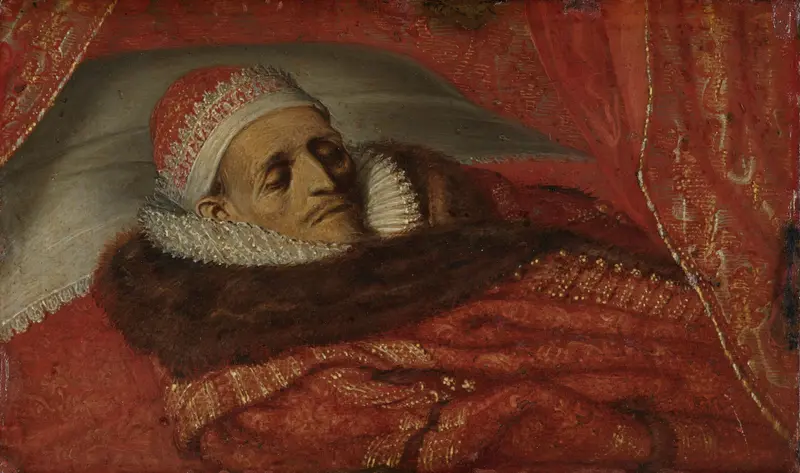
Stadtholder Prince Maurice Lying in State
Adriaen Pietersz van de Venne
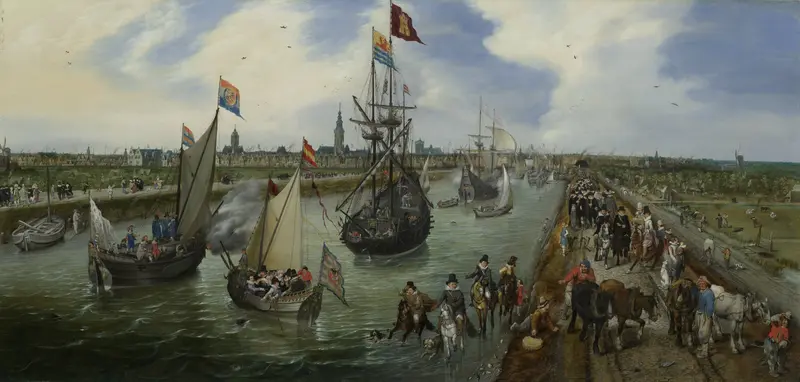
The Departure of a Dignitary from Middelburg
Adriaen Pietersz van de Venne
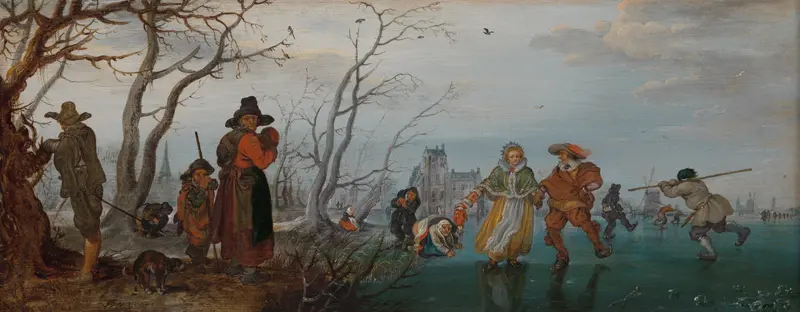
Winter
Adriaen Pietersz van de Venne

A Jeu de Paume Before a Country Palace
Adriaen Pietersz van de Venne
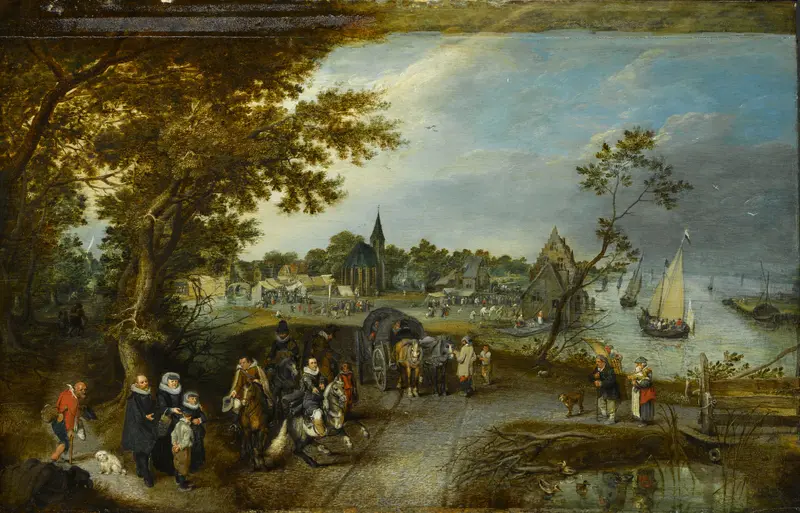
Landscape with Figures and a Village Fair (Village Kermesse)
Adriaen Pietersz van de Venne





