The end of the annual fair — History & Analysis
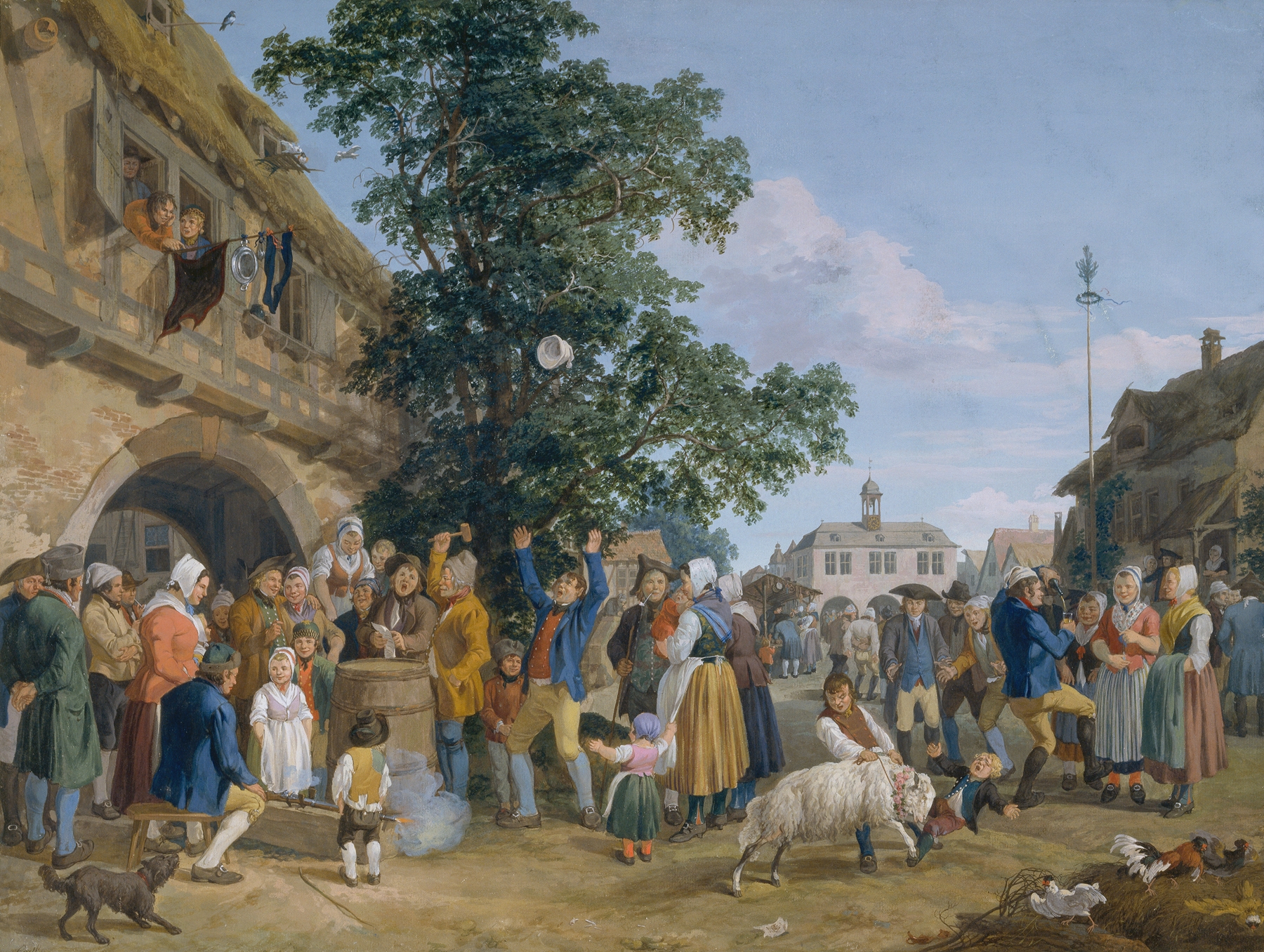
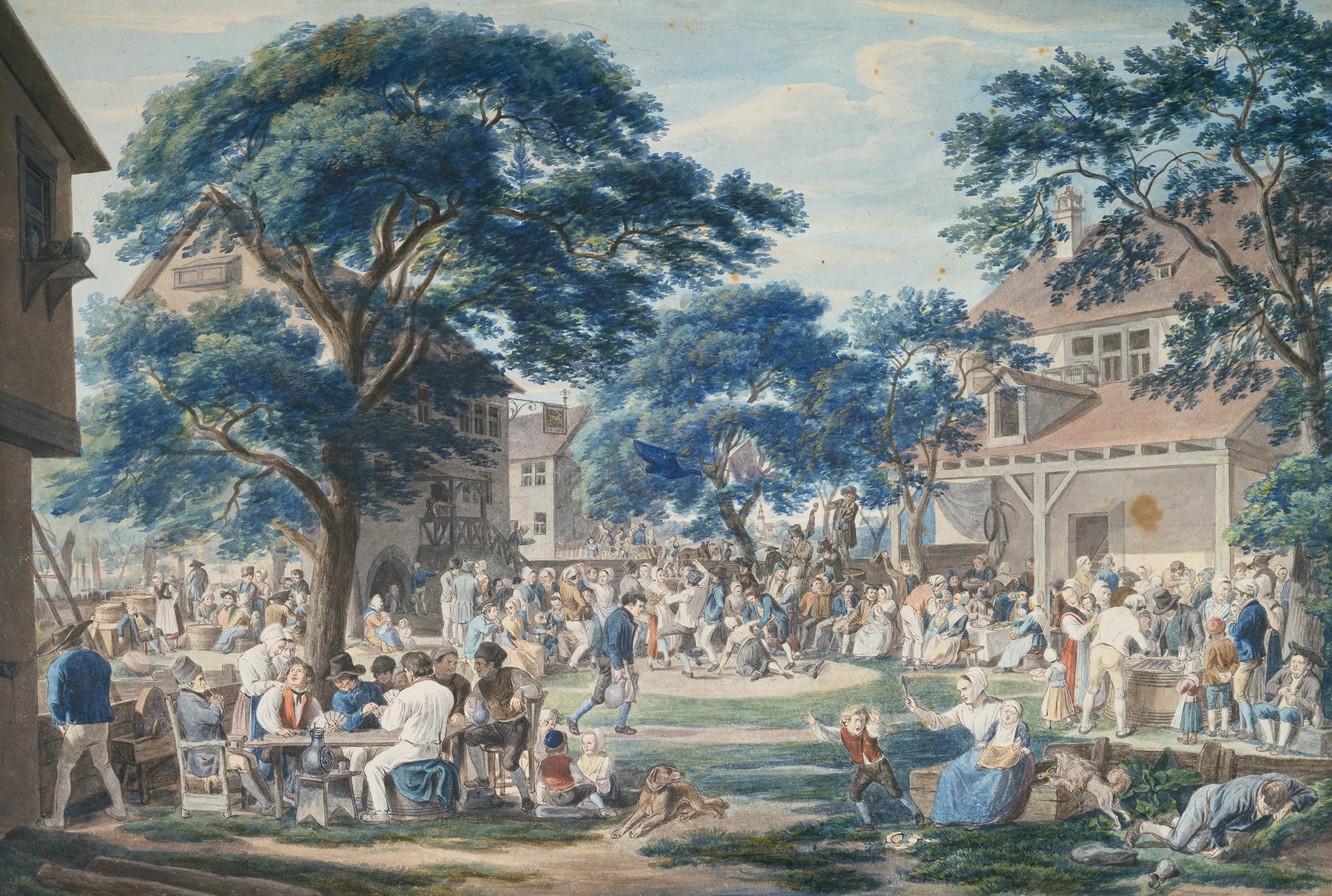
“Every silence here is a confession.” In the stillness that cloaks this moment, the air is heavy with unspoken farewells, an elegy for what once thrived. The remnants of laughter and joy linger in the shadows, whispering secrets of celebration that are now muffled under the weight of grief. This painting invites viewers to confront the echoes of loss embedded in a familiar scene. Look to the left at the vibrant, faded colors of the carnival banners, their once-bright hues now dulled by time, hinting at the memories that have slipped away.
Notice how the artist has captured the soft glow of twilight casting long, melancholic shadows across the ground, emphasizing the emptiness of the space. The delicate brushstrokes create a sense of movement that contrasts with the stillness of the scene, as if the fair’s spirit is lingering just beyond reach. The juxtaposition of the joyous symbols of the fair—a carousel, tents, and bright lights—against the backdrop of encroaching darkness speaks volumes about the transient nature of happiness. Hidden within the details, like an abandoned toy or a flickering light, lies a poignant reminder of the inevitability of change and the heartache it brings.
Here, grief is not just an absence but a presence that shapes the atmosphere, rendering the fairgrounds both beautiful and forsaken. Anton Radl created this work during a time when the art world was shifting, reflecting the tensions of his environment. Little is known about this piece's exact date, but it is believed to originate from the early to mid-20th century, a period marked by both personal and societal upheaval. As the world grappled with the aftermath of conflict and change, Radl's art began to explore the depths of human emotion, resonating deeply with the struggles surrounding him.