
The End of the Day, Adirondacks — History & Facts
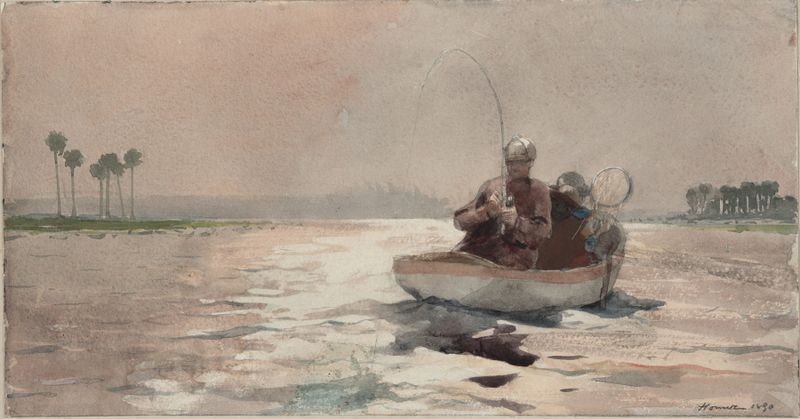
Can paint confess what words never could? In The End of the Day, Adirondacks, the landscape unfolds as a silent hymn to rebirth, inviting reflections on the passage of time and the solace of nature. Look to the horizon, where the sun dips low, casting a warm glow across the tranquil waters. The palette bursts with hues of amber and soft mauve, seamlessly blending into deep greens and blues that cradle the lake. The composition draws the eye towards the serene reflections shimmering on the surface, while the silhouetted trees stand as sentinels, framing this fleeting moment.
Each brushstroke conveys a sense of peace, beckoning the viewer to linger in the stillness of dusk. Beneath this captivating exterior lies a profound juxtaposition — the day's end signals both closure and the promise of renewal. The gentle ripples in the water seem to whisper secrets of the day while hinting at the cyclical nature of life. The quietude embodies contemplation, a reminder that even in endings, there is an inherent beauty and opportunity for transformation. In 1890, Winslow Homer was immersed in the landscapes of the Adirondacks, a departure from his earlier seascapes.
He sought to capture the American wilderness during a time of industrial growth and societal change, turning his focus to nature's eternal rhythms. This painting reflects his mastery of light and atmosphere, contributing to his reputation as one of the foremost American landscape artists of his time.
More Artworks by Winslow Homer
Browse all →
The Gulf Stream
Winslow Homer
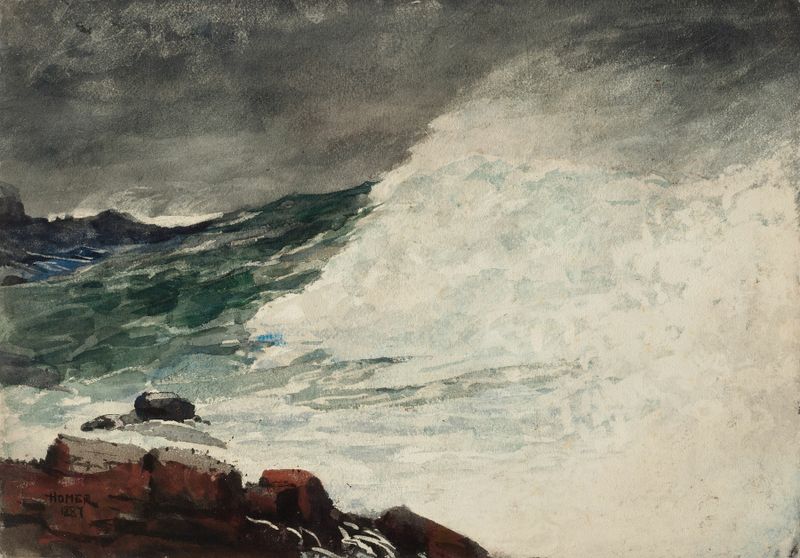
Prout’s Neck, Breaking Wave
Winslow Homer
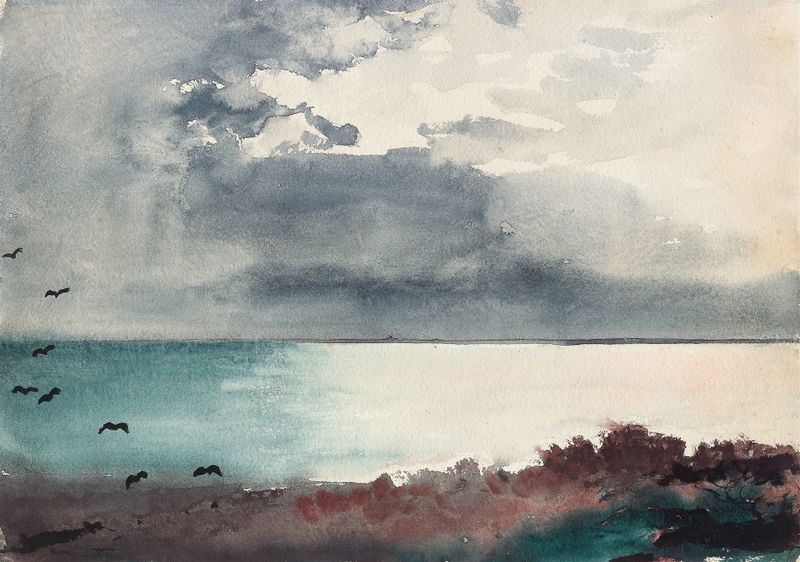
Breaking Storm, Coast of Maine
Winslow Homer
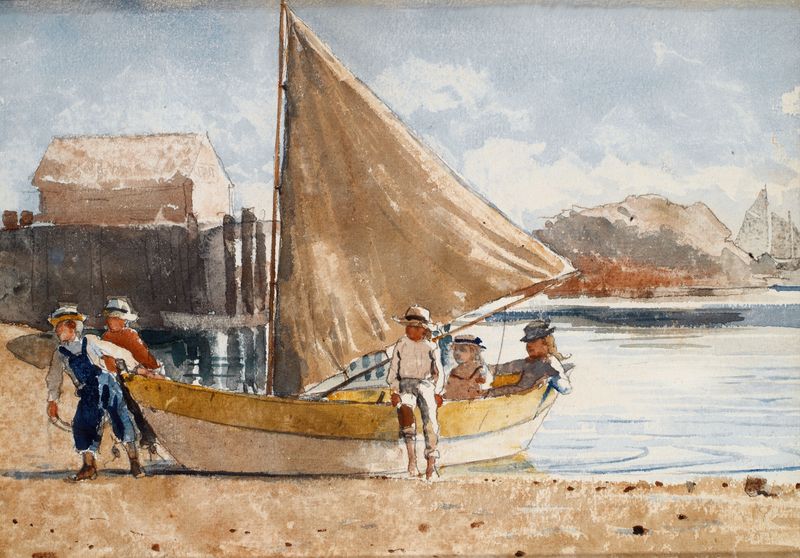
Summertime
Winslow Homer
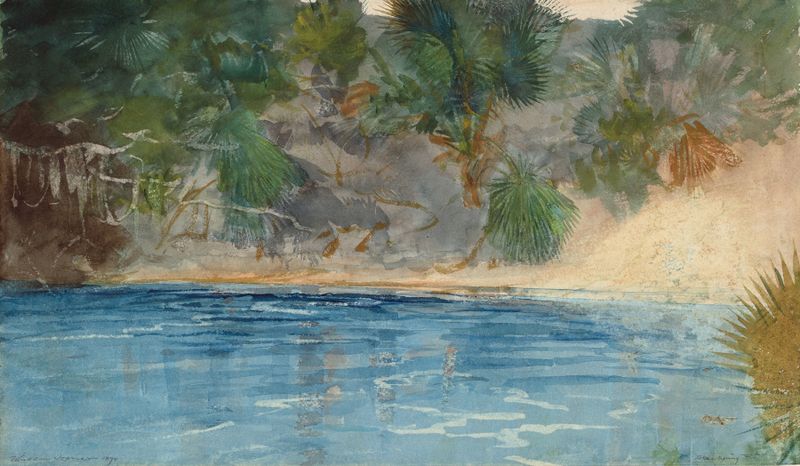
Blue Spring, Florida
Winslow Homer
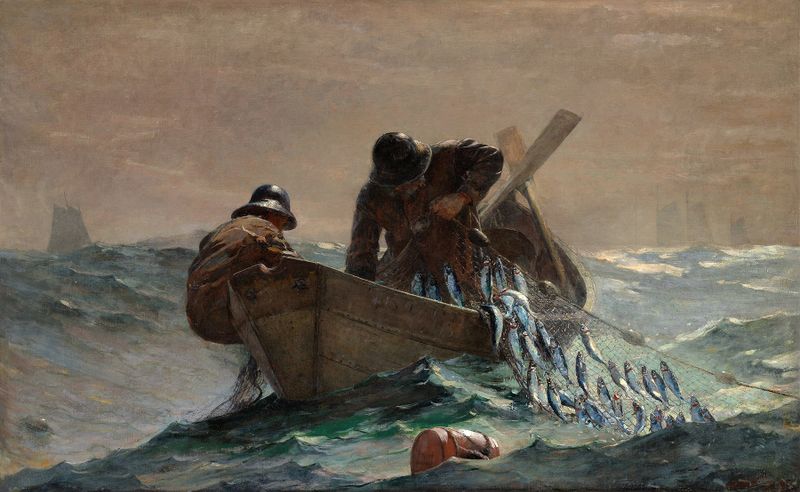
The Herring Net
Winslow Homer
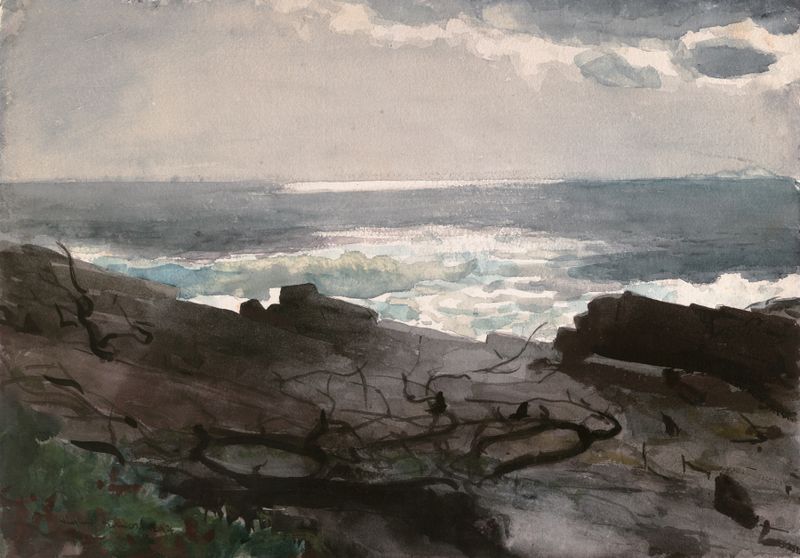
Sunshine and Shadow, Prout’s Neck
Winslow Homer
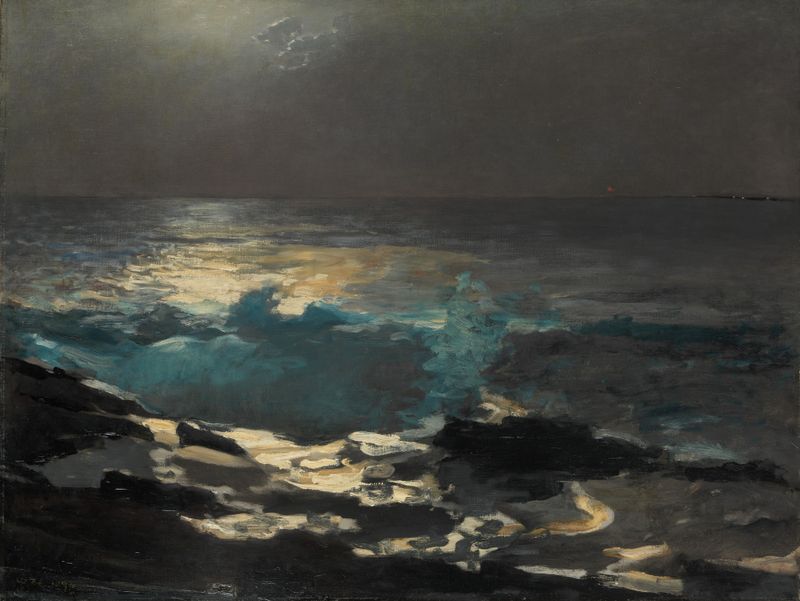
Moonlight, Wood Island Light
Winslow Homer
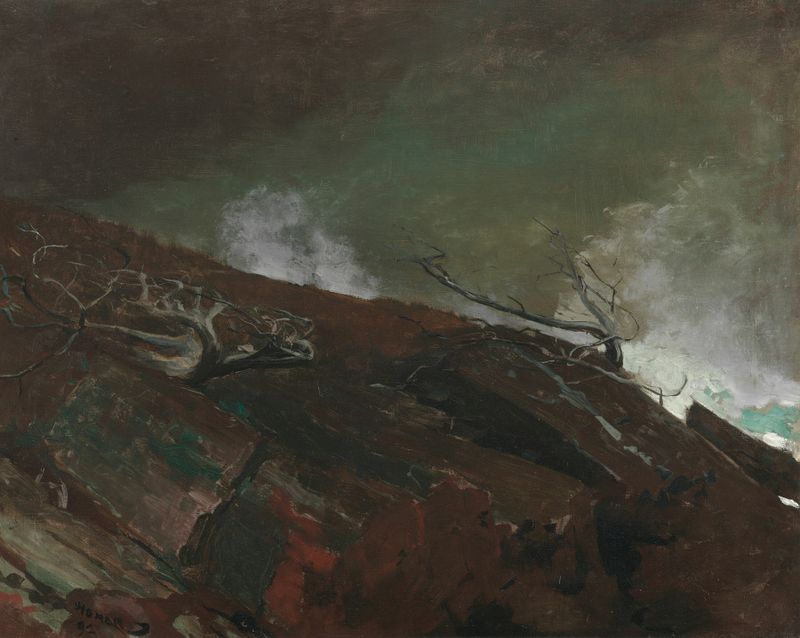
Coast of Maine
Winslow Homer
Bass Fishing – Florida
Winslow Homer





