
The Entombment — History & Facts
No other depiction of Christ’s burial by Simon Vouet is known, making The Entombment a unique testament to the artist’s engagement with this solemn episode. Vouet, a leading figure of the early Baroque in France, is better known for his grand altarpieces and court commissions, but here he turns to a scene that has challenged artists from Caravaggio to Titian. The absence of a documented commission or precise date adds a layer of mystery: was this painted for private devotion, or as a model for a larger project? Its singularity among Vouet’s surviving works invites speculation about its original purpose and audience. At the heart of the painting is the moment when Christ’s followers, heavy with grief, lower his lifeless body into the tomb.
The composition draws the viewer’s eye to the interplay of hands: Mary Magdalene’s tender grasp at Christ’s arm, the Virgin’s collapsed posture, and the careful support offered by Joseph of Arimathea and Nicodemus. Vouet’s use of dramatic lighting carves the figures from the darkness, focusing attention on Christ’s pale form and the sorrow etched on each face. The gestures and arrangement recall Caravaggio’s The Entombment of Christ, yet Vouet’s figures are more idealized, their grief contained within graceful lines and luminous color, emphasizing hope as much as loss. The history of The Entombment as an object is still partly veiled.
Its medium and early provenance remain uncertain, typical of many works by Simon Vouet whose career spanned both Italy and France in the early 17th century. While Vouet’s fame in his own time was considerable—he served as First Painter to Louis XIII—this painting’s journey through collections is not well documented. Today, it stands as a rare example of Vouet’s religious painting outside his major commissions, offering insight into his synthesis of Italian Baroque drama and French elegance.
Its survival allows us to glimpse a quieter, more intimate side of an artist better known for courtly spectacle.
More Artworks by Simon Vouet

Portrait of Louis XIII
Simon Vouet
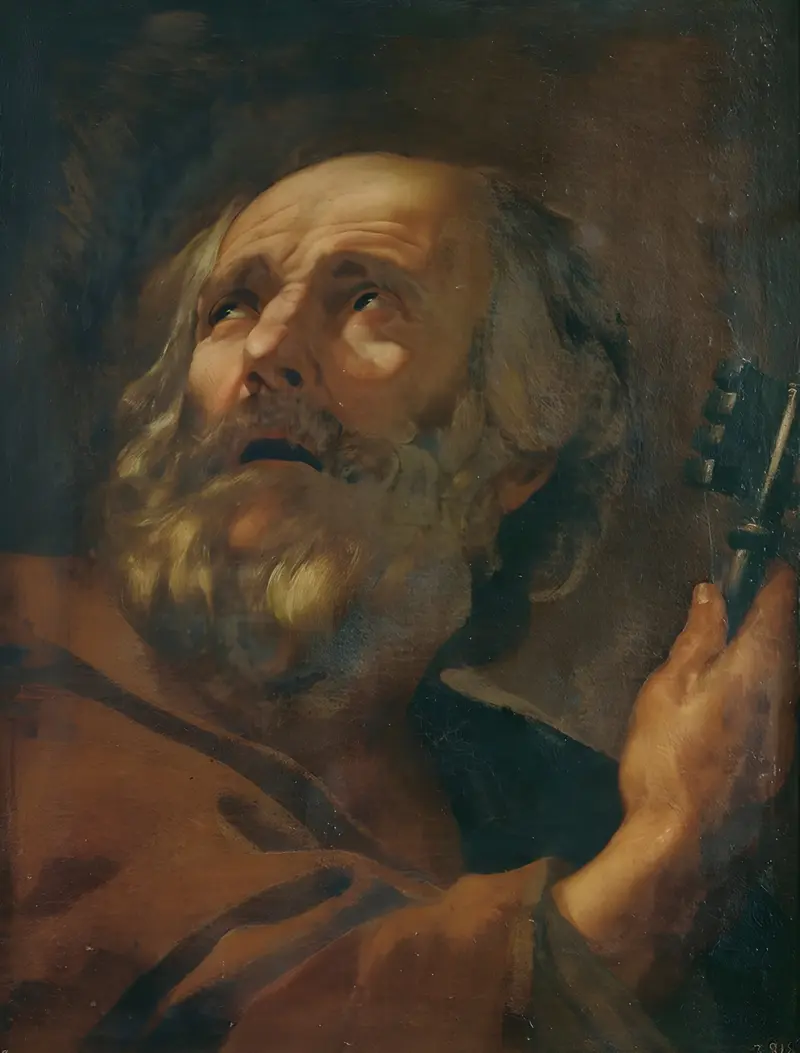
Saint Peter
Simon Vouet
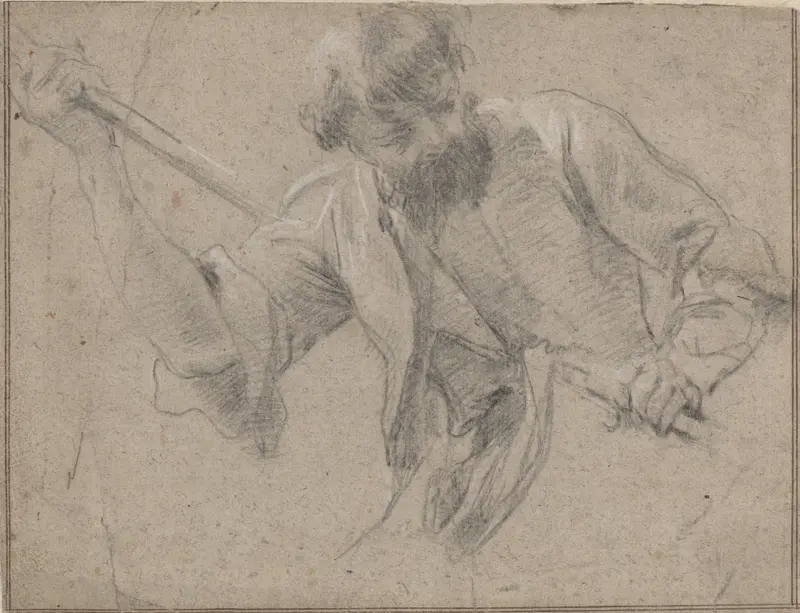
A Bearded Man with a Staff
Simon Vouet
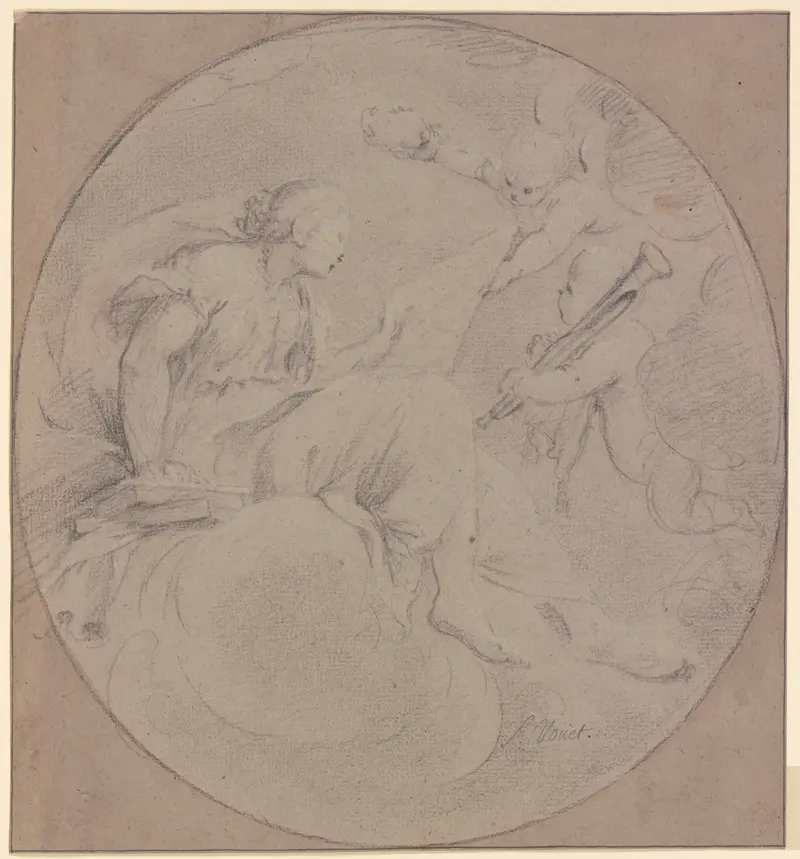
Die Muse der Musik mit zwei Genien, deren einer eine Trompete trägt
Simon Vouet
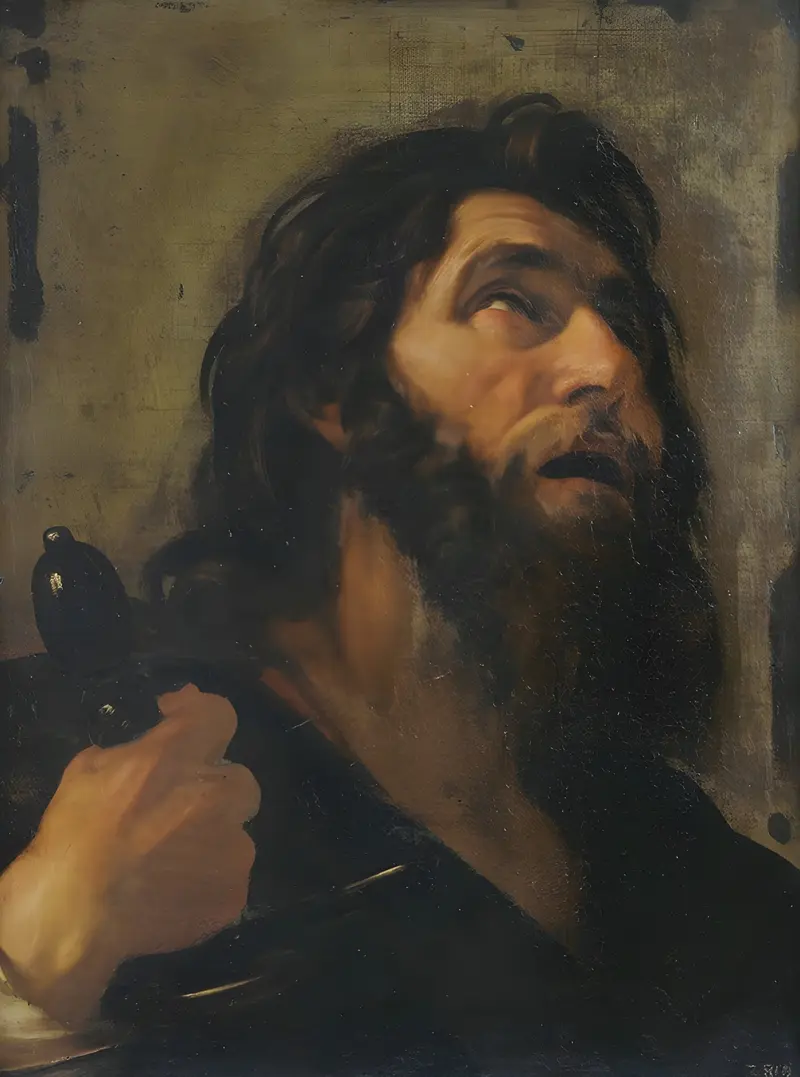
Saint Paul
Simon Vouet
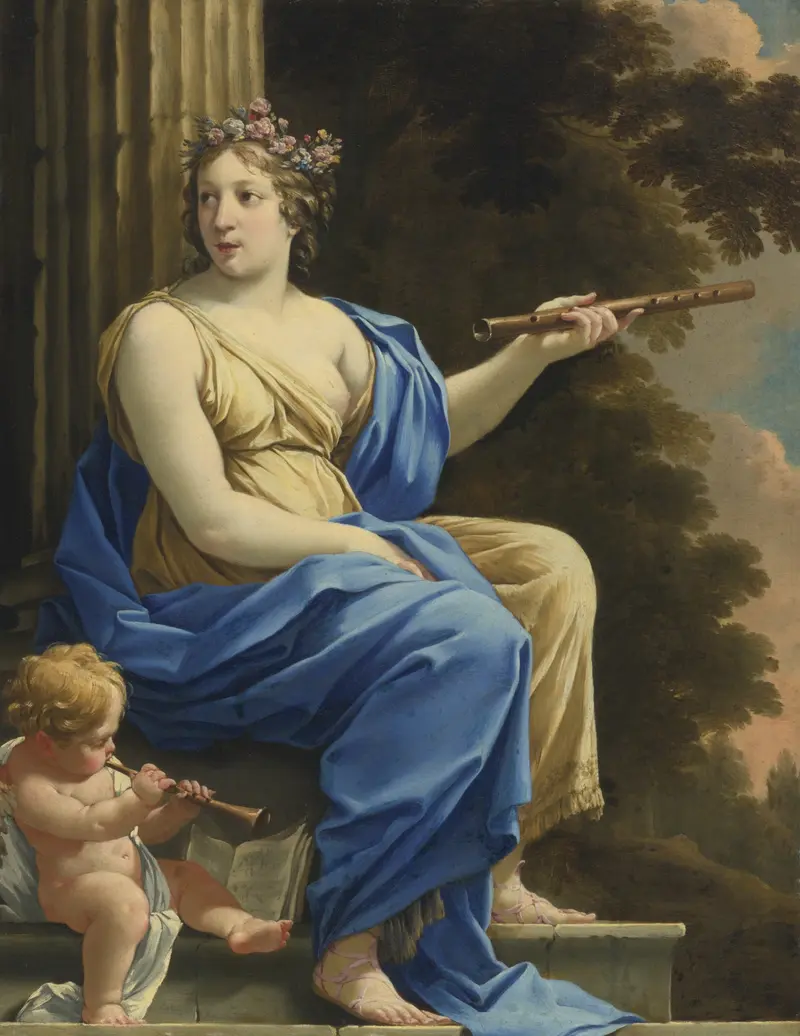
Euterpe, The Muse Of Music And Lyric Poetry
Simon Vouet
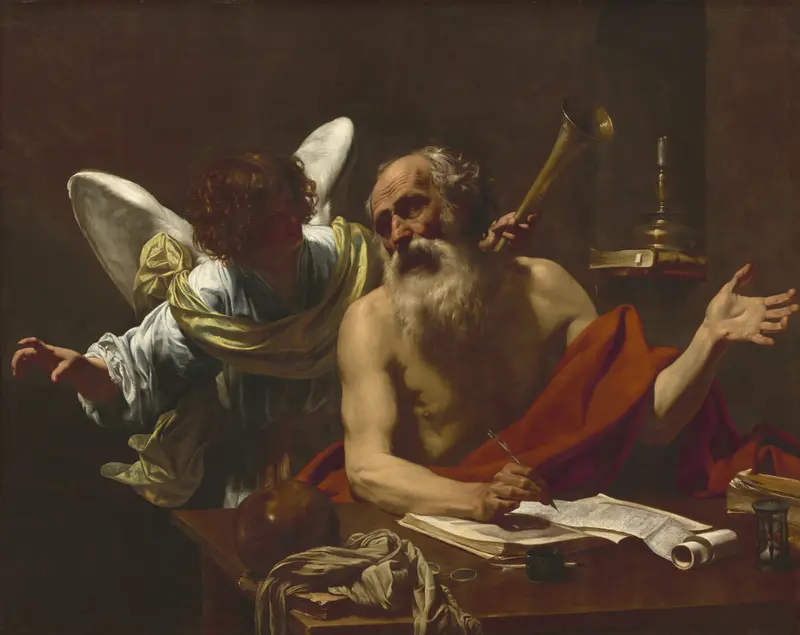
Saint Jerome and the Angel
Simon Vouet
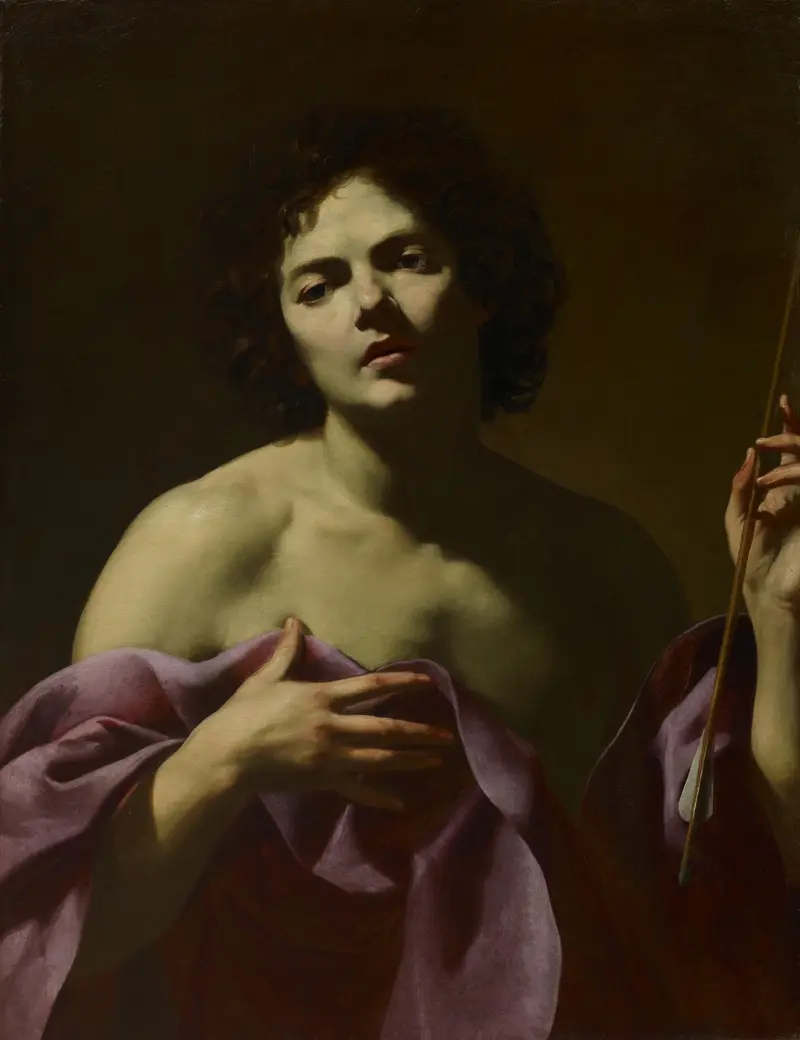
Saint Sebastian
Simon Vouet
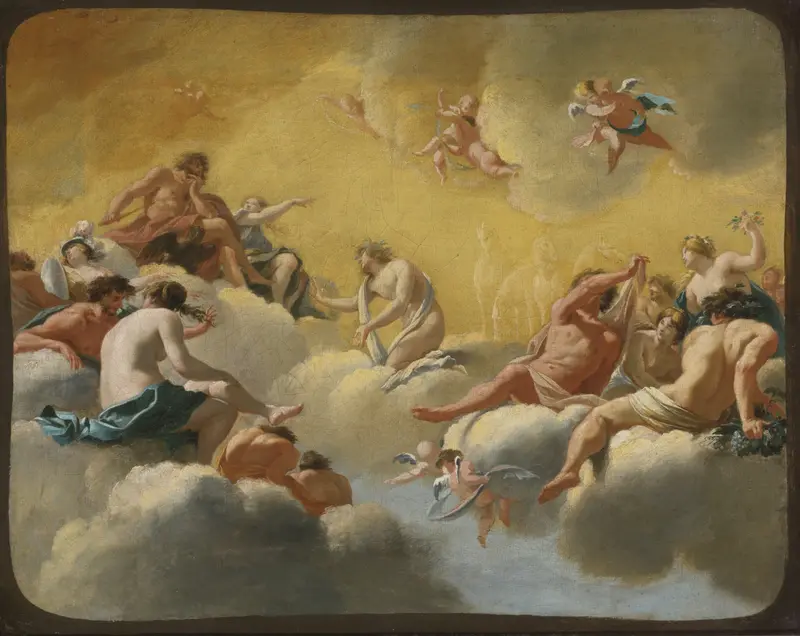
Assembly Of The Gods
Simon Vouet
Madonna and Child
Simon Vouet





