
The Entrance to the Witch's Castle — History & Facts
A carriage teeters on the brink of disaster, its wheels barely clinging to a crumbling bridge that spans a dizzying chasm. The horses, rendered as spectral, almost dragon-like creatures, surge forward with impossible energy, their forms dissolving into the air as if conjured by a fevered imagination. Above, a crescent moon hangs over the clustered rooftops of a distant town, while the looming silhouette of a castle—its turrets black against the sky—waits at the end of the perilous road.
Every line in The Entrance to the Witch's Castle by Arthur Rackham feels charged with tension, inviting the viewer to imagine what force drives this desperate journey, and what fate awaits at the castle’s gate. This drawing belongs to the world of late nineteenth and early twentieth-century illustration, when artists like Rackham brought fairy tales and legends to life for a new generation of readers. Commissioned for books, magazines, and private collectors, such works were meant to both enchant and unsettle, their fantastical imagery reflecting the era’s fascination with the supernatural and the unknown. The inky, restless lines and dramatic contrasts seen here are signatures of Rackham’s style, which helped define the look of British fantasy illustration.
While the precise date and medium of this piece remain undocumented, its presence in a modern collection—offered through Christie’s—reminds us how these visions of mystery and peril still beckon us to peer closer, searching for stories in every shadow.
More Artworks by Arthur Rackham
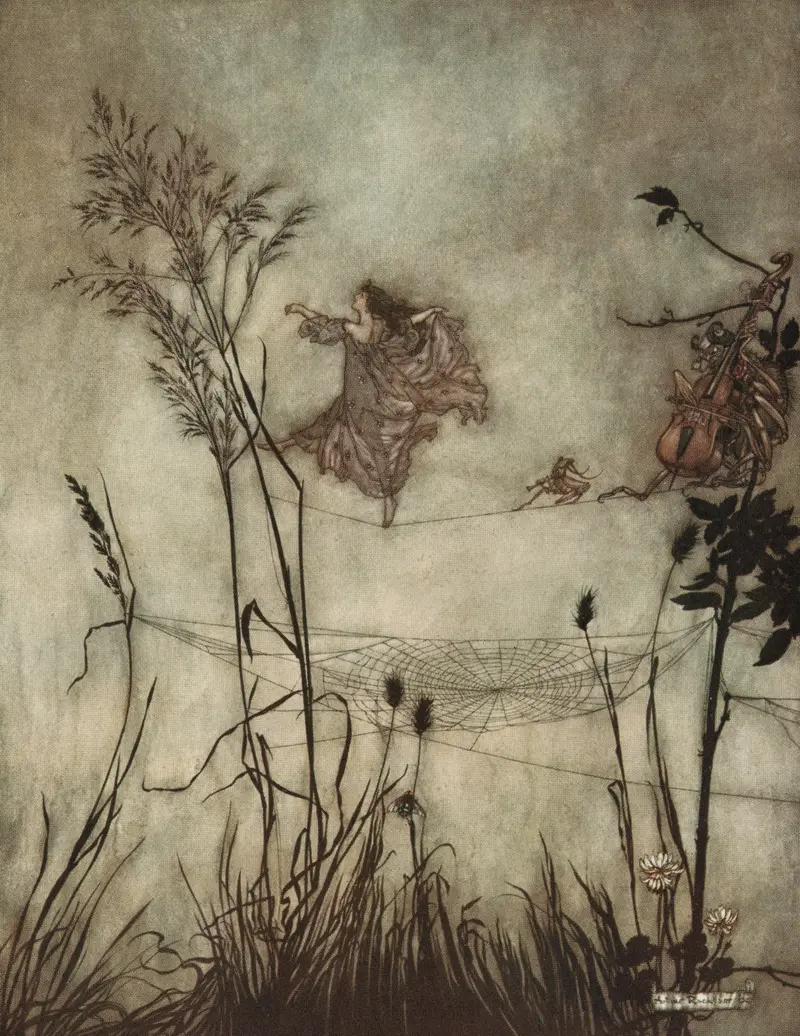
The Fairies Are Exquisite Dancers
Arthur Rackham
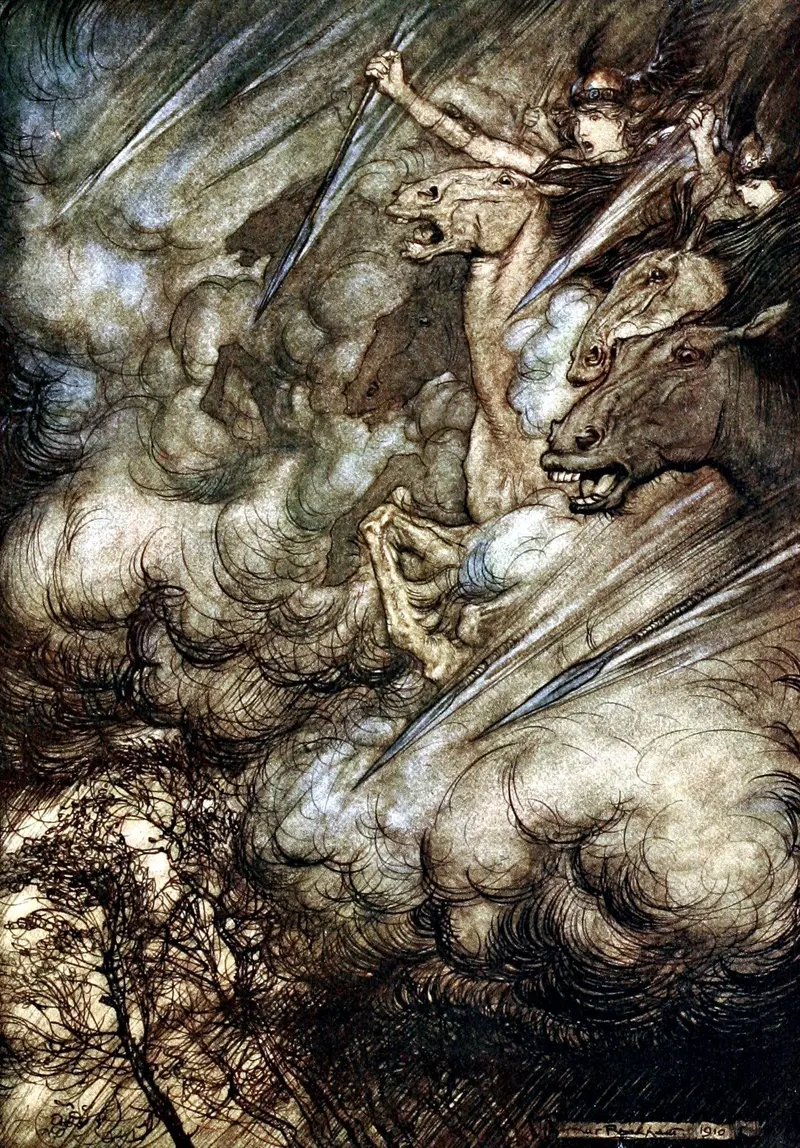
The Ride of the Valkyries
Arthur Rackham

Arthur Rackham ('A Transpontine Cockney')
Arthur Rackham
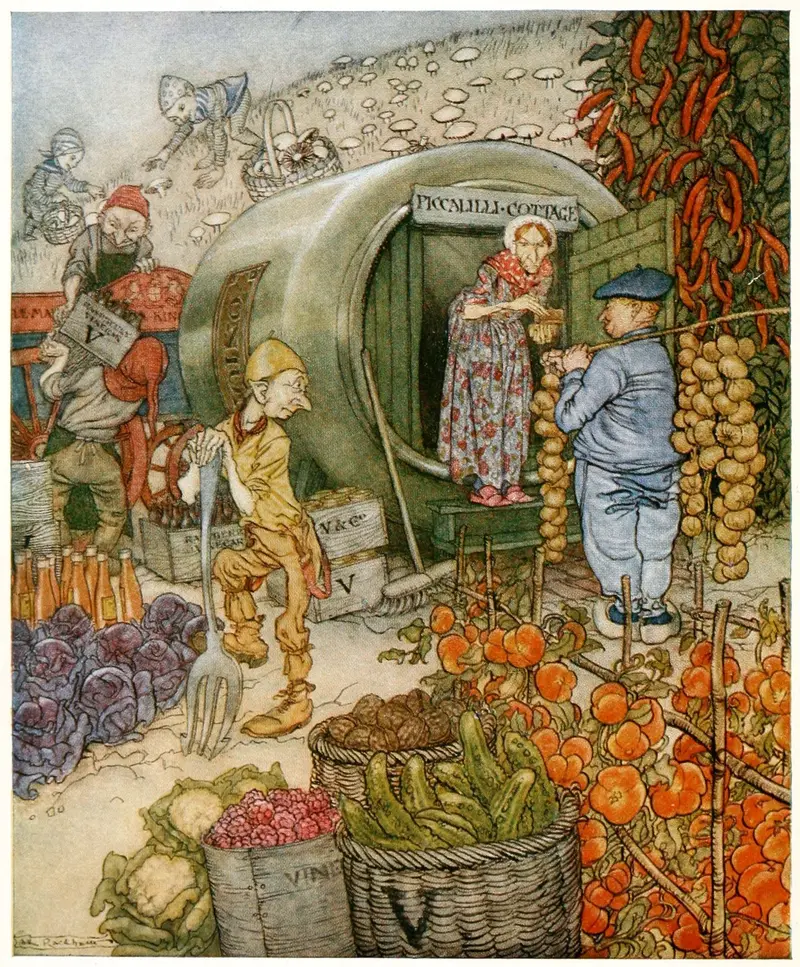
English Fairy Tales (Frontispiece)
Arthur Rackham
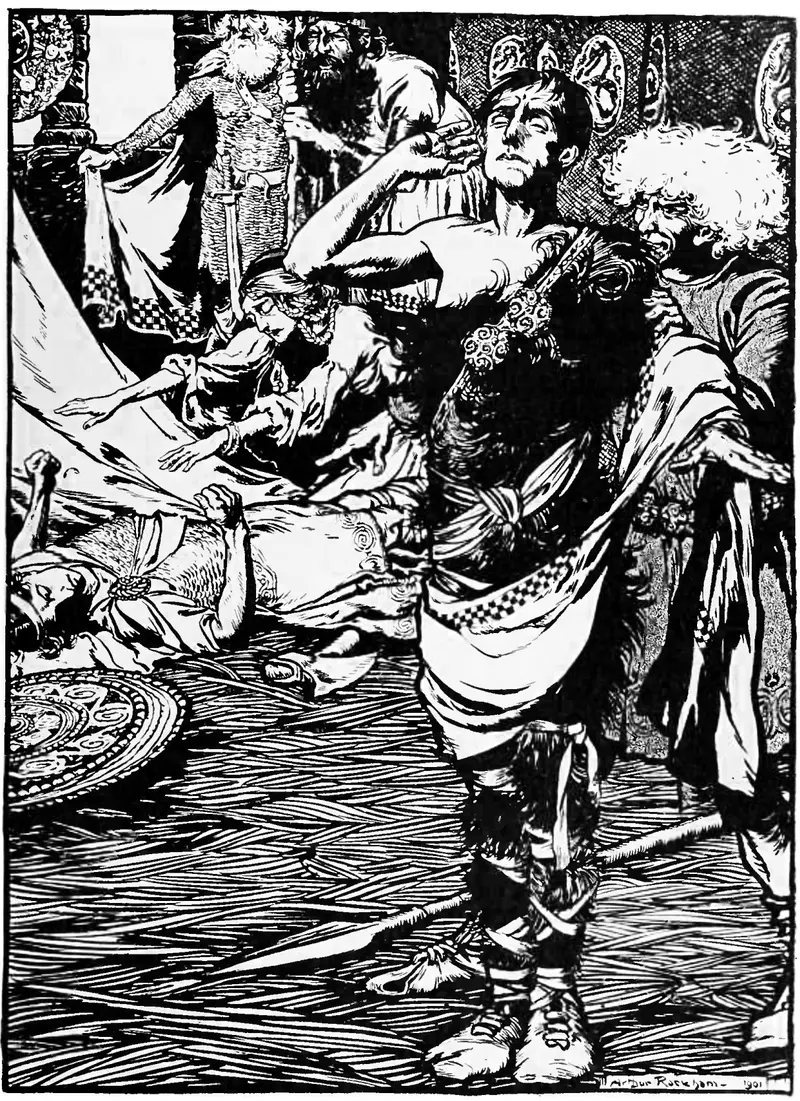
There Broke Forth a Wailing and a Lamentation
Arthur Rackham
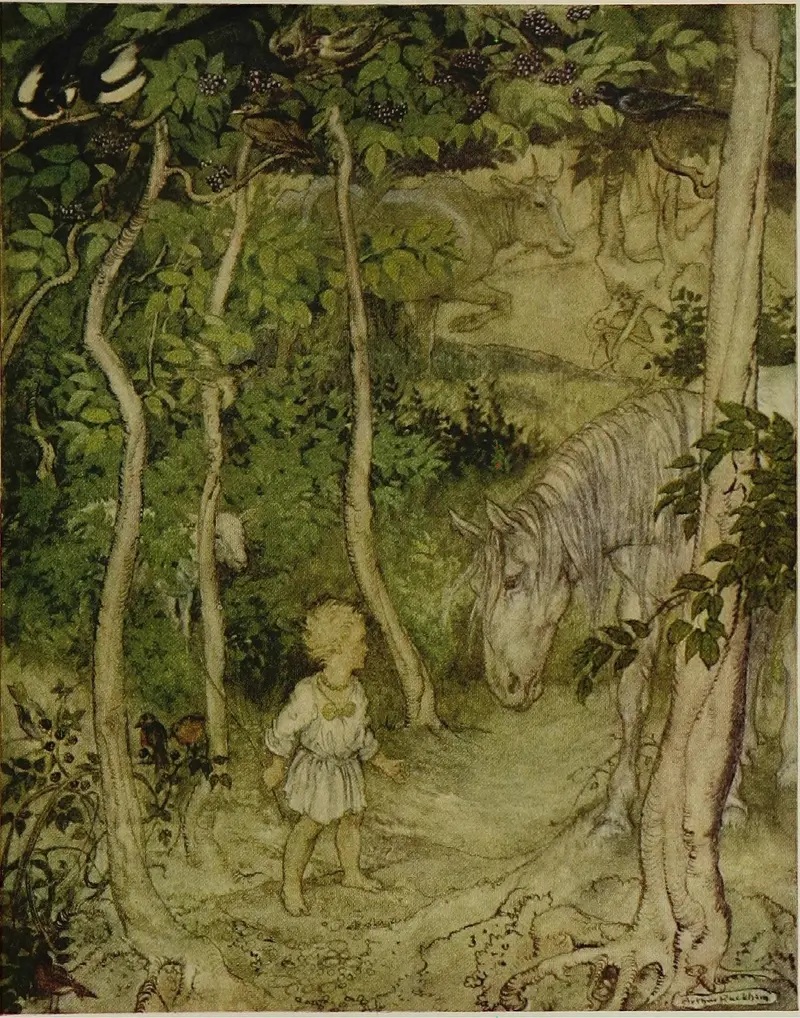
Irish Fairy Tales
Arthur Rackham
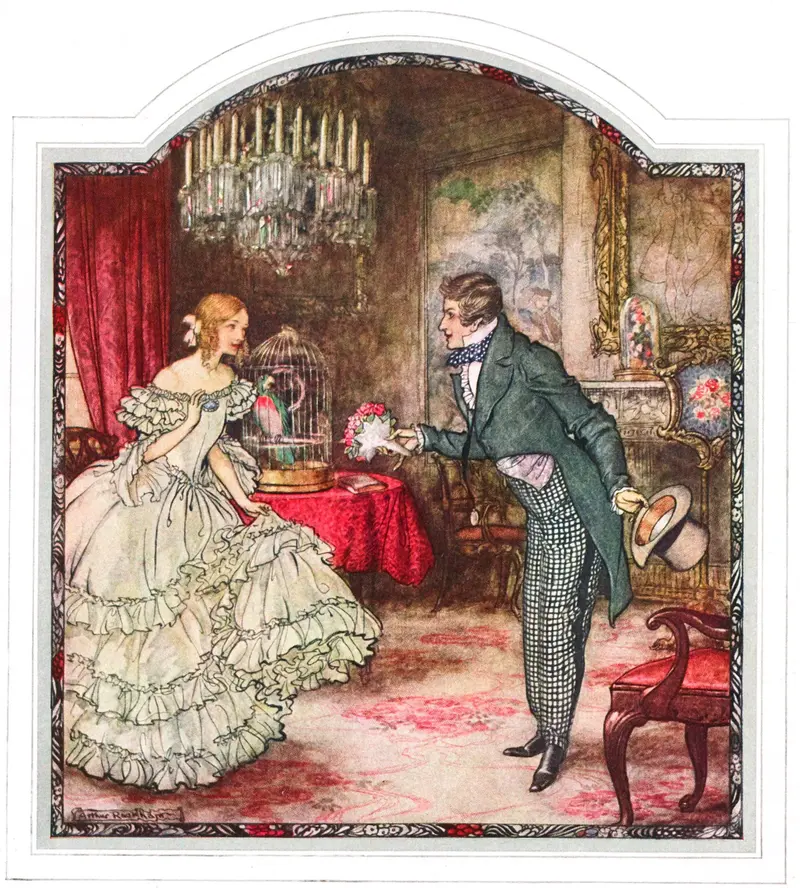
The Bouquet
Arthur Rackham

Mother Goose: The Old Nursery Rhymes
Arthur Rackham
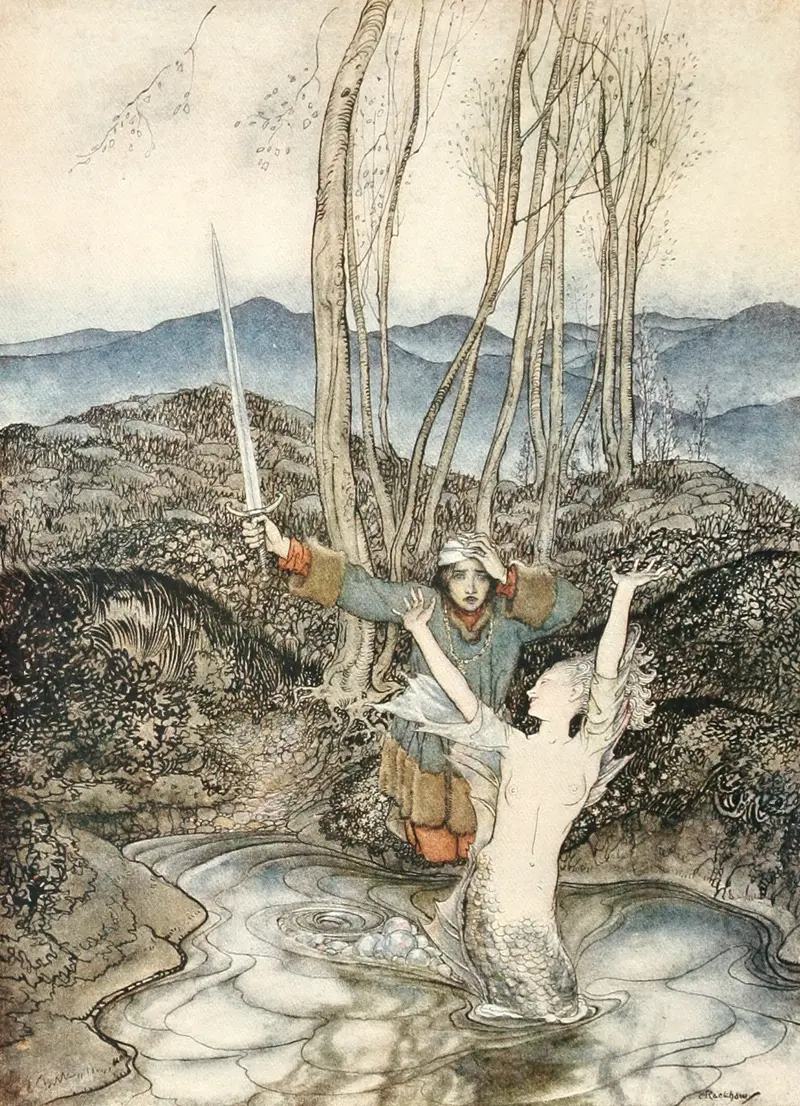
Clerk Colvill and the Mermaid
Arthur Rackham
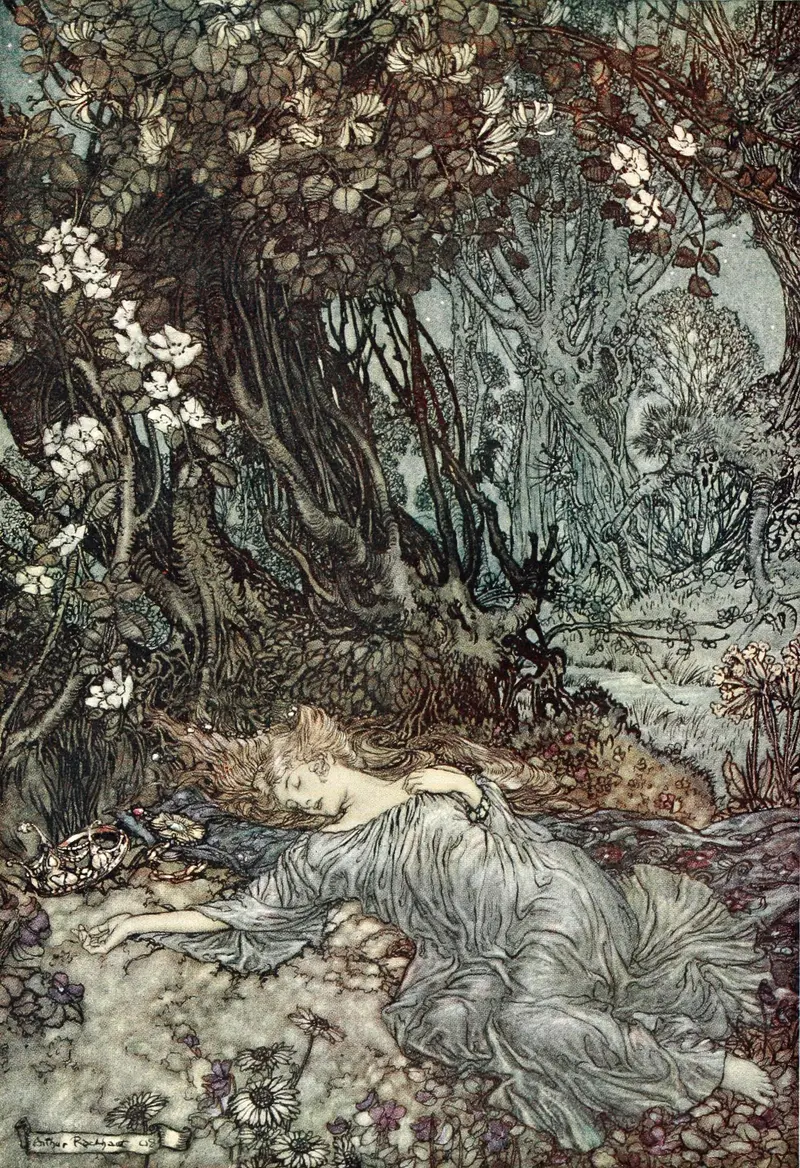
Titania Lying Asleep (A Midsummer Night's Dream)
Arthur Rackham





