
The Evening Coach, London in the Distance — History & Facts
Can paint confess what words never could? In The Evening Coach, London in the Distance, the viewer is drawn into an awe-inspiring world where fleeting moments of life and the vastness of nature coalesce into a harmonious tableau. Look to the left at the darkening sky, where shades of deep blue and violet blend together, suggesting the end of day. Notice the intricately rendered coach, its horses straining forward, illuminated by the warm glow of a lantern that casts gentle light across the scene. The distant silhouette of London looms majestic yet subdued, hinting at the bustling life beyond this tranquil setting.
The composition balances movement and stillness, inviting you to feel the anticipation of the journey ahead. In this artwork, a duality emerges between the chaos of city life and the serene escape of the countryside. The coach serves as a vessel of transition, embodying both freedom and confinement; it carries the promise of adventure yet is bound to its path. The soft glow of evening light juxtaposes the encroaching darkness, evoking a sense of nostalgia for moments slipping away, a reminder of life’s fleeting nature. In 1805, Philip James de Loutherbourg was in London, immersed in the Romantic movement that sought to evoke emotion and the sublime through art.
Amidst a society grappling with industrialization and the rapid changes of modern life, this painting reflects a yearning for connection with nature and a longing for simpler times, embodying the tension between progress and the past that defined this era.
More Artworks by Philip James de Loutherbourg
Browse all →
Iron Works, Colebrook Dale
Philip James de Loutherbourg
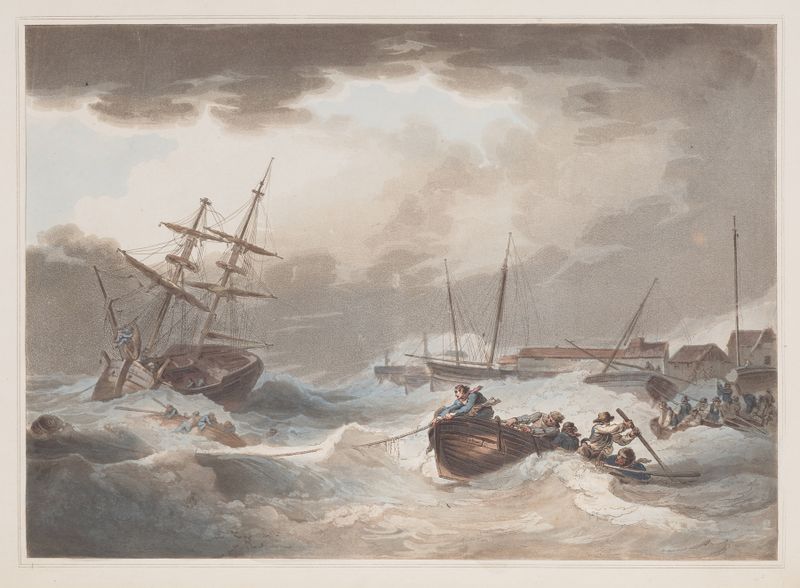
Storm off Margate
Philip James de Loutherbourg
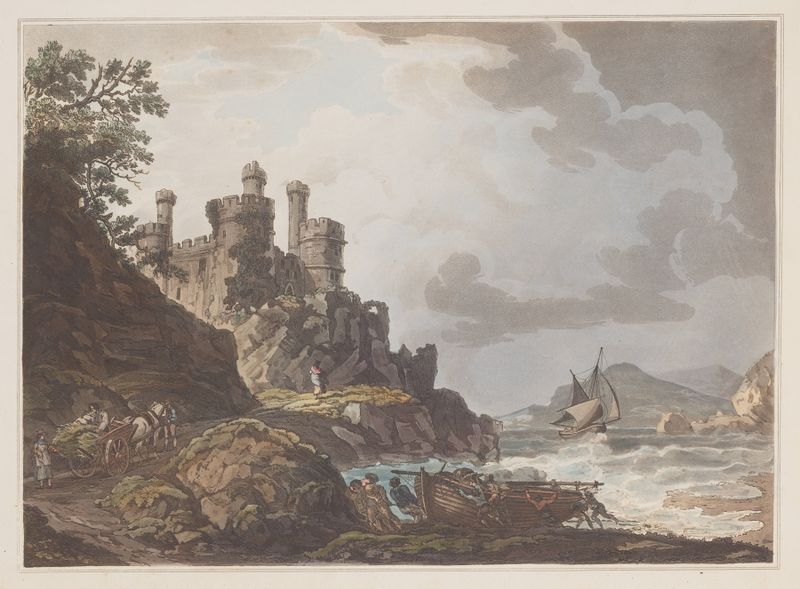
Conway Castle
Philip James de Loutherbourg
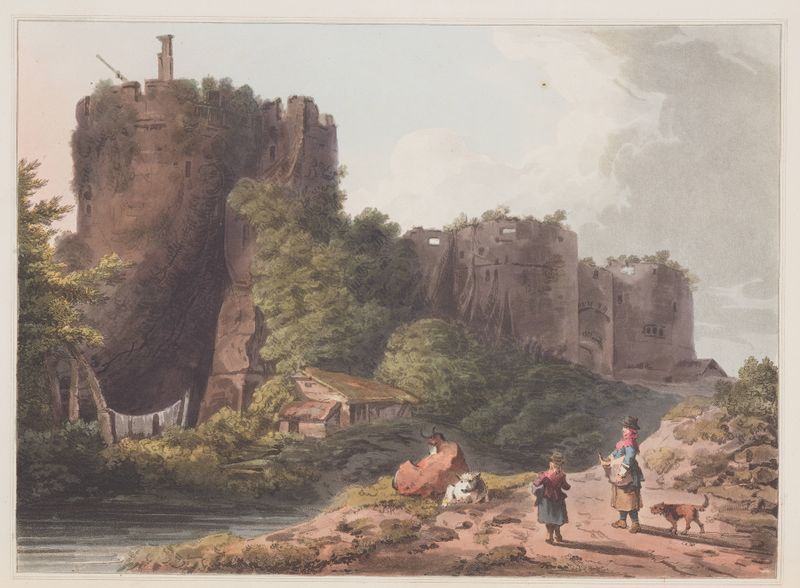
Chepstow Castle in Monmouthshire
Philip James de Loutherbourg
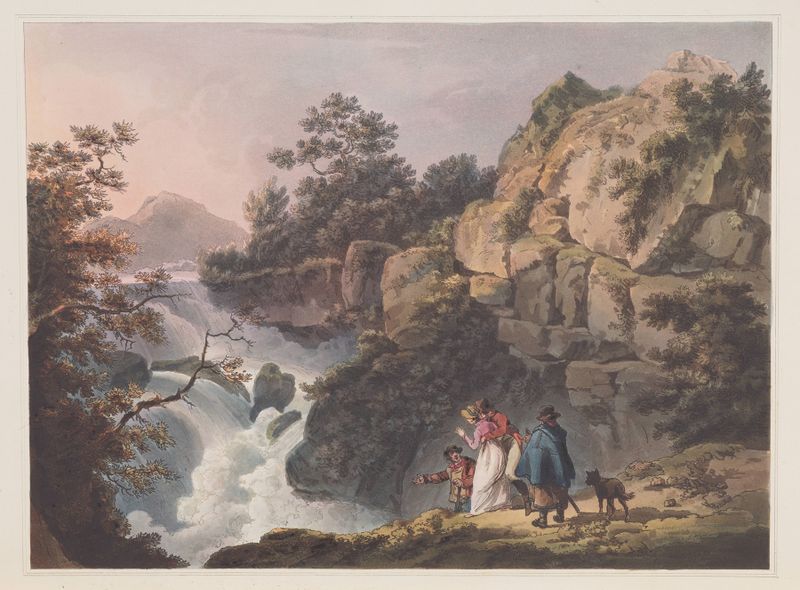
Cataract on the Llugwy
Philip James de Loutherbourg

Tintern Abbey
Philip James de Loutherbourg
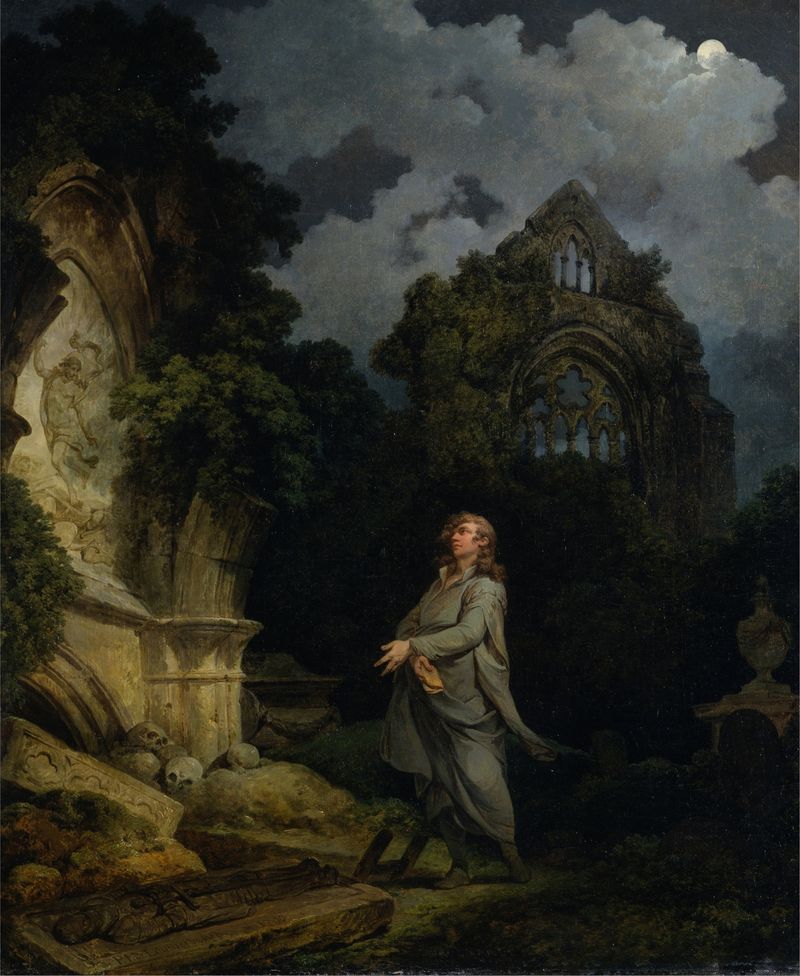
Visitor to a Moonlit Churchyard
Philip James de Loutherbourg

A Storm at the Entrance of a Mediterranean Port
Philip James de Loutherbourg
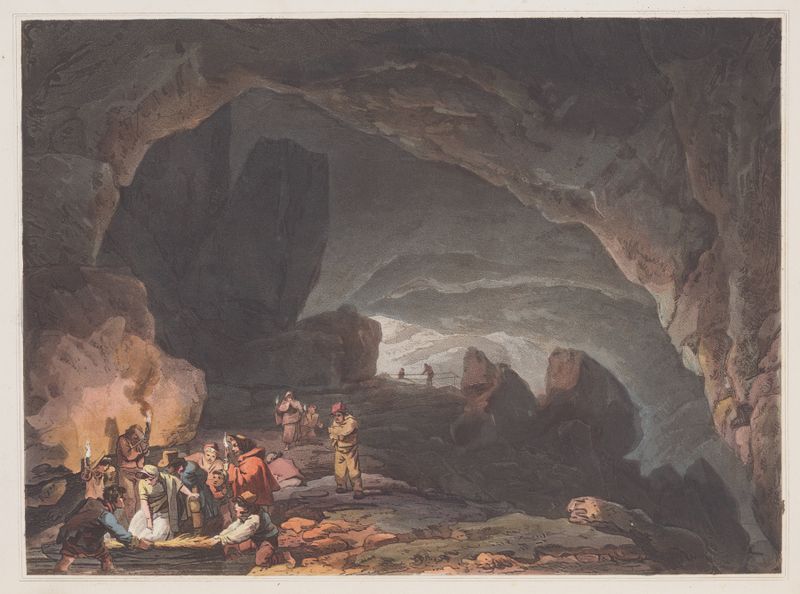
Peak’s Hole, Derbyshire
Philip James de Loutherbourg
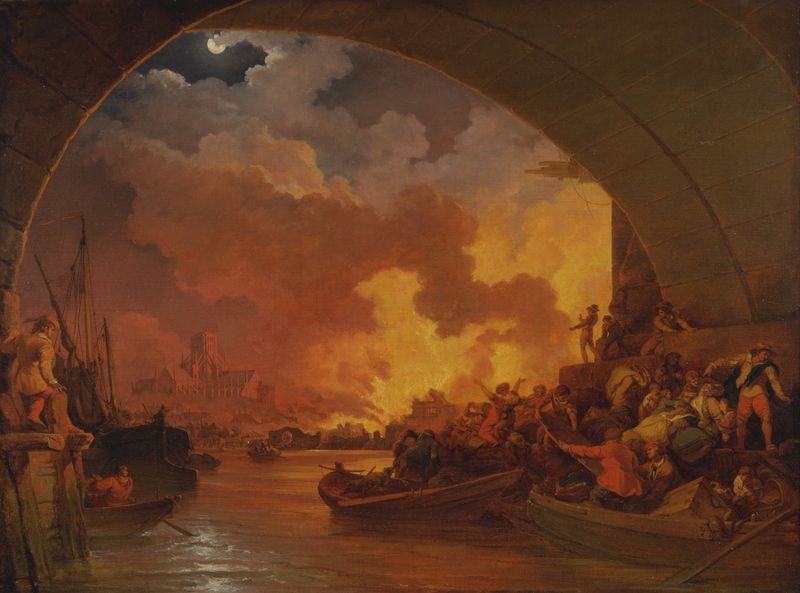
The Great Fire of London
Philip James de Loutherbourg





