
The Farm at Little Town — History & Facts
What draws the eye first is not the farm itself, but the quiet exchange between a small girl and a dignified cat, caught mid-gesture in a moment of gentle inquiry. The girl’s brown cloak and blue bonnet set her apart from the pale farm buildings and the scattered hens, her posture leaning forward with a sense of purpose and hope. The cat, perched atop a wooden box, appears almost human in its composure, one paw lifted thoughtfully to its mouth as if pondering the mystery presented to it.
The soft, almost misty light lends the whole scene a hush, as if the world is pausing to listen in on their conversation. Every detail — the careful line of the path, the tilt of the gate, the scattered hens — guides the viewer back to this intimate encounter, inviting us to imagine the lost handkerchiefs and the small dramas of a child’s day. Created in 1905 for The Tale of Mrs. Tiggy-Winkle, this illustration belongs to the golden age of British children’s books, when artists like Beatrix Potter transformed everyday rural life into a stage for gentle adventure.
These works were not grand commissions for aristocratic patrons, but rather crafted for the delight and instruction of children, often drawing on the artist’s own surroundings and affections. The world here is recognizably that of early twentieth-century England: a time when the countryside was both home and playground, and animals were imagined as neighbors with secrets of their own. Though history has kept few traces of the individual journey of this particular illustration, it endures in the pages of beloved storybooks, inviting each new reader to step quietly into Lucie’s shoes and ask, just for a moment, what the cat might say.
More Artworks by Beatrix Potter
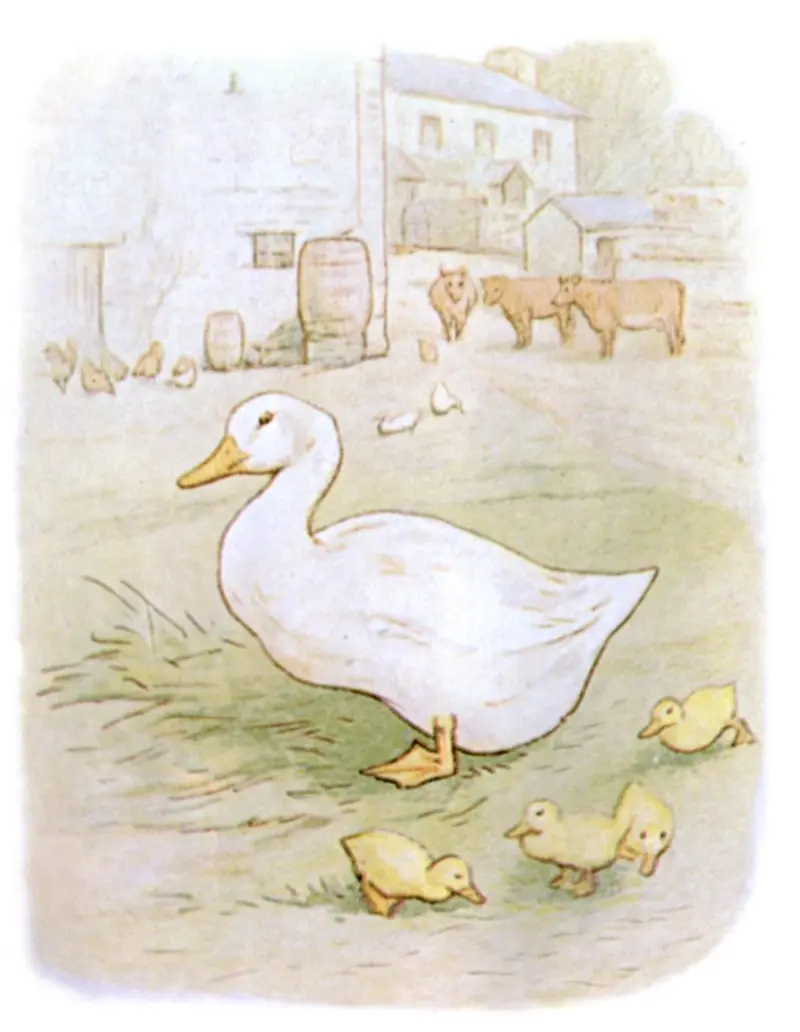
Jemima Puddle-Duck and Her Ducklings
Beatrix Potter

The Invitation
Beatrix Potter
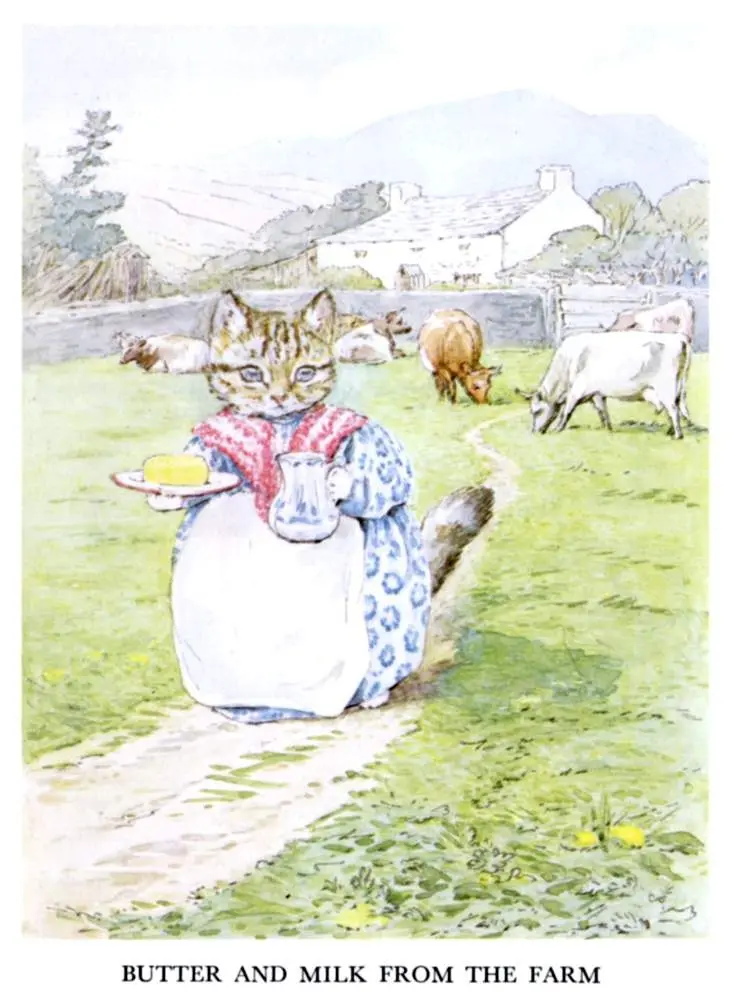
Butter and Milk from the Farm
Beatrix Potter
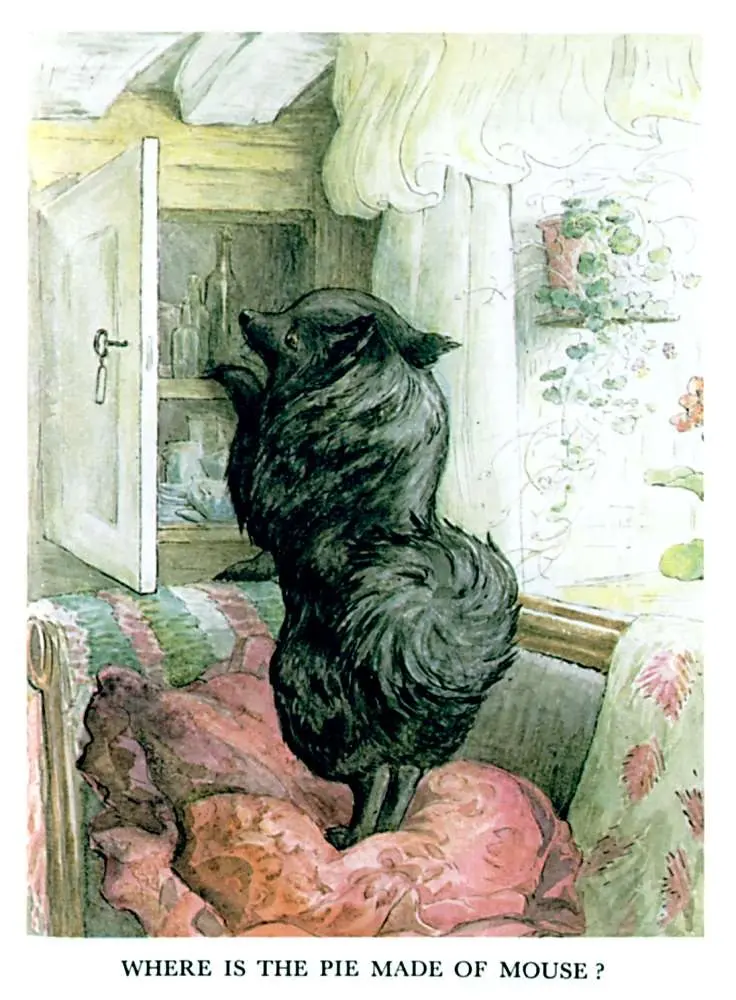
Where Is the Pie Made of Mouse?
Beatrix Potter
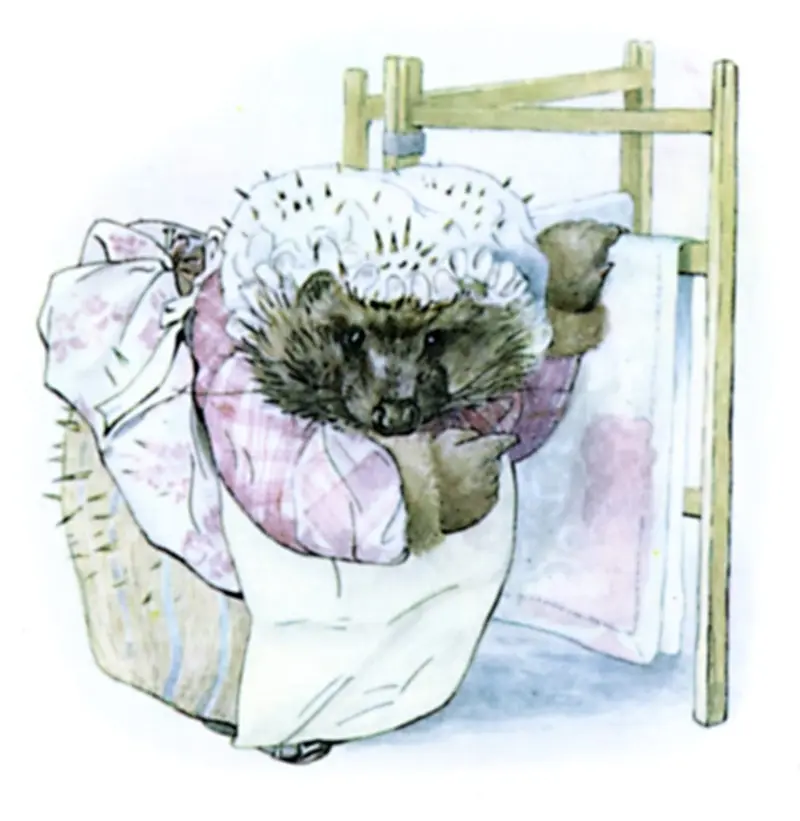
Mrs Tiggy-Winkle and the Clothes Horse
Beatrix Potter

Jemima Puddle-Duck and the Foxy Gentleman
Beatrix Potter
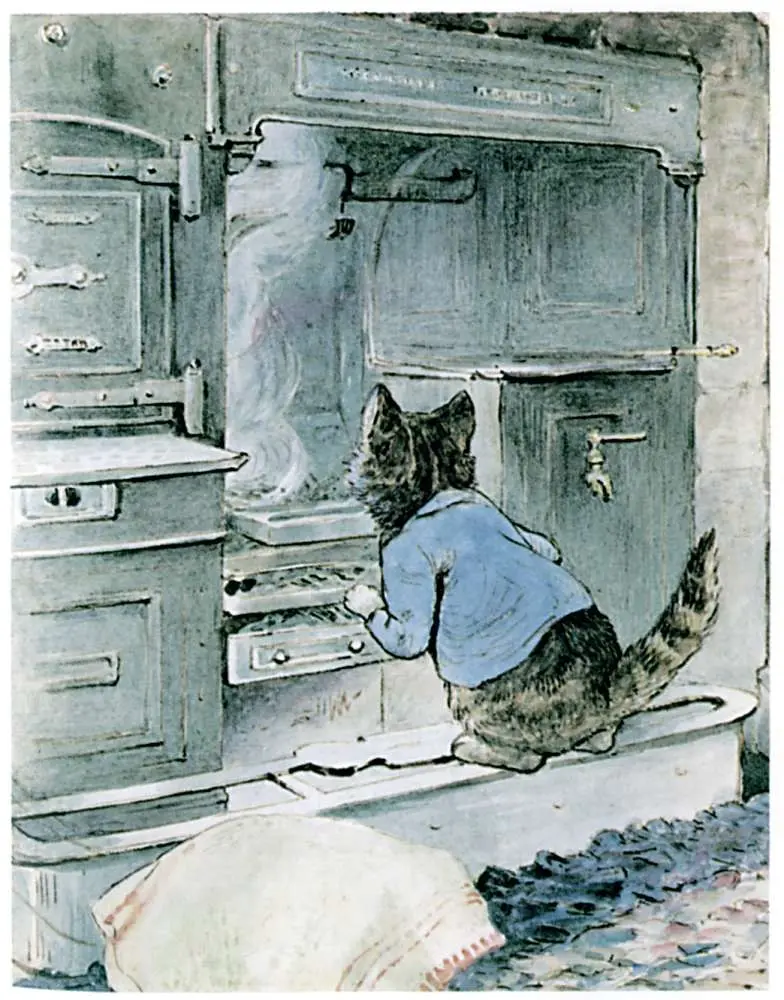
Tom Kitten and the Kitchen Range
Beatrix Potter
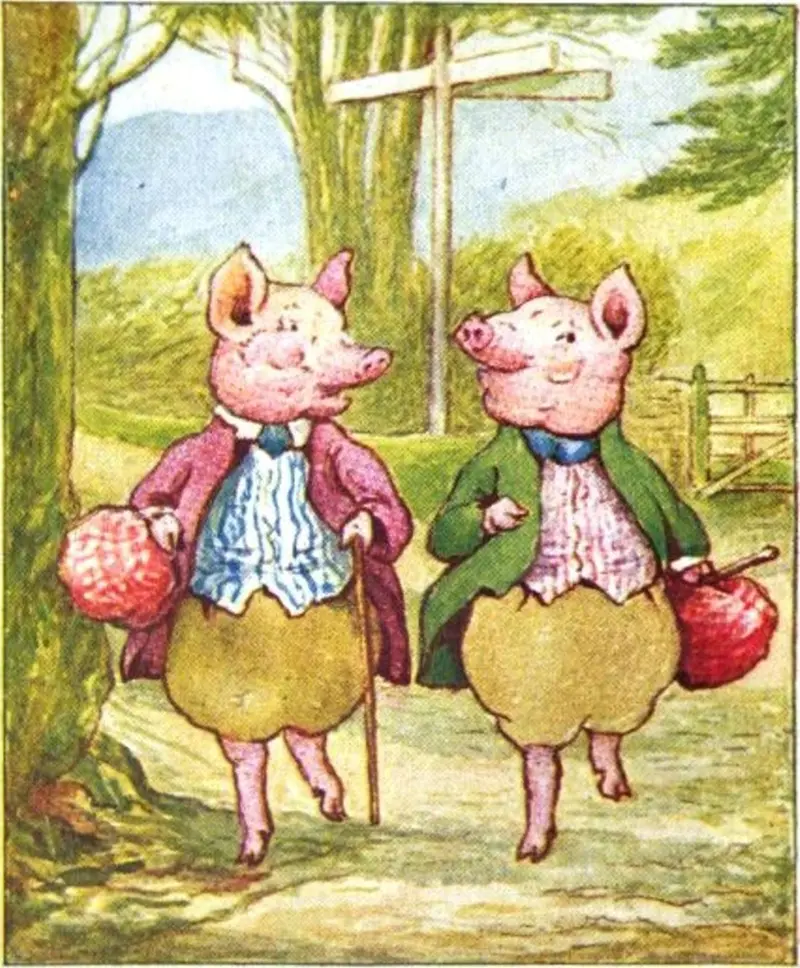
Pigling Bland and Alexander
Beatrix Potter
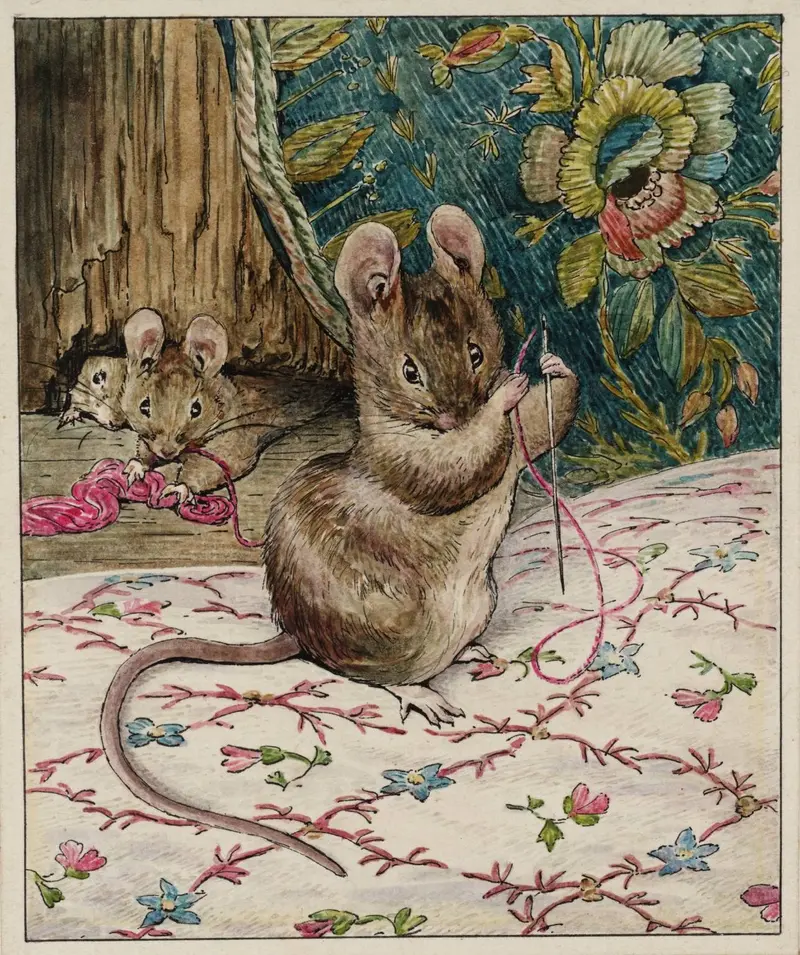
The Tailor's Mice at Work
Beatrix Potter
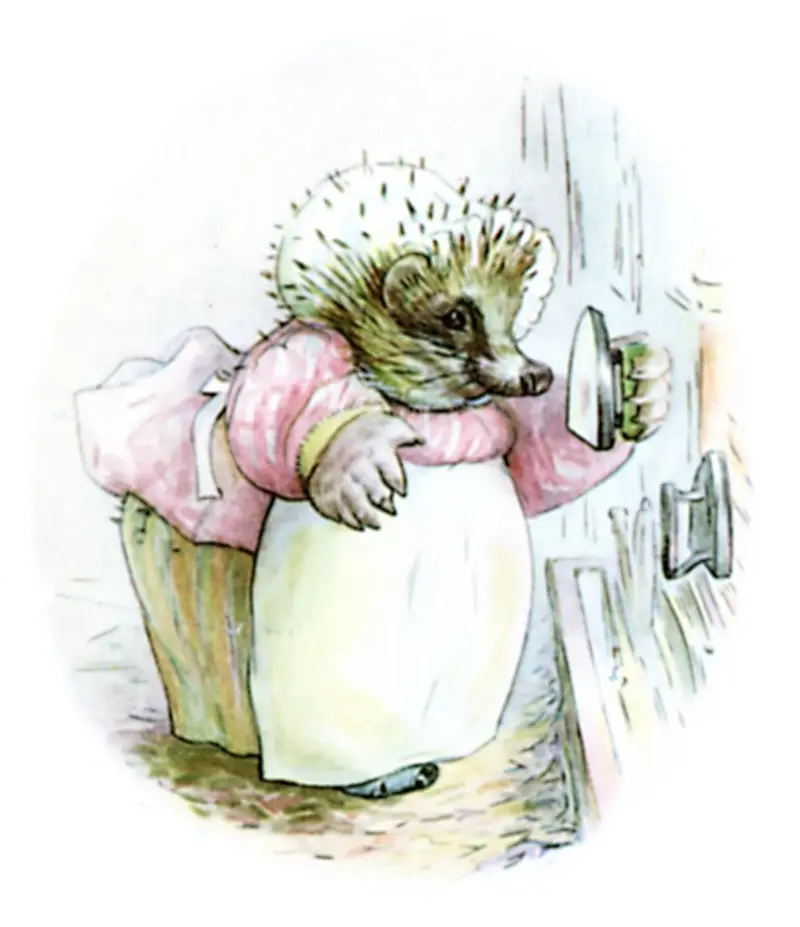
Mrs Tiggy-Winkle the Washerwoman
Beatrix Potter
More Genre Scene Art

Banquet of the Officers of the St George Civic Guard
Frans Hals

Rembrandt and Saskia in the Scene of the Prodigal Son
Rembrandt van Rijn

Bal du moulin de la Galette
Pierre-Auguste Renoir

Quadrille at the Moulin Rouge
Henri de Toulouse-Lautrec

A Burial at Ornans
Gustave Courbet

When Will You Marry?
Paul Gauguin