
The Flagellation of Christ — History & Facts
When Fra Angelico painted The Flagellation of Christ around 1450, he chose a subject that had already stirred debate and devotion across Europe. The flagellation—Christ's scourging at the pillar—was a scene of intense meditation for Christian viewers, but Angelico’s version stands out for its serenity amid violence. Unlike the more brutal depictions favored by later artists, his Christ remains composed, almost luminous, even as the drama unfolds.
This approach reflects the painter’s own life as a Dominican friar, devoted to contemplation and prayer. At the center, Christ stands bound to a slender column, his body turned in gentle resignation as two figures raise whips to strike him. The artist’s delicate handling of flesh and drapery softens the brutality: Christ’s pale skin glows against the darker, angular forms of his tormentors. The composition draws the eye to Christ’s calm face, eyes lowered, accepting his suffering.
In the background, a third figure looks on, perhaps a Roman official or a silent witness, heightening the sense of isolation. Compared to Piero della Francesca’s later Flagellation, which is coolly architectural and enigmatic, Fra Angelico’s scene is intimate and devotional, inviting the viewer to share in Christ’s endurance. The precise origins of this panel are not fully documented, but it was likely painted for private devotion, possibly commissioned by a member of the Dominican order or a Florentine patron seeking spiritual reflection. Fra Angelico spent his final years in Rome, working for Pope Nicholas V, and this work belongs to his mature period, when his art grew more refined and inward-looking.
Over centuries, many of his smaller panels were dispersed from their original settings, passing through collectors’ hands before entering museum collections. Today, The Flagellation of Christ is recognized as a testament to Fra Angelico’s unique ability to blend narrative clarity with spiritual intensity, a hallmark of the early Renaissance.
More Artworks by Fra Angelico

Condemnation of St Lawrence by the Emperor Valerian
Fra Angelico
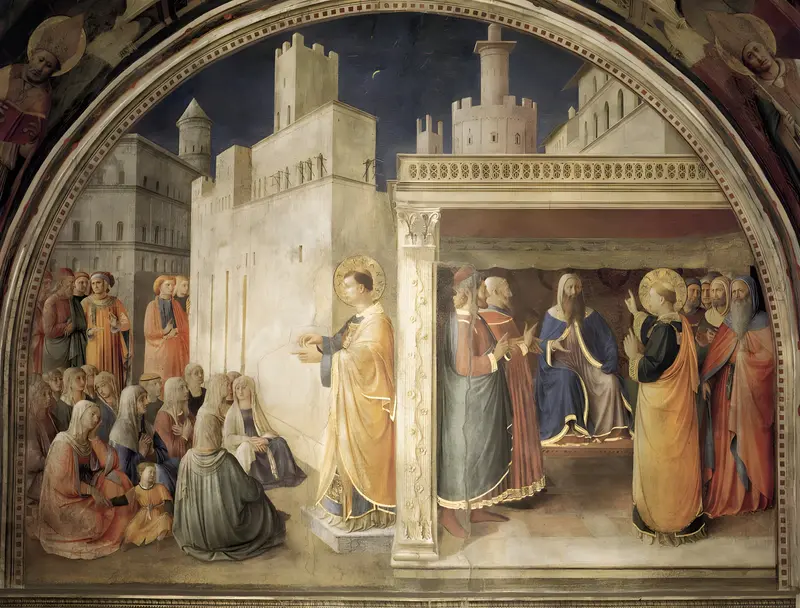
Lunette of the north wall
Fra Angelico
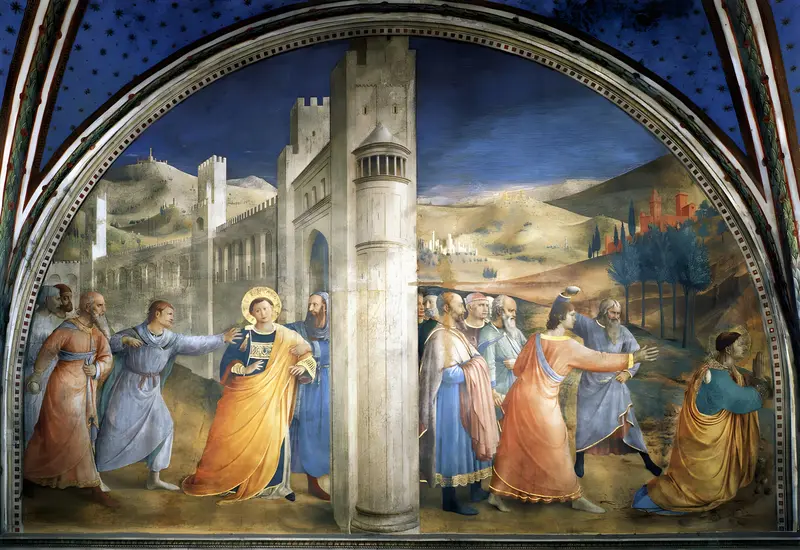
Lunette of the east wall in Niccoline Chapel
Fra Angelico
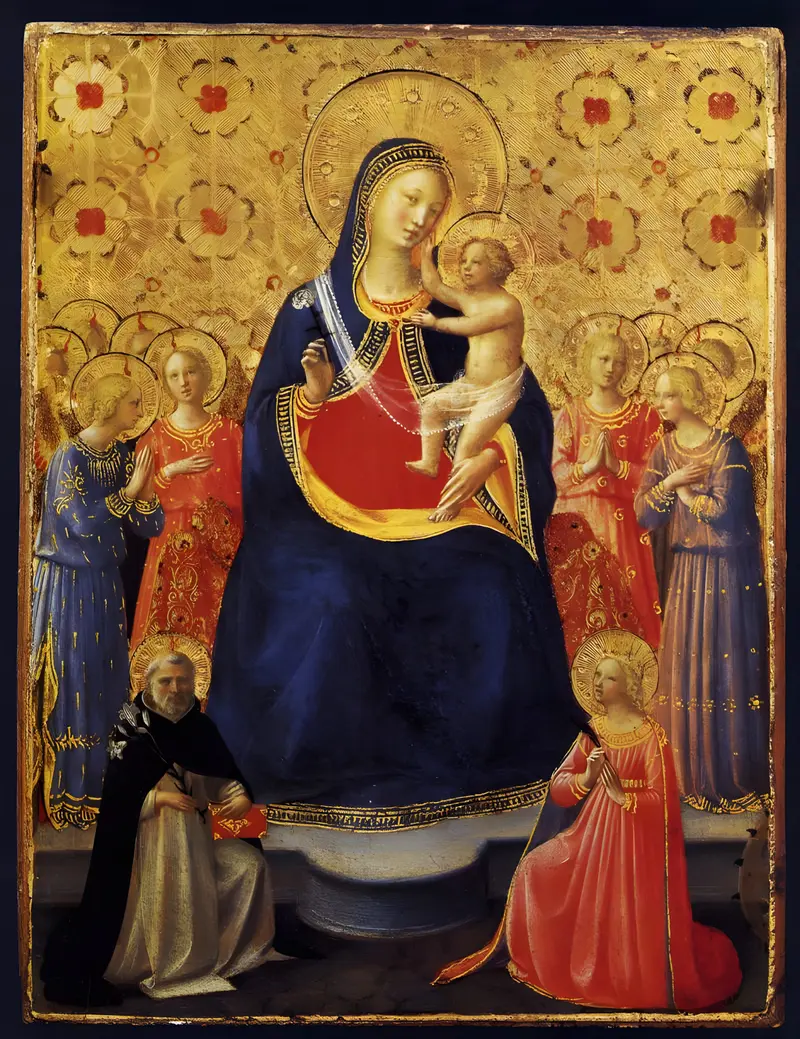
Madonna and Child Enthroned with Nine Angels and Saints Dominic and Catherine of Alexandria
Fra Angelico
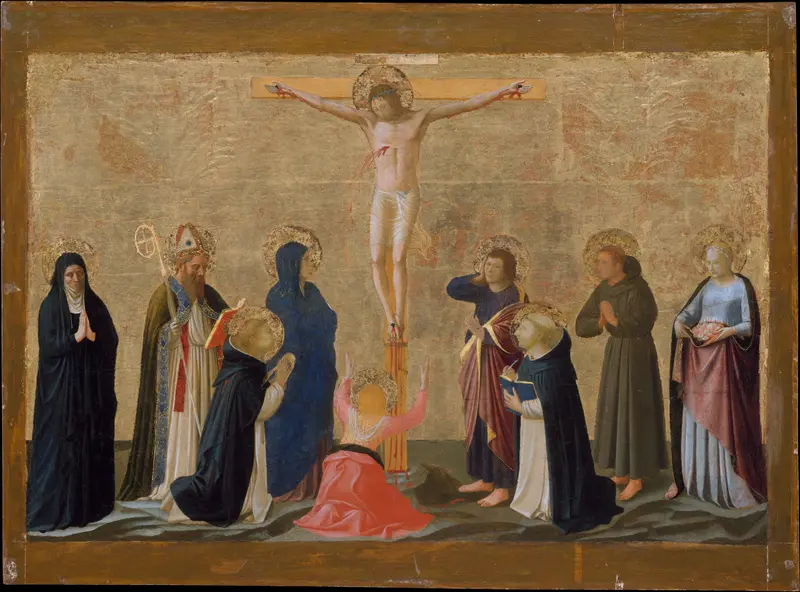
The Crucifixion
Fra Angelico
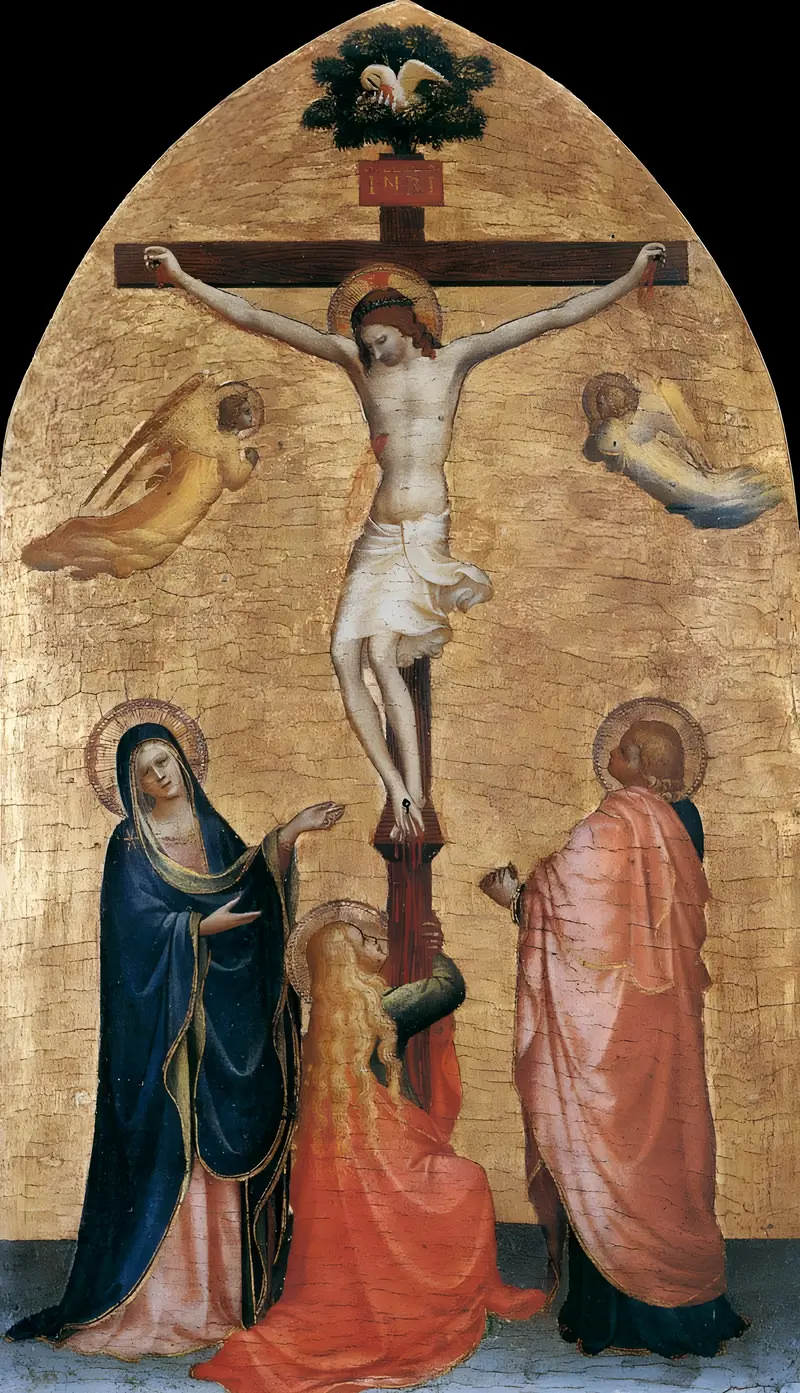
Crucifixion with the Virgin, John the Evangelist, and Mary Magdelene
Fra Angelico
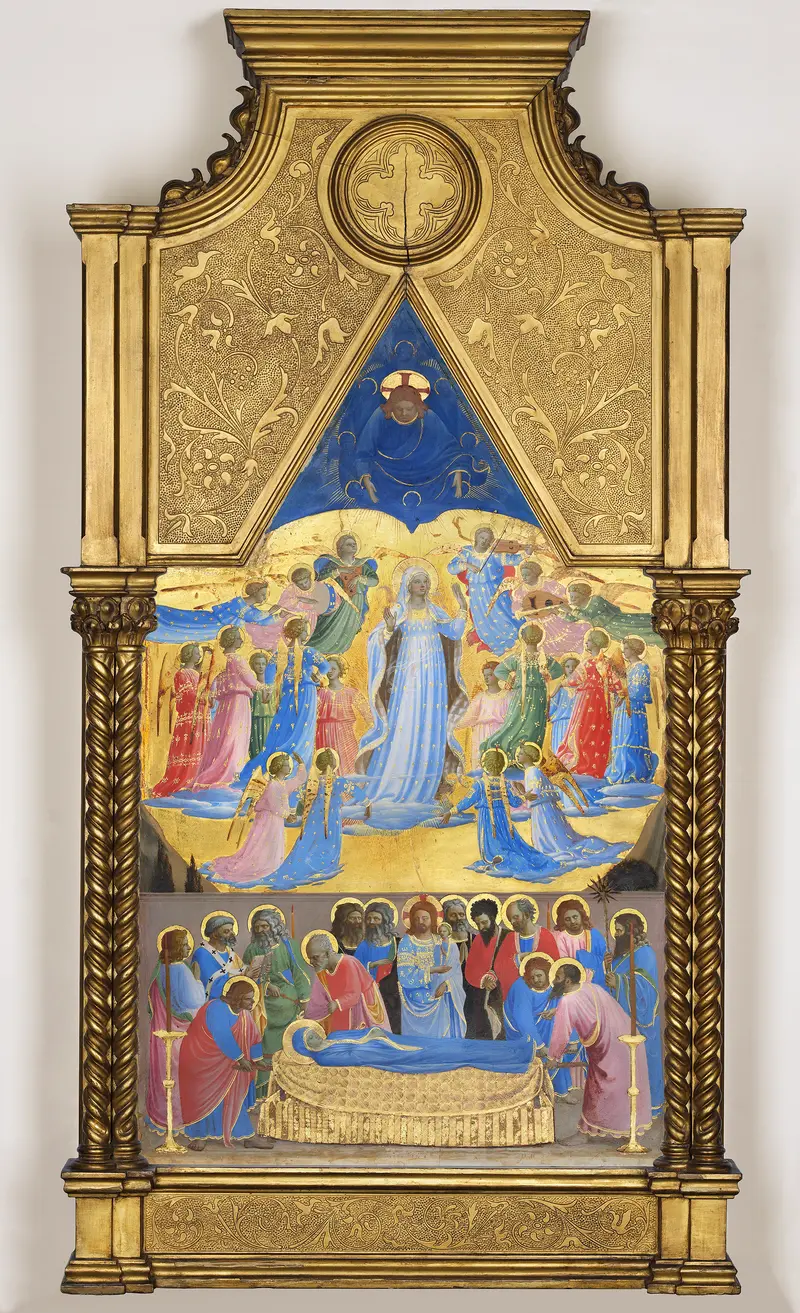
Dormition and Assumption of the Virgin
Fra Angelico
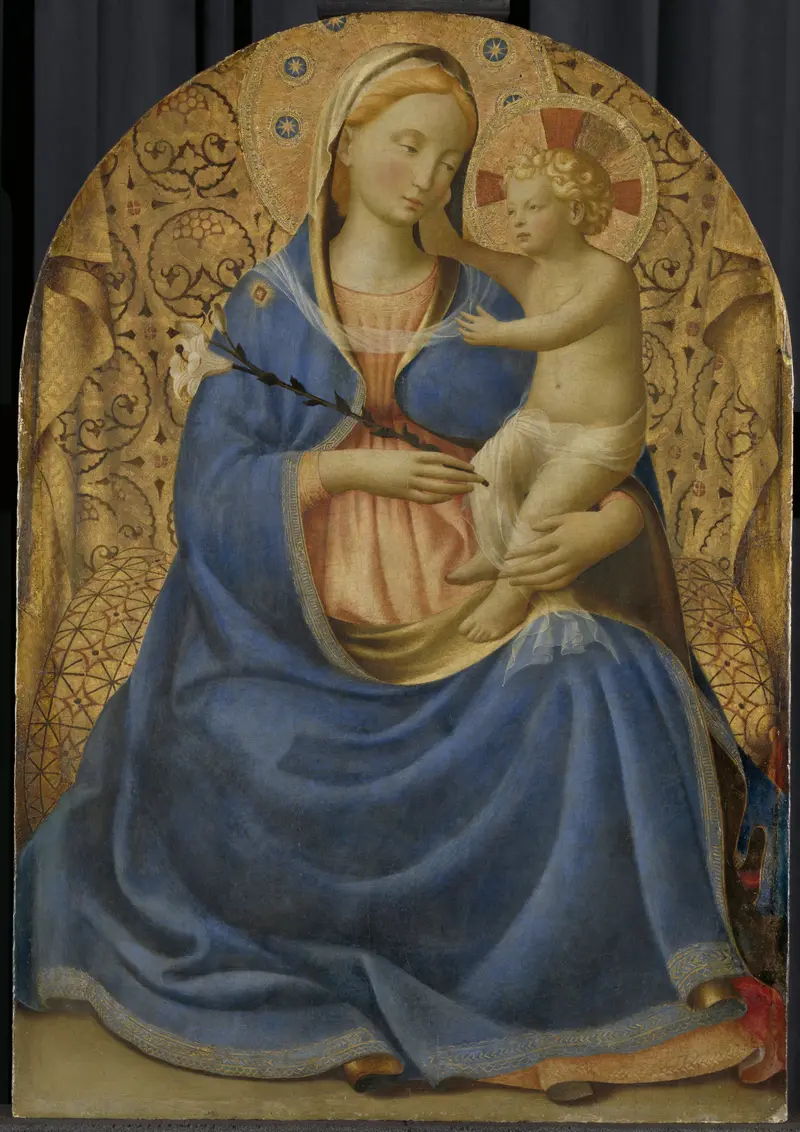
Madonna of Humility
Fra Angelico
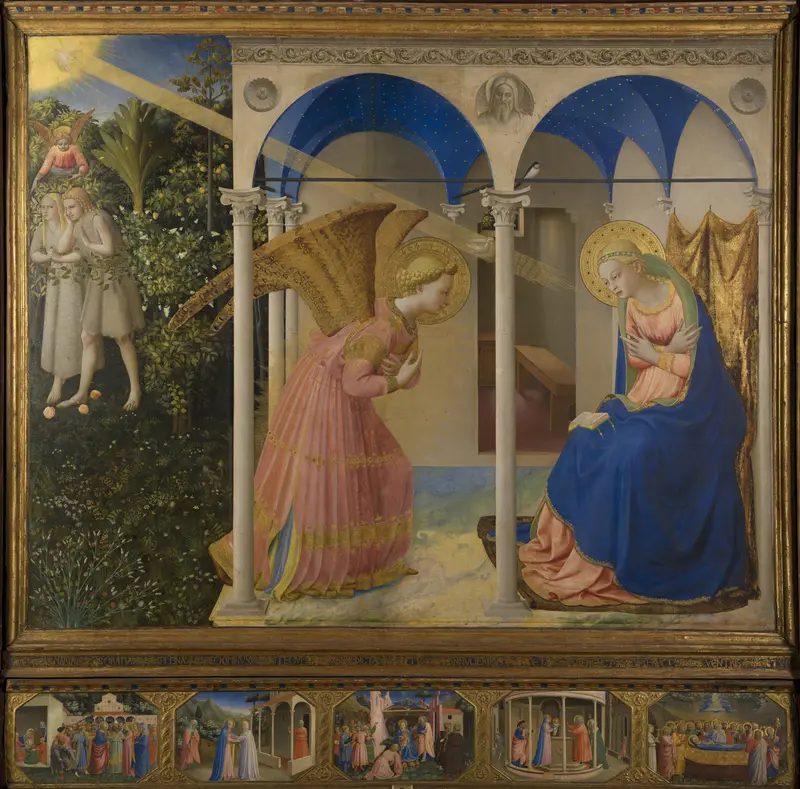
The Annunciation
Fra Angelico

Saint Anthony Abbot
Fra Angelico





