Discover insights about this artwork
The Flower of Love — History & Facts
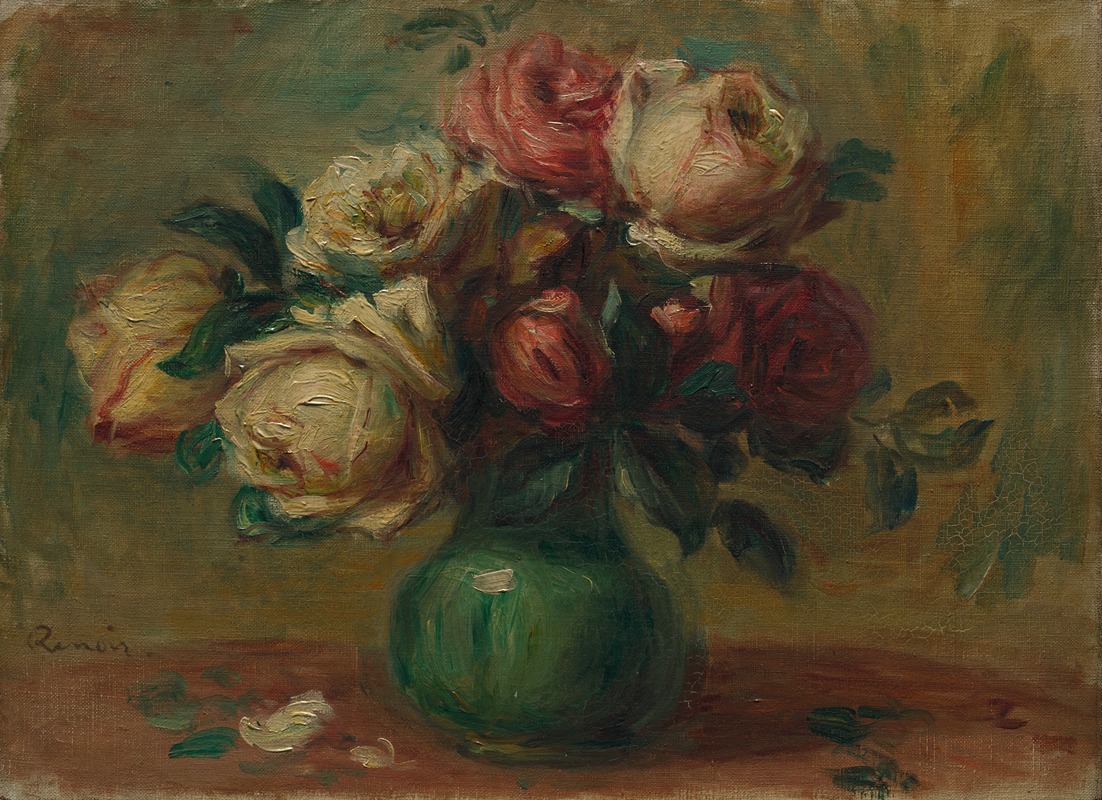
In The Flower of Love, Edvard Munch uses vibrant colors to depict a bouquet of flowers. The composition is filled with reds, pinks, and greens, creating a lively and passionate atmosphere. The flowers appear to be in full bloom, symbolizing love and vitality.
The background is soft and blurred, allowing the flowers to stand out prominently. The painting is executed in oil on canvas, showcasing Munch's characteristic brushwork. The texture of the flowers is rich, with visible strokes that add depth and movement. The colors are layered, enhancing the emotional impact of the piece.
Viewers can appreciate the intricate details of each petal and leaf. Edvard Munch was a key figure in the Symbolist movement, often exploring themes of love and existential angst. The Flower of Love reflects his fascination with the emotional resonance of nature. Interestingly, this work was created during a period when Munch was deeply influenced by his personal experiences with love and loss.
The painting exemplifies his ability to convey complex emotions through simple subjects.