Discover insights about this artwork
The Flower of Pain — History & Facts
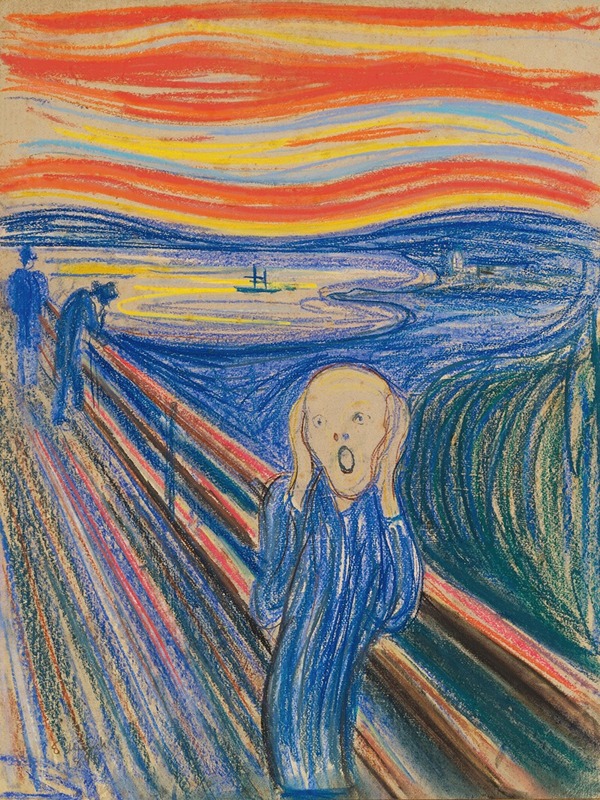
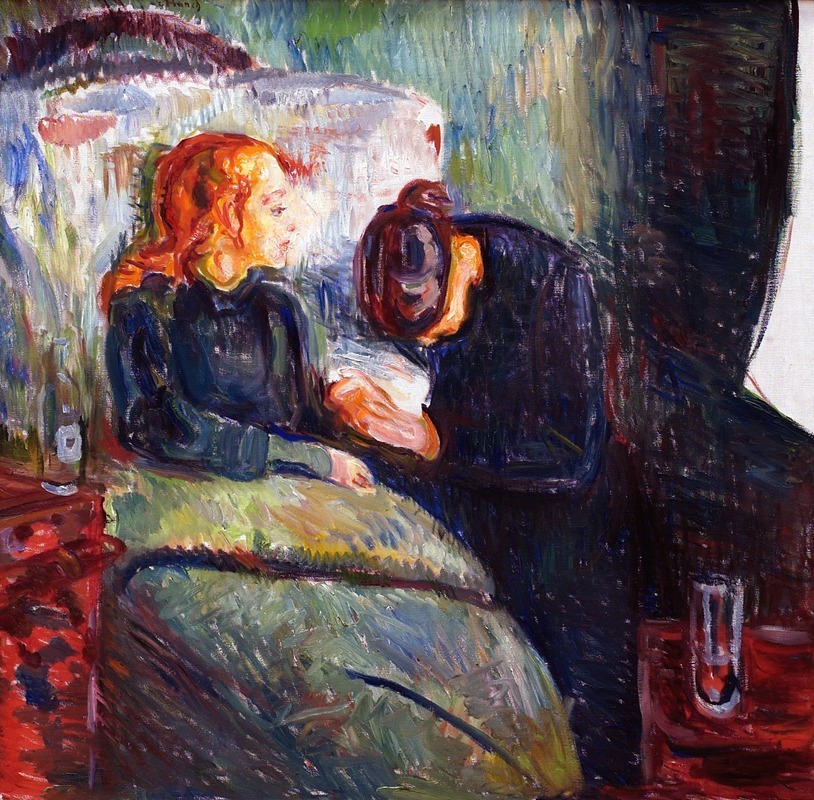
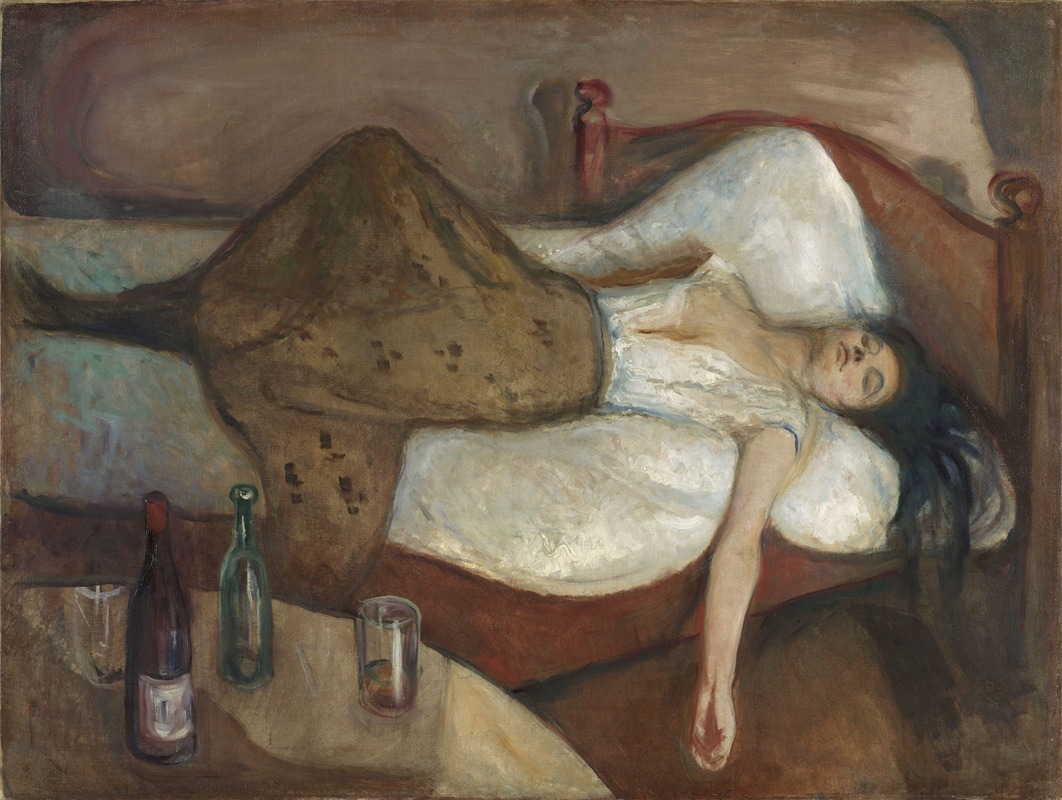
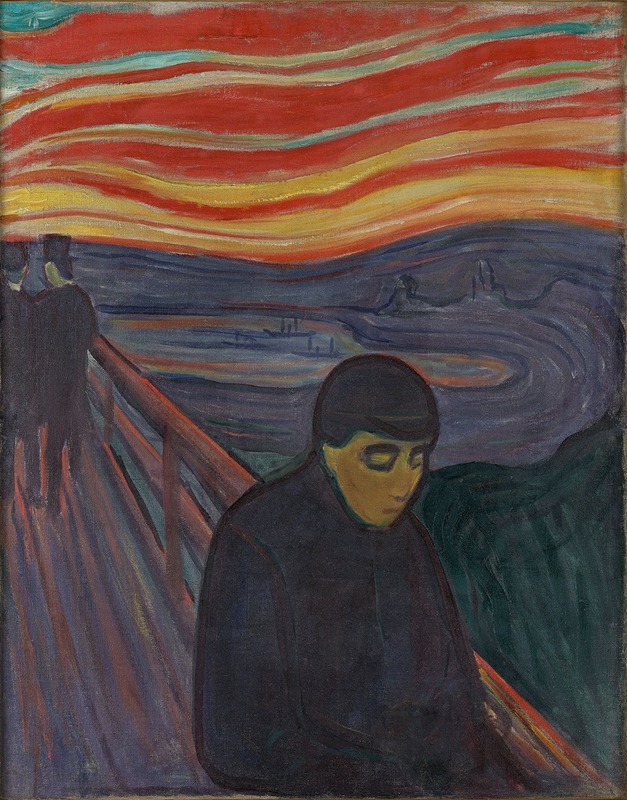
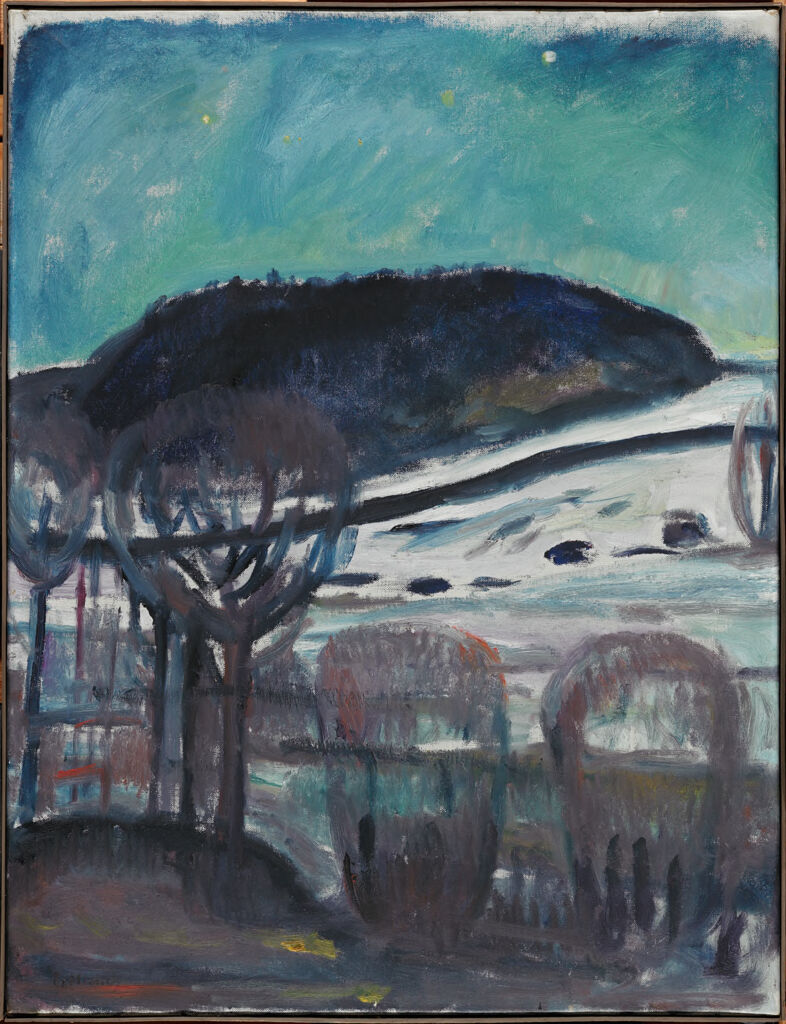
In The Flower of Pain, Edvard Munch uses a striking palette of reds, blacks, and greens. The central figure appears to be a flower, but its form is distorted, suggesting suffering. Surrounding elements may resemble a dark, chaotic background, enhancing the sense of unease.
The overall composition evokes a feeling of emotional turmoil and pain. The painting is executed in oil on canvas, showcasing Munch's characteristic brushwork. The colors are bold and intense, contributing to the work's emotional impact. The dimensions are approximately 80 x 100 cm, making it a substantial piece that demands attention.
Viewers can appreciate the texture and layering of paint, which adds depth to the imagery. Edvard Munch was a key figure in the Symbolism movement, often exploring themes of love, anxiety, and death. The Flower of Pain reflects his interest in the human condition and emotional struggles. Interestingly, Munch often used flowers as symbols in his work, representing both beauty and suffering.
This painting exemplifies his unique ability to convey complex emotions through simple forms.