The Garden in Its Glory — History & Facts
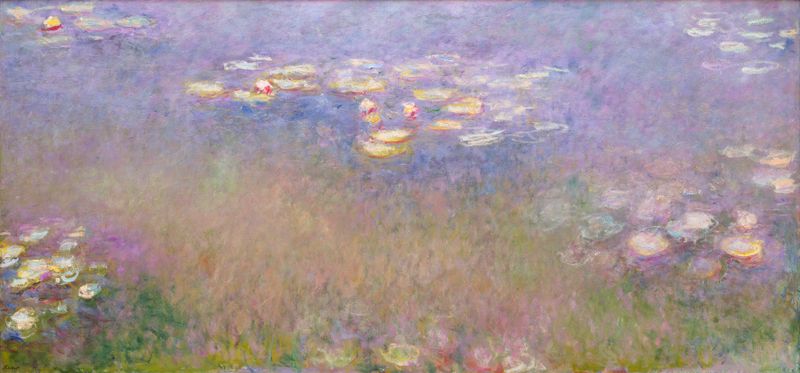
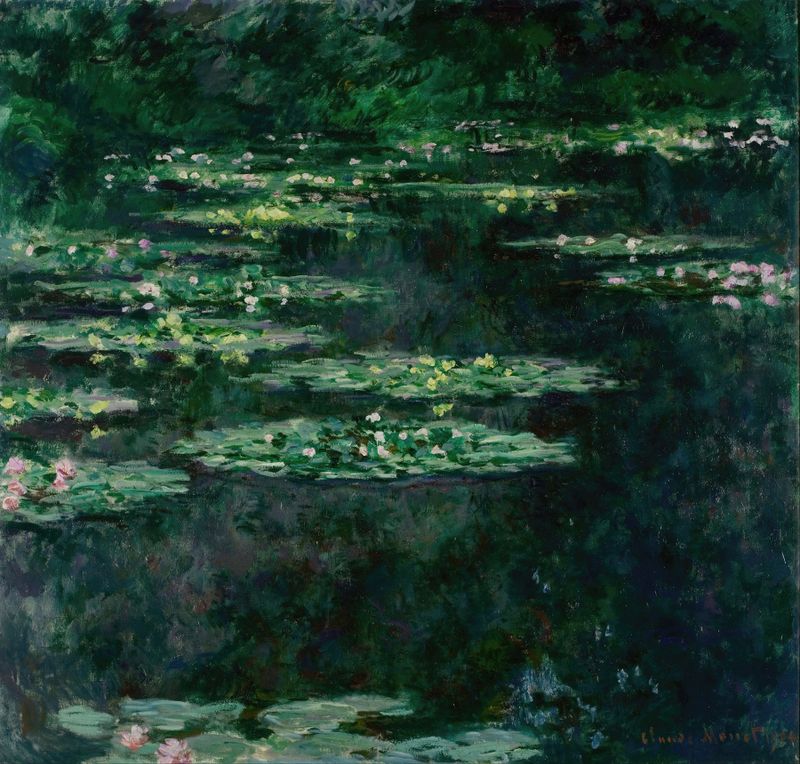
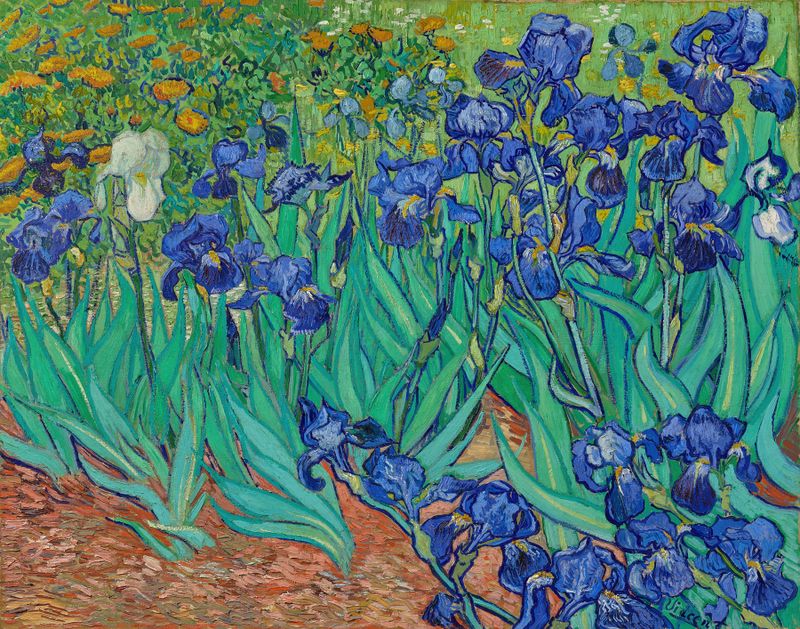
In a lush garden bursting with color, sunlight dapples the foliage, casting playful shadows on the cobblestone path. A gentle breeze stirs the petals, giving life to a symphony of blossoms that dance with delicate grace. Nearby, a figure tends to the vibrant blooms, lost in the moment, while a soft hum of nature envelops them in serene quietude. Look to the left at the vibrant strokes of pinks and yellows that symbolize the garden's exuberance.
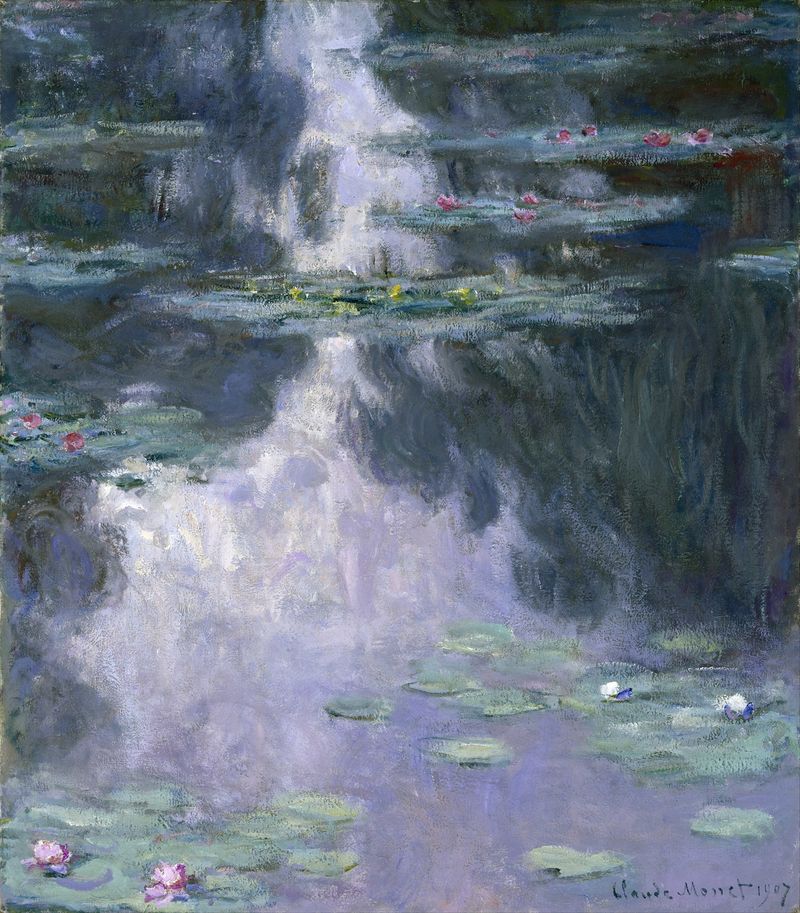
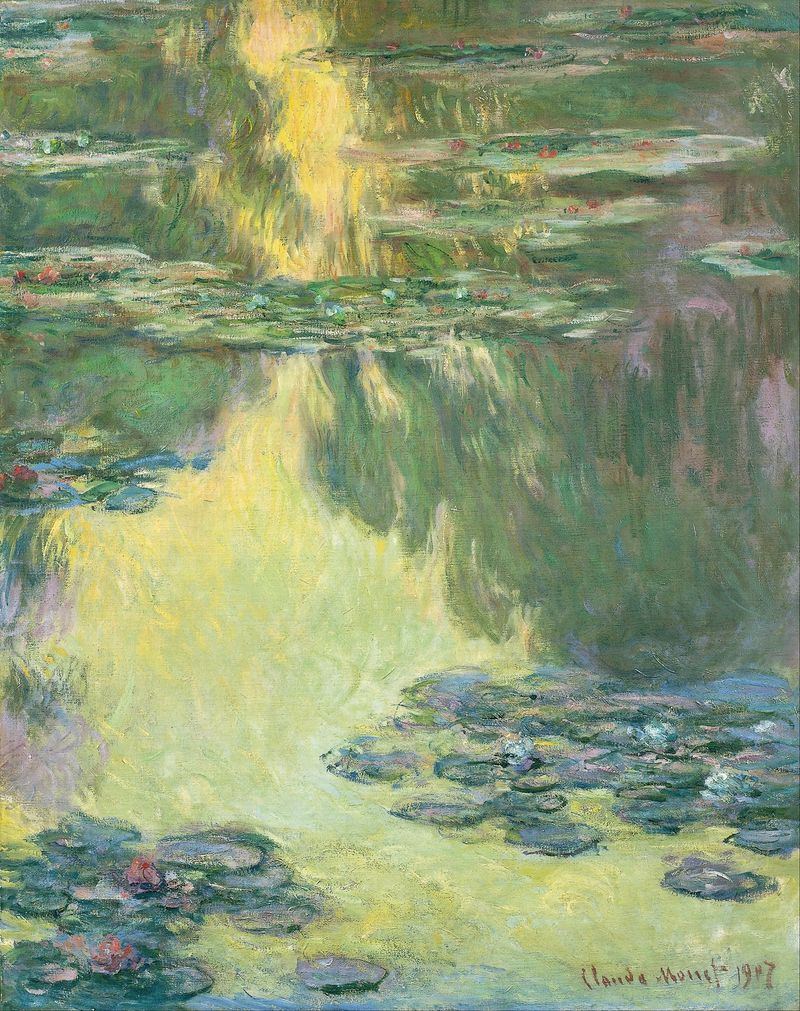
Notice how the artist captures the light filtering through the leaves, illuminating the flowers with an ethereal glow. The brushwork is both loose and deliberate, blending colors in a way that evokes the transient beauty of each petal, reminding us of the fragility of life itself. The composition draws you in, inviting you to wander through this vivid sanctuary. Amidst the garden's vibrancy, a deeper narrative unfolds—a juxtaposition of beauty and transience.
The blooms, in their peak, symbolize the ephemeral nature of life, while the attentive gardener represents humanity's bond with nature, a relationship steeped in care and reverence. This tension between fleeting beauty and dedicated nurture prompts reflection on our own lives, urging us to cherish moments that, like blossoms, are beautiful yet brief. In 1892, Childe Hassam painted this work while living in Boston, a time when American art was beginning to embrace Impressionism. As the art world grappled with modernity, this piece captured the emergence of a new aesthetic—a transition from rigid forms to a more fluid expression of nature.
During this period, Hassam was deeply influenced by his surroundings, drawing inspiration from gardens and the changing seasons, which resonated profoundly in his artistic journey.
More Artworks by Childe Hassam
Browse all →
Beach at Newport
Childe Hassam

Washington Arch, Spring
Childe Hassam

Thaxter’s Garden
Childe Hassam

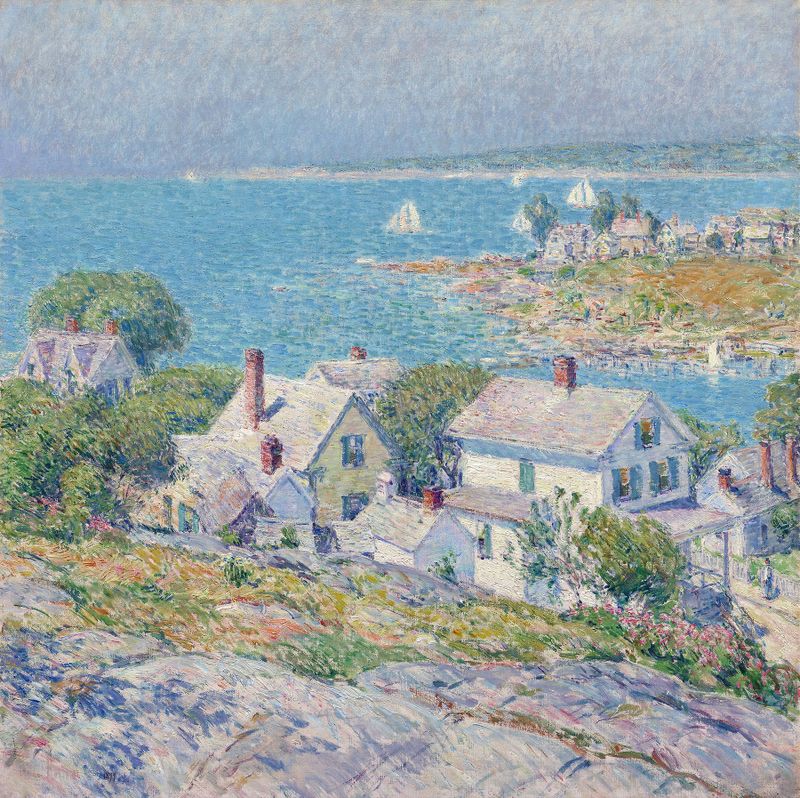
New England Headlands
Childe Hassam

Rocks At Appledore, Morning
Childe Hassam
New England Headlands
Childe Hassam
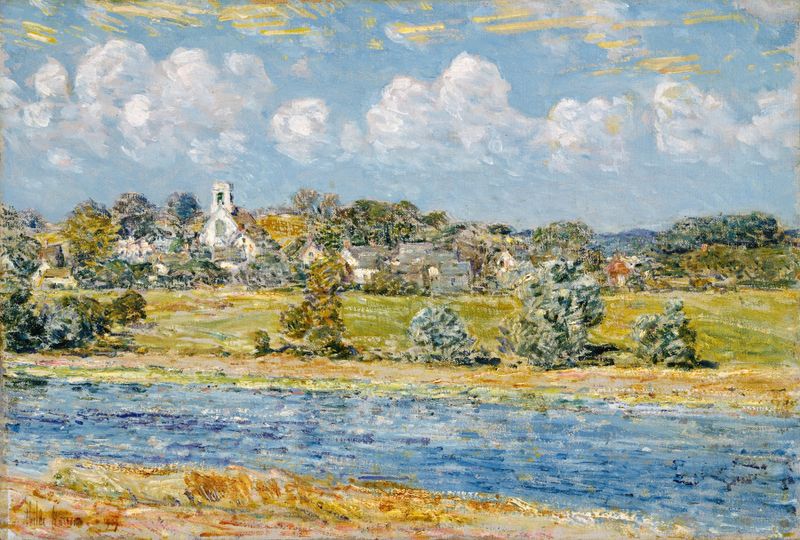
Landscape at Newfields, New Hampshire
Childe Hassam

Piazza di Spagna, Rome
Childe Hassam

The Harbor
Childe Hassam

Late Afternoon, New York, Winter
Childe Hassam