
The Garden of Eden — History & Facts
A soft dawn breaks over a lush landscape, where verdant foliage and blooming flowers unfold in a delicate embrace of colors. In the distance, a gentle stream glimmers under the emerging sunlight, inviting life and renewal. Here, amidst the tranquility, an unearthly stillness hangs in the air, whispering promises of awakening. Look to the center where a radiant burst of yellow and orange flowers draws the eye, their vibrant colors pulsating with life.
Notice the delicate interplay of light as it dances through the leaves, casting intricate shadows on the ground. The composition is harmonious, with a balance between the foreground's wild blooms and the serene backdrop of rolling hills cradling the sky. Each brushstroke reflects a meticulous attention to detail, revealing the artist's reverence for nature's splendor. Within this idyllic scene lies a tapestry of meanings.
The juxtaposition of the vibrant flowers against the calm water evokes a sense of purity and rebirth. The garden serves as a metaphor for innocence and the possibility of paradise, inviting viewers to contemplate their own connection to nature. The scene whispers of Eden, a retreat from the chaos of the world, yet it also hints at the fragility of such beauty, echoing the transient nature of existence. In 1852, while residing in Cincinnati, Robert S.
Duncanson painted The Garden of Eden, a time when he was gaining recognition as one of America’s foremost landscape artists. This period reflects a burgeoning interest in depicting nature, alongside Duncanson’s exploration of themes related to identity and spirituality as he navigated the complexities of race and society. His work emerged amidst a growing appreciation for the American landscape, marking a significant moment in the evolution of art in the United States.
More Artworks by Robert S. Duncanson
Browse all →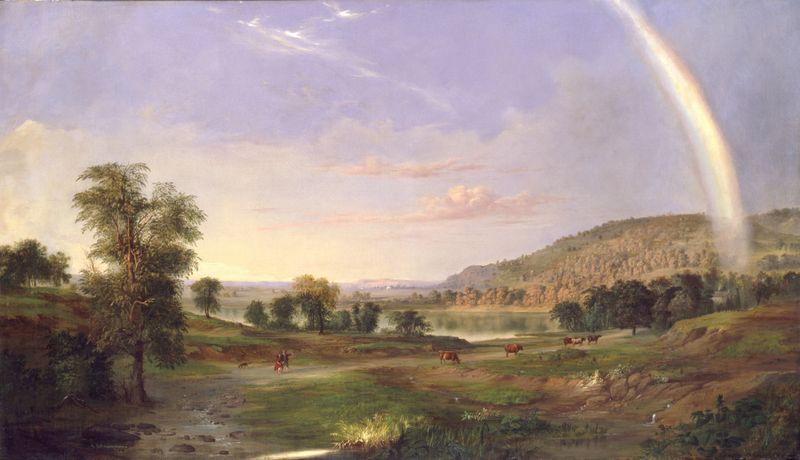
Landscape with Rainbow
Robert S. Duncanson
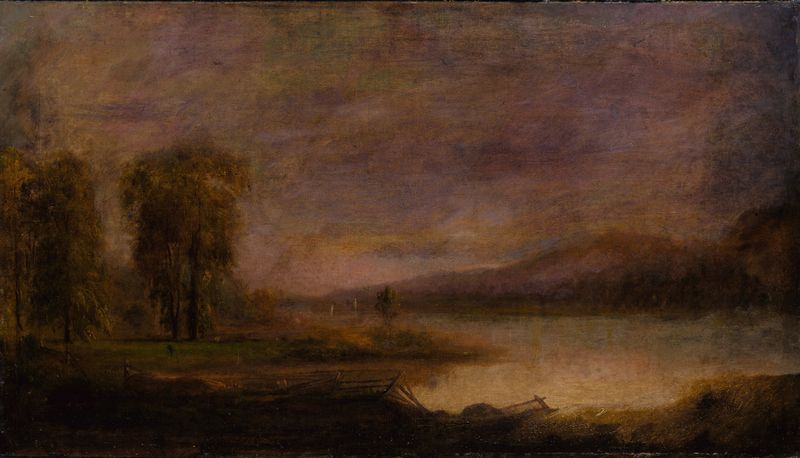
Landscape with Lake
Robert S. Duncanson
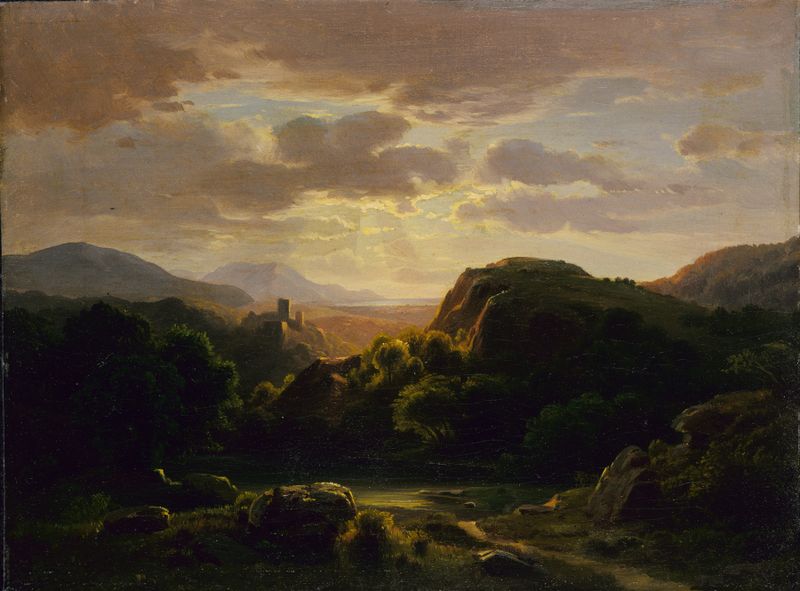
Remembrances of a Scene near Auerbach
Robert S. Duncanson
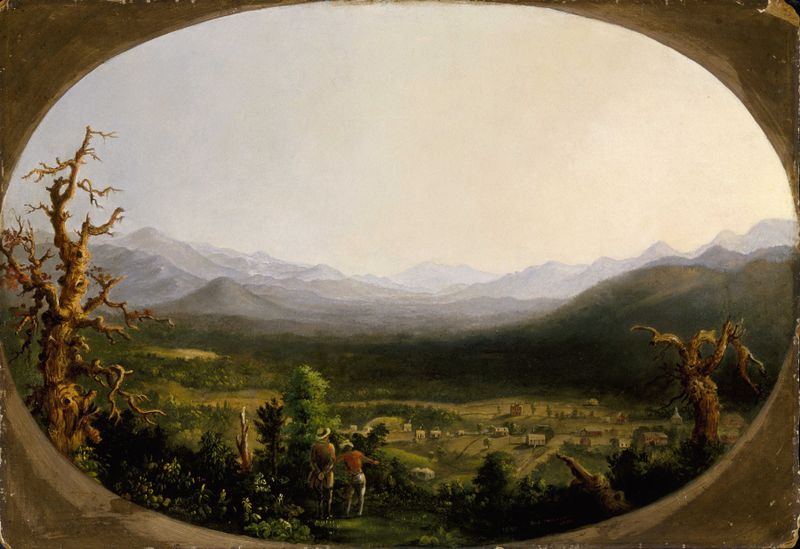
A View of Asheville, North Carolina
Robert S. Duncanson

Loch Long
Robert S. Duncanson

View of Lake Pepin, Minnesota
Robert S. Duncanson
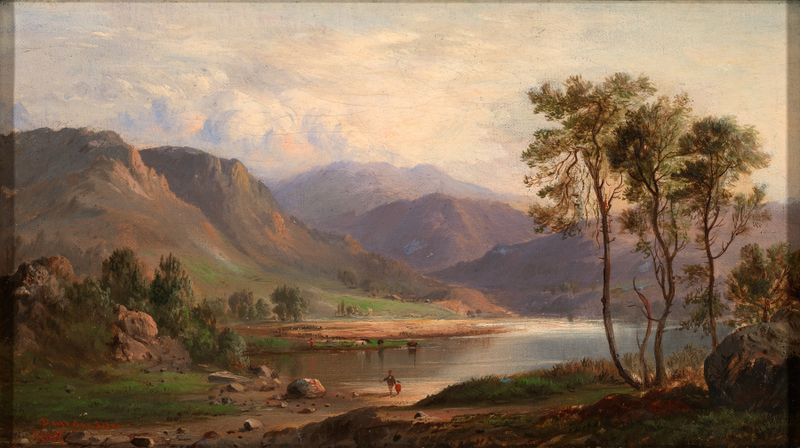
Loch Long
Robert S. Duncanson
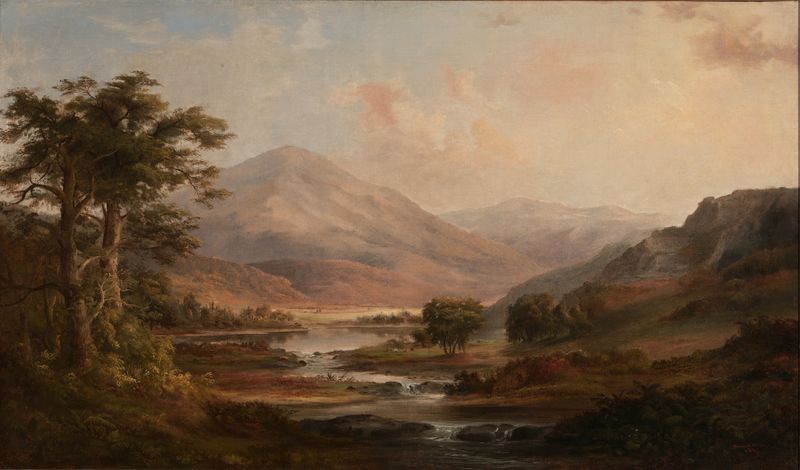
Scottish Landscape
Robert S. Duncanson
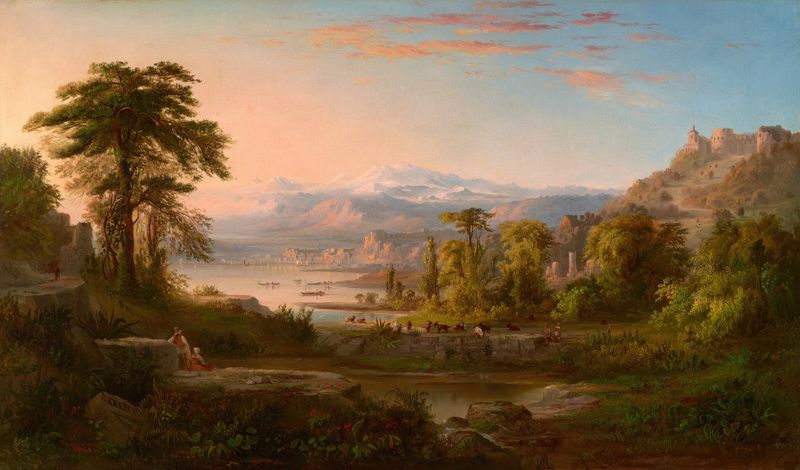
A Dream of Italy
Robert S. Duncanson
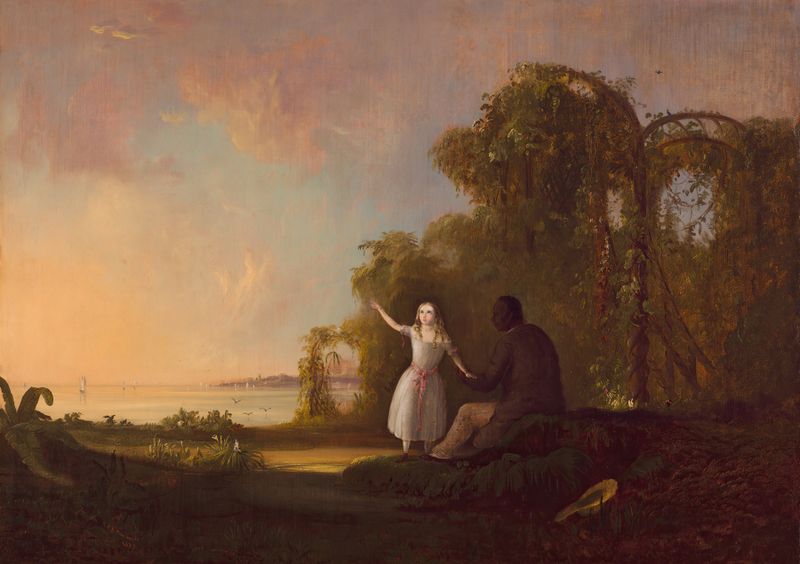
Uncle Tom and Little Eva
Robert S. Duncanson





