A Dream of Italy — History & Analysis
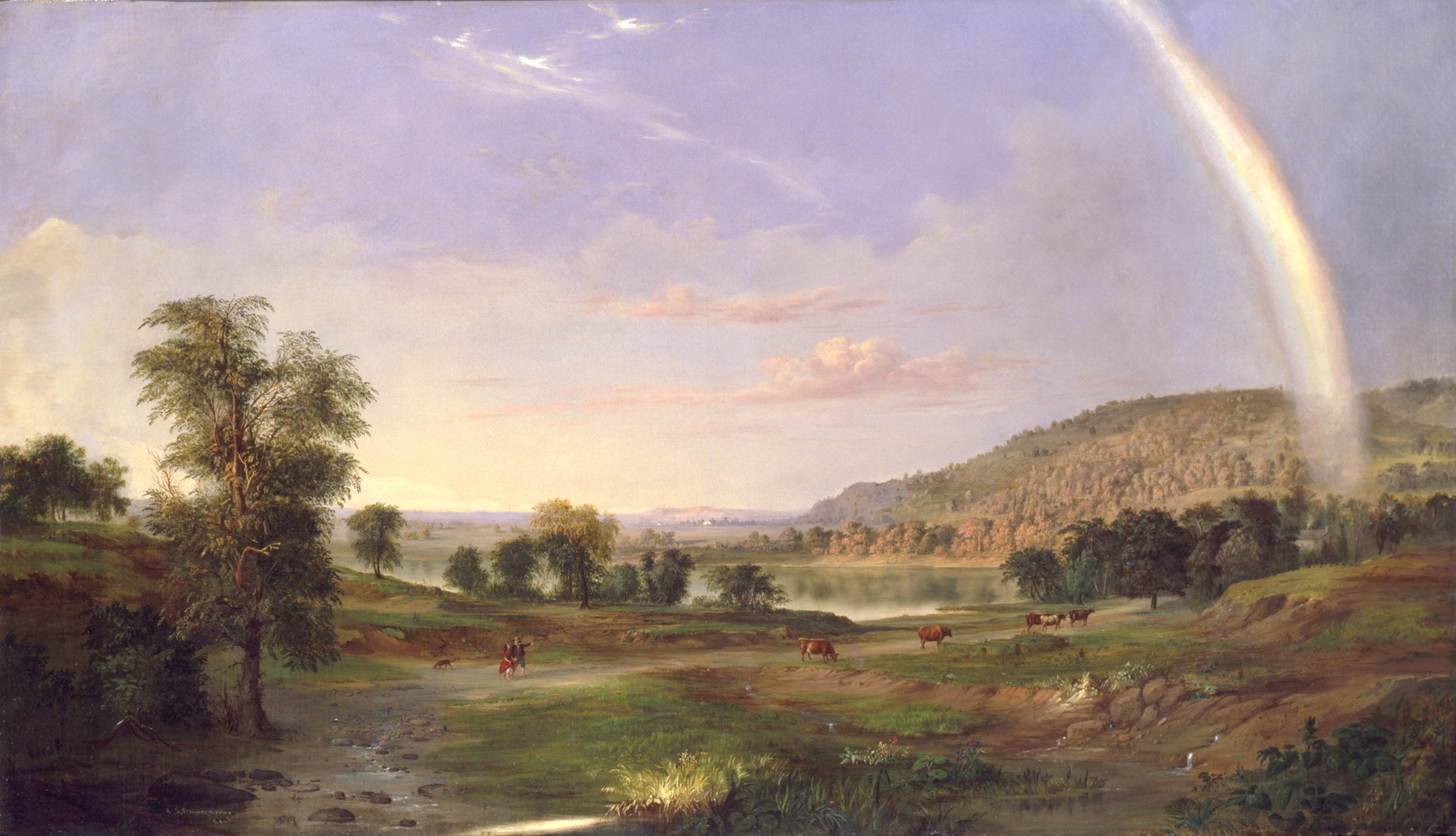
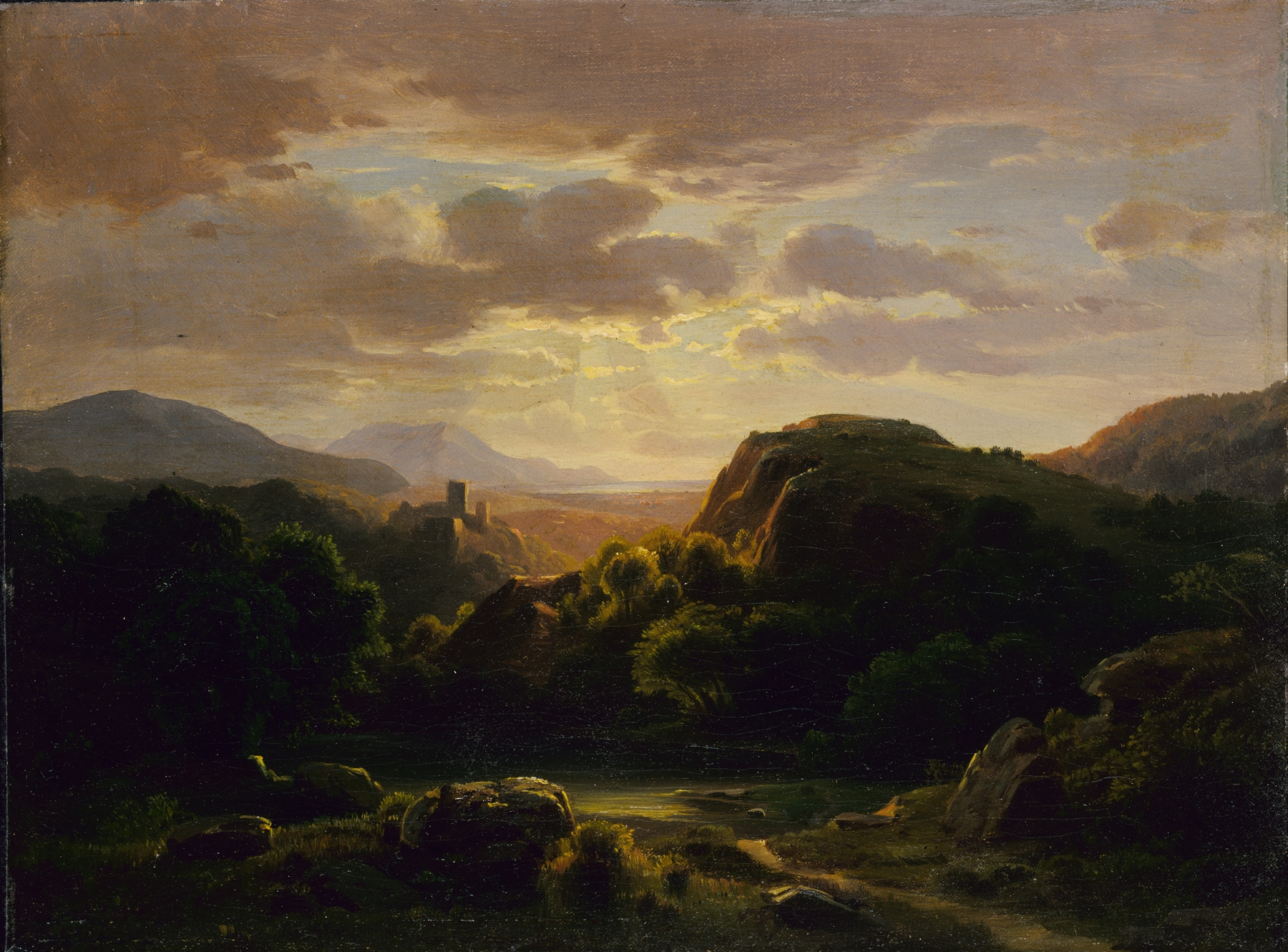
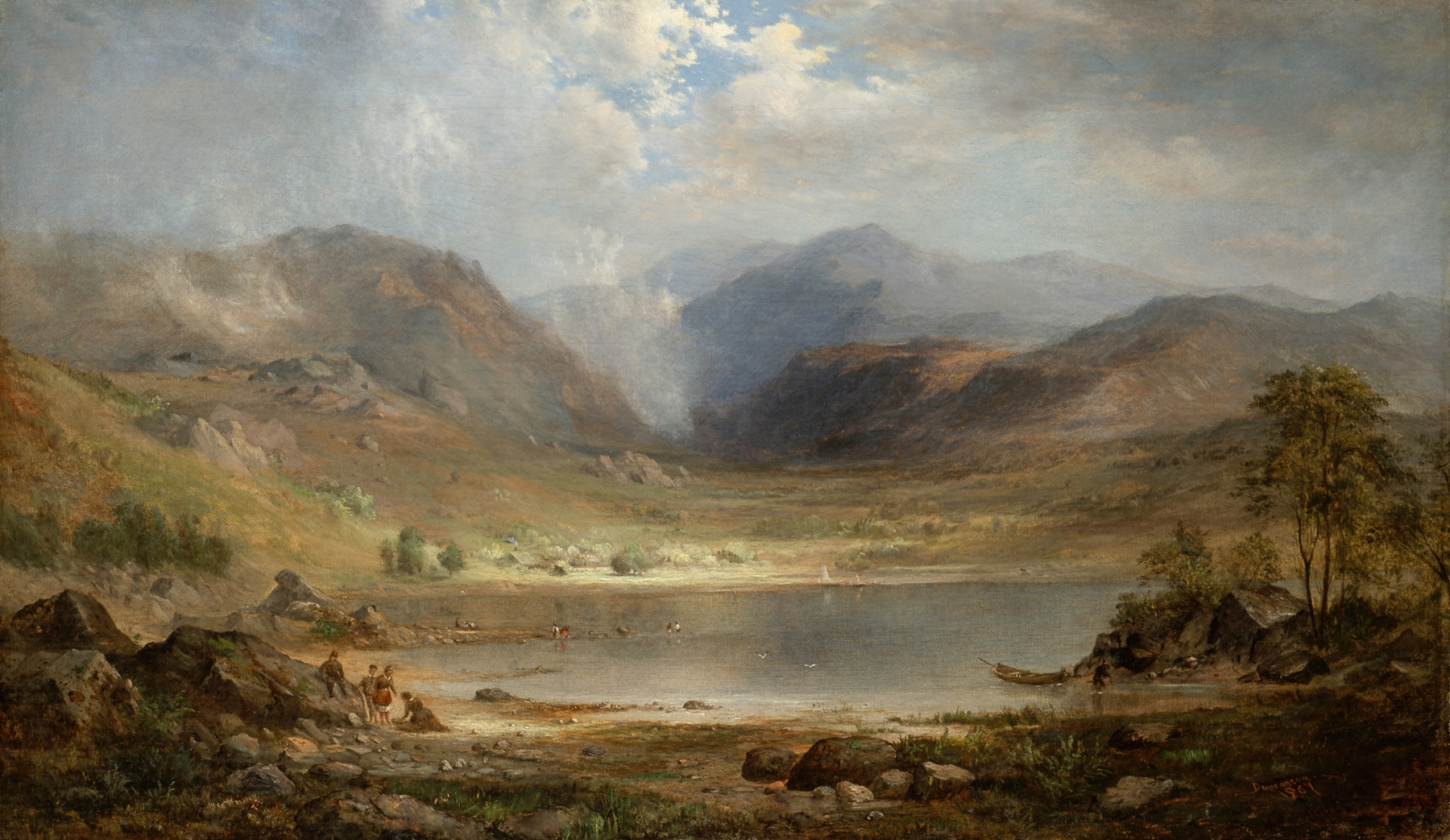
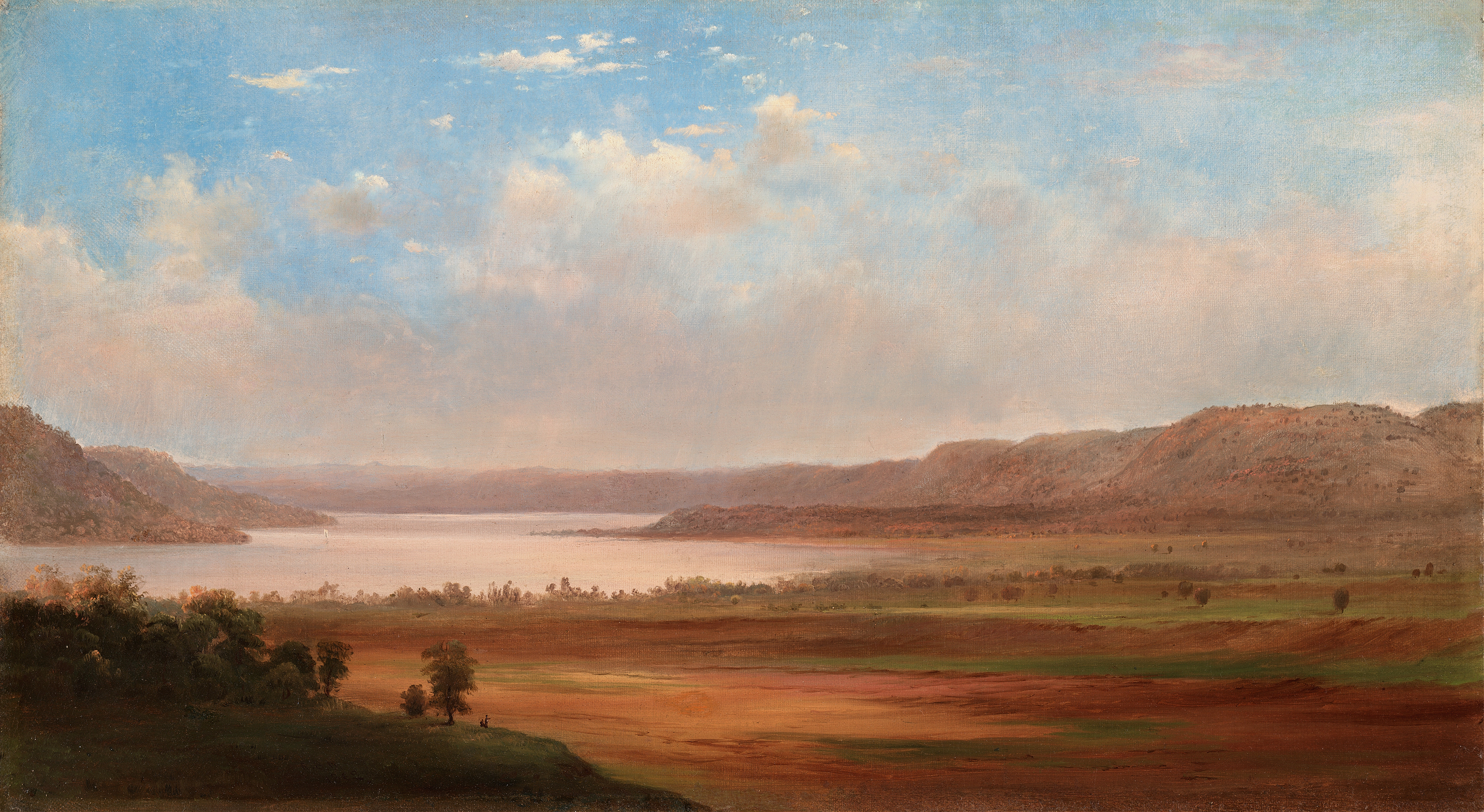
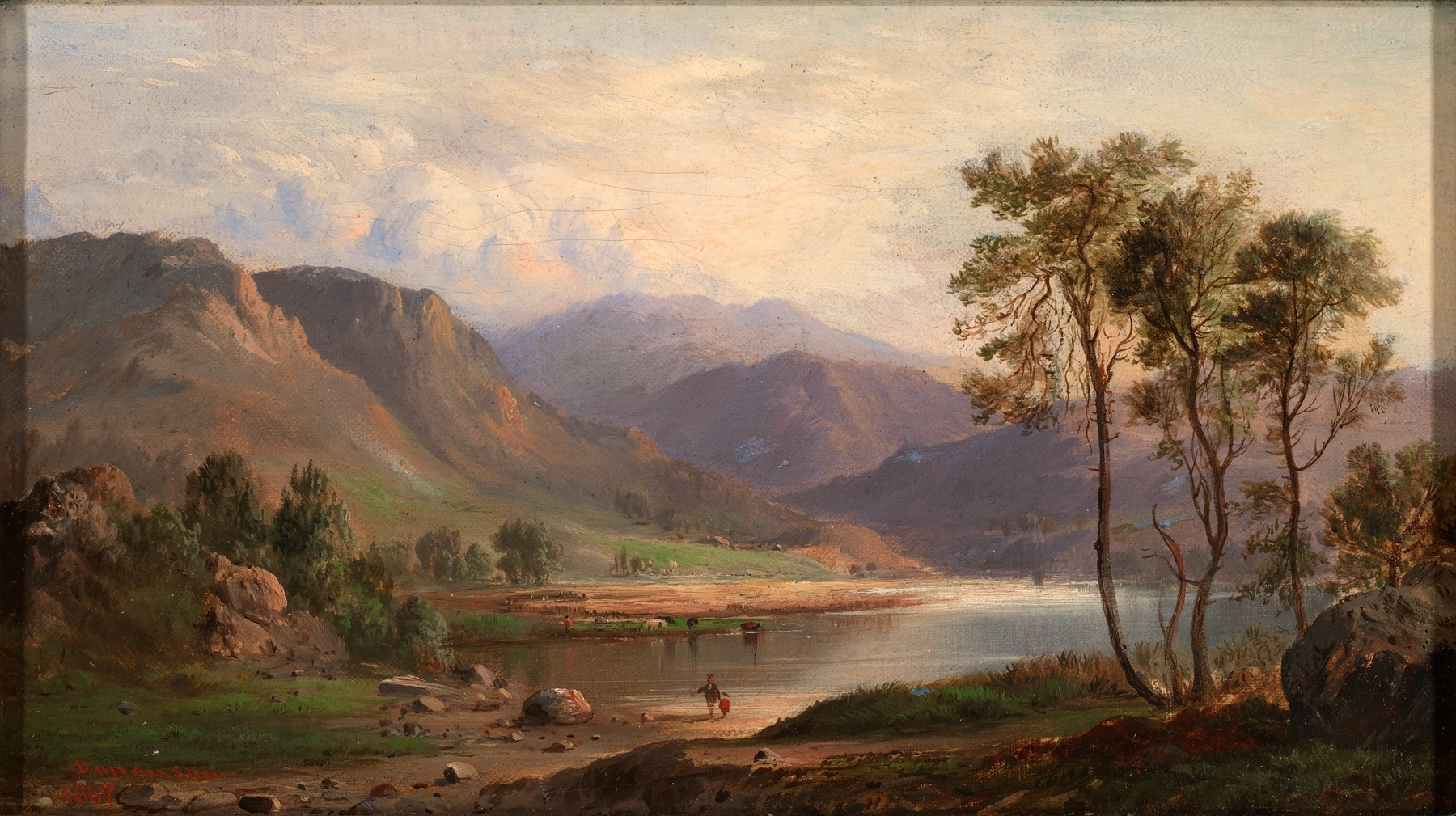
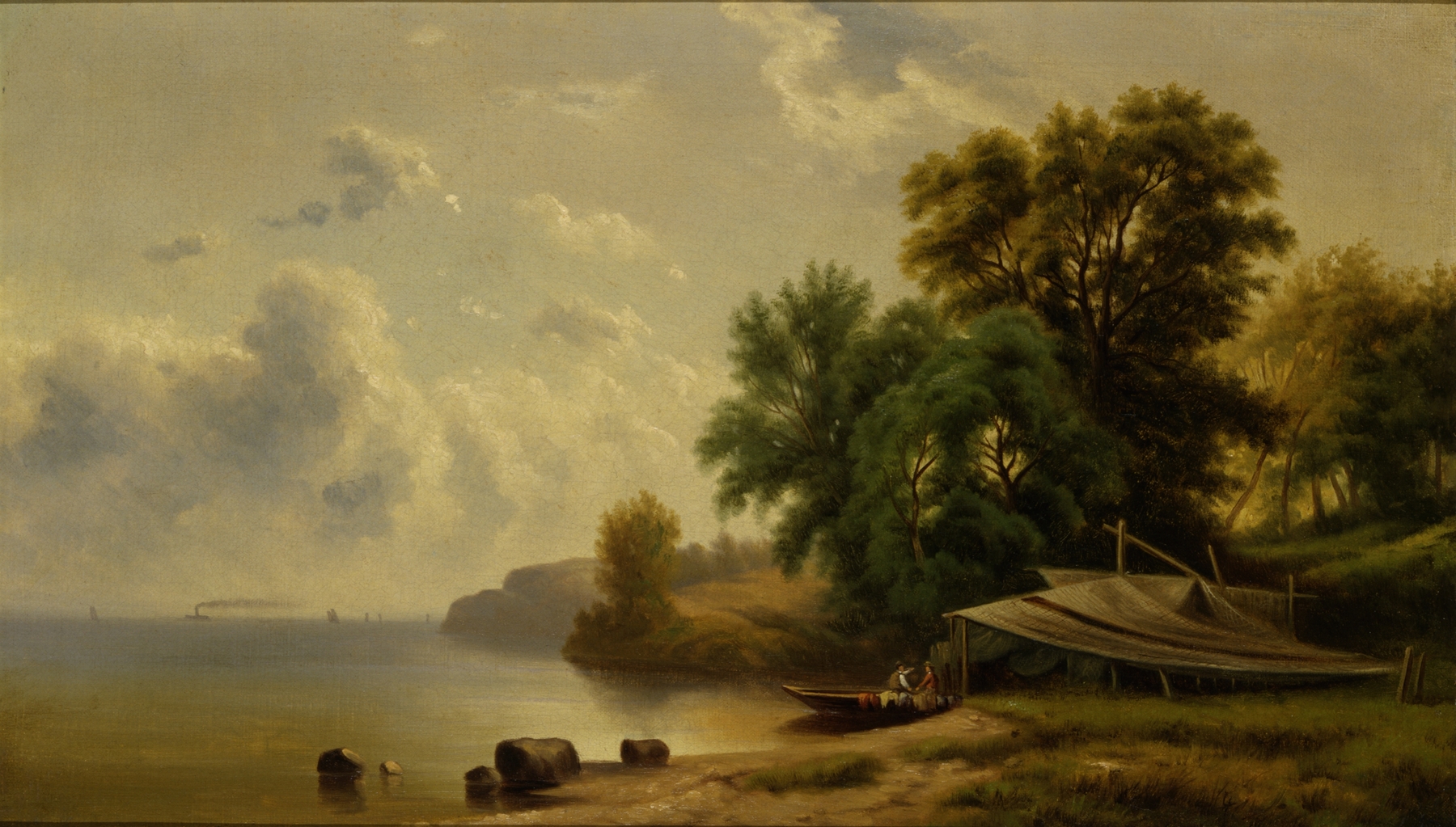
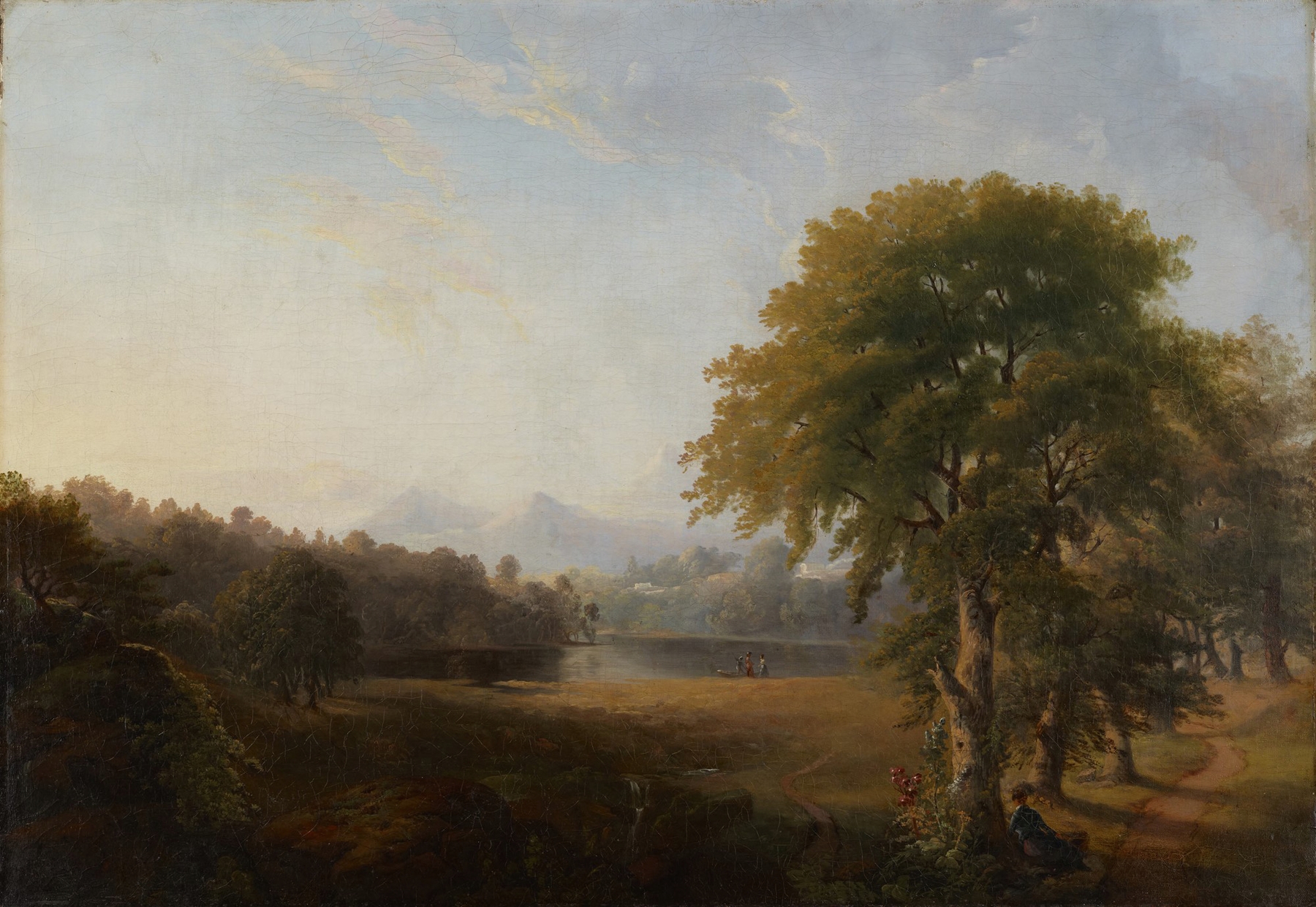
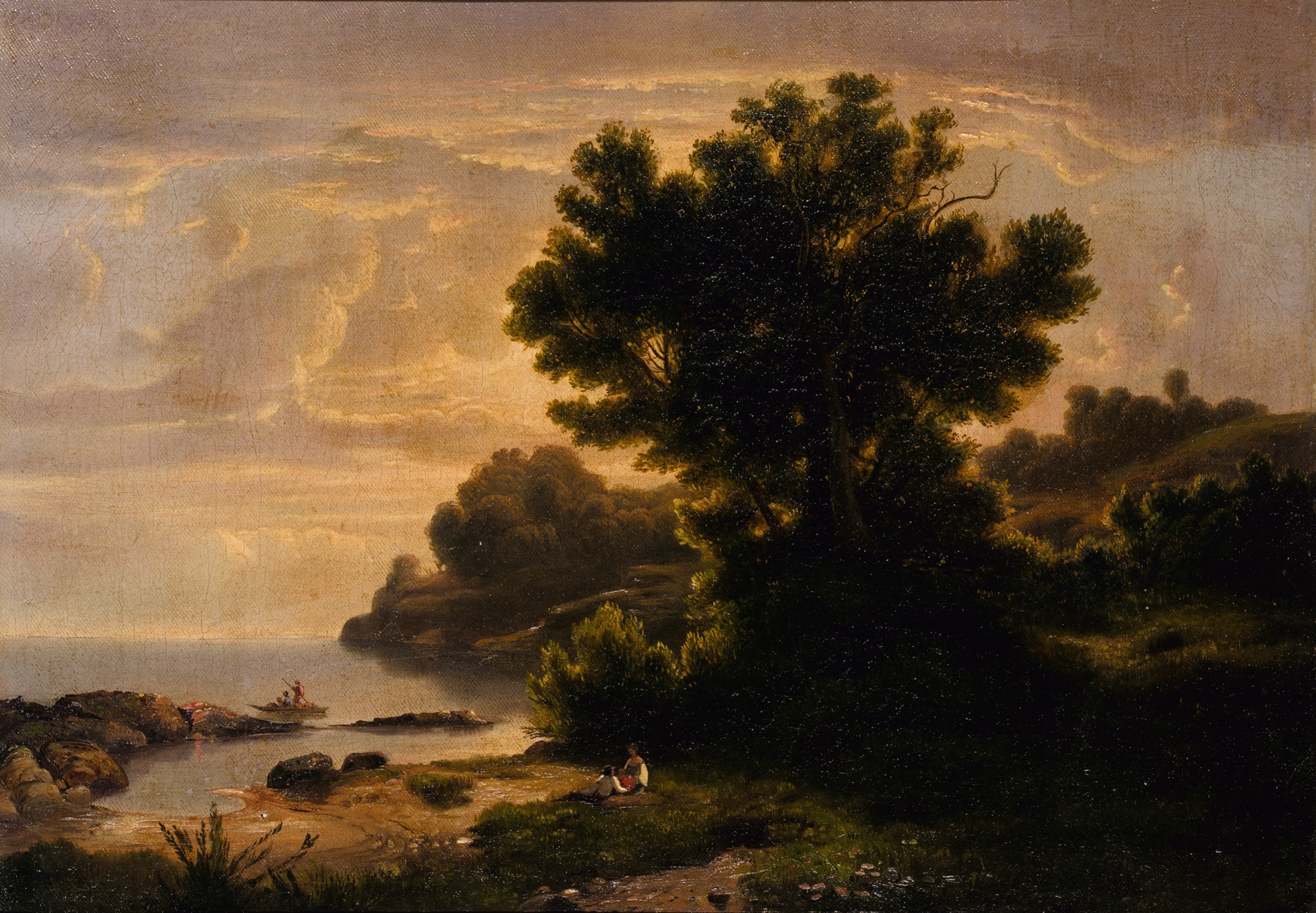
Can paint confess what words never could? In A Dream of Italy, silence resonates through lush landscapes and distant horizons, whispering secrets that elude verbal articulation. Look to the foreground, where undulating hills embrace a serene lake, each stroke meticulously layered to evoke a sense of tranquility. Notice how the light spills gently over rolling vineyards, illuminating the verdant greens and golden yellows with a warm embrace.
The composition draws the eye to a quaint village nestled against the backdrop of softer mountains, creating a harmonious balance between nature and humankind, a testament to Duncanson's mastery of color and light. Amidst the idyllic beauty, a tension arises between reality and reverie. The vibrant palette suggests the allure of a pastoral paradise, yet hints of shadow in the landscape evoke a sense of longing and nostalgia. This duality speaks to the artist’s own experiences as an African American in mid-19th century America, navigating spaces of beauty often juxtaposed with personal and societal challenges.
Each brushstroke carries an emotional weight, as if capturing dreams that both inspire and haunt. Created in 1865, during a time of great social upheaval following the Civil War, Duncanson found solace in the beauty of Italian landscapes, reflecting his desire for a world free from the constraints of his own reality. Working primarily in Cincinnati, Ohio, he sought to elevate the genre of landscape painting, often drawing inspiration from European traditions, while infusing them with his unique perspective as an American artist seeking to carve a place for himself in a world that was still defining the boundaries of art and identity.