The Gold Scab: Eruption in Frilthy Lucre — History & Facts
A man with the head of a bird and the scales of a fantastical reptile hunches over a piano, his clawed hands tangled in the keys, his yellow eyes fixed on the viewer with a mixture of accusation and despair. The entire scene is awash in a sickly green, as if submerged underwater or seen through a haze of envy and greed. Coins and moneybags litter the table, their golden color the only warmth in the cold palette, while the sheet music before him reads The Gold Scab: Eruption in Frilthy Lucre—a title that mocks both the musician and his obsession.
The scales that cover his body seem to erupt and spread, overtaking his humanity, a visual metaphor for the corrosive power of wealth. Every detail, from the stiff posture to the unnatural anatomy, is a warning: here, the pursuit of riches has transformed a man into something monstrous. Painted in 1879, this work by James McNeill Whistler belongs to a world where artists were increasingly willing to bite the hand that fed them, exposing the hypocrisies of Victorian society with biting satire. Caricature and grotesque transformation were potent tools for social commentary, especially in an era marked by industrial fortunes, legal battles, and the uneasy relationship between art and commerce.
The Fine Arts Museums of San Francisco now hold this strange, magnetic painting—a reminder that, for all the grandeur of the late nineteenth century, its artists were keenly aware of the dangers lurking beneath the glittering surface. Look again at the figure’s haunted gaze, and ask: what price has he paid?
More Artworks by James McNeill Whistler
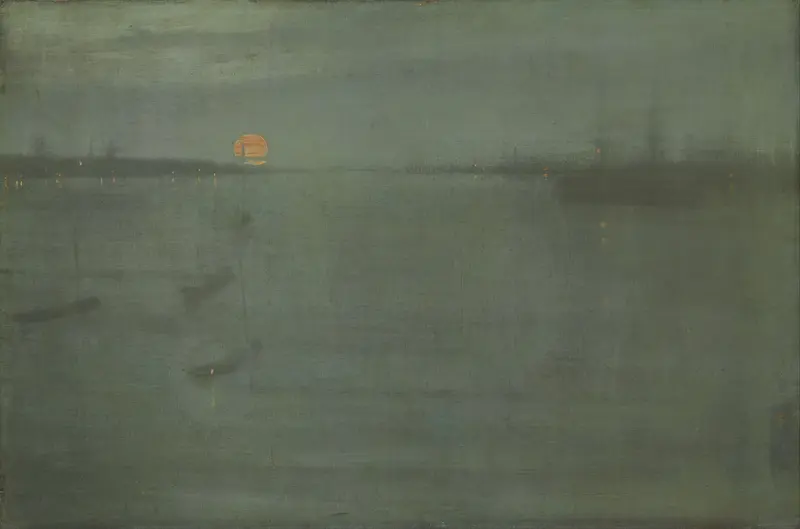
Nocturne: Blue and Gold—Southampton Water
James McNeill Whistler
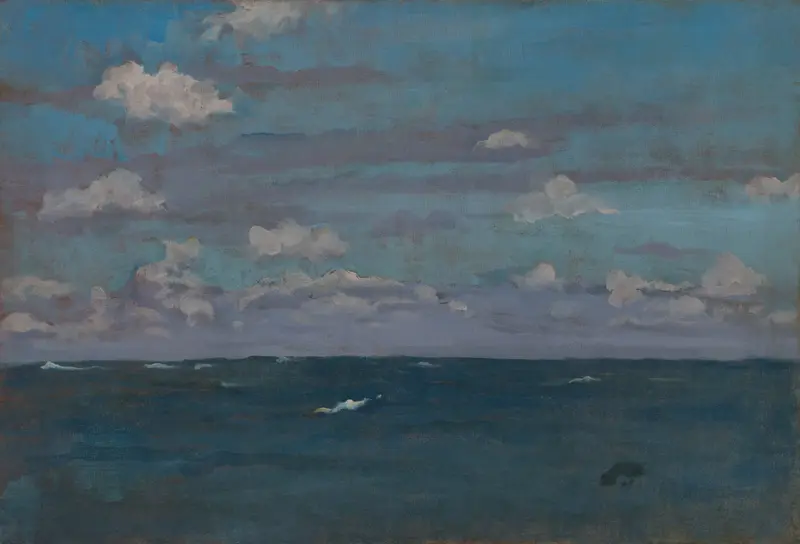
Violet and Silver—The Deep Sea
James McNeill Whistler
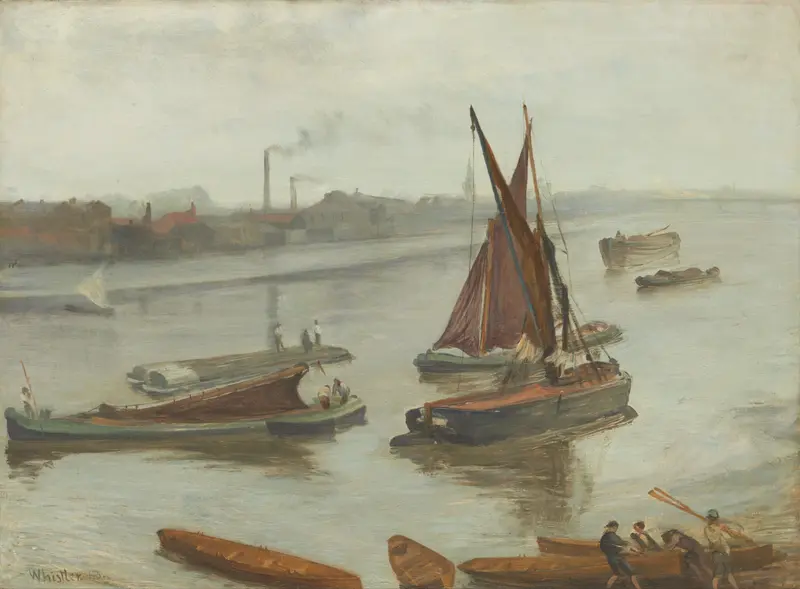
Grey and Silver: Old Battersea Reach
James McNeill Whistler
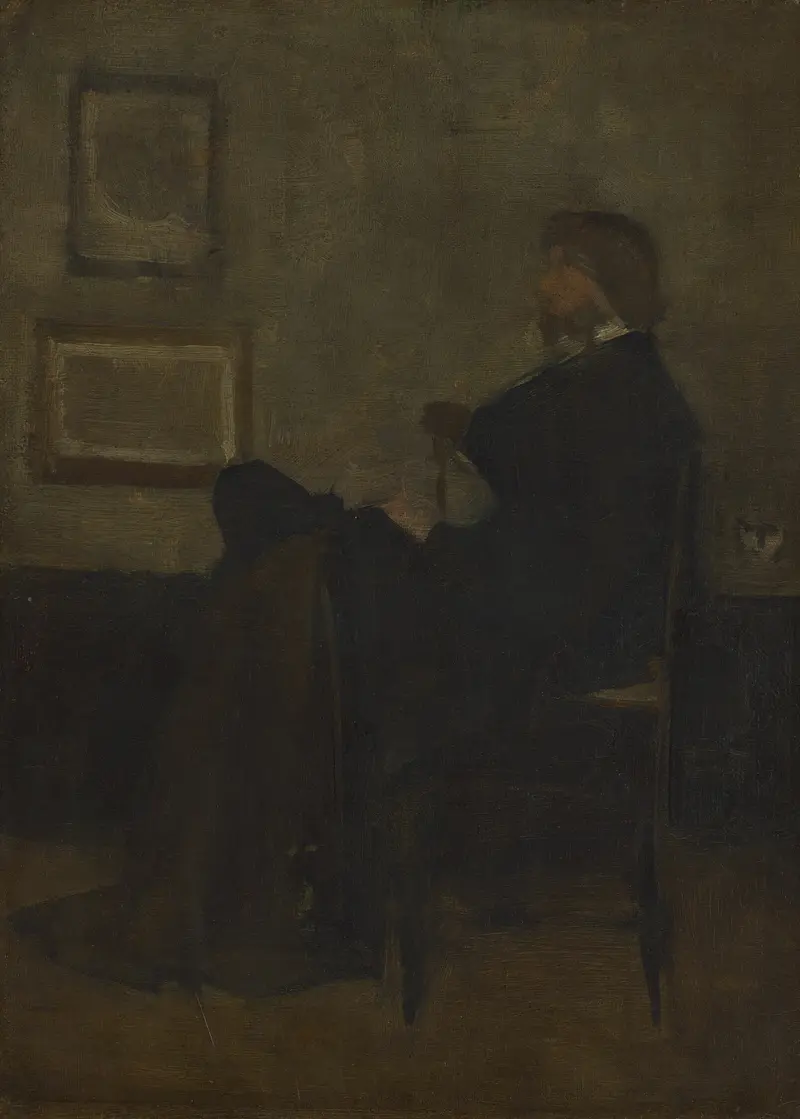
Study for "Arrangement in Grey and Black, No. 2: Portrait of Thomas Carlyle"
James McNeill Whistler
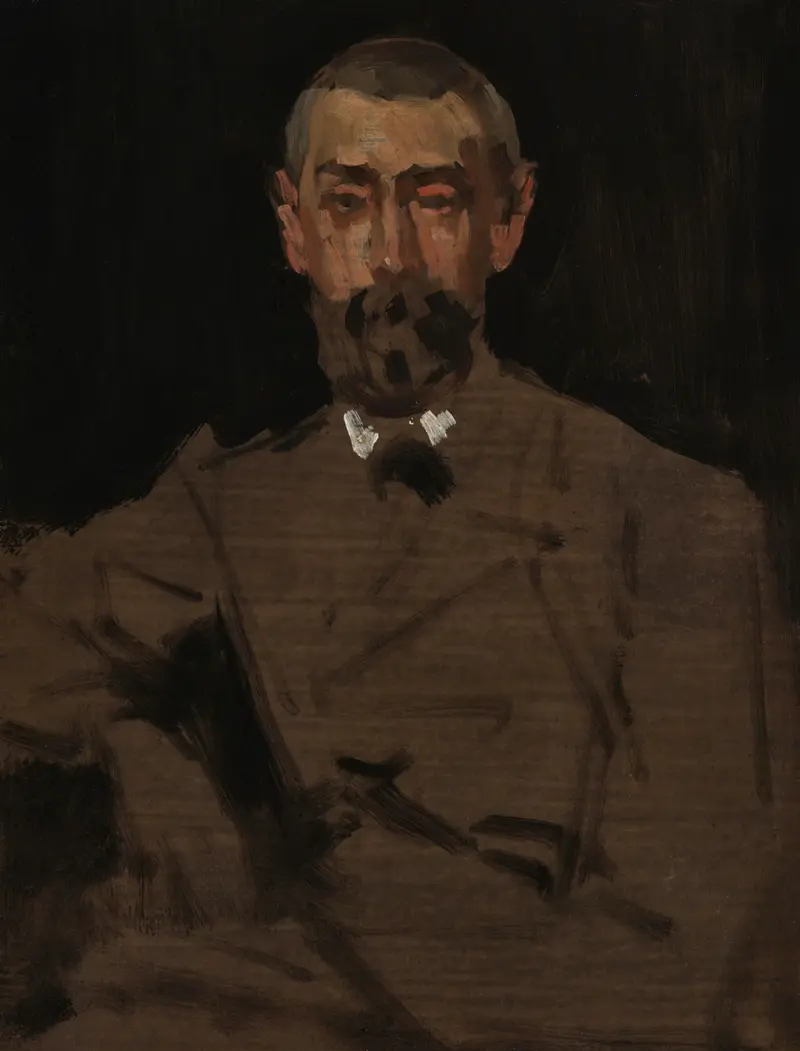
Portrait of M. R. Elden
James McNeill Whistler
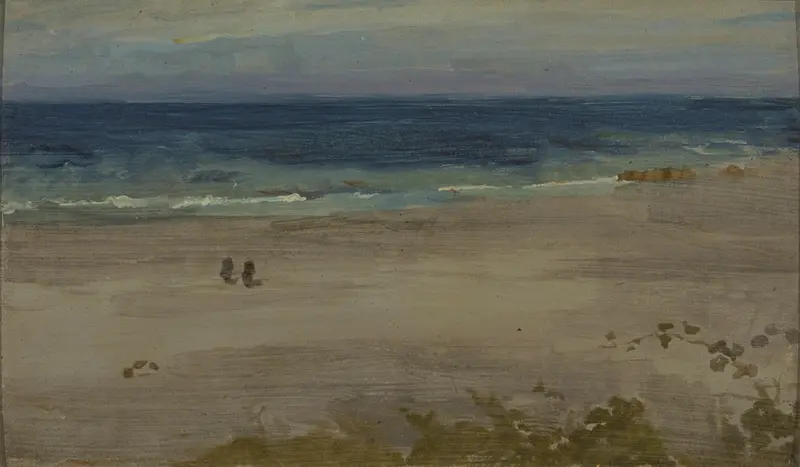
The Blue Sea
James McNeill Whistler
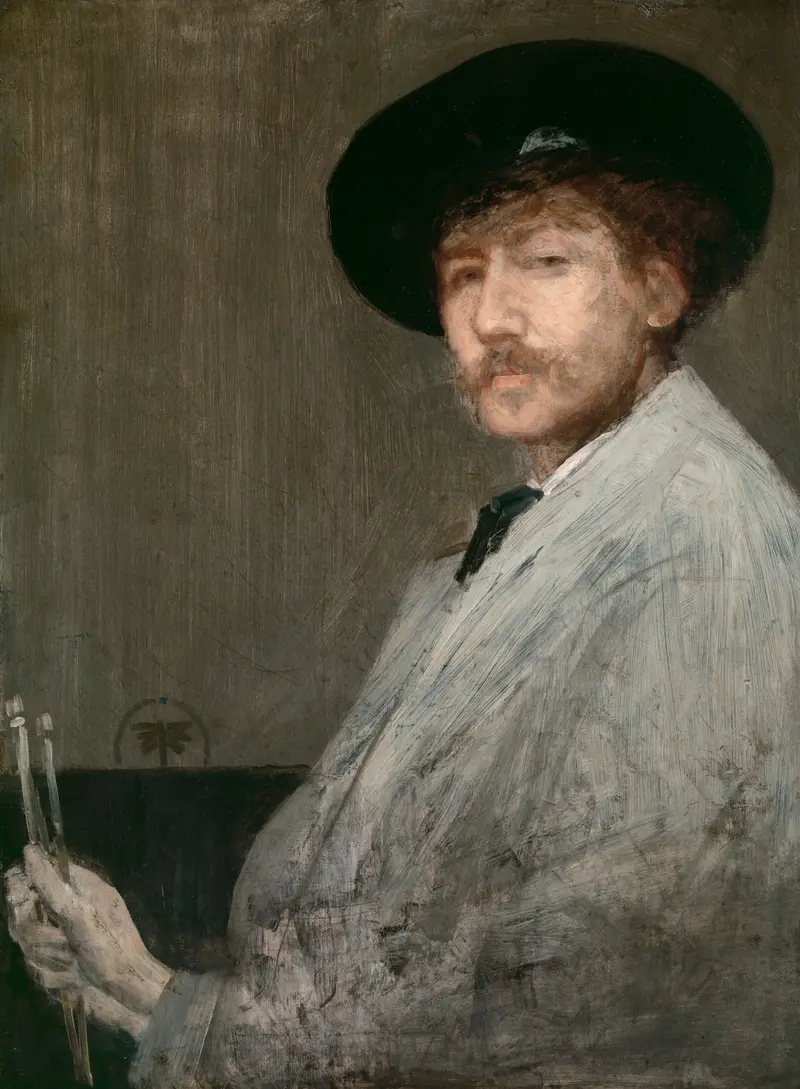
Arrangement in Gray: Portrait of the Painter
James McNeill Whistler
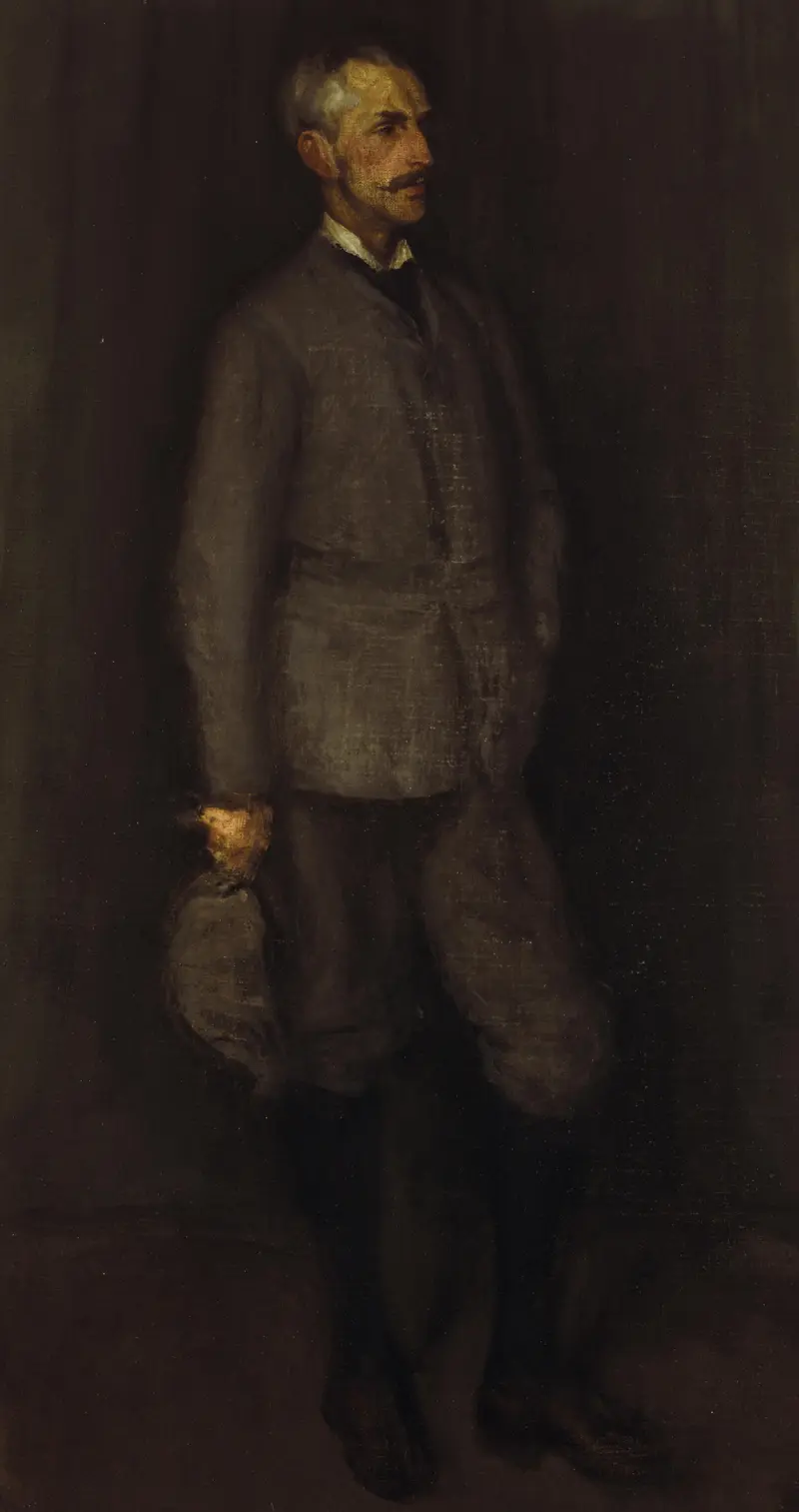
Arrangement in Grey and Green. Portrait of John James Cowan
James McNeill Whistler
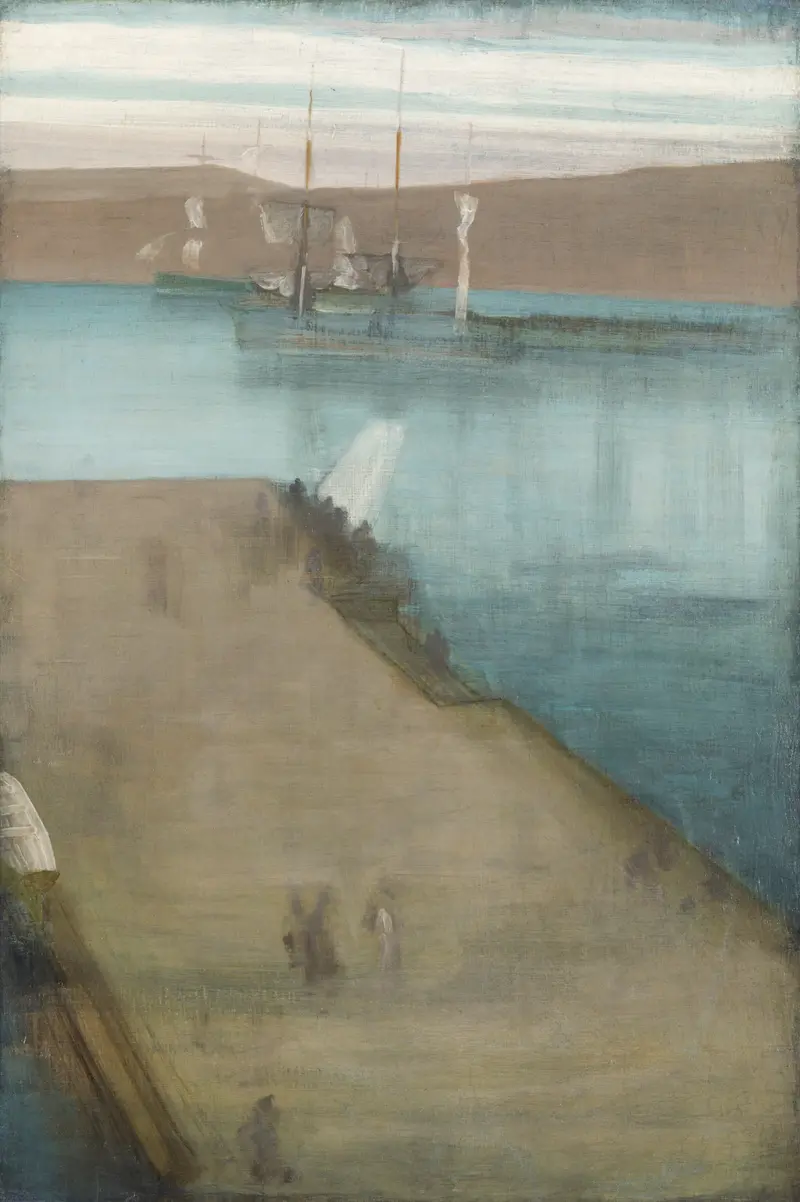
Valparaiso Harbor
James McNeill Whistler
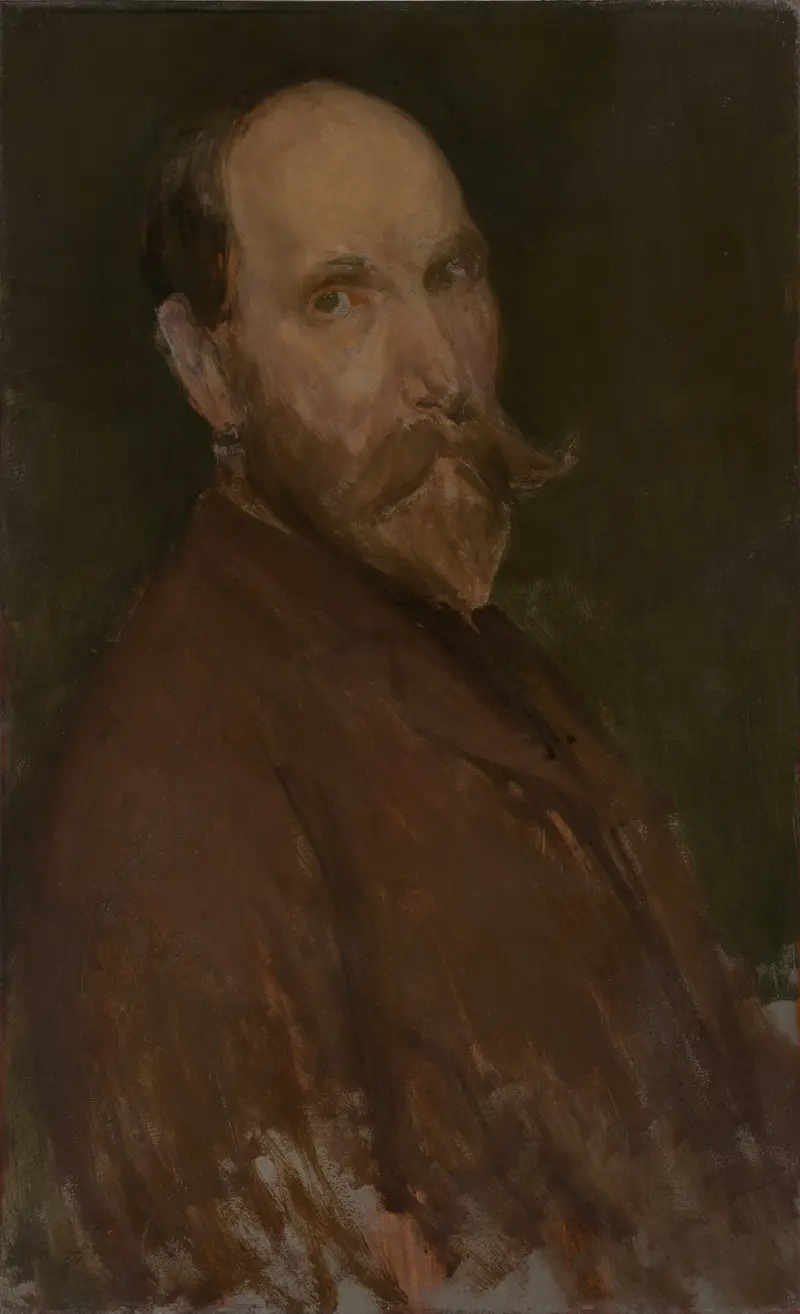
Charles Lang Freer
James McNeill Whistler