
The Golden Age — History & Facts
What first draws the eye in The Golden Age is the sense of effortless harmony: a ring of nude figures, hand in hand, dance beneath a heavily laden fruit tree, their bodies interwoven with the lush, almost untamed greenery. The scene is alive with movement and intimacy—some figures recline in the grass, others wade in a tranquil pool, while pairs exchange fruit or lean in for whispered conversation. Every gesture seems to signal ease and trust, as if the painter has caught a fleeting vision of a world before suspicion and sorrow.
The animals, too, lounge peacefully: a lion and a cow rest side by side, a stag grazes nearby, and birds wander through the wildflowers, all under the same serene sky. The palette is fresh and clear, with the blue of the mountains and sky setting off the warmth of the earth and the delicate, pale skin of the figures, inviting the viewer to linger in this garden of perpetual morning. Created circa 1530, this work belongs to a moment in European art when artists like Lucas Cranach the Elder delighted in picturing paradise on earth—a vision both classical and biblical, shaped by the humanist currents of the Renaissance. Such paintings were often commissioned by learned patrons who sought not only beauty but also a visual argument for the possibility of innocence and peace, even in a troubled world.
In the German courts where Cranach worked, these scenes served as reminders of lost harmony and as subtle reflections on the nature of human happiness. While history has kept few traces of this specific painting’s journey, its presence in a modern collection reminds us how the dream of a golden age—half memory, half longing—continues to draw us in. Look again at the way the figures touch, the way the animals rest: the promise of concord is always just within reach.
More Artworks by Lucas Cranach the Elder

Martin Luther
Lucas Cranach the Elder
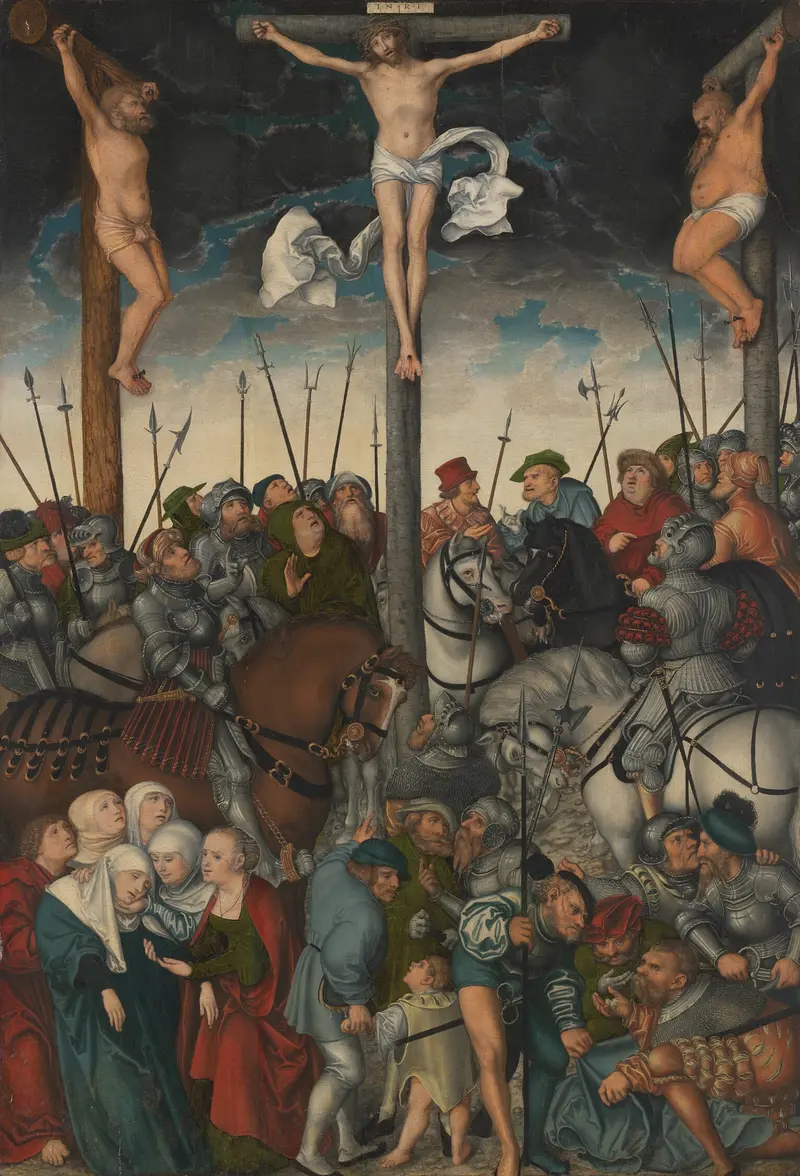
The Crucifixion
Lucas Cranach the Elder
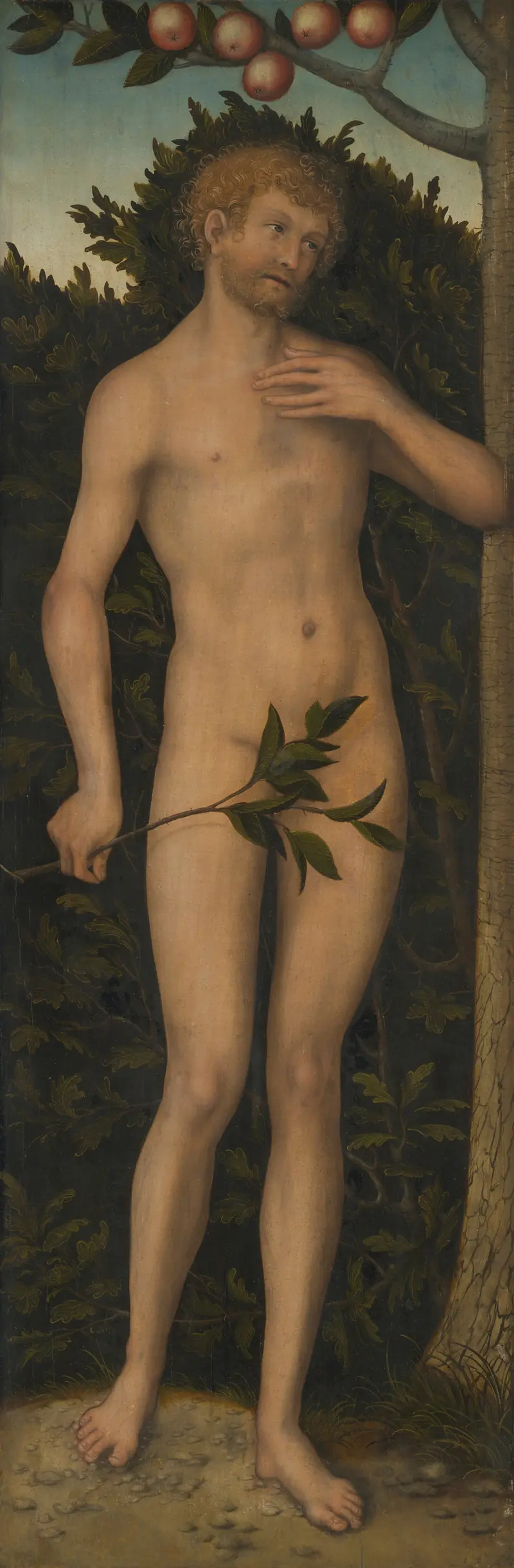
Adam
Lucas Cranach the Elder
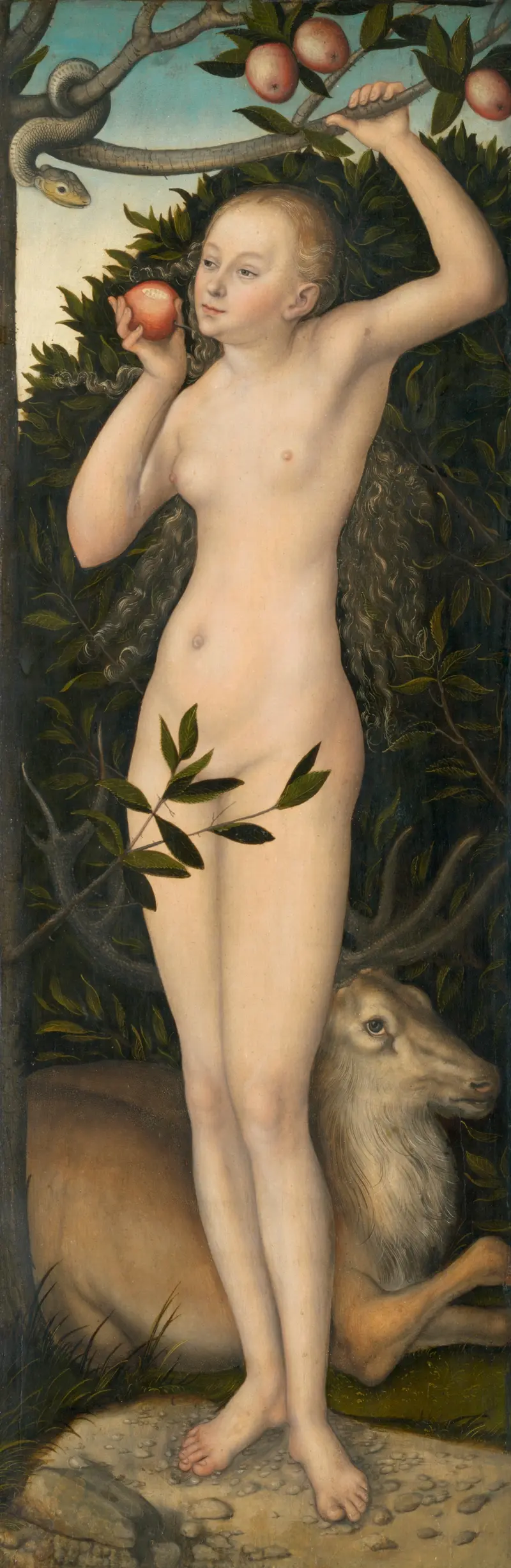
Eve
Lucas Cranach the Elder
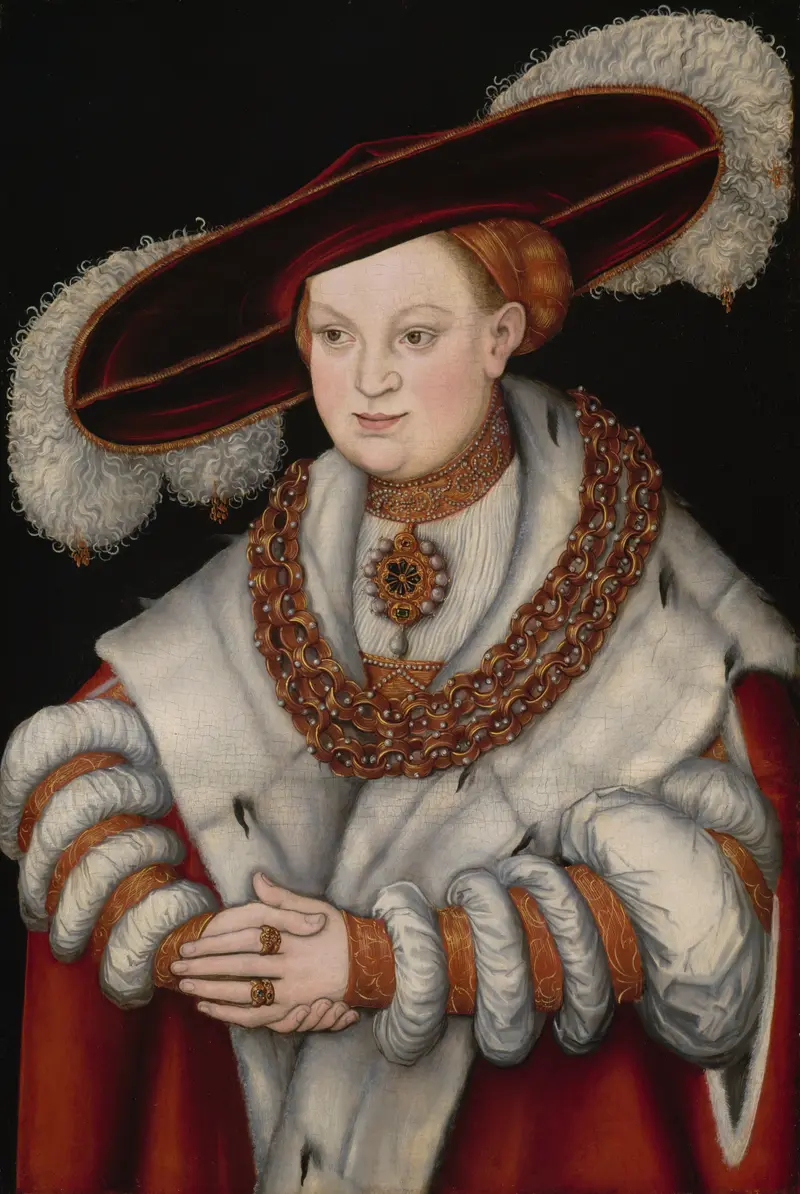
Portrait of Magdalena of Saxony, Wife of Elector Joachim II of Brandenburg
Lucas Cranach the Elder
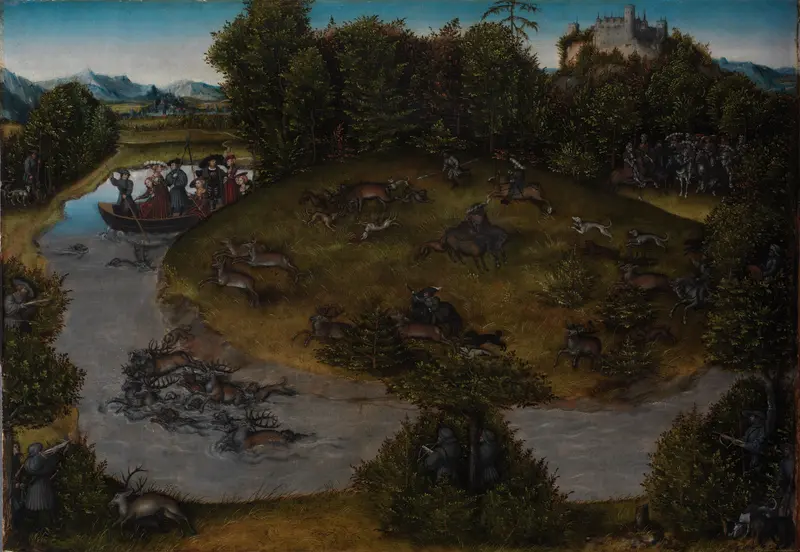
The Stag Hunt of the Elector Frederic the Wise (1463-1525) of Saxony
Lucas Cranach the Elder
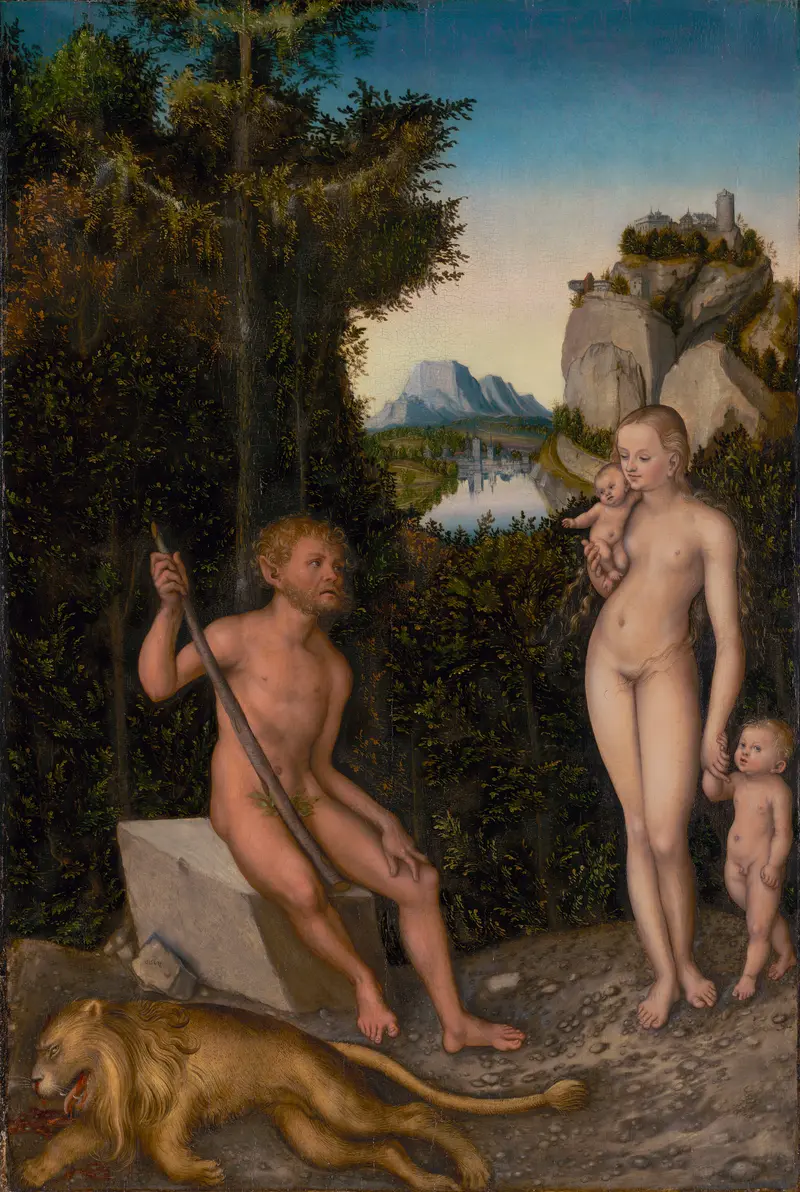
A Faun and His Family with a Slain Lion
Lucas Cranach the Elder
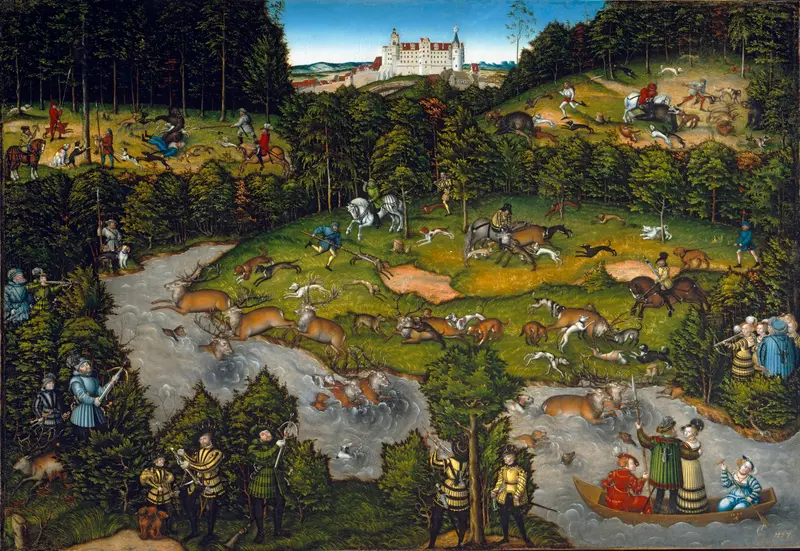
Hunting near Hartenfels Castle
Lucas Cranach the Elder
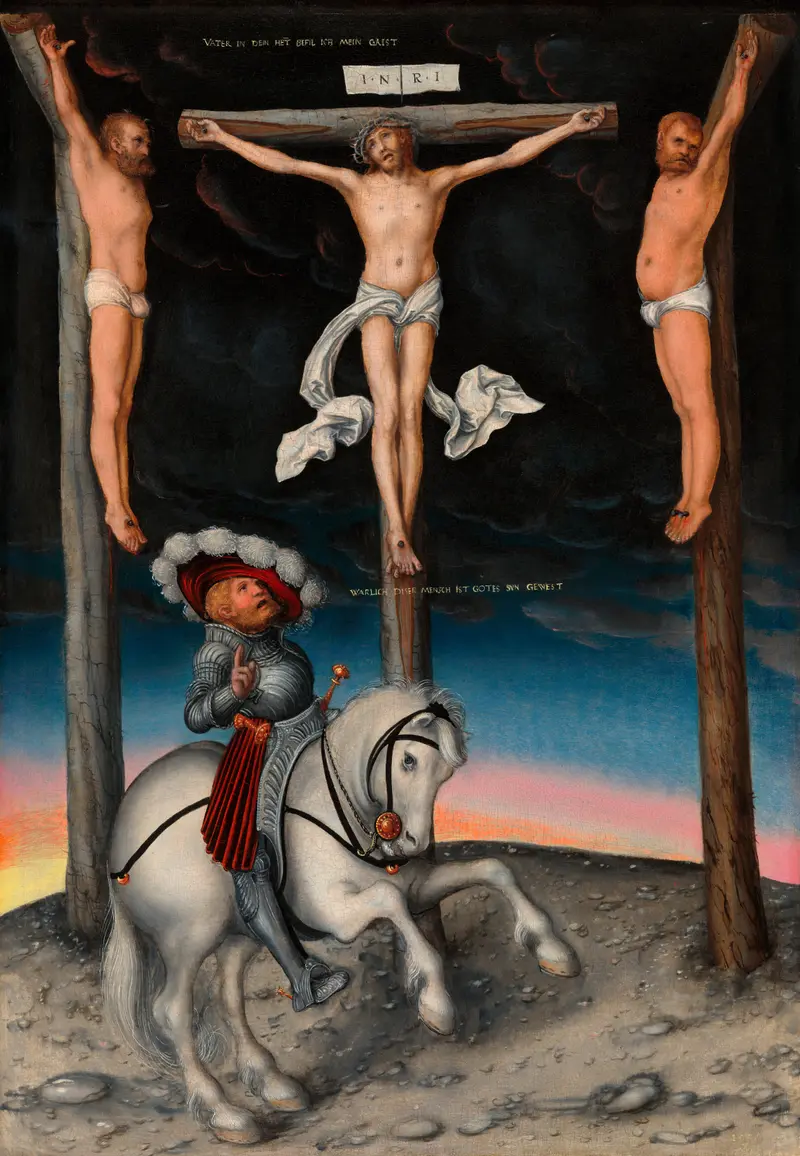
The Crucifixion with the Converted Centurion
Lucas Cranach the Elder
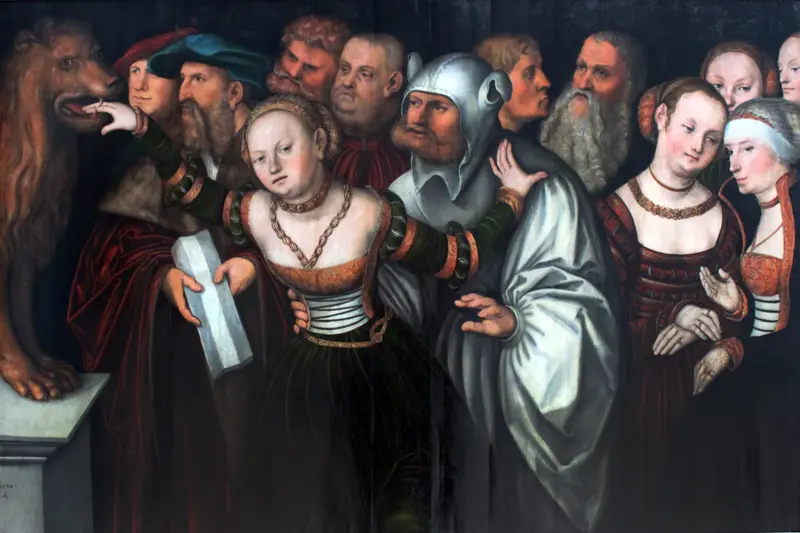
The Fable of the Mouth of Truth
Lucas Cranach the Elder





