
The Good Luck Branch — History & Facts
What first catches the eye in The Good Luck Branch is the swirl of motion: a child bundled in patterned robes, mid-step in the snow, lifts a willow branch festooned with a riot of rice-paste toys. Each dangling ornament—fish, birds, and tiny banners—seems to dance in the winter air, their bright colors and playful shapes standing out against the quiet, muted village behind. The child’s face, half-turned and intent, draws us into a private moment of ritual or celebration, while the sweep of the branch arcs across the scene like a blessing in motion.
The artist’s delicate lines and careful color harmonies invite us to linger on each detail, from the green ties of the sandals to the gentle fall of snow. Created in 1907, this print belongs to a world where East met West in art, a period when Western artists like Helen Hyde drew inspiration from Japanese woodblock traditions. Such works were often cherished as tokens of good fortune, exchanged at the turning of the year or given to mark new beginnings. The inscription above the image tells us that the branch, “of yielding willow, is strung with gay rice paste toys, emblems all, of Good Fortune,” a custom meant to bring “troops of friends” into the home.
Preserved today in the Smithsonian American Art Museum, The Good Luck Branch is a rare survivor of its era—its gentle wish for luck and friendship still radiates from the page, inviting us to imagine the world it once promised to bless.
More Artworks by Helen Hyde

Moonlight on the Viga Canal) - HH (monogram) LCCN0065
Helen Hyde
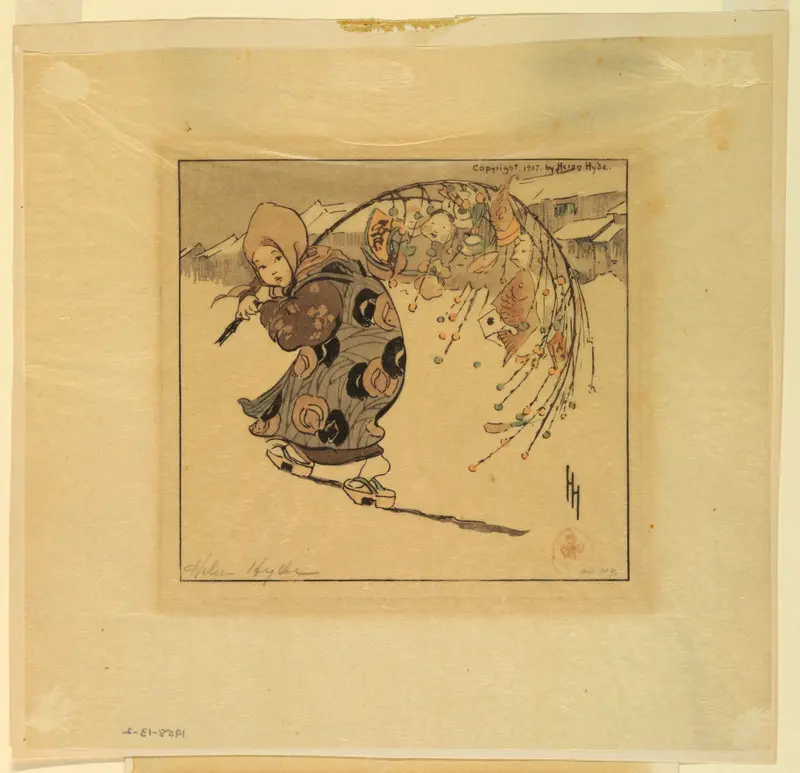
Print, The Good Luck Branch
Helen Hyde
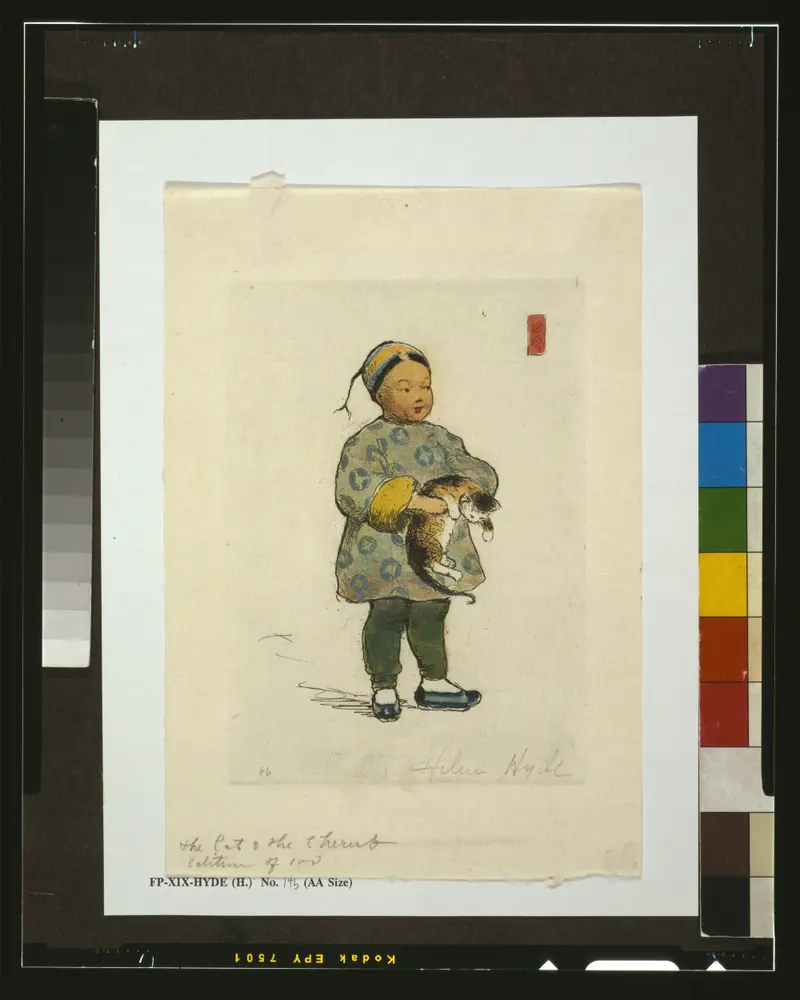
The cat and the cherub LCCN200367
Helen Hyde

Hon(orable Mr) cat - HH (monogram). LCCN200367
Helen Hyde
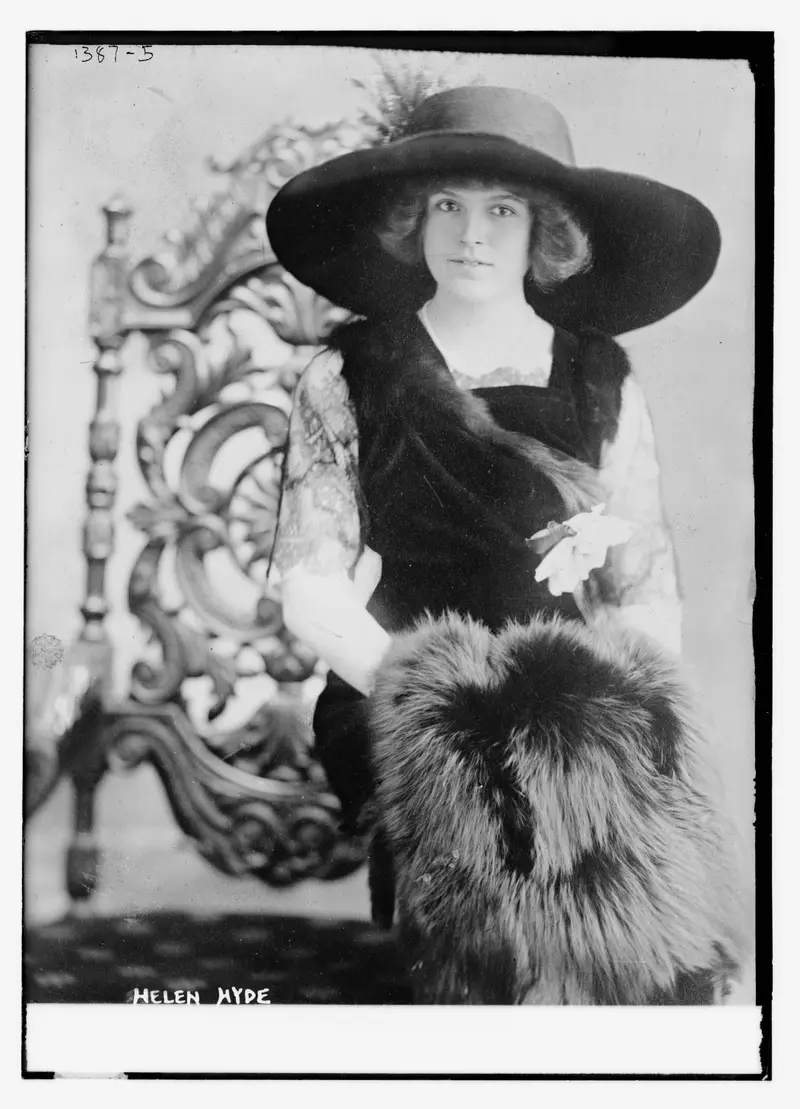
Helen Hyde LCCN201468
Helen Hyde
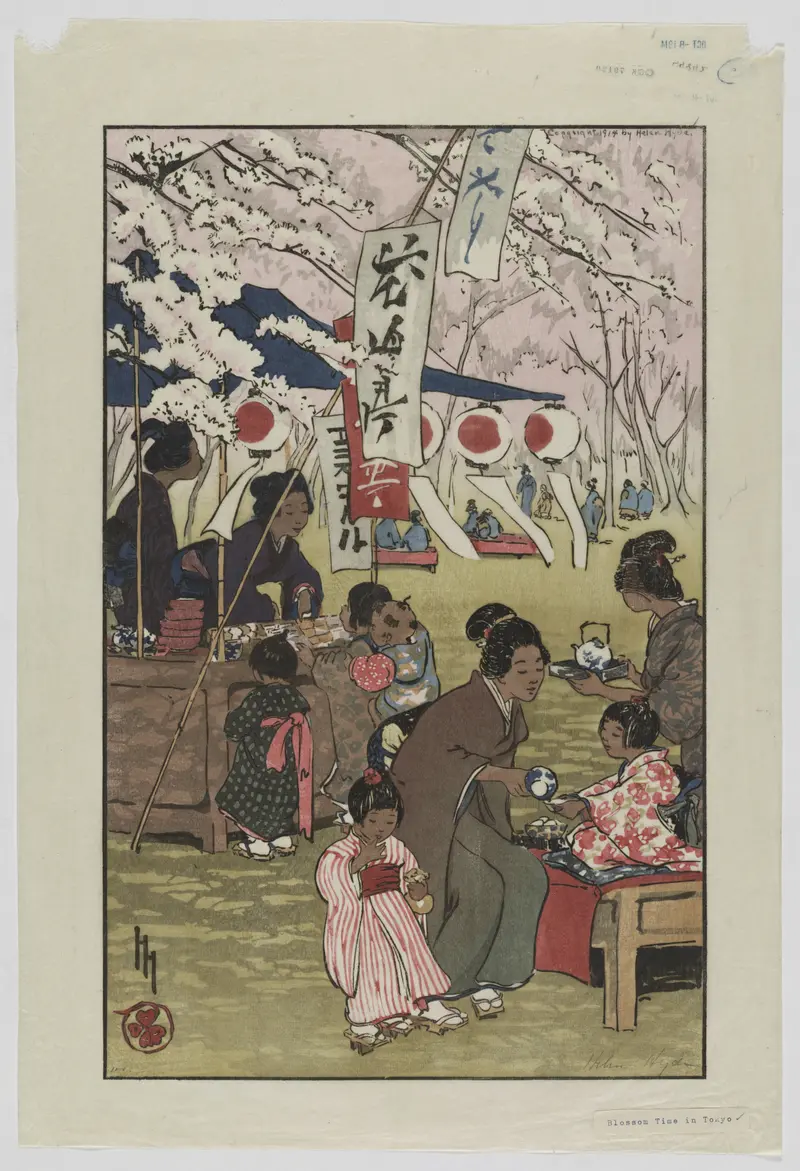
Blossom time in Tokyo) - HH (monogram) LCCN0065
Helen Hyde
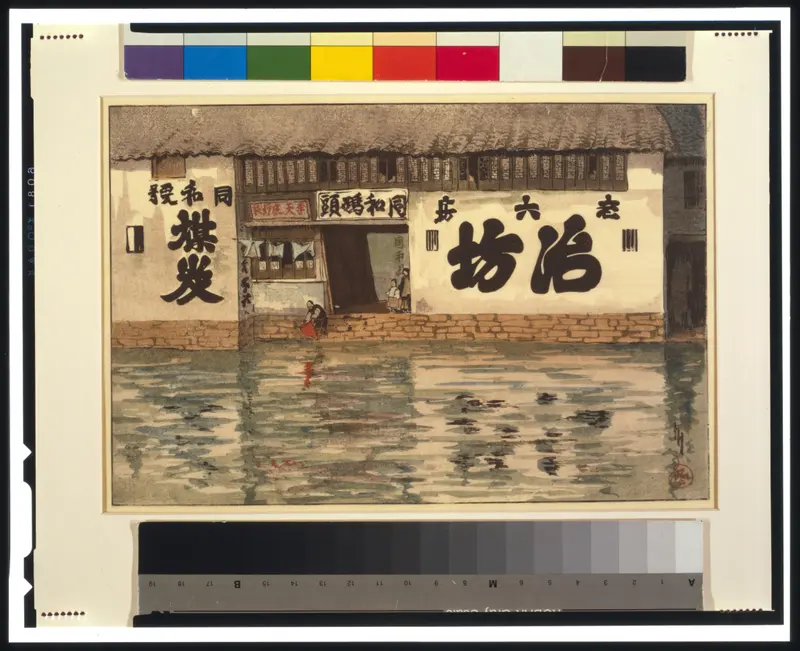
The sauce-pan shop) - HH (monogram) LCCN0065
Helen Hyde

New Year's Day in Tokyo
Helen Hyde
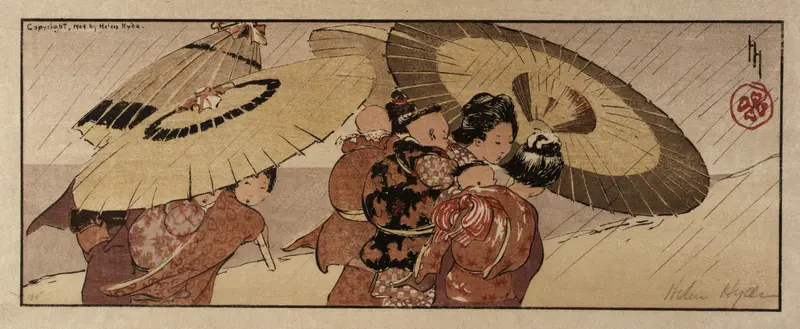
A Summer Shower
Helen Hyde
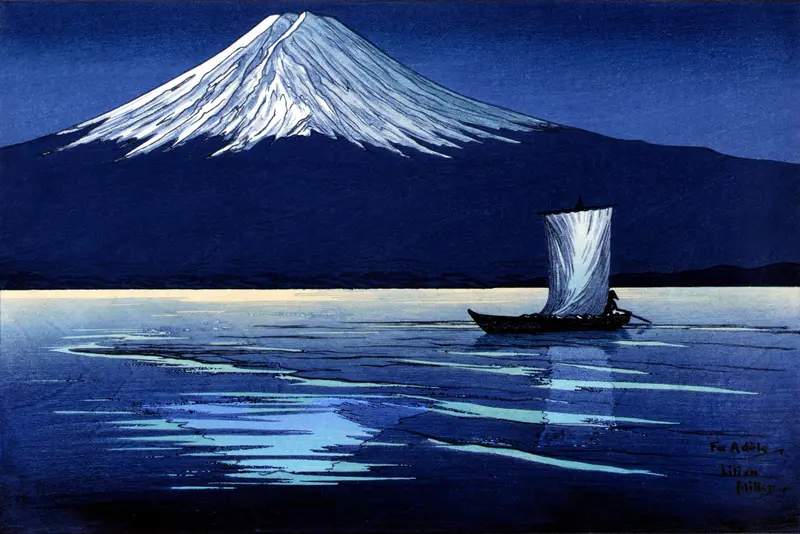
Moonlight on Mt. Fuji
Helen Hyde
More Genre Scene Art

Banquet of the Officers of the St George Civic Guard
Frans Hals

Rembrandt and Saskia in the Scene of the Prodigal Son
Rembrandt van Rijn

Bal du moulin de la Galette
Pierre-Auguste Renoir

Quadrille at the Moulin Rouge
Henri de Toulouse-Lautrec

A Burial at Ornans
Gustave Courbet

When Will You Marry?
Paul Gauguin