
The Gravel Bank, Easthampton, L.I. — History & Facts
Who listens when art speaks of silence? In The Gravel Bank, Easthampton, L.I., Thomas Moran invites us to experience the stillness of a moment steeped in nature’s quietude. Look closely at the serene landscape, where the eye is drawn first to the gentle curve of the gravel bank that leads the viewer's gaze toward the horizon. The colors are muted yet rich; soft greens and browns blend harmoniously beneath a vast sky, brushed with wisps of delicate clouds. Notice how the light dances on the surface of the water, reflecting the world above while echoing the tranquility that dominates the scene. Beneath the calm surface lies a tension between man and nature.
The gravel bank, a testament to human intervention, contrasts with the organic shapes of the surrounding flora. The painting captures a fleeting moment of coexistence, inviting contemplation on humanity's role within the natural world. The scene whispers of creation, a reminder that beauty often emerges from the delicate balance of interaction and distance. Created in 1892, this piece reflects Moran's deepening interest in American landscapes amid the burgeoning appreciation for the natural environment.
At this time, he was rooted in Easthampton, a community that influenced his artistic vision. Emerging from a period of exploration in both the Hudson River School and the burgeoning Impressionist movements, he sought to merge detail with atmospheric effects, culminating in a work that resonates with the viewer’s sense of place and time.
More Artworks by Thomas Moran
Browse all →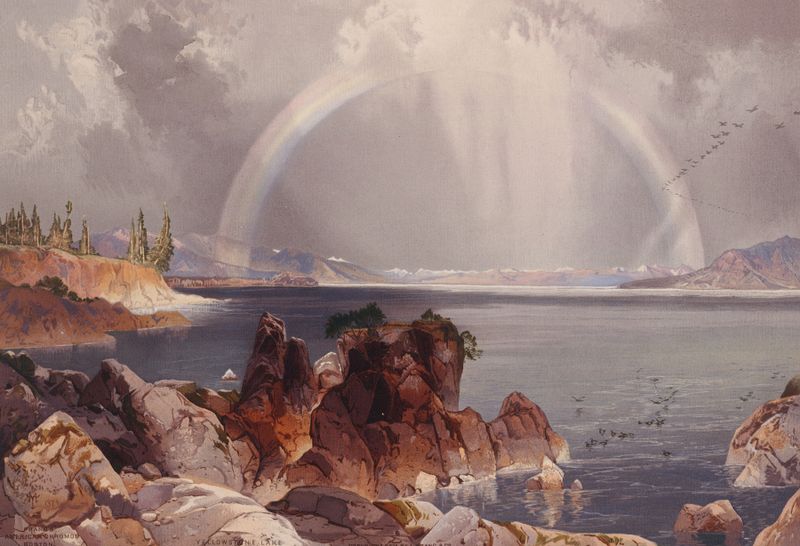
Yellowstone Lake
Thomas Moran

Grand Canyon of the Colorado River
Thomas Moran

Grand Canyon, Colorado River
Thomas Moran

The Towers of Tower Falls, Yellowstone
Thomas Moran
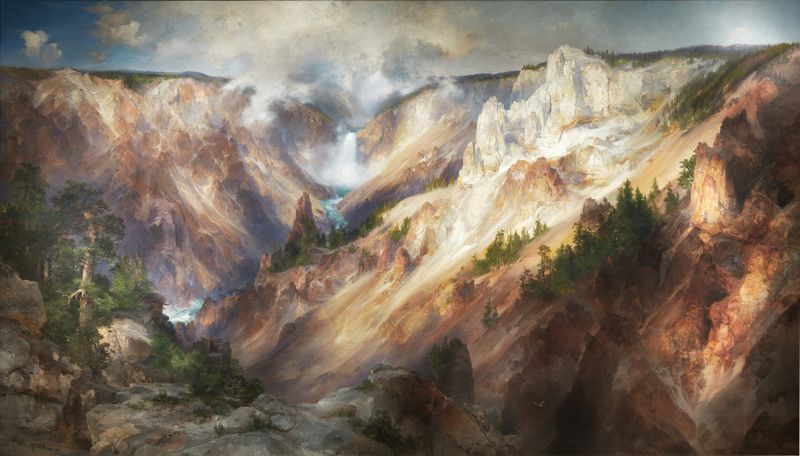
The Grand Canyon Of The Yellowstone
Thomas Moran

Mountain of the Holy Cross
Thomas Moran

Cliffs Of The Upper Colorado River, Wyoming Territory
Thomas Moran
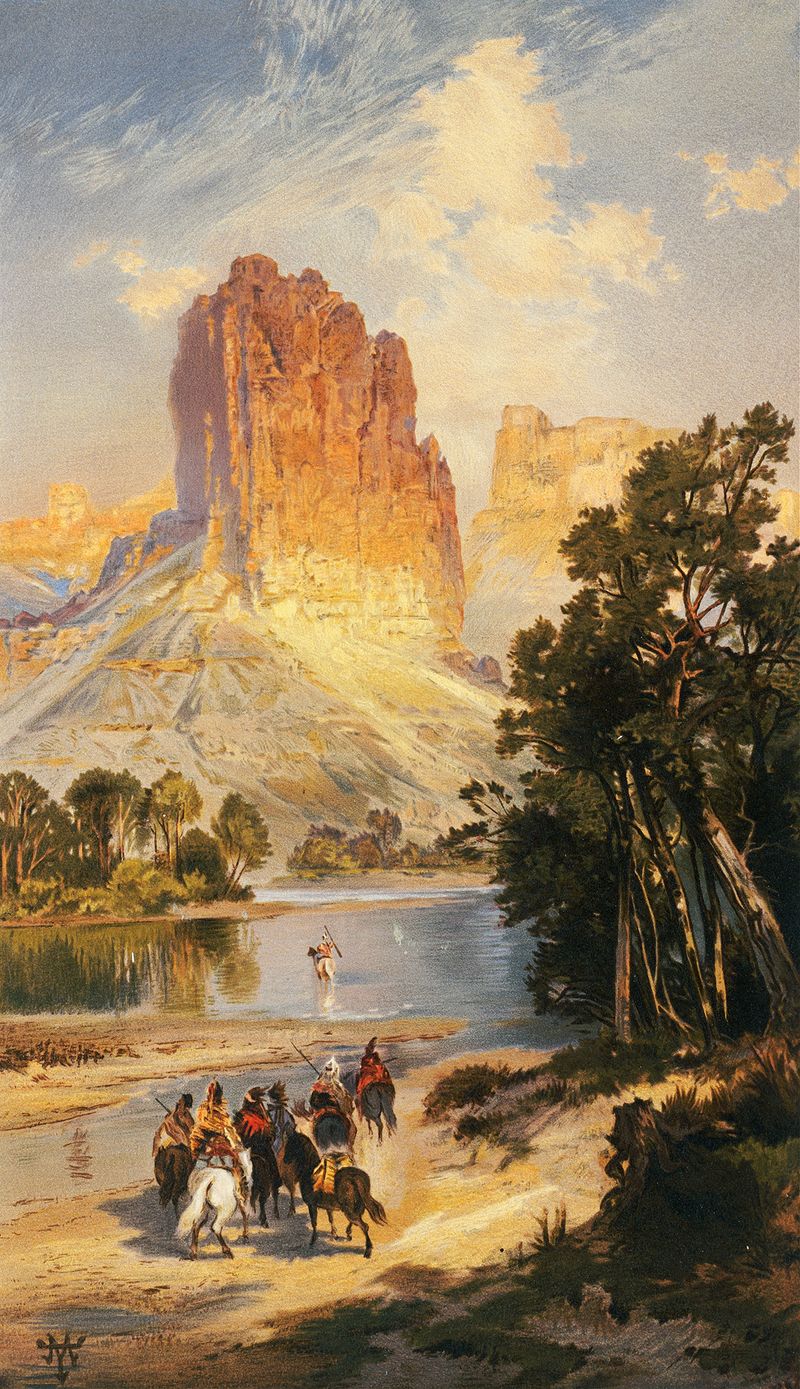
Cliffs of the Upper Colorado River, Wyoming Territory
Thomas Moran

Mammoth Hot Springs, Yellowstone
Thomas Moran
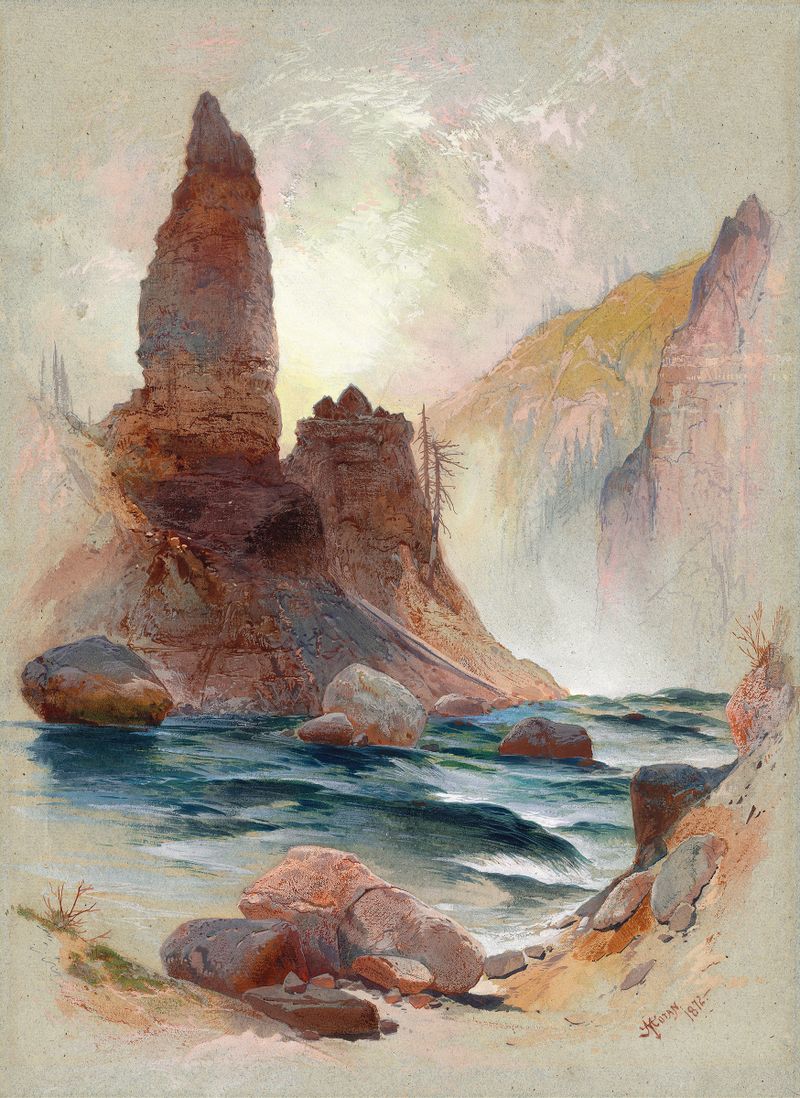
Tower at Tower Falls, Yellowstone
Thomas Moran





