
The Great Bridge — History & Facts
In the delicate equilibrium of Gustave Courbet's work, vibrant hues coalesce with a quiet depth, whispering tales of balance and unrest. Look to the left at the sweeping arch of the bridge, its grandeur offset by the stillness of the water below. The meticulous brushstrokes capture not only the physical structure but also the air of serene contemplation that envelops the scene. Notice how the interplay of light and shadow drapes the bridge in soft illumination, contrasting with the darker, brooding foliage that surrounds it.
The harmony of the colors reflects a sense of stability, yet hints at the underlying tensions of the natural world. Beyond the surface, the painting evokes a dichotomy of human ingenuity and the wild, untamed landscape. The bridge, a symbol of progress, stands resolute amidst a backdrop of nature, suggesting a fragile balance between civilization and the wilderness. The muted greens and earthy browns ground the structure, while the hints of blue in the water serve as a reminder of life's flow—ever-changing yet often overlooked. Courbet painted this piece in 1864, during a period marked by personal and artistic evolution.
He was working in France, where he was at the forefront of the realism movement, challenging established norms and reflecting on the complexities of modern life. This artwork embodies his commitment to capturing the raw essence of humanity's relationship with nature, rooted in both observation and emotional truth.
More Artworks by Gustave Courbet
Browse all →
Marine
Gustave Courbet
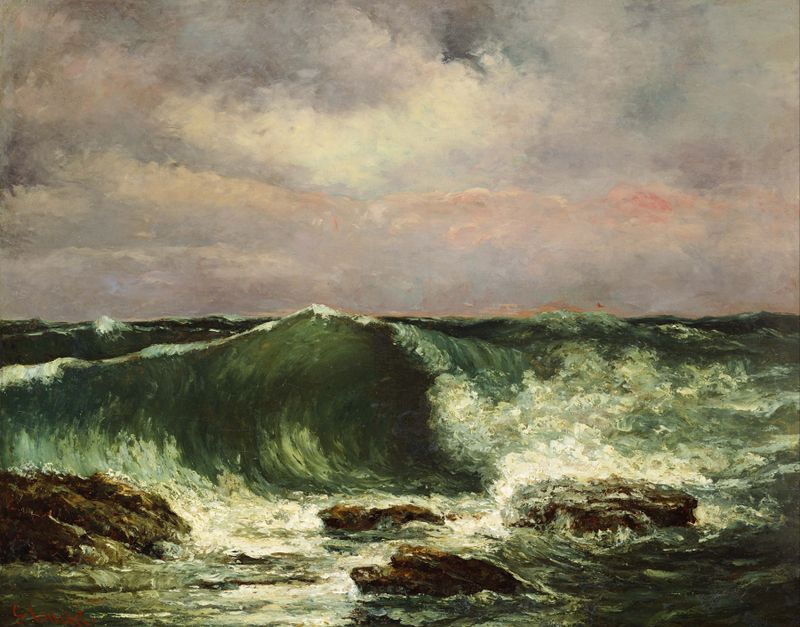
Waves
Gustave Courbet

Étretat; Les Falaises
Gustave Courbet
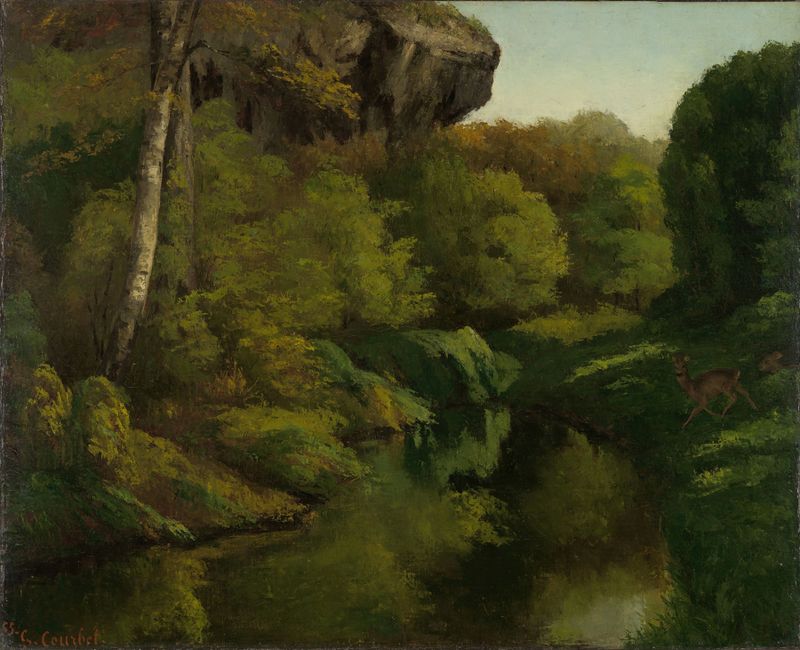
View in the Forest of Fontainebleau
Gustave Courbet
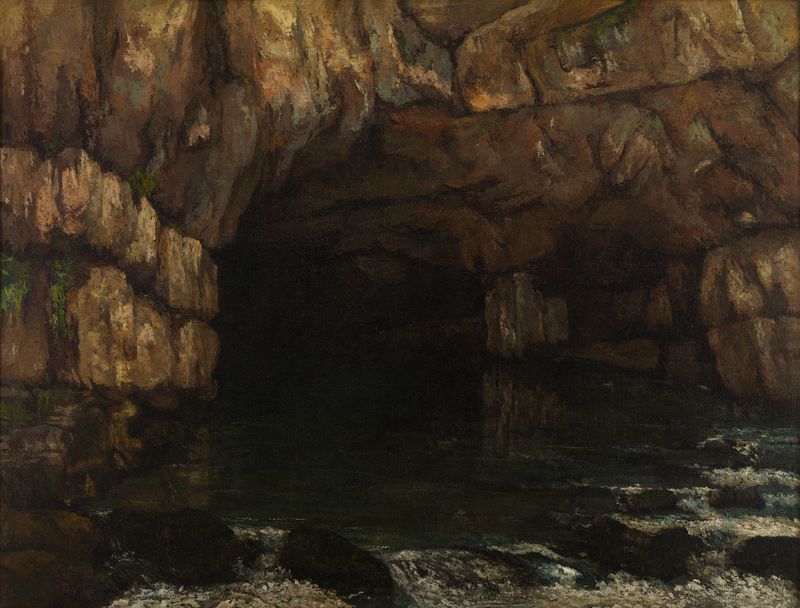
La source de la Loue (The Source of the Loue)
Gustave Courbet

Low Tide at Trouville
Gustave Courbet
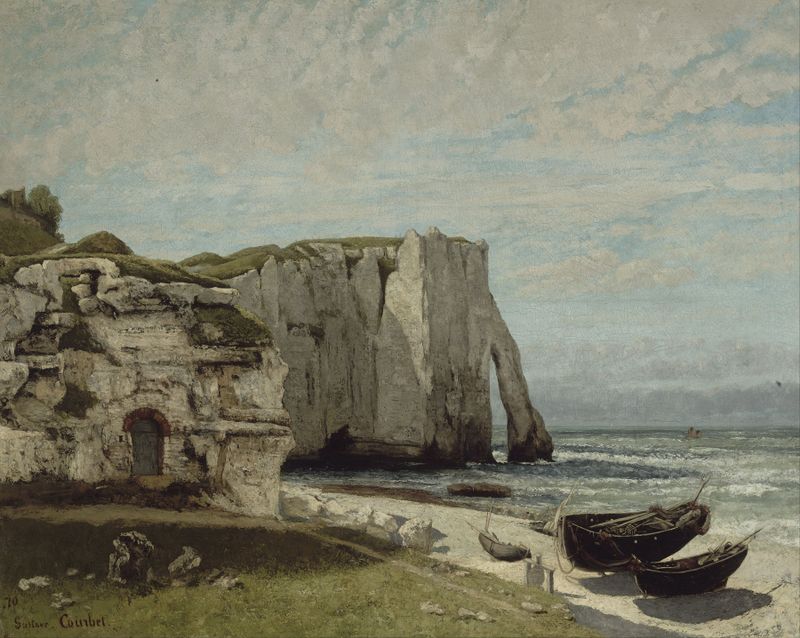
The Etretat Cliffs after the Storm
Gustave Courbet
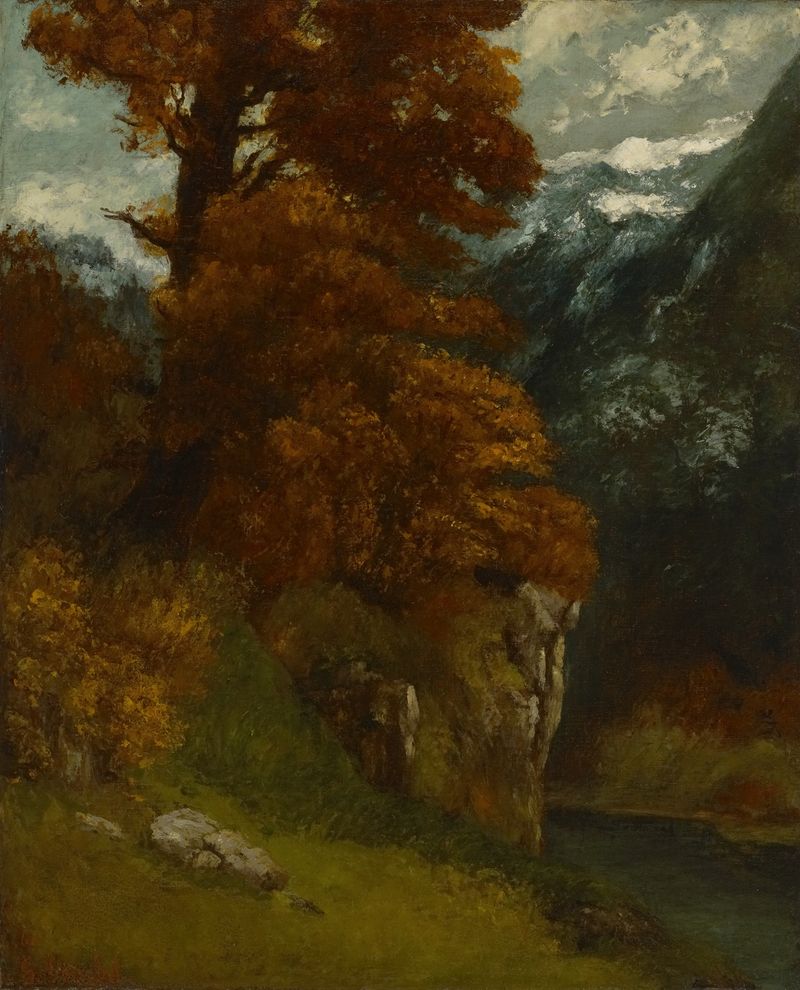
The Glen at Ornans (Bords du Doubs; Effet d’Automne)
Gustave Courbet
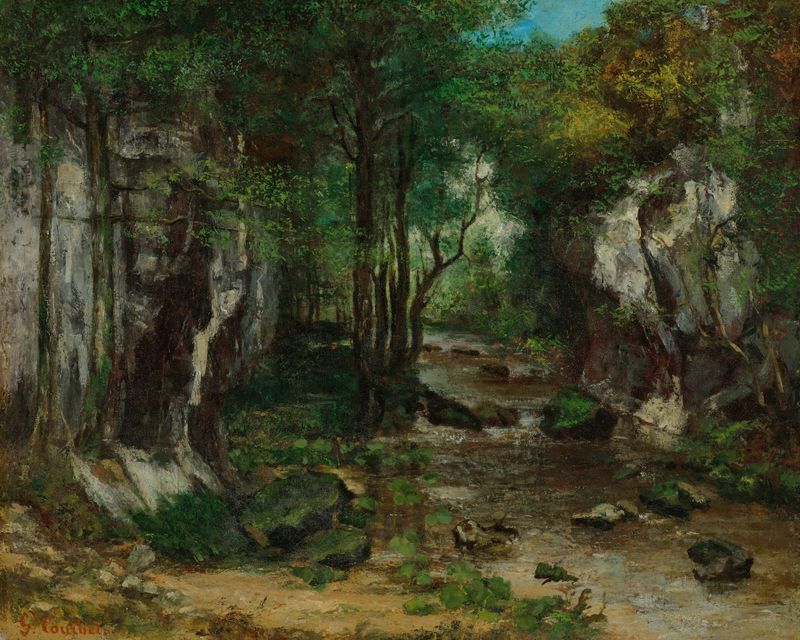
Le Ruisseau de Puits Noir
Gustave Courbet
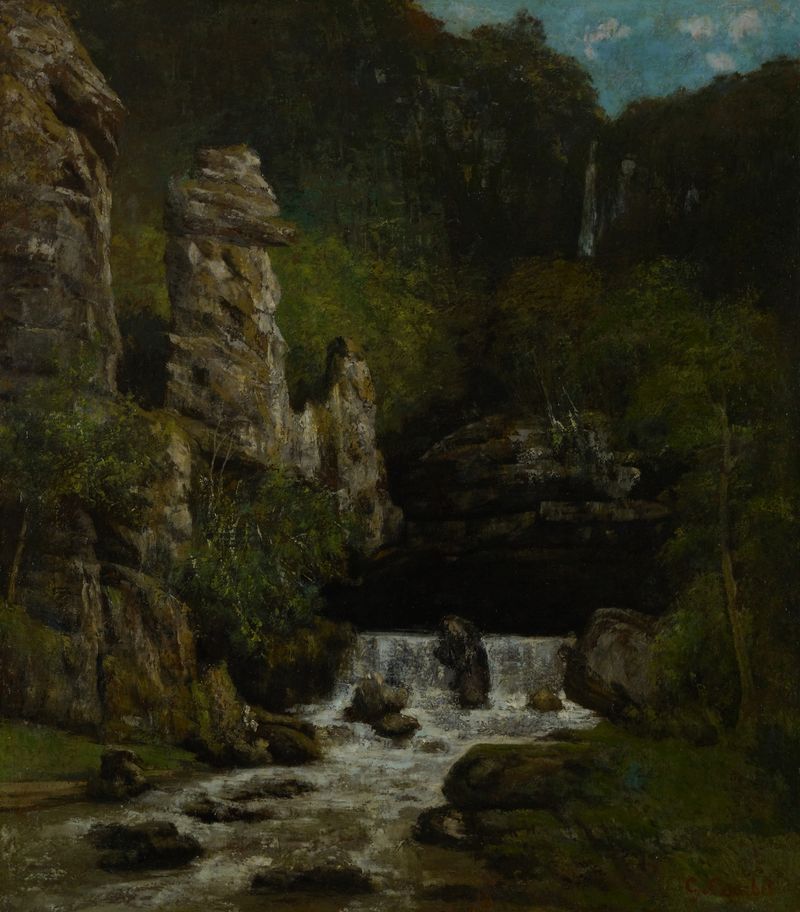
Landscape with a Waterfall
Gustave Courbet
More Architecture Art
Browse all →
The statue of Liberty
Frédéric Auguste Bartholdi

View of Houses in Delft, Known as ‘The Little Street’
Johannes Vermeer

View of Houses in Delft, Known as ‘The Little Street’
Johannes Vermeer

The Cathedral in Rouen. The portal, Grey Weather
Claude Monet

The yellow house
Vincent van Gogh

The Church in Auvers-sur-Oise, View from the Chevet
Vincent van Gogh