
The Great Cloister, Cassiobury — History & Facts
In a world of chaos, moments of serenity emerge, whispering stories of tranquil intersections where nature and architecture meet. Look closely at the intricate arches framing the cloister, where the vibrant greens of surrounding foliage seem to vibrate with life. Notice how the deep shadows play against the stone walls, their textures accentuated by the artist’s deft handling of light. The soft hues of blue and ochre blend harmoniously, inviting the viewer to wander through the meticulously painted pathways, while the delicate balance of detail and spaciousness creates a sense of both presence and invitation to escape. Yet, within this serene representation lies an underlying tension.
The cloister, a symbol of refuge and contemplation, is nestled amidst the chaotic brushstrokes that suggest the wildness of the natural world beyond its confines. The contrast between the rigid geometry of the structure and the organic forms of the surrounding trees evokes a dialogue about order and disorder. Additionally, the unexpected splashes of color within the greenery create an emotional charge, hinting at the vibrancy of life that thrives outside the solemnity of the cloister. Created in 1816, this work emerged at a time when John Hill was establishing himself as a significant landscape painter in England.
Working against a backdrop of burgeoning Romanticism, he sought to intertwine the natural beauty of the English landscape with architectural elements, reflecting the cultural shift towards valuing the sublime. This piece exemplifies his ability to capture not only the visual aspects of a scene but also its emotional resonance, positioning him within the broader narrative of early 19th-century art.
More Artworks by John Hill
Browse all →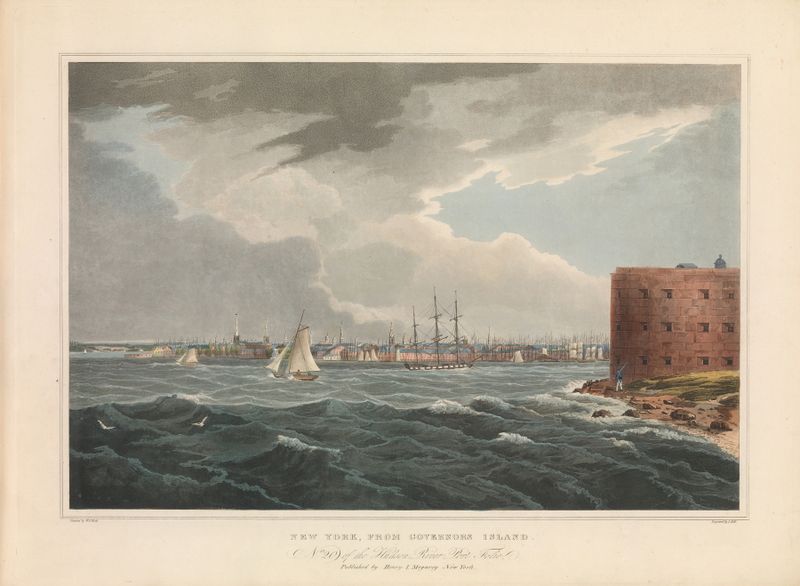
New York from Governor’s Island
John Hill

West Point
John Hill
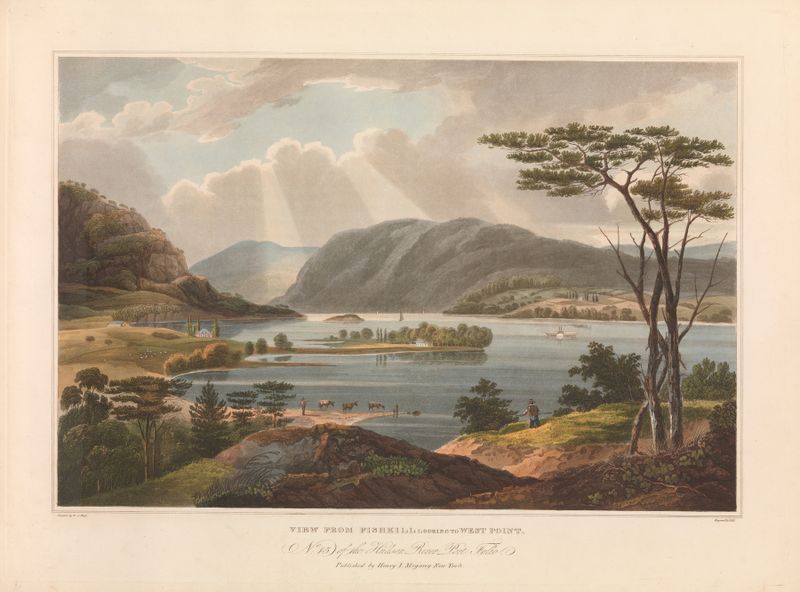
View from Fishkill Looking To West-Point
John Hill

View Near Hudson
John Hill
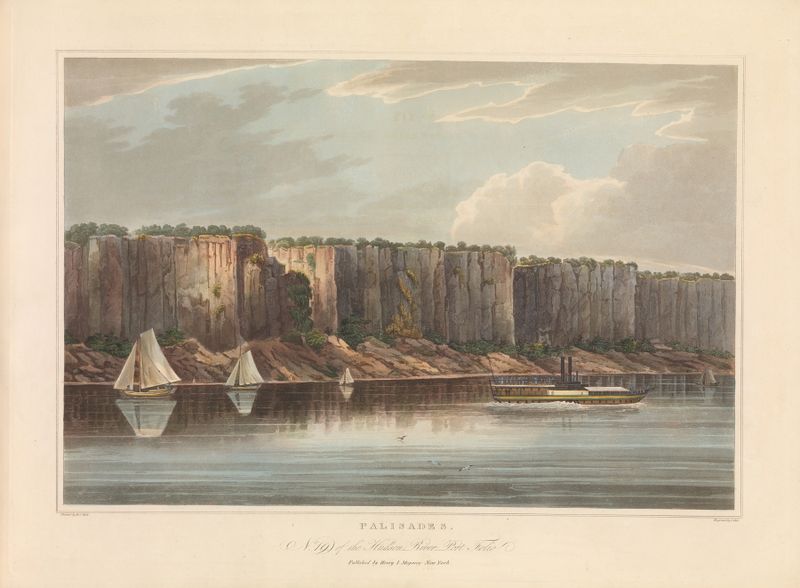
The Palisades
John Hill
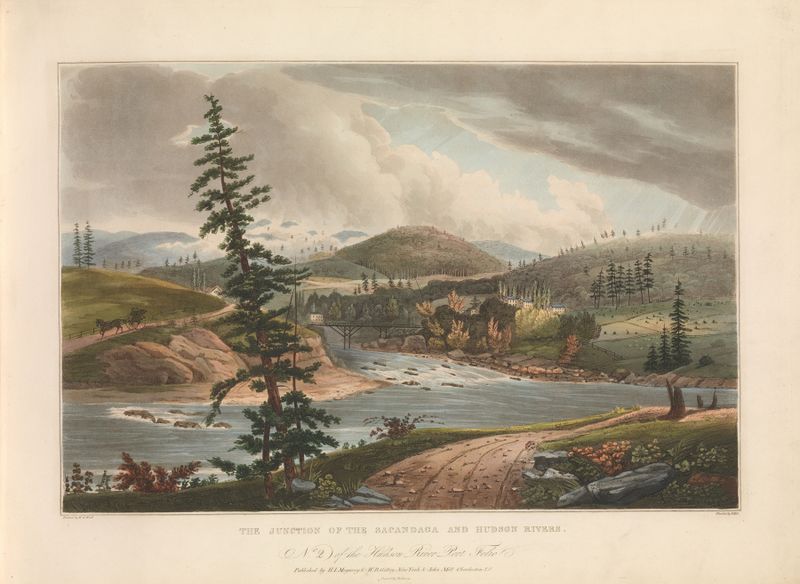
Junction of the Sacandaga and Hudson Rivers
John Hill
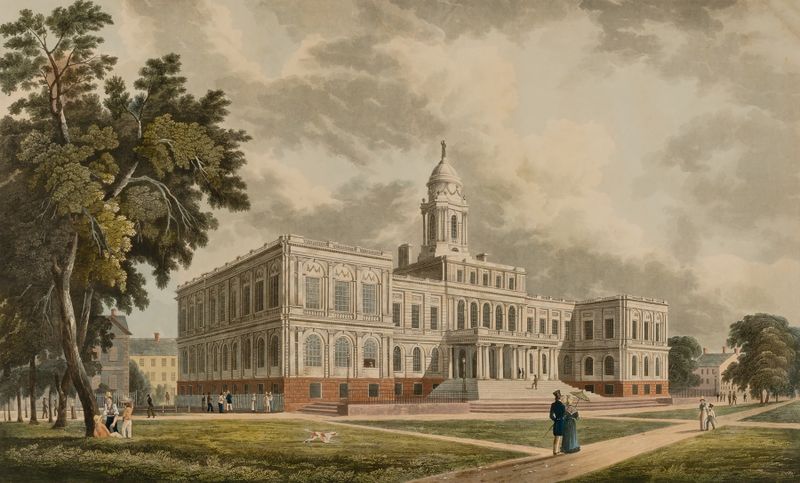
City Hall
John Hill

North-West Front, Cassiobury
John Hill

Glenns Falls
John Hill

His Majesty’s Frigate ‘Endymion’
John Hill
More Architecture Art
Browse all →
The statue of Liberty
Frédéric Auguste Bartholdi

View of Houses in Delft, Known as ‘The Little Street’
Johannes Vermeer

View of Houses in Delft, Known as ‘The Little Street’
Johannes Vermeer

The Cathedral in Rouen. The portal, Grey Weather
Claude Monet

The yellow house
Vincent van Gogh

The Church in Auvers-sur-Oise, View from the Chevet
Vincent van Gogh