
The Great Rock — History & Facts
Is this a mirror — or a memory? In the stillness of The Great Rock, we are drawn into an unsettling realm where the past and present collide, revealing the fragility of sanity within art’s embrace. Look to the left at the jagged contours of the rock, each shadowed crevice alive with dark hues that pulsate with tension. The stark contrast of light illuminates the figure standing before it, their posture a mixture of curiosity and apprehension. The delicate strokes create a tension between the solid mass of stone and the ethereal quality of the surrounding space, symbolizing the weight of existential dread that hangs in the air. Delve deeper into the nuances of the composition, where the interplay of light and shadow hints at a profound narrative of madness.
The rock, a formidable presence, serves as a metaphor for the burden of memory, its surface reflecting not just the figure’s visage but also the chaotic thoughts that swirl within. The artist's choice of muted colors conveys an atmosphere of despair, while the surreal elements invite questions about reality itself and the thin line that separates sanity from madness. In 1630, Jacques Callot was navigating the turbulent landscape of post-war France, where the echoes of conflict left indelible marks on the human psyche. This period saw Callot experimenting with themes of human folly and turmoil, creating works that would resonate deeply within the Baroque movement.
The Great Rock epitomizes his exploration of psychological depth, encapsulating a moment where personal and collective madness intertwine, leaving an enduring impact on the viewer.
More Artworks by Jacques Callot
Browse all →
Titelprent voor de prentreeks 'De kleine apostelen' (Het martelaarschap van de apostelen)
Jacques Callot
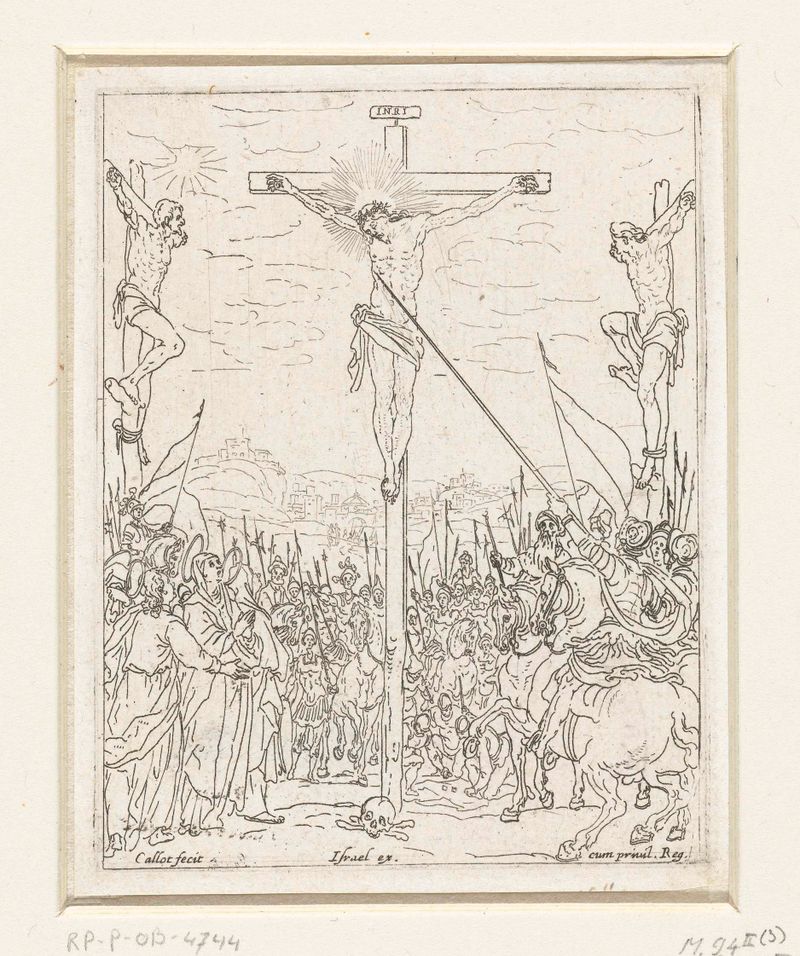
Kruisiging
Jacques Callot

De doortocht door de Rode Zee
Jacques Callot

De verloren zoon als zwijnenhoeder
Jacques Callot

Annunciatie
Jacques Callot
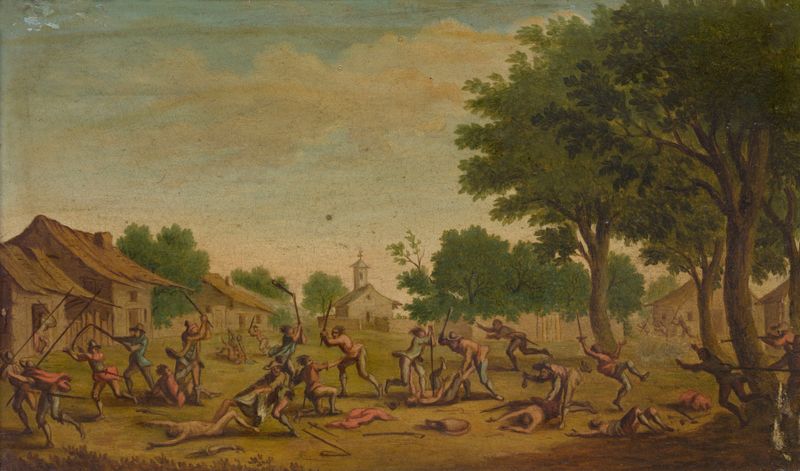
Village Fight
Jacques Callot

Titelprent voor prentreeks 'Het leven van Maria'
Jacques Callot
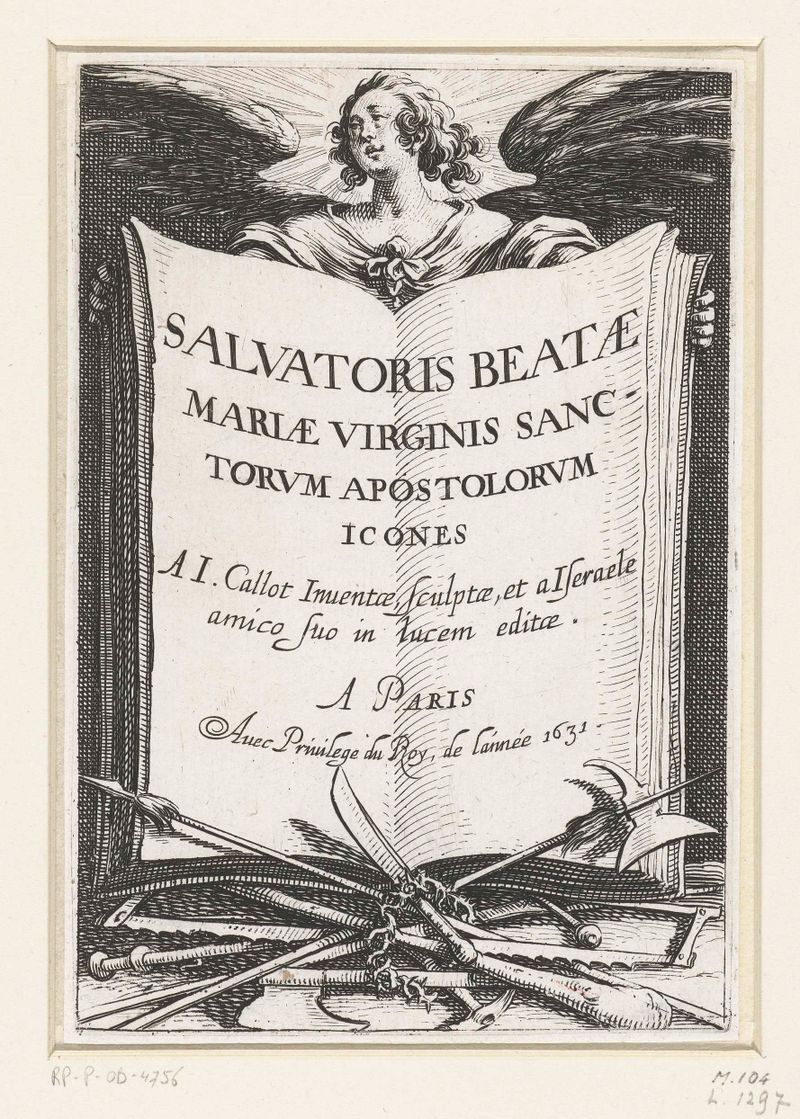
Titelprent voor de prentreeks 'De grote apostelen' (Christus, Maria en de apostelen)
Jacques Callot

Christus aan het volk getoond (Ecce homo)
Jacques Callot
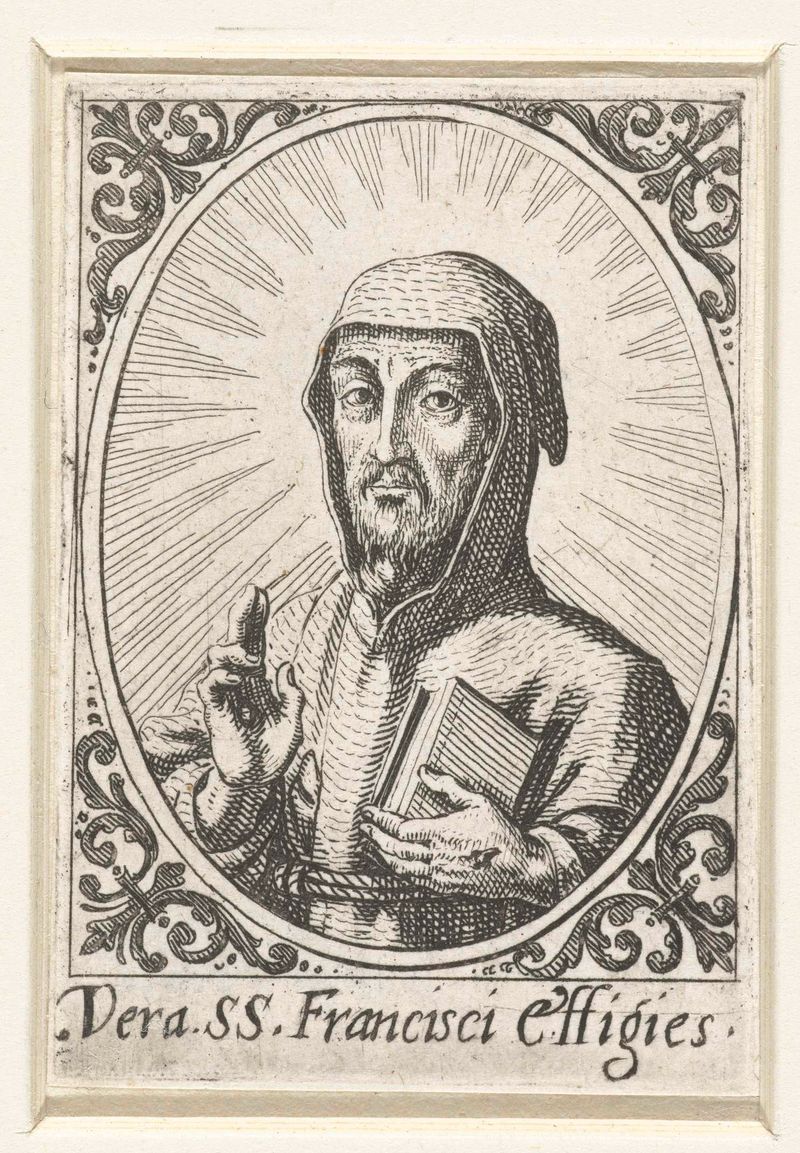
Portret van de Heilige Franciscus
Jacques Callot





