
The Guardians of the House, or the Friends of the Saltimbanque — History & Facts
Who listens when art speaks of silence? In The Guardians of the House, or the Friends of the Saltimbanque, a world unfurls where stillness cradles the pulse of unseen movement, inviting the viewer to ponder the stories hidden within. Look to the left at the solemn figures cast in soft hues of ochre and muted blues. Their eyes seem to follow the viewer, engaging in a dialogue that transcends time. The delicate brushwork captures the textures of their garments, suggesting wear and history, while a gentle play of light reflects off their forms, hinting at an invisible breeze whispering through the scene.
This gentle, almost voyeuristic gaze draws us deeper into the composition, where every element feels charged with anticipation. Within the confines of this quiet tableau, one can sense an emotional tension—a sense of guardianship tinged with melancholy. The juxtaposition of the vibrant colors of the saltimbanque with the muted tones of the figures creates a dichotomy between joy and sorrow, highlighting the complex relationship between the audience and the performers. The careful arrangement of these elements poses questions about loyalty and the burdens hidden behind a facade of cheer, inviting reflection on the roles we play in our own lives. Félix Hilaire Buhot painted this work around 1875, a time when he was exploring the themes of social interaction and performance against the backdrop of a rapidly changing world.
Residing in Paris, he was deeply influenced by the burgeoning Impressionist movement and the vibrant artistic community that surrounded him. The Guardians of the House encapsulates a moment where traditional boundaries of representation were being challenged, capturing both the physical and emotional presence of its characters in a rich tapestry of life.
More Artworks by Félix Hilaire Buhot
Browse all →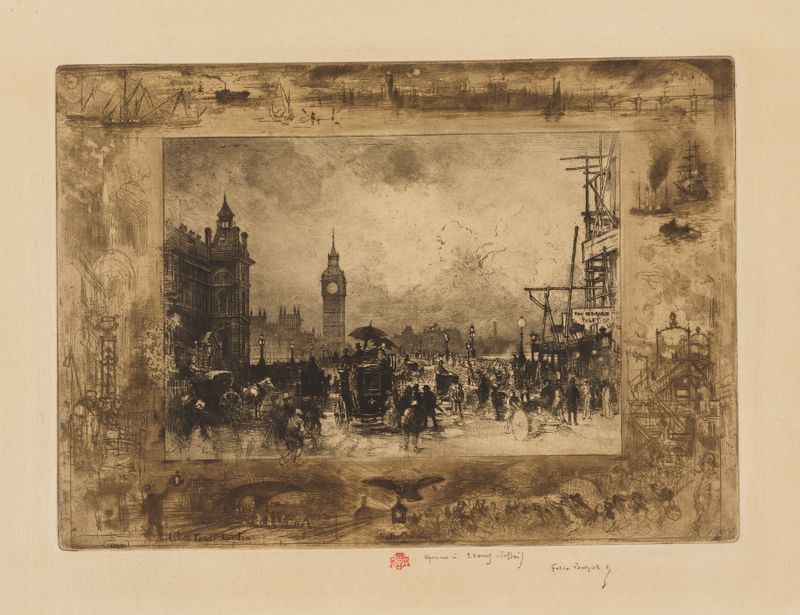
Westminster Bridge, or Westminster Clock Tower
Félix Hilaire Buhot
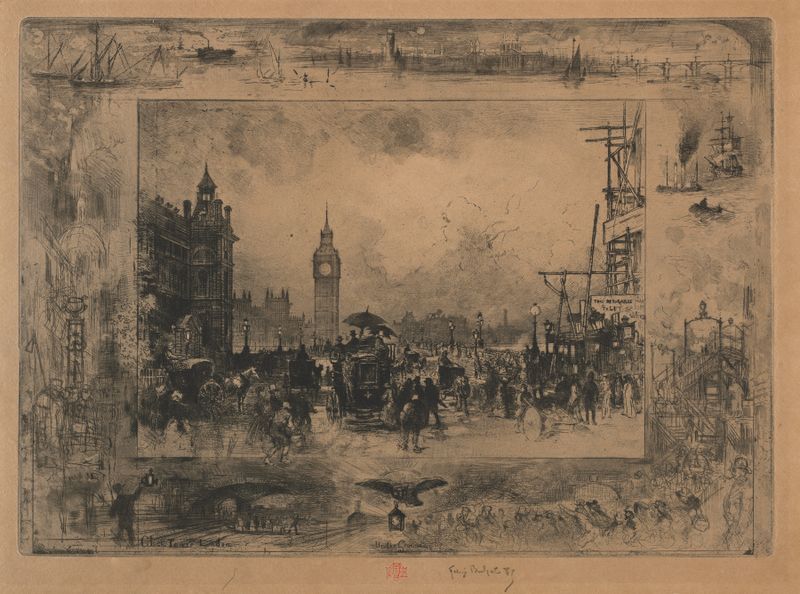
Westminster Bridge, or Westminster Tower
Félix Hilaire Buhot
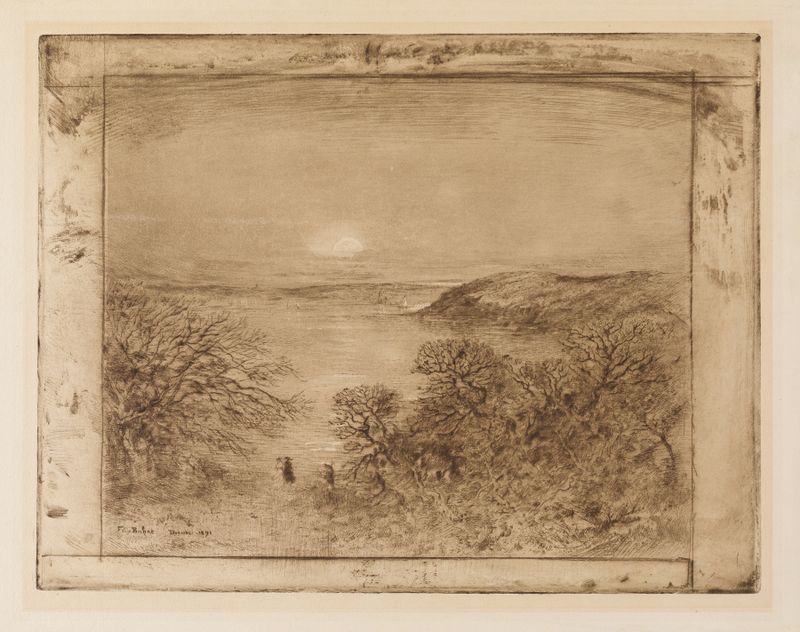
Moonrise at Dinard
Félix Hilaire Buhot
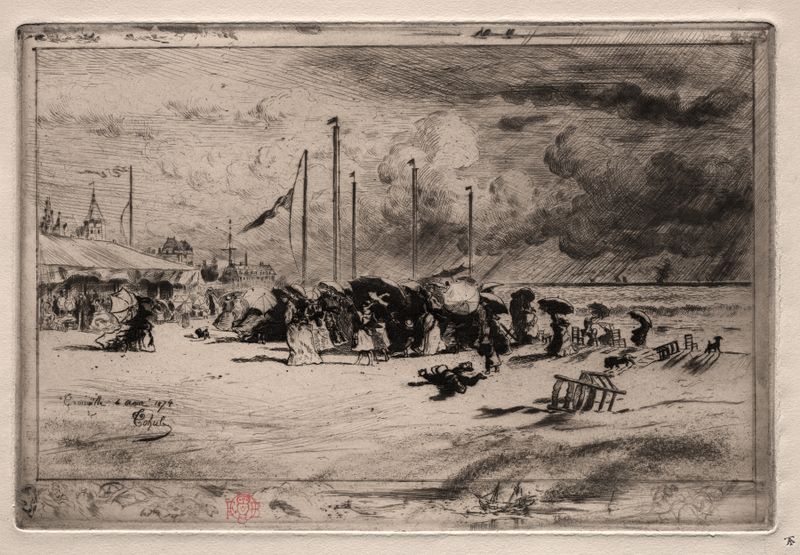
A Squall at Trouville
Félix Hilaire Buhot
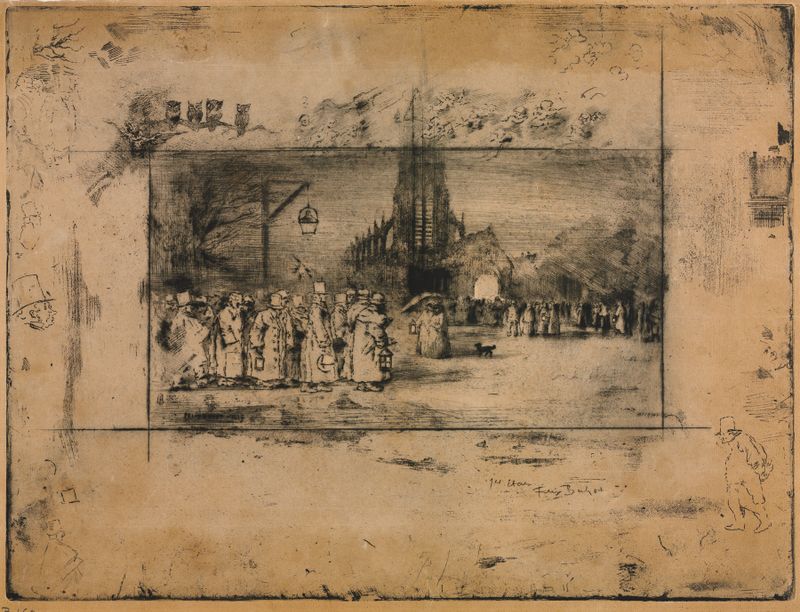
The Midnight Mass
Félix Hilaire Buhot
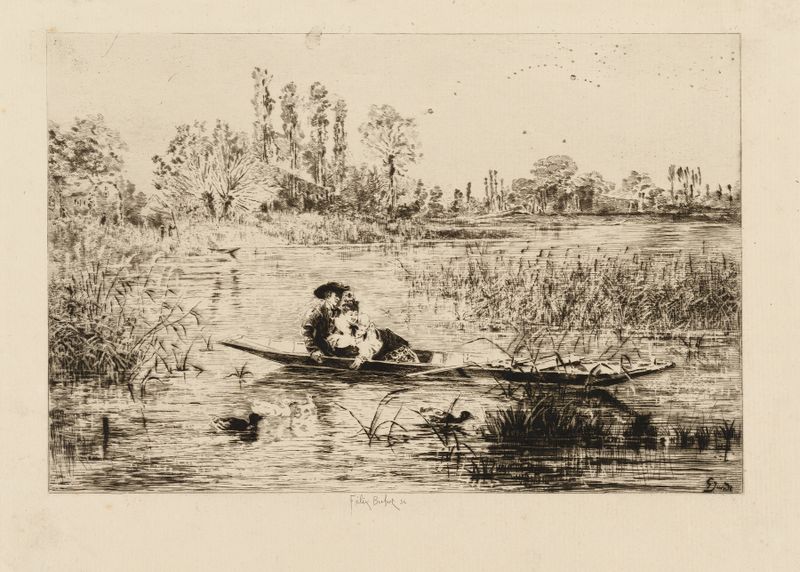
On the Thread of the Water
Félix Hilaire Buhot
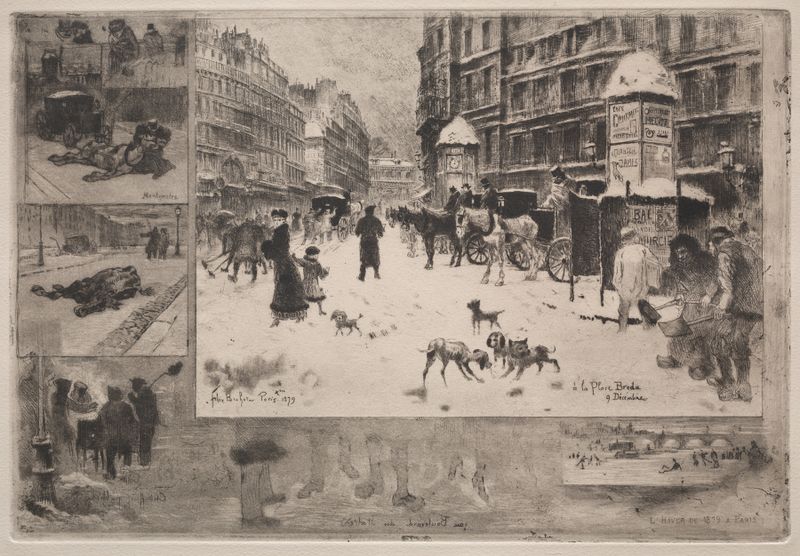
Winter in Paris
Félix Hilaire Buhot
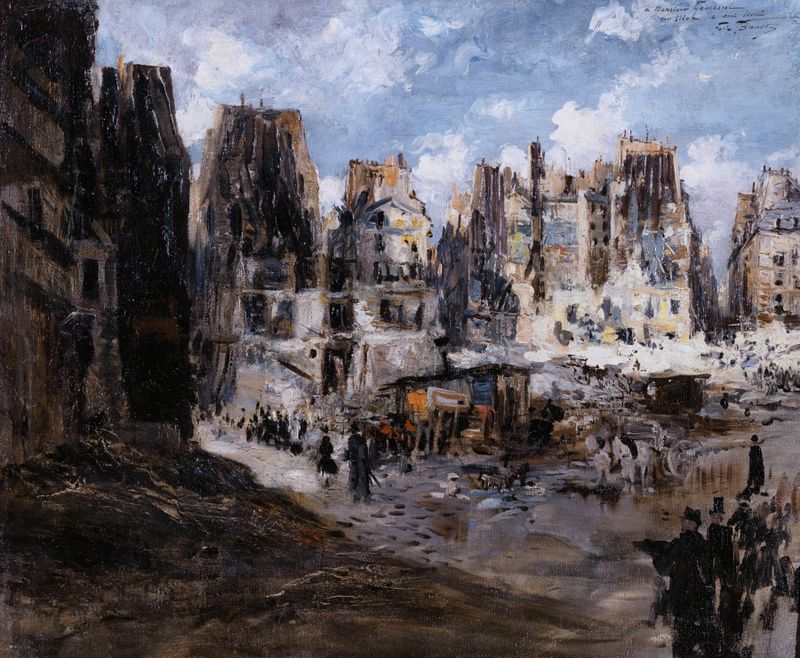
Le percement de l’avenue de l’Opéra.
Félix Hilaire Buhot
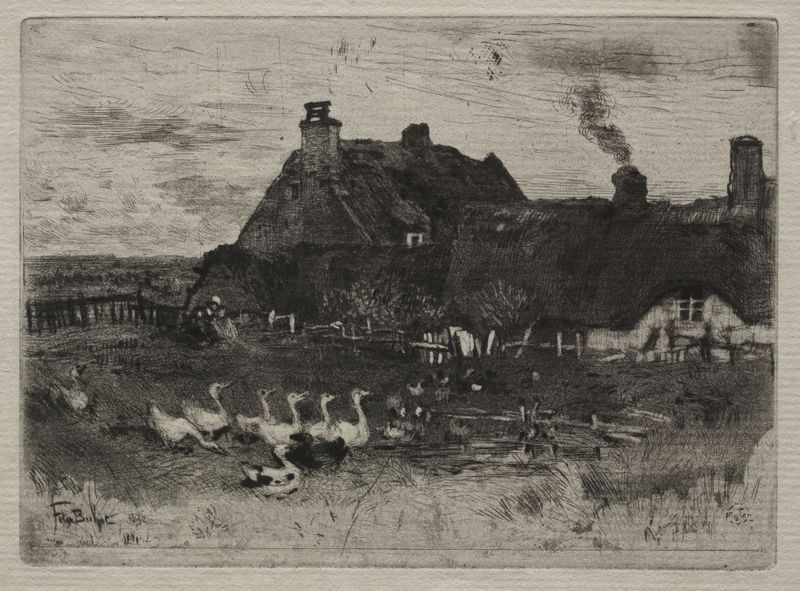
Thatched Cottages
Félix Hilaire Buhot
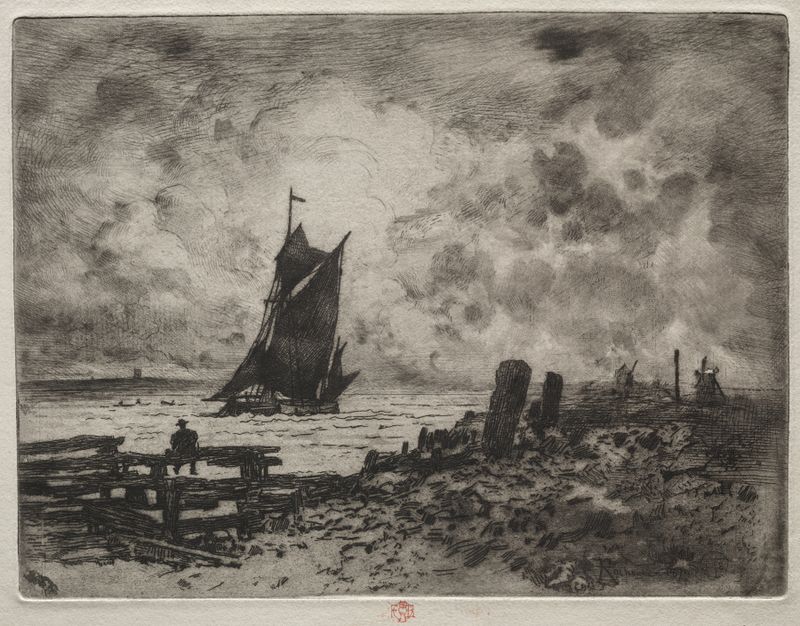
The Little Marine; Souvenir of Medway
Félix Hilaire Buhot





