
The Gust of Wind — History & Facts
Who listens when art speaks of silence? In The Gust of Wind, a delicate interplay of memory and nature invites viewers to reflect on the whispers of the past that catch us unawares. This painting is more than just a glimpse of a moment; it is an echo of sensations, a reminder of how fleeting beauty can shift with a mere breath of wind. Look to the left of the canvas, where a figure, cloaked in soft hues of blue and gray, stands poised against the elements. The ruffled fabric of the garment captures the energetic movement of the breeze, suggesting a sense of urgency in the stillness.
The contrast between light and shadow further accentuates the billowing motion, imbuing the scene with a dynamic tension. The earth tones beneath the figure ground the work, while the sky above, painted in swirling whites and soft blues, evokes a sense of boundless freedom. Beneath the seemingly simple composition lies a deeper narrative, one of introspection and vulnerability. The gust of wind acts as a metaphor for unforeseen changes in life, inviting questions of how we respond when faced with the unexpected.
The figure, almost lost in the landscape, embodies the tension between isolation and the desire for connection, a poignant reminder of the fragility of human existence in the face of nature’s whims. In the 1860s, Courbet was at the forefront of the Realist movement, seeking to elevate the everyday subject matter to the forefront of art. Living in France during a time of social upheaval and artistic transformation, he turned to nature and personal experience to express his philosophy. This work reflects his belief in the power of the ordinary, capturing a moment that resonates with the universal themes of memory and the passage of time.
More Artworks by Gustave Courbet
Browse all →
Marine
Gustave Courbet
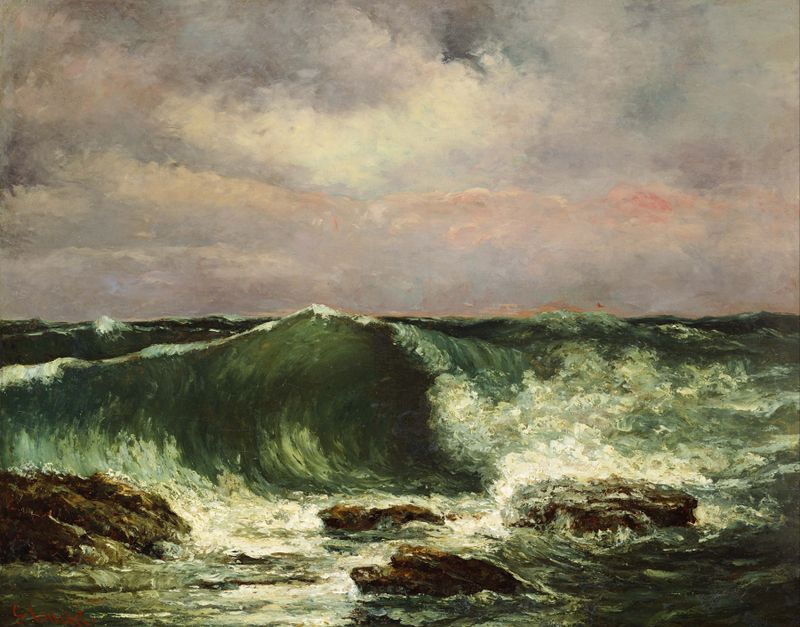
Waves
Gustave Courbet

Étretat; Les Falaises
Gustave Courbet
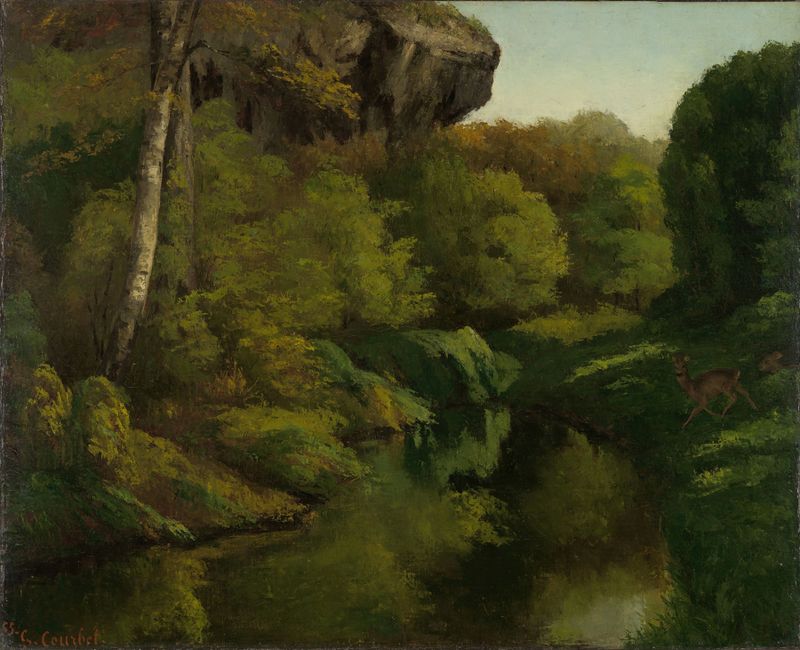
View in the Forest of Fontainebleau
Gustave Courbet
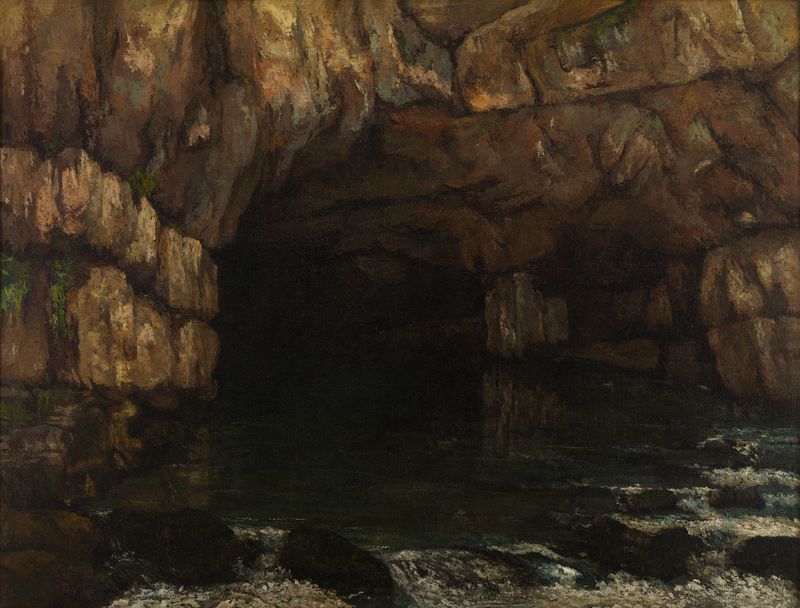
La source de la Loue (The Source of the Loue)
Gustave Courbet

Low Tide at Trouville
Gustave Courbet
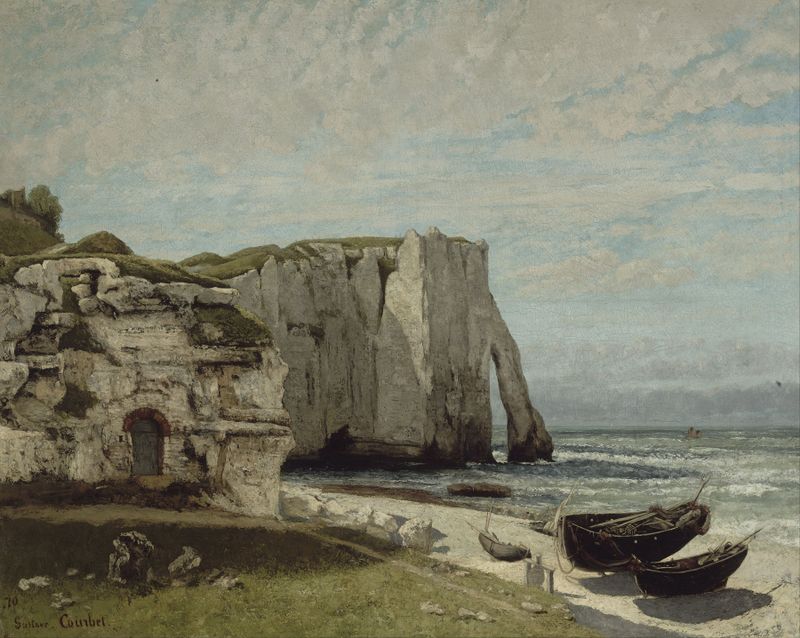
The Etretat Cliffs after the Storm
Gustave Courbet
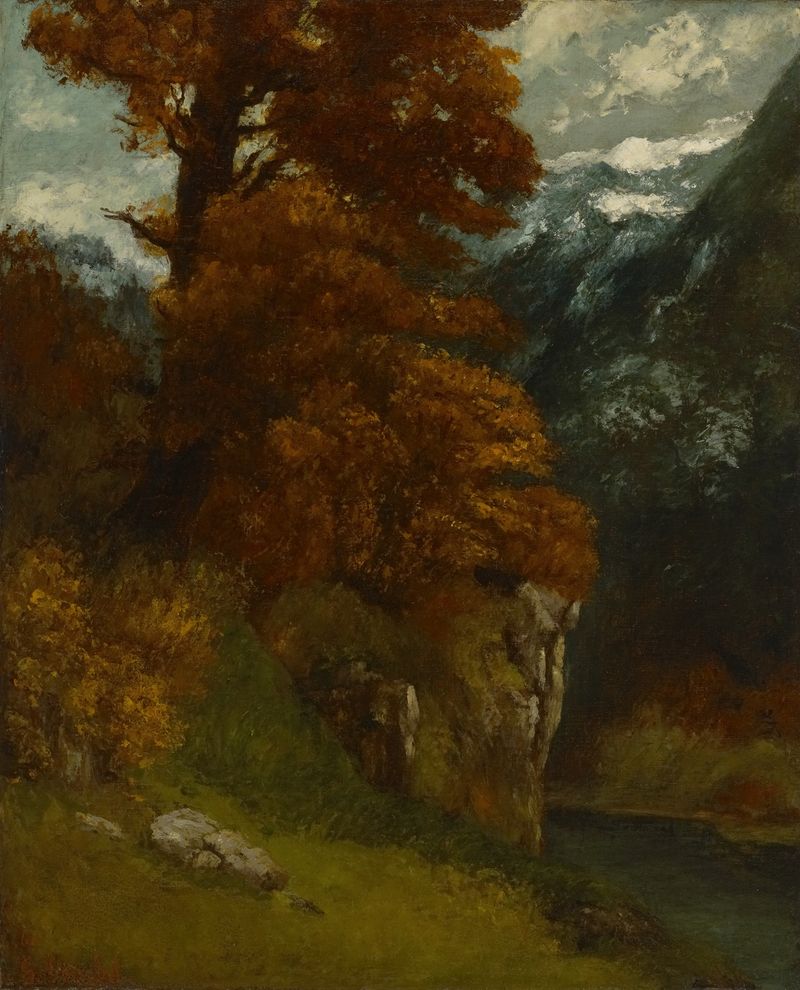
The Glen at Ornans (Bords du Doubs; Effet d’Automne)
Gustave Courbet
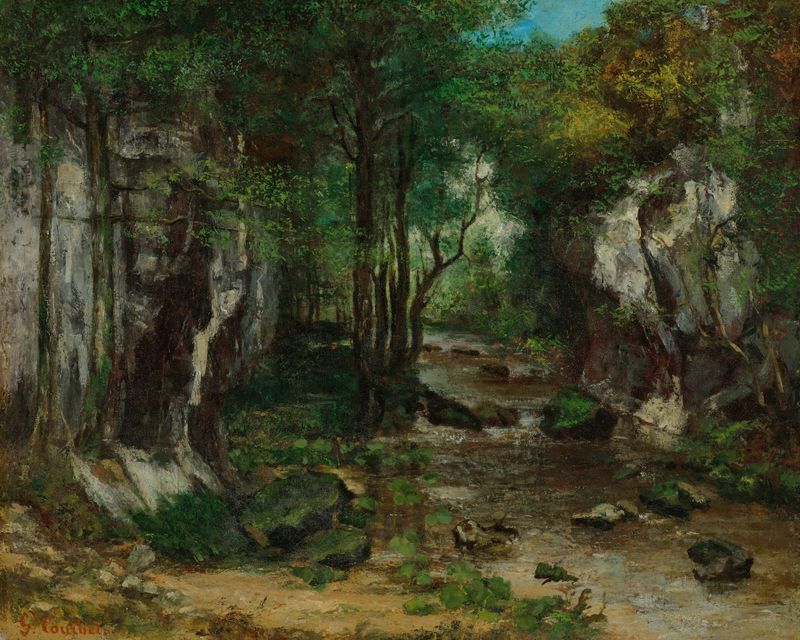
Le Ruisseau de Puits Noir
Gustave Courbet
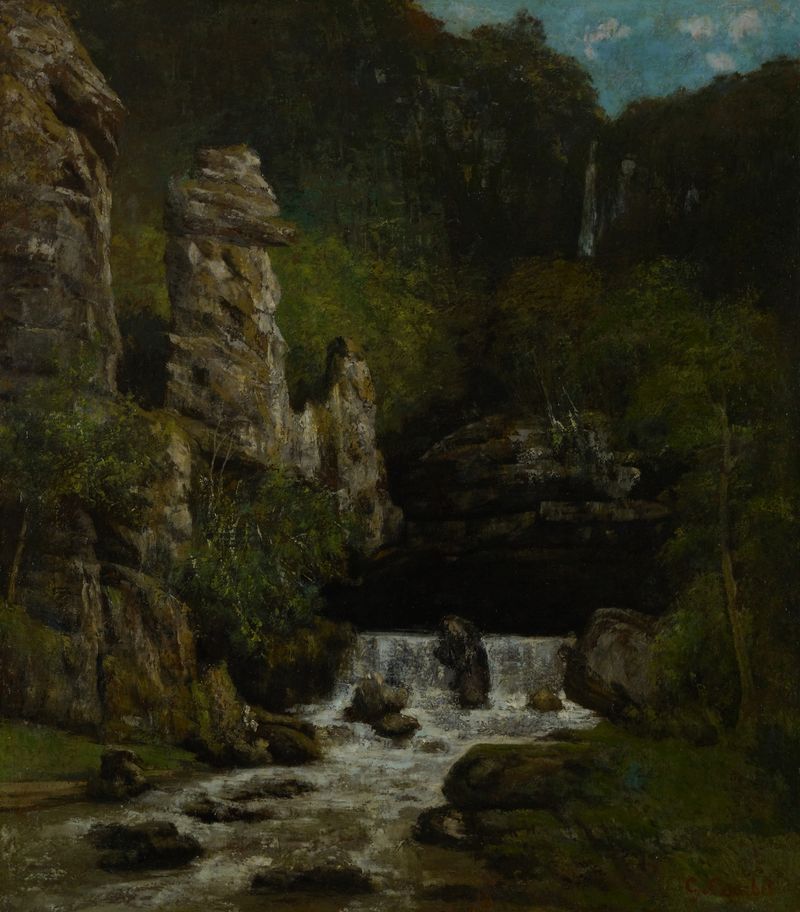
Landscape with a Waterfall
Gustave Courbet





