
The Harbor and the Statue of Liberty — History & Facts
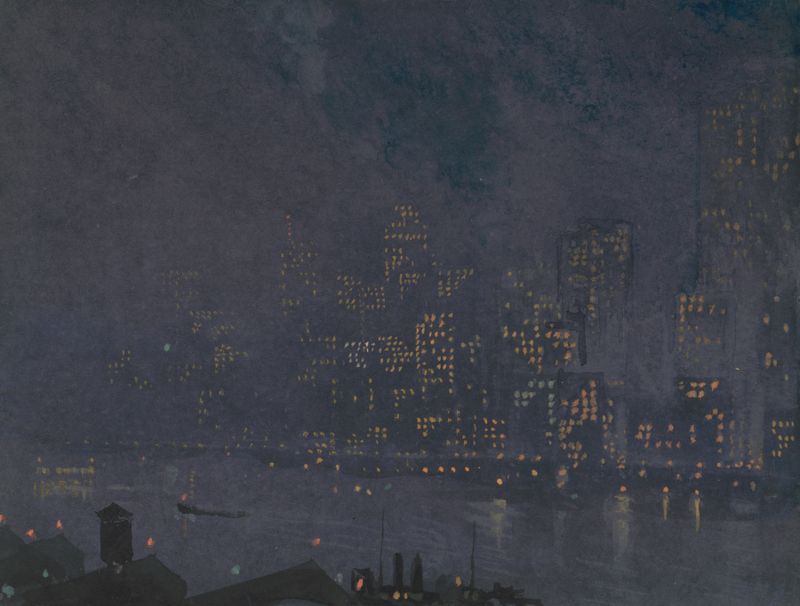
Could a single brushstroke hold eternity? In The Harbor and the Statue of Liberty, the essence of beauty unfurls as the viewer stands before a breathtaking depiction of a pivotal symbol of freedom. Focus on the vibrant interplay of colors where the soft blues and greens of the harbor contrast sharply with the radiant silhouette of Liberty herself. The artist's deft strokes create a sense of movement in the water, drawing the eye across the canvas and inviting contemplation of what lies beyond. Notice how the gentle wisps of clouds arch over the statue, casting a delicate balance of light and shadow that accentuates her grandeur against the backdrop of a bustling harbor. Pennell’s choice to foreground the statue while relegating the harbor to a secondary role speaks volumes about the tension between the iconic and the ephemeral.
Each wave reflects the struggles and aspirations of countless immigrants whose dreams intertwined with her standing tall. The subtle details—the boats bobbing in the water and the distant city skyline—serve not just as a setting but as a reminder of the hope and hustle that define the American spirit. During the late 19th century, a time marked by rapid industrialization and cultural shifts, the artist embraced this momentous theme while living in New York City. Pennell, known for his engaging depictions of urban life and landscapes, captured The Harbor and the Statue of Liberty amidst the vibrant dialogue of a burgeoning nation, reflecting both his personal connection to the city and the collective dreams that the statue symbolizes.
More Artworks by Joseph Pennell
Browse all →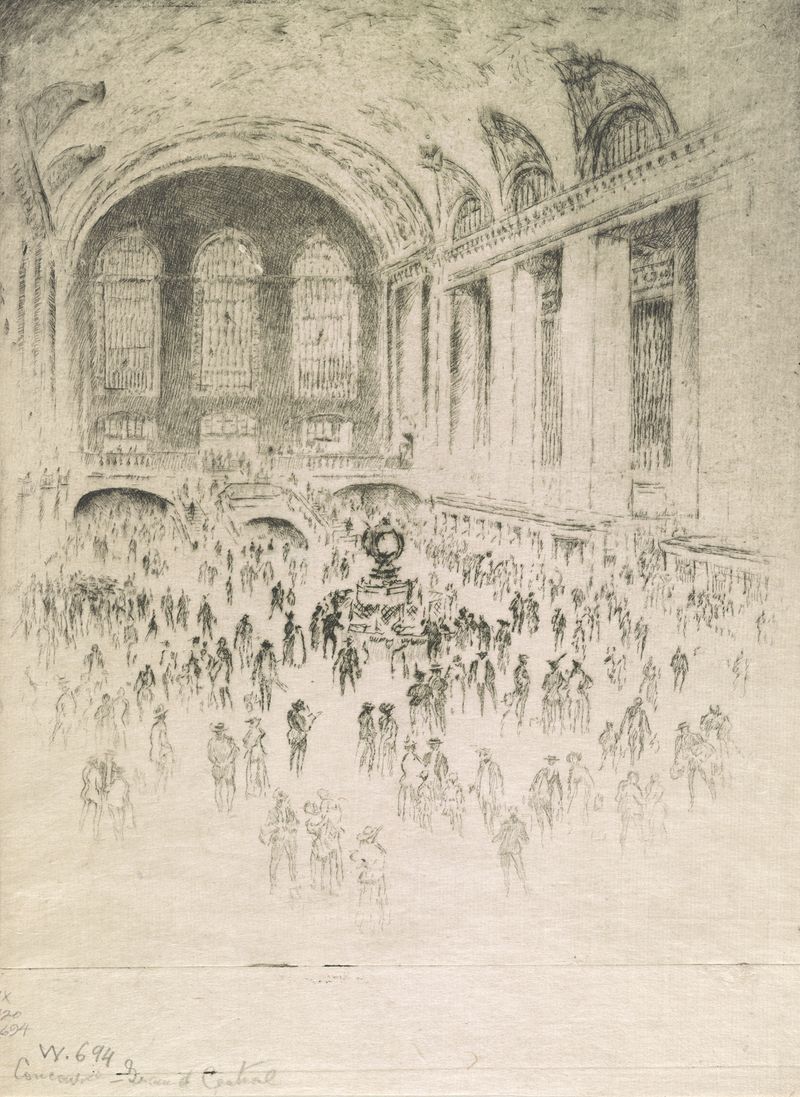
Concourse, Grand Central
Joseph Pennell
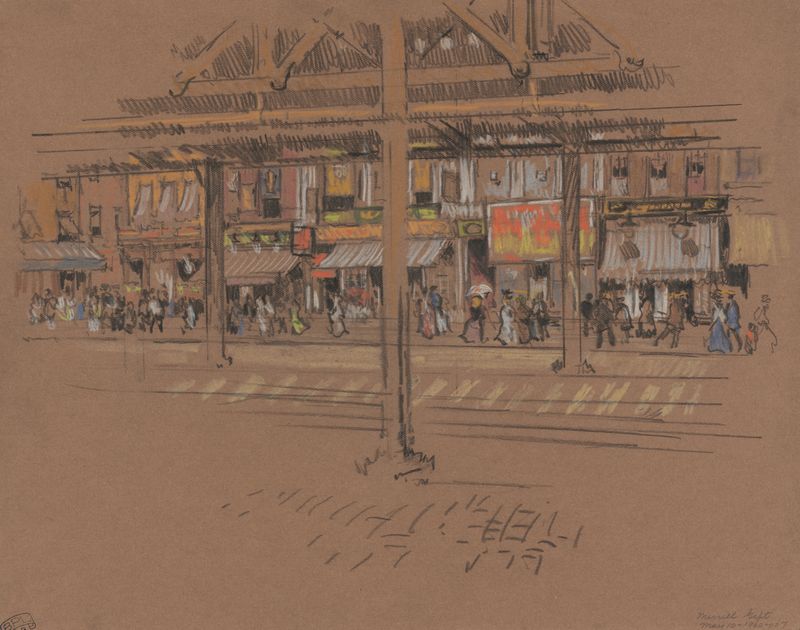
Sixth Avenue
Joseph Pennell
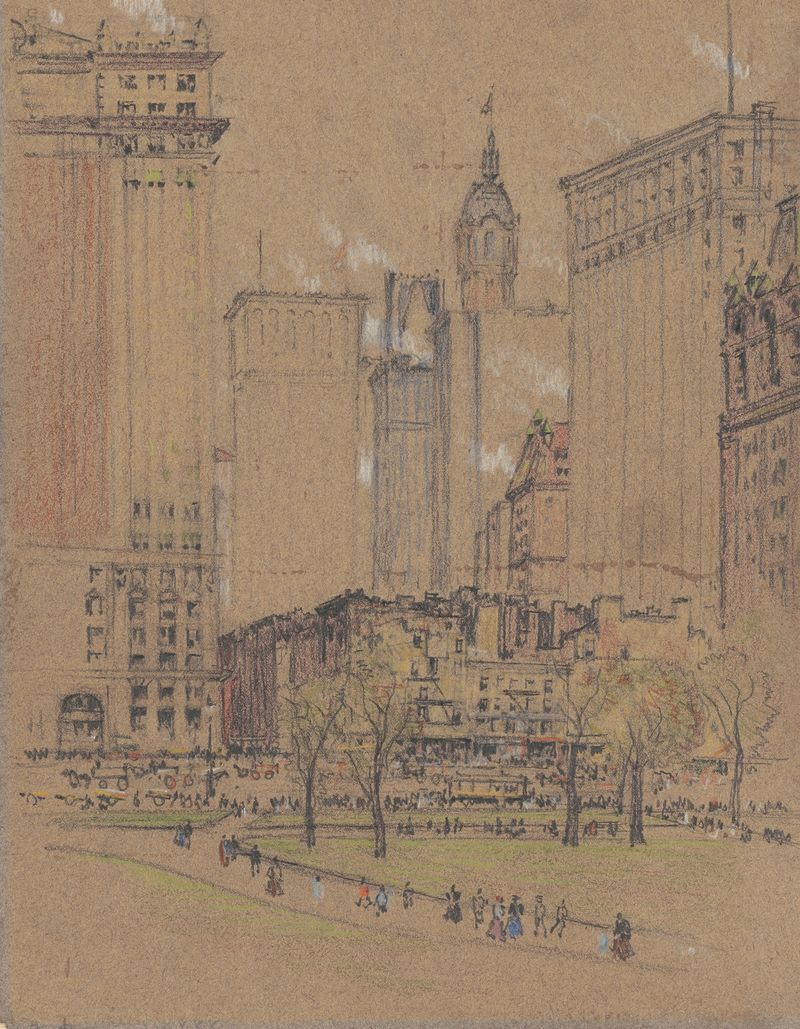
New York,the Old and the New
Joseph Pennell
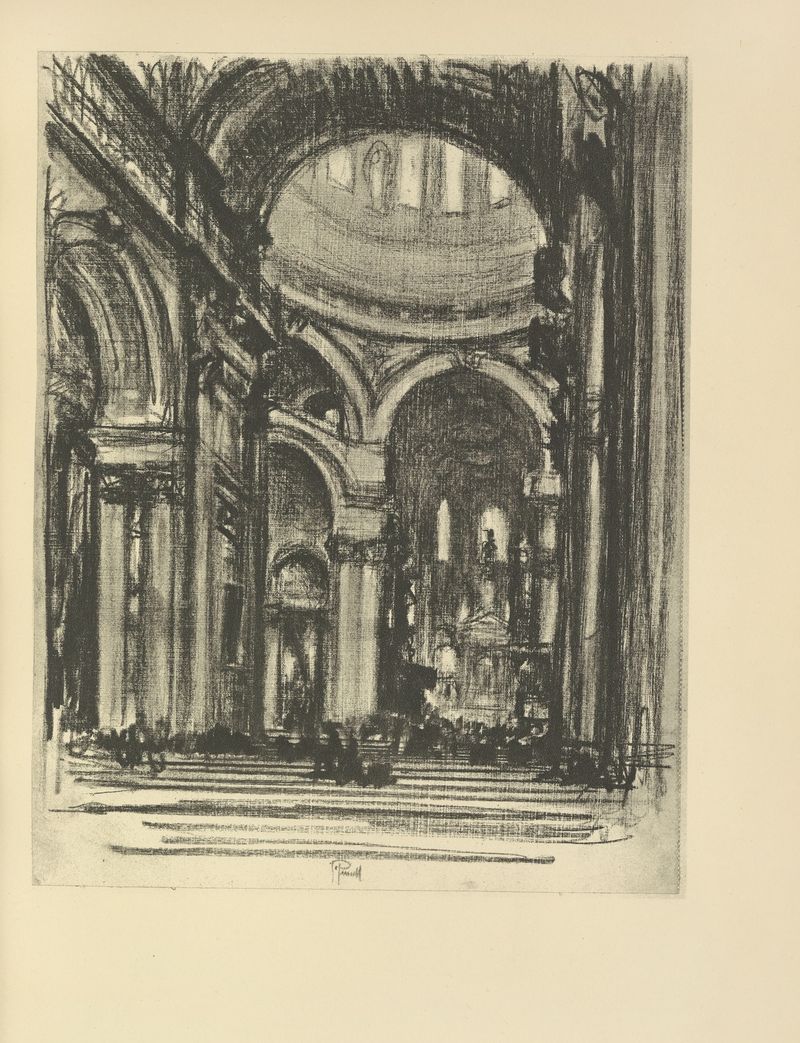
St. Paul’s, The Nave
Joseph Pennell
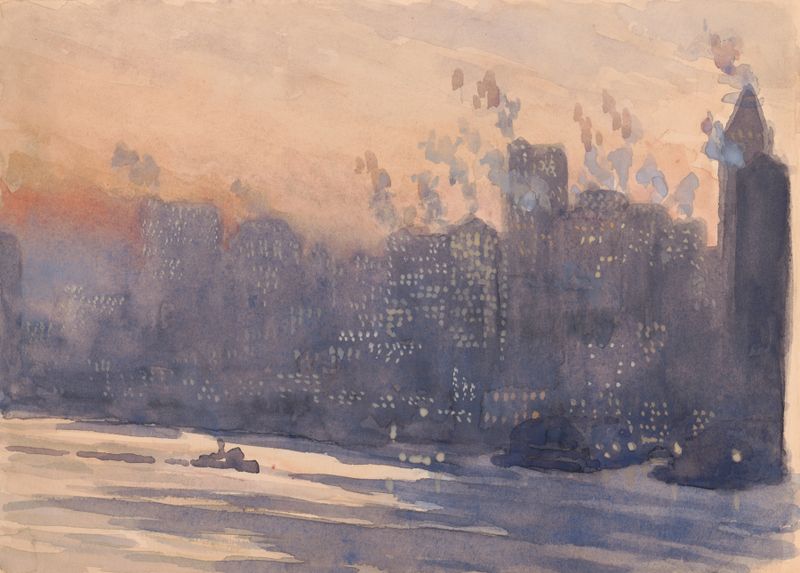
New York City harbor and skyline at night
Joseph Pennell
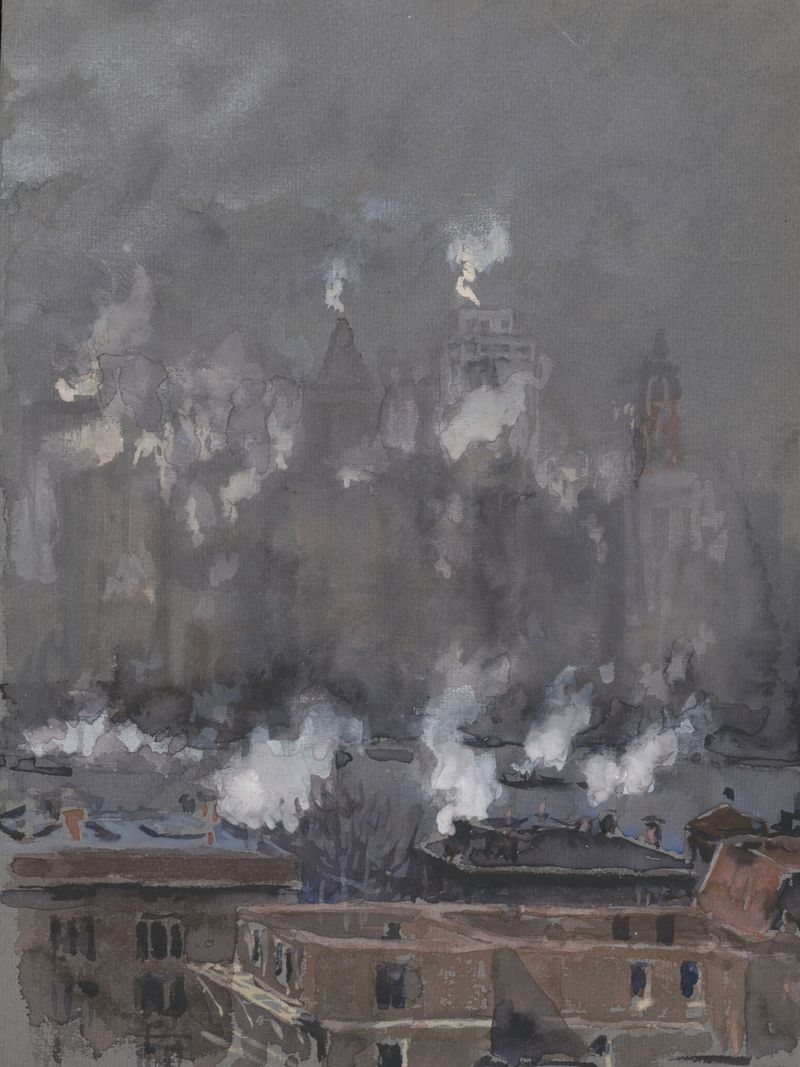
Smoke and fog on gray day, New York City
Joseph Pennell
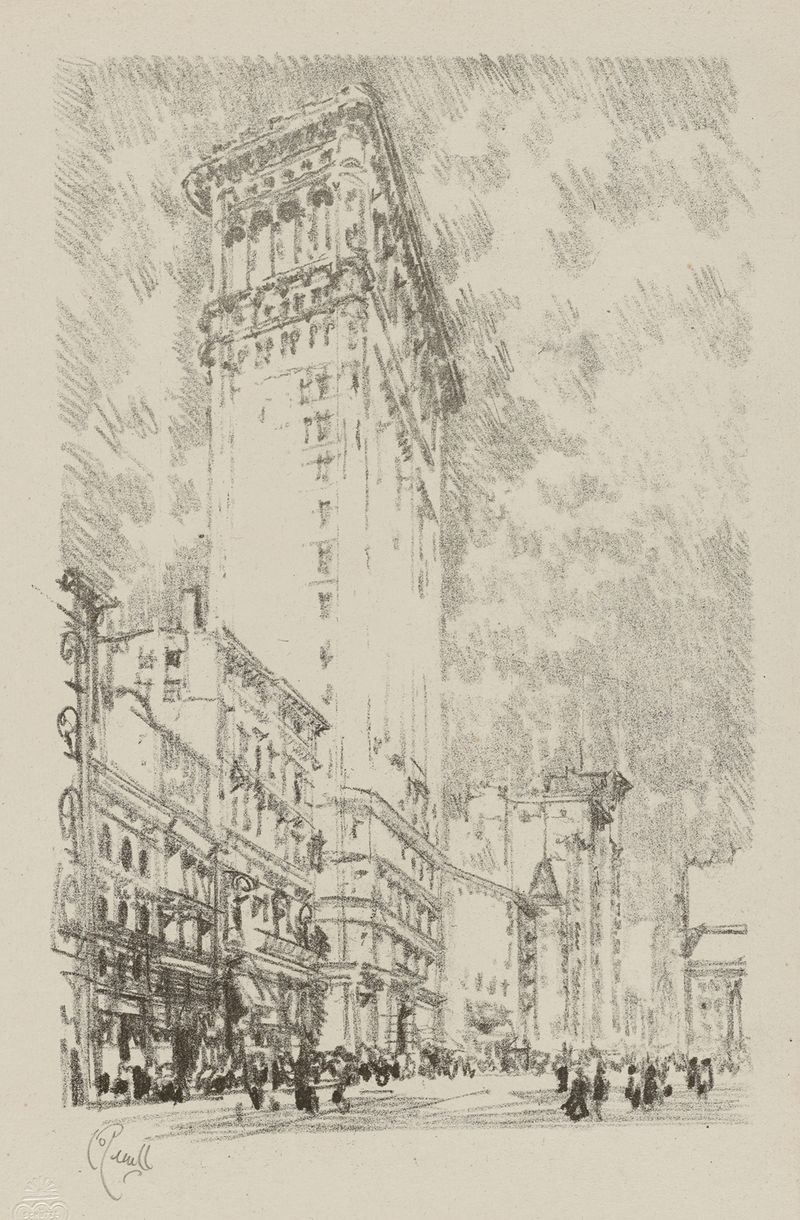
The Flat Iron
Joseph Pennell
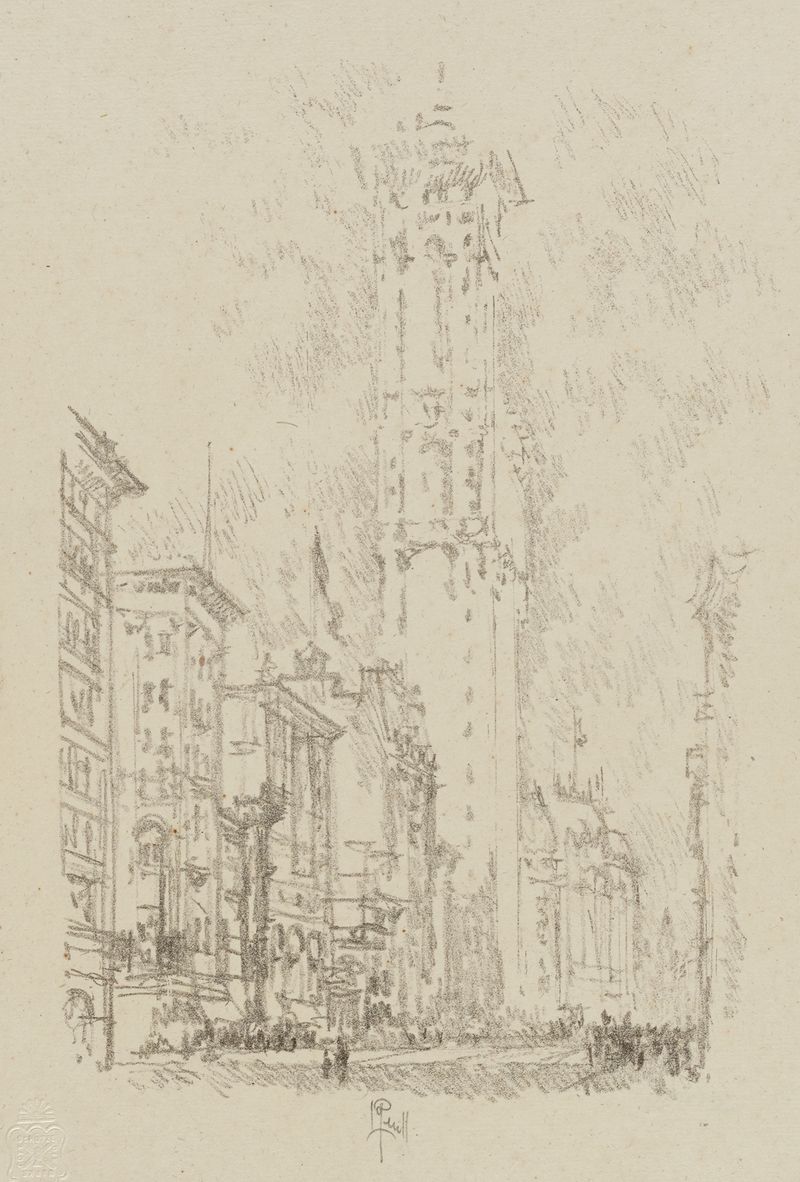
The Times Building
Joseph Pennell
Skyscrapers at night
Joseph Pennell

St. James’ Park
Joseph Pennell





