
The Healing of the Lame Man — History & Facts
When Raphael painted The Healing of the Lame Man, he chose a moment from the Acts of the Apostles that had rarely appeared in art before the Renaissance. The story—Peter and John healing a man crippled from birth at the gate of the Temple—was a bold subject, signaling the power of faith to transform lives. This episode, so central to the rise of the early Christian church, had special resonance in an age when the Church sought to assert its authority and compassion.
The painting’s composition would later inspire generations of artists tackling scenes of miraculous healing. Raphael captures the instant when Peter, arm outstretched, commands the lame man to rise and walk. The cripple, still seated, looks up in astonishment, his limbs tense with hope and disbelief. Around them, the crowd reacts with varying degrees of wonder, skepticism, and awe—each figure a study in human response to the miraculous.
The architecture of the Temple looms in the background, situating the event in Jerusalem and lending grandeur to the scene. Unlike earlier depictions by artists such as Masaccio, who often focused on the miracle itself, Raphael’s version emphasizes the emotional interplay between apostle, supplicant, and bystander. The precise origins and journey of this painting remain uncertain; scholars debate whether it was created as part of a series for a church or as a standalone altarpiece. While some suggest it was intended for a Roman patron, no definitive record of commission survives.
What is clear is that The Healing of the Lame Man demonstrates Raphael’s mature style—his clarity of narrative, harmonious composition, and psychological depth. Today, the work is recognized as a testament to Raphael’s ability to translate sacred history into vivid, human drama, even as questions about its original context and early history linger.
More Artworks by Raphael

Madonna of the Goldfinch
Raphael

Madonna with the Fish
Raphael
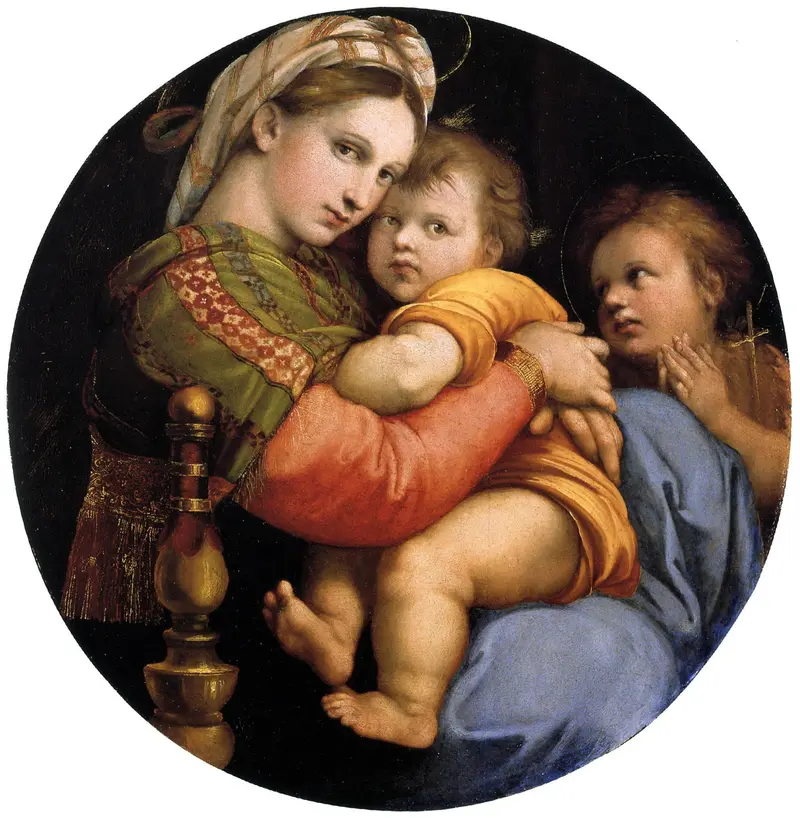
Madonna and Child (Madonna della Seggiola)
Raphael
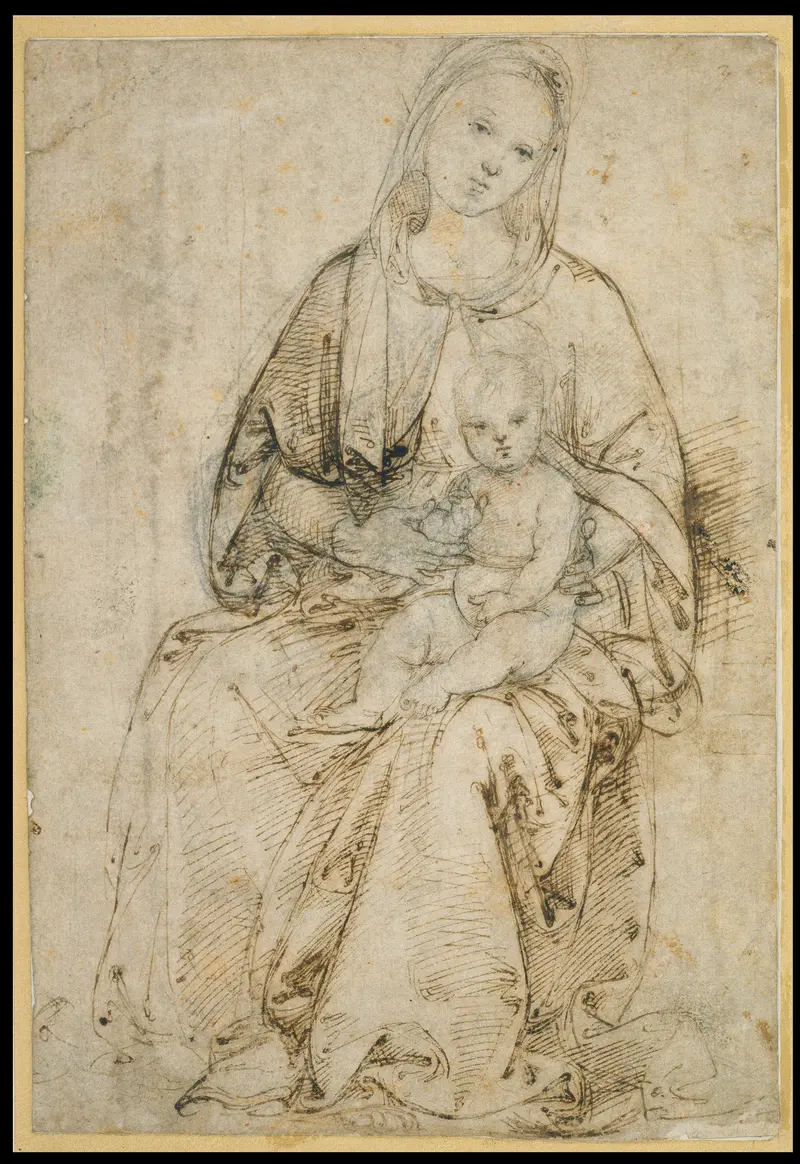
Seated Madonna and Child
Raphael
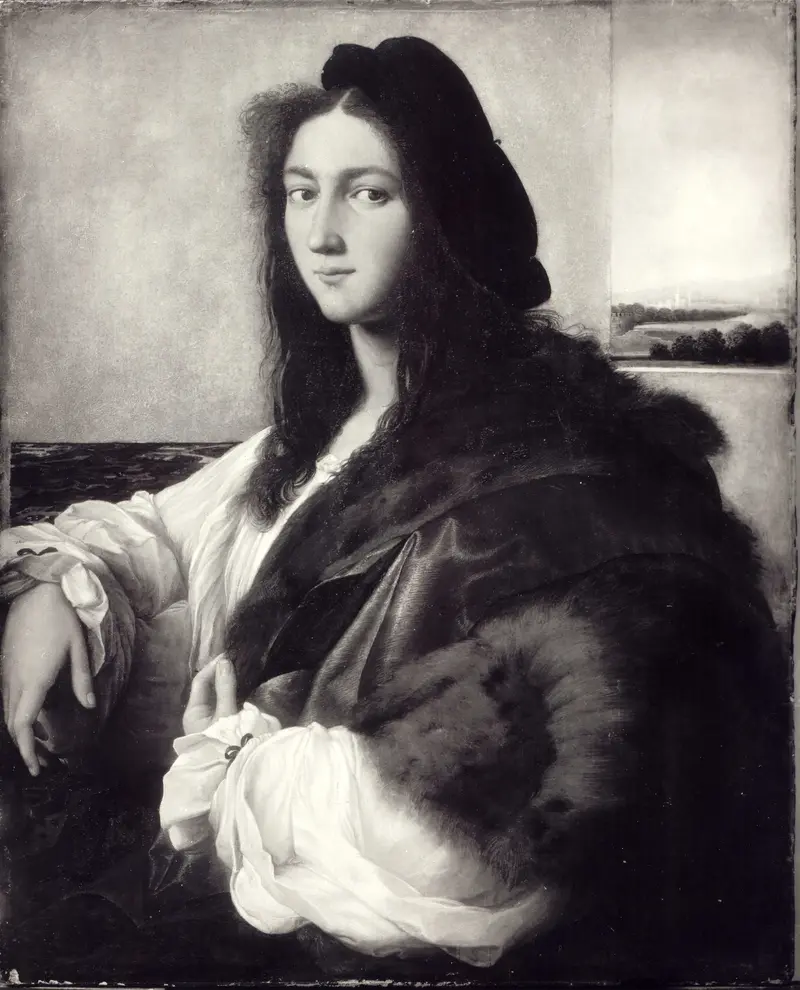
Portrait of a Young Man
Raphael
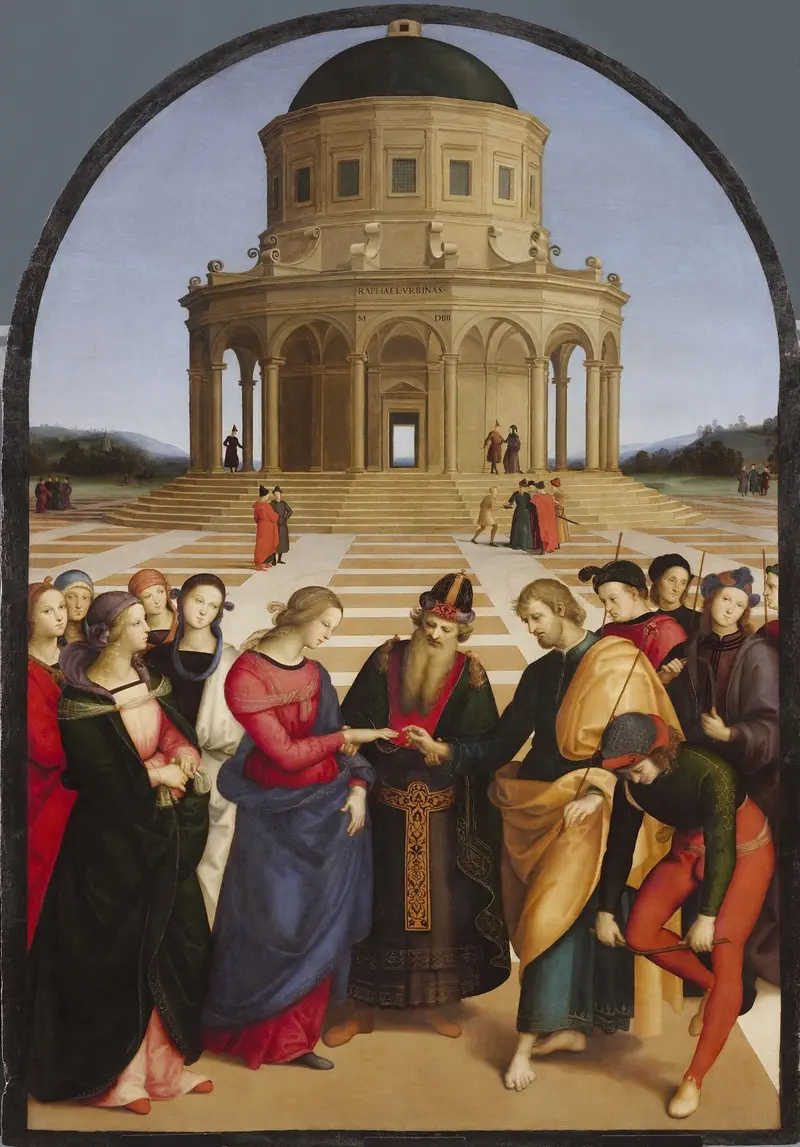
The Marriage of the Virgin
Raphael
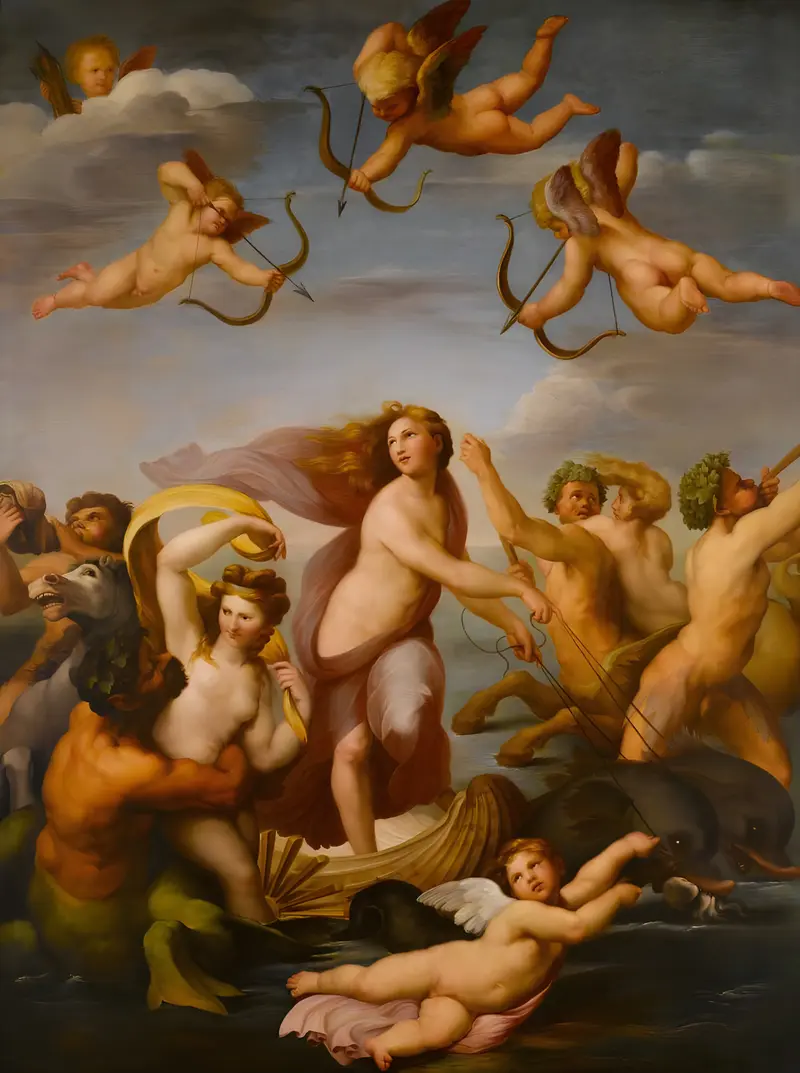
The Triumph of Galatea (copy after Raphael)
Raphael
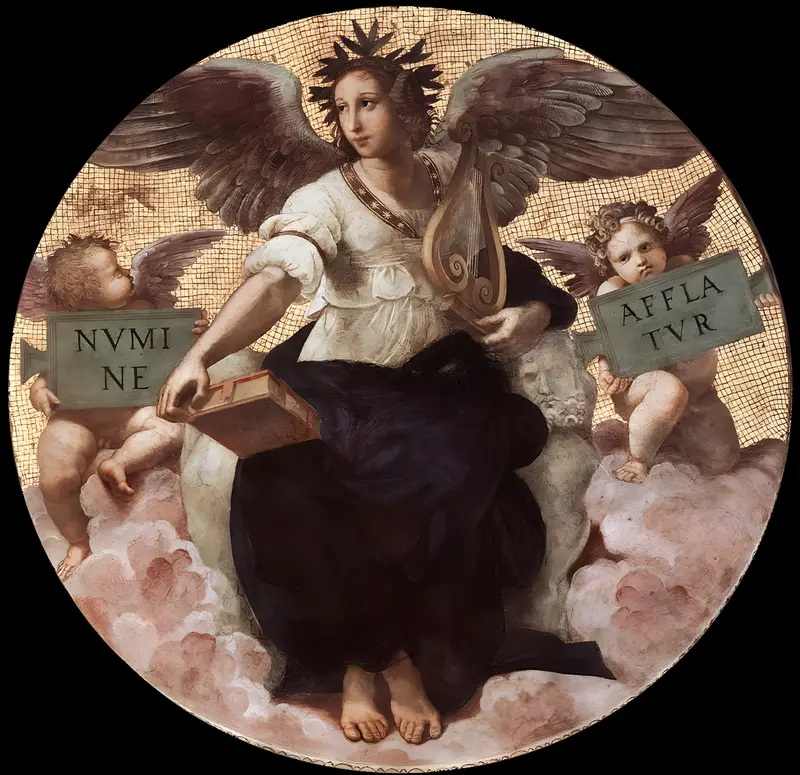
Poetry
Raphael
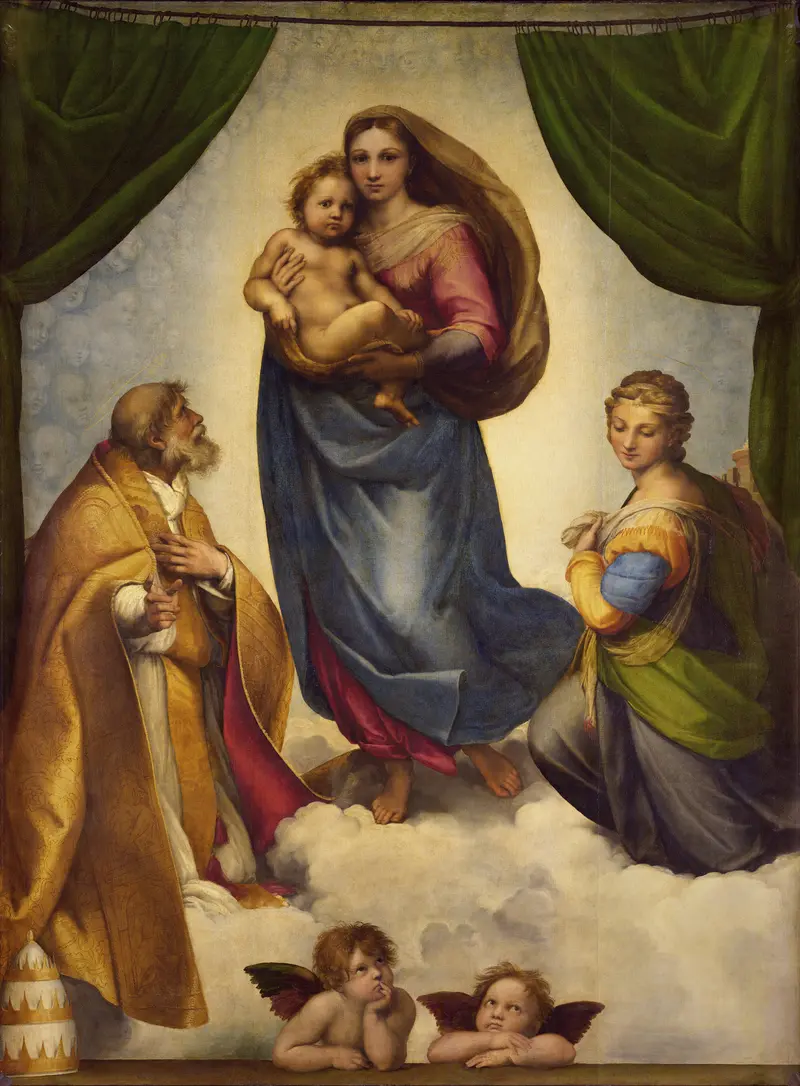
Sistine Madonna
Raphael
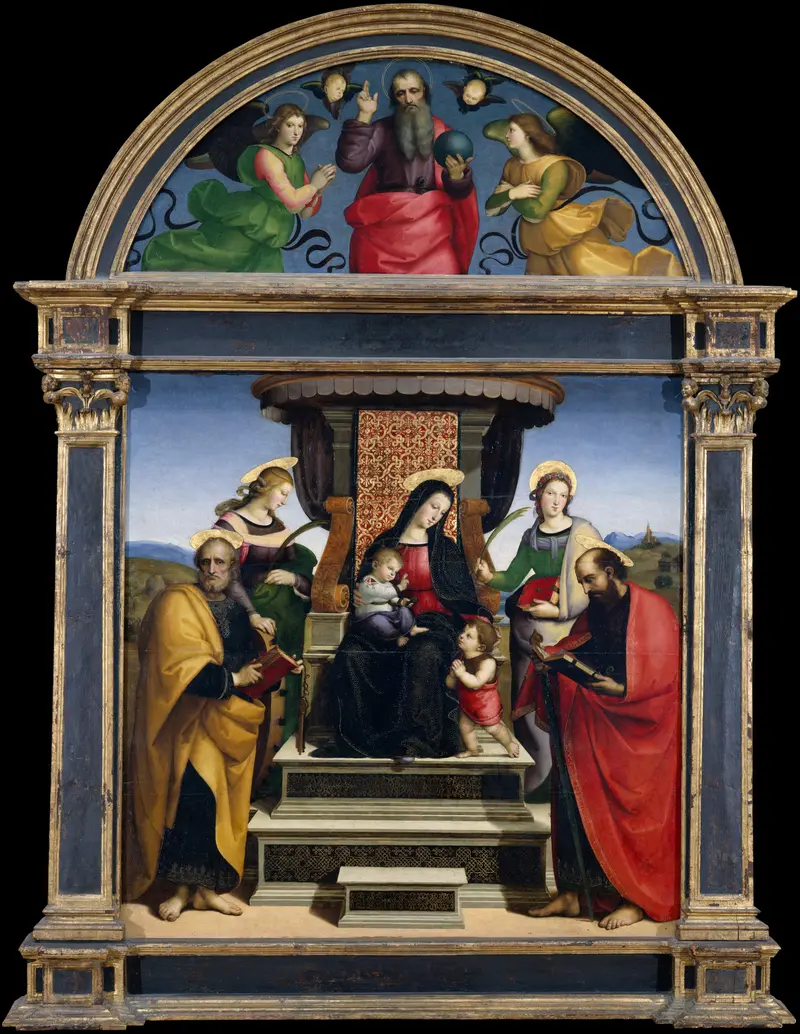
Madonna and Child Enthroned with Saints
Raphael




