
The Hermit — History & Facts
Is this a mirror — or a memory? In the stillness of The Hermit, a profound contemplation of solitude and mortality unfolds, inviting viewers to confront their own reflections within its depths. Look to the left at the solitary figure, draped in a somber robe, as he gazes into the shimmering water. The contrasting darkness of his attire is offset by the lush greenery surrounding him, where dappled sunlight filters through the trees, creating a sacred space. Notice how the light glistens on the water’s surface, acting as both a literal and metaphorical mirror, amplifying the sense of introspection.
The soft palette, imbued with earth tones, evokes a tranquil yet melancholic atmosphere, emphasizing the tension between life and the inevitability of death. Delve deeper into the scene, and you’ll find layers of meaning woven into its fabric. The hermit’s gaze, fixed upon the water, speaks to an internal dialogue with his own existence — an acknowledgment of life’s ephemerality. The water not only reflects his image but could symbolize the passage of time, suggesting that memories and experiences flow away, much like the current.
The surrounding flora, vibrant yet tinged with decay, reinforces the duality of existence: beauty intertwined with the inexorable march toward mortality. In 1798, during a time when Romanticism was gaining traction, the artist found himself exploring themes of nature and introspection through this work. Living in England after fleeing the turmoil of the French Revolution, he was deeply influenced by the evolving art world, moving away from strict realism toward emotive landscapes that resonate with the viewer’s inner self. This piece is a testament to that transitional period, merging the ideals of solitude with a poignant awareness of mortality.
More Artworks by Philip James de Loutherbourg
Browse all →
Iron Works, Colebrook Dale
Philip James de Loutherbourg
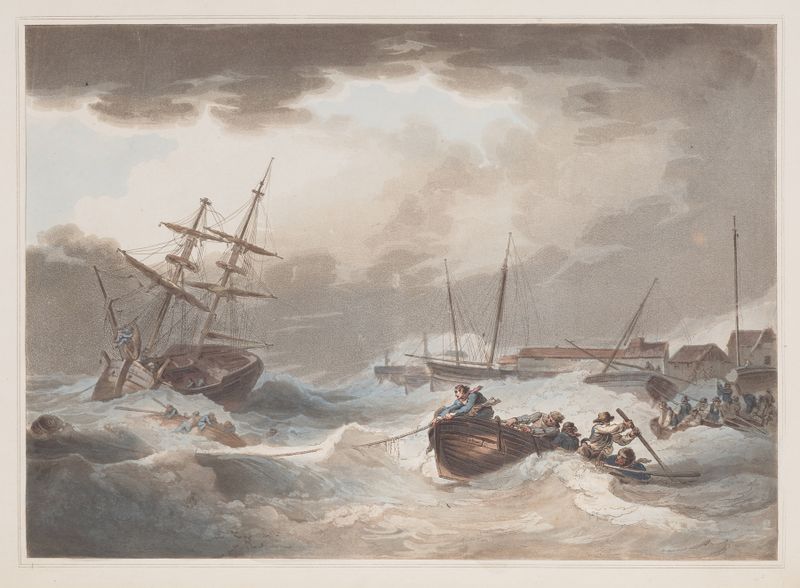
Storm off Margate
Philip James de Loutherbourg
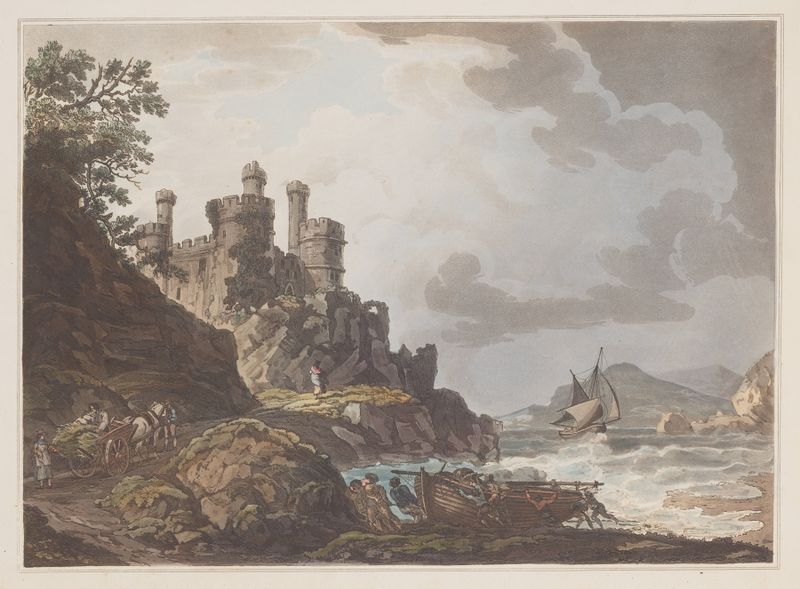
Conway Castle
Philip James de Loutherbourg
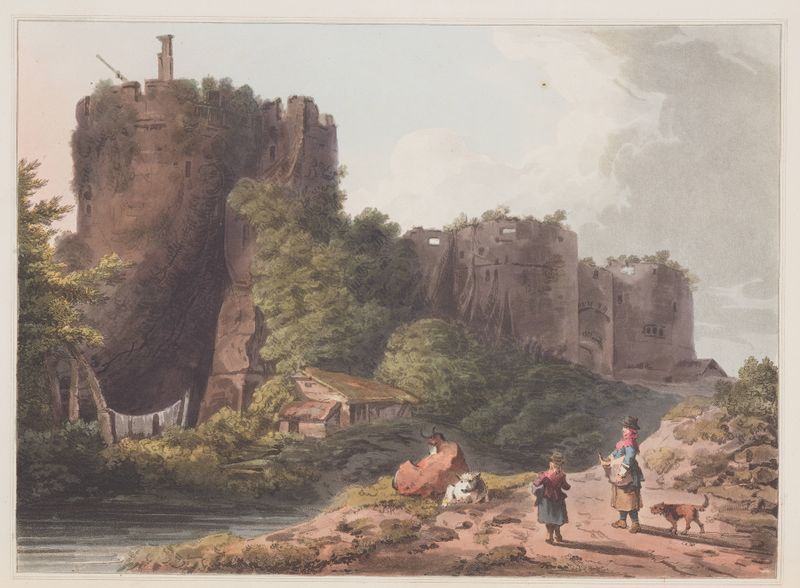
Chepstow Castle in Monmouthshire
Philip James de Loutherbourg
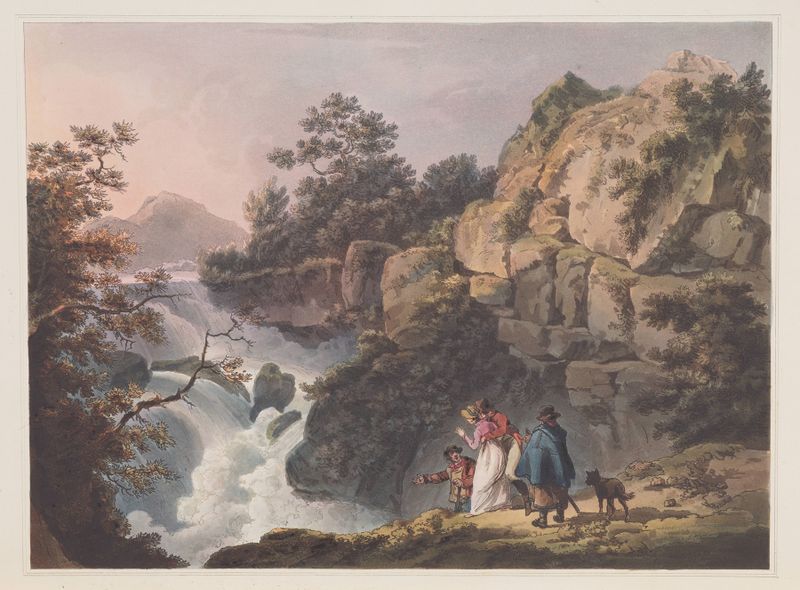
Cataract on the Llugwy
Philip James de Loutherbourg

Tintern Abbey
Philip James de Loutherbourg
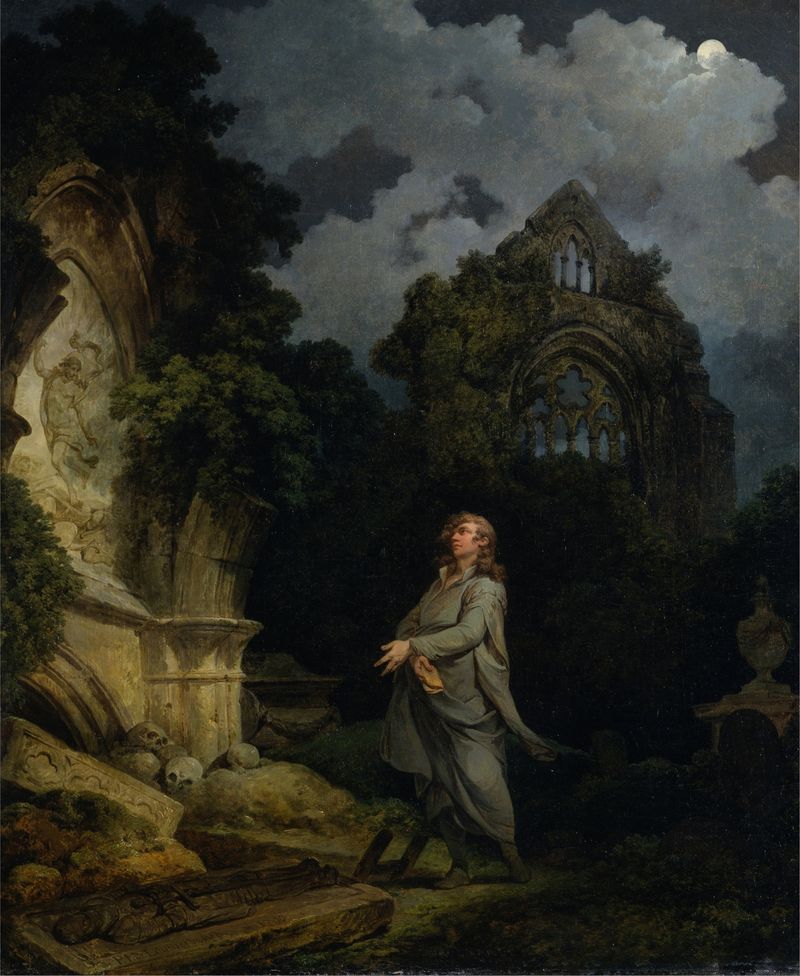
Visitor to a Moonlit Churchyard
Philip James de Loutherbourg

A Storm at the Entrance of a Mediterranean Port
Philip James de Loutherbourg
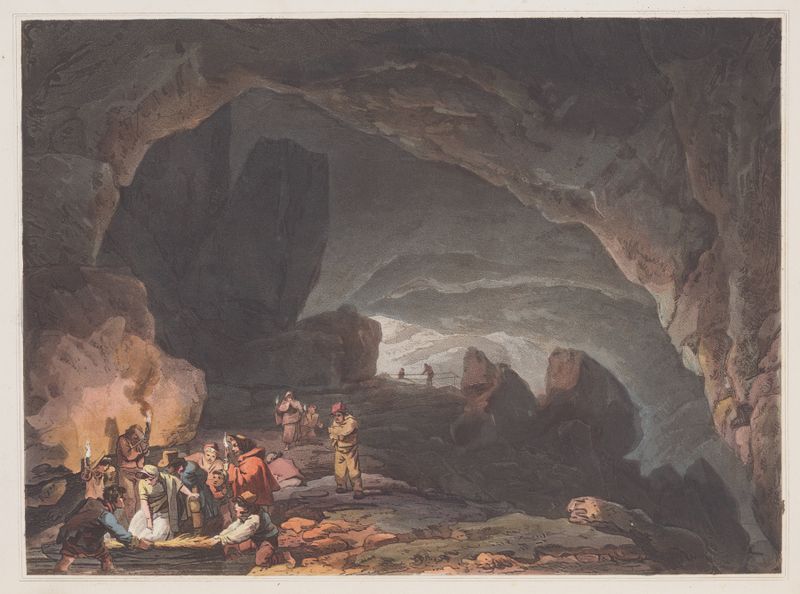
Peak’s Hole, Derbyshire
Philip James de Loutherbourg
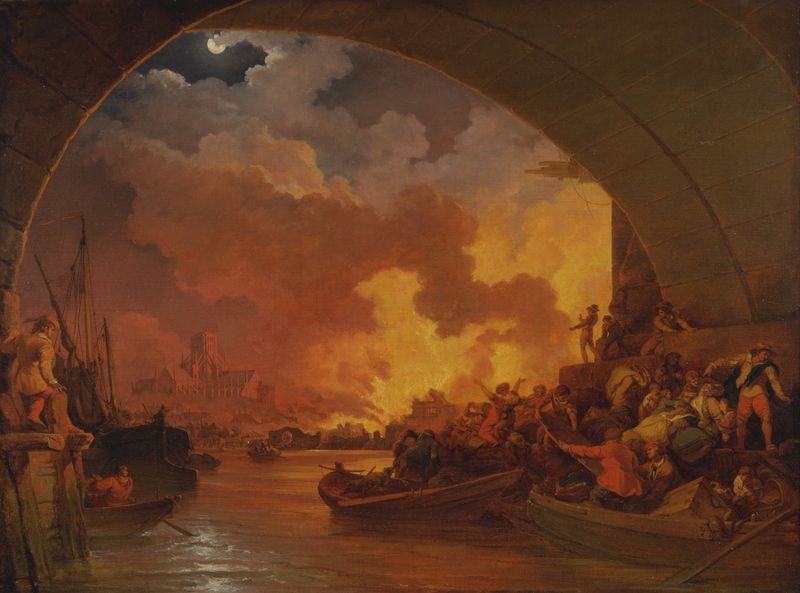
The Great Fire of London
Philip James de Loutherbourg





