
The hill of Montmartre with stone quarry — History & Facts
In the stillness of a landscape, where brushstrokes weave the fabric of time, one can almost hear the whispers of creative legacy echoing through the hills. This painted scene invites contemplation, urging viewers to consider the stories hidden beneath its vibrant surface. Look to the center of the canvas, where the rugged contours of Montmartre rise, crowned with a crown of trees. The dynamic interplay of greens and earthy tones captures the essence of the hill, while flashes of blues and whites hint at the sky’s ethereal presence.
Notice how the quarry, a stark contrast to the surrounding natural beauty, stands in raw relief, its jagged stones a testament to both labor and resilience. Van Gogh’s energetic brushwork brings movement to the landscape, infusing it with a palpable vitality. Within this composition lies a tension between nature and industry, beauty and toil. The laborers, though absent, linger in the air, their presence felt in the rugged stone.
This juxtaposition speaks to the transformative power of place — Montmartre serves as both a sanctuary for artists and a site of relentless work. The vibrant palette invokes a sense of longing and nostalgia, as if the artist aims to capture fleeting moments on the brink of oblivion. In 1886, during his time in Paris, Van Gogh was both challenged and inspired by the bustling city and its artistic community. His experimentation with color and form reflected a desire to break free from tradition, embracing an expressive style that contrasted with conventional landscape painting.
The rich cultural exchanges of the time fueled his creativity, laying the groundwork for a legacy that continues to resonate today.
More Artworks by Vincent van Gogh
Browse all →
Starry Night
Vincent van Gogh
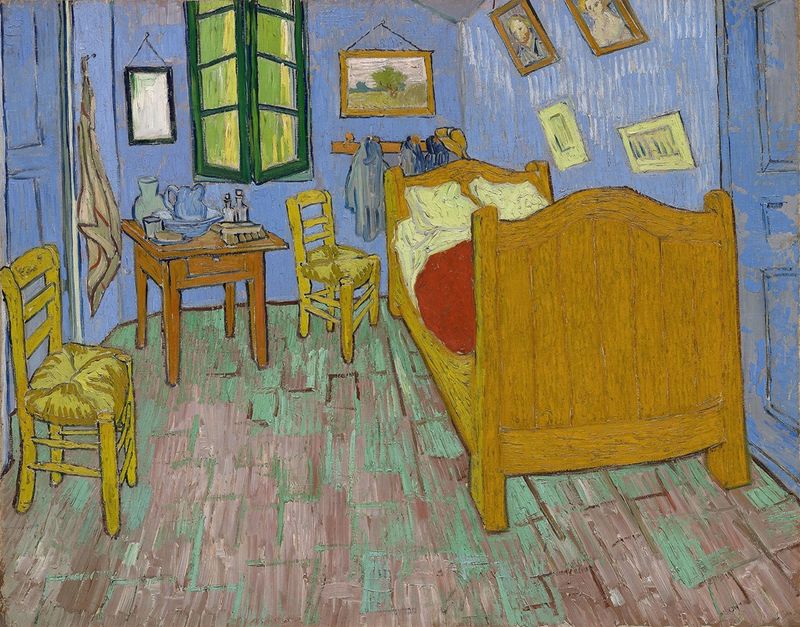
The Bedroom
Vincent van Gogh
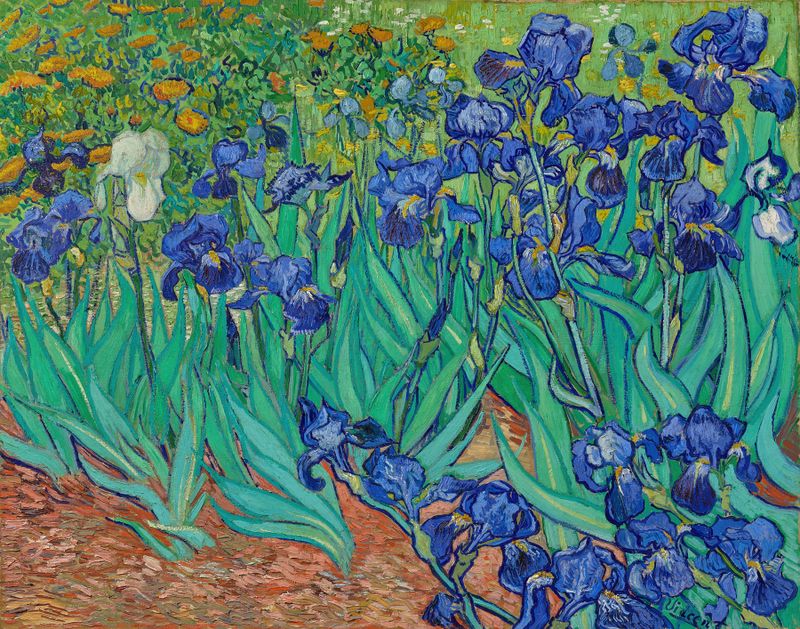
Irises
Vincent van Gogh
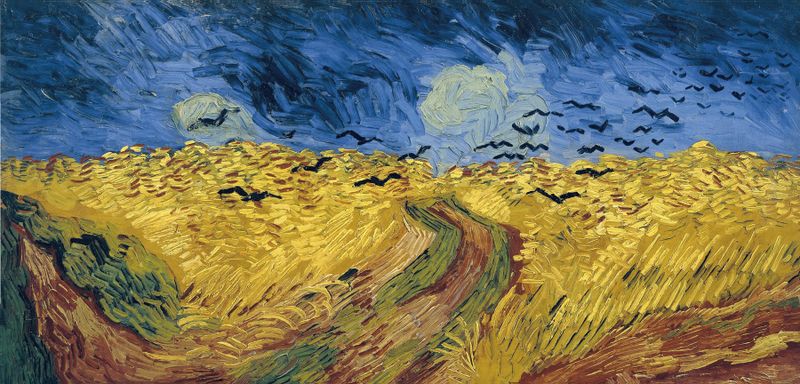
Wheatfield with Crows
Vincent van Gogh
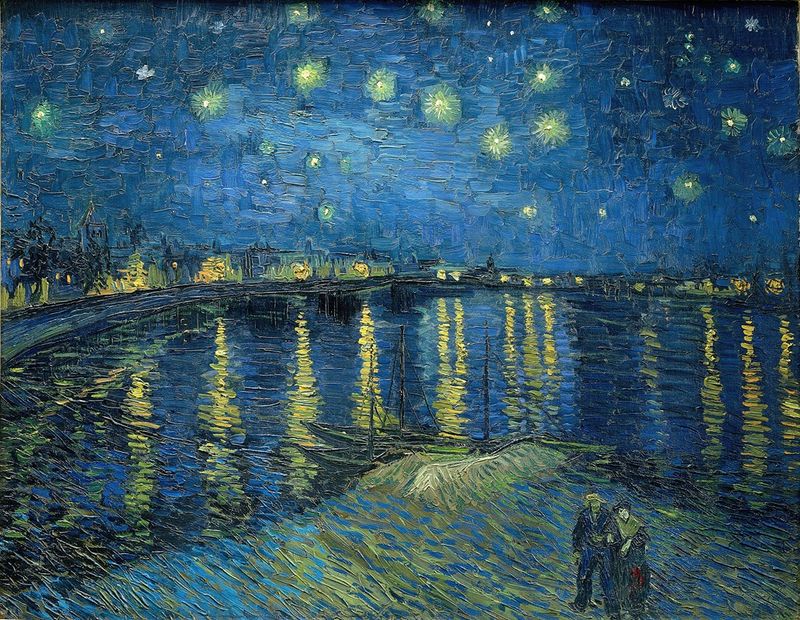
Starry Night over the Rhone
Vincent van Gogh

The yellow house
Vincent van Gogh
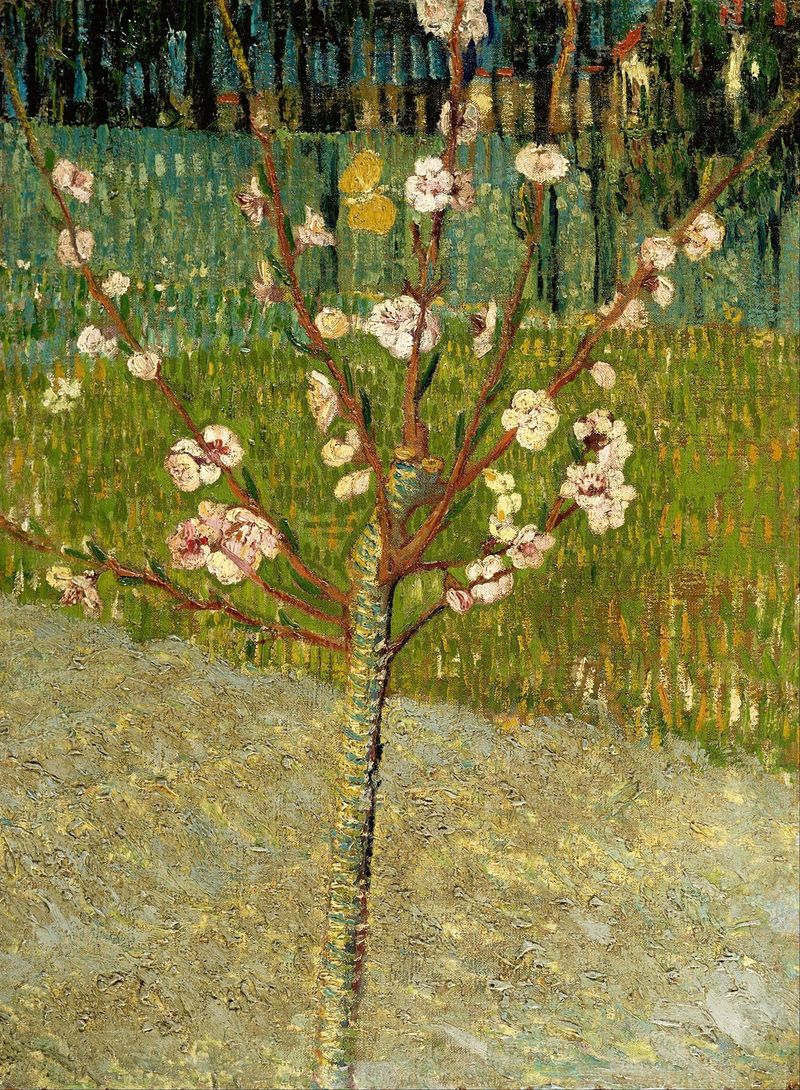
Almond tree in blossom
Vincent van Gogh

Portrait of Dr Gachet
Vincent van Gogh

The Church in Auvers-sur-Oise, View from the Chevet
Vincent van Gogh

Self-Portrait
Vincent van Gogh





