
The hill of Montmartre with stone quarry — History & Facts
Can beauty exist without sorrow? In The Hill of Montmartre with Stone Quarry, the duality of joy and grief intertwines, revealing the complexities of life within its vibrant strokes. Look to the left at the rugged, earthy tones of the quarry, where jagged stones loom like silent sentinels. The contrasting hues of greens and blues cascade down the hillside, enveloping the scene in an emotional embrace. The sky, swirling with brushstrokes, hints at the energy of a world alive yet burdened, pulling the viewer’s gaze upward to the heavens where light wrestles with shadow. The subtle interplay between the serene landscape and the starkness of the quarry evokes a poignant narrative of labor and beauty.
The presence of the quarry signifies struggle, a reminder of the toil that underpins nature's allure. In every brushstroke, Van Gogh captures the tension between the idyllic and the harsh, suggesting an innate grief beneath the surface that resonates deeply with the human experience. At the time of creating this work in 1886, Van Gogh was living in Paris, grappling with his artistic identity amidst the burgeoning Impressionist movement. This period marked a significant evolution in his style, as he sought to express the emotional truths of his surroundings.
The stark contrasts in his palette reflect both his personal turmoil and the broader shifts in society, giving birth to a landscape that speaks not just of beauty, but of the grief that often accompanies it.
More Artworks by Vincent van Gogh
Browse all →
Starry Night
Vincent van Gogh

The Bedroom
Vincent van Gogh
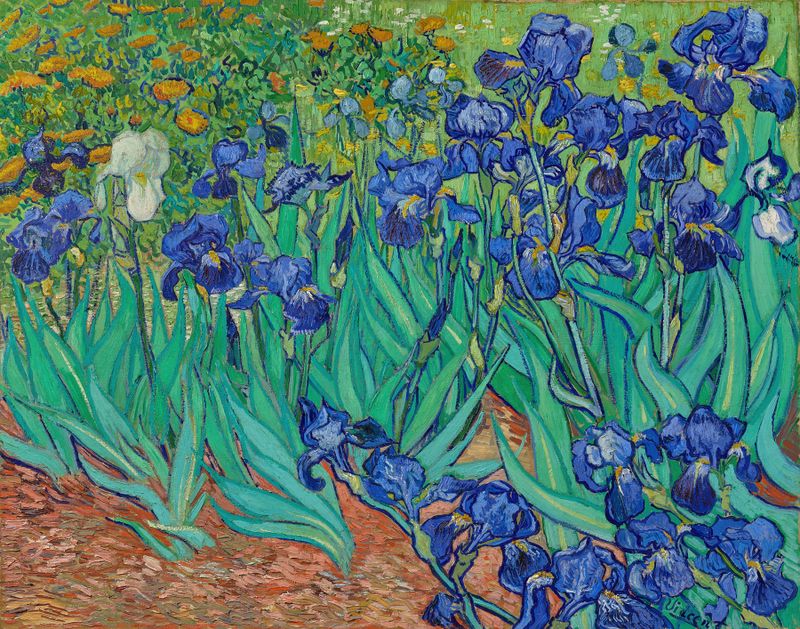
Irises
Vincent van Gogh
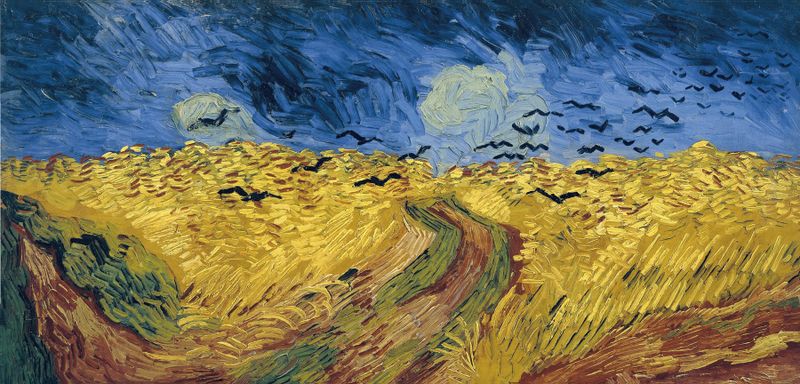
Wheatfield with Crows
Vincent van Gogh
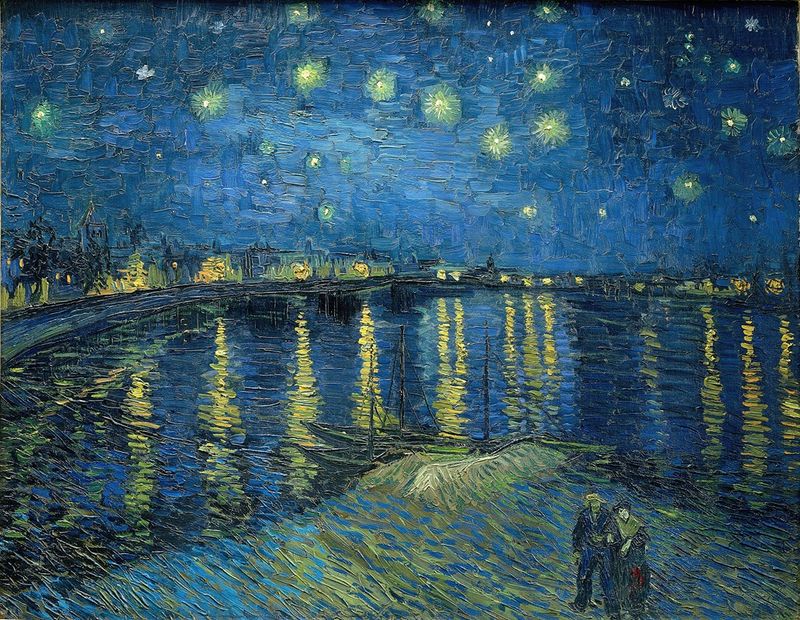
Starry Night over the Rhone
Vincent van Gogh

The yellow house
Vincent van Gogh
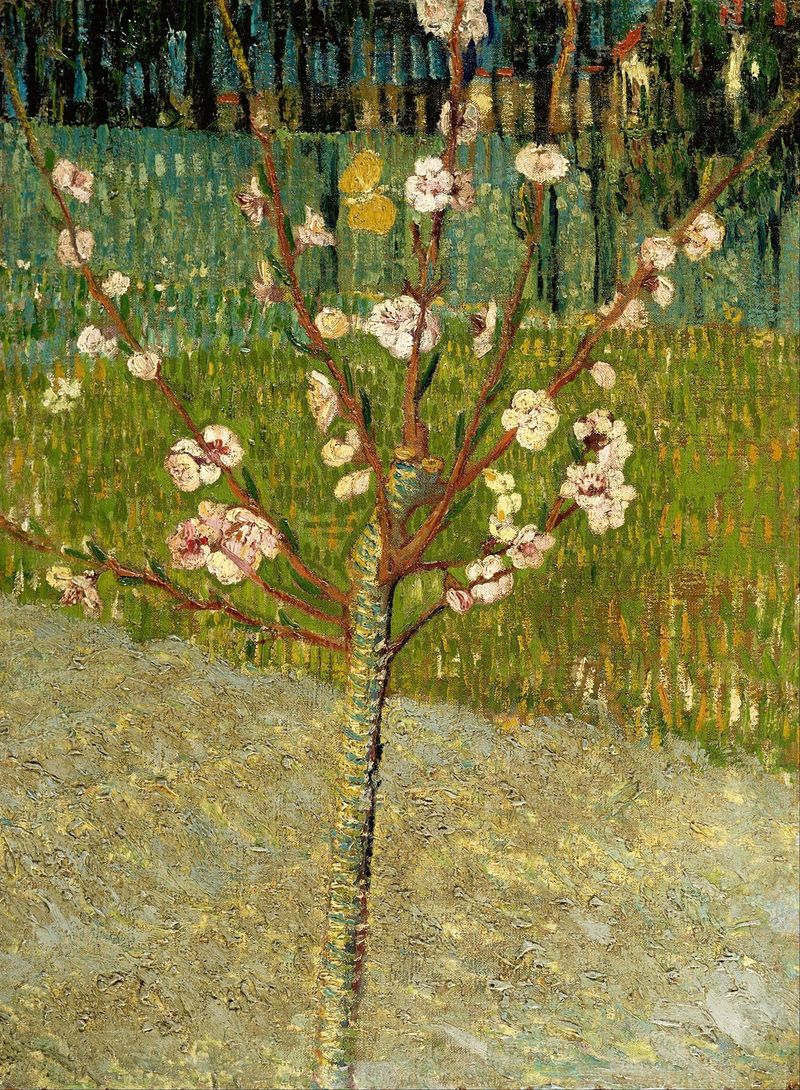
Almond tree in blossom
Vincent van Gogh

Portrait of Dr Gachet
Vincent van Gogh

The Church in Auvers-sur-Oise, View from the Chevet
Vincent van Gogh

Self-Portrait
Vincent van Gogh





