
The House of Caiaphas — History & Facts
Few images of the Passion have been reproduced as widely as The House of Caiaphas, one of the most dramatic moments from the cycle of Christ’s final hours, rendered by Gustave Doré in 1875. This work stands out not only for its gripping subject, but also because Doré, famed for his engravings, here turns to painting at the height of his popularity. It is said that Doré’s biblical scenes were so influential that by the late nineteenth century, his vision of the Gospels had become the standard in illustrated Bibles across Europe and America. Doré selects the instant after Christ’s arrest in Gethsemane, as he is brought before Caiaphas, the high priest, for a night trial—an event described in all four Gospels.
The artist’s eye lingers on the clash between light and shadow: Christ, isolated and calm, stands at the center, his hands bound, while Caiaphas, robed in authority, gestures accusingly from his elevated seat. The crowd surges with torches and anxious faces, their expressions ranging from anger to doubt. The heavy chains and the stark illumination on Christ’s face recall the chiaroscuro of Caravaggio, yet Doré’s composition is more theatrical, almost stage-like, emphasizing the psychological tension between innocence and judgment. The precise medium of The House of Caiaphas is not always listed, but it is typical of Doré’s late-career biblical works, which he produced both as paintings and as preparatory studies for engravings.
While many of his paintings were exhibited in Paris and London, and some entered private collections, the whereabouts of this particular piece are less clear today; it is often reproduced in print rather than seen in person. Gustave Doré’s reputation rests largely on his illustrations, but works like this demonstrate his ambition to bring the same narrative intensity to canvas. Today, The House of Caiaphas remains a touchstone for artists and viewers seeking to understand the visual language of nineteenth-century biblical drama.
More Artworks by Gustave Doré

The Deluge
Gustave Doré
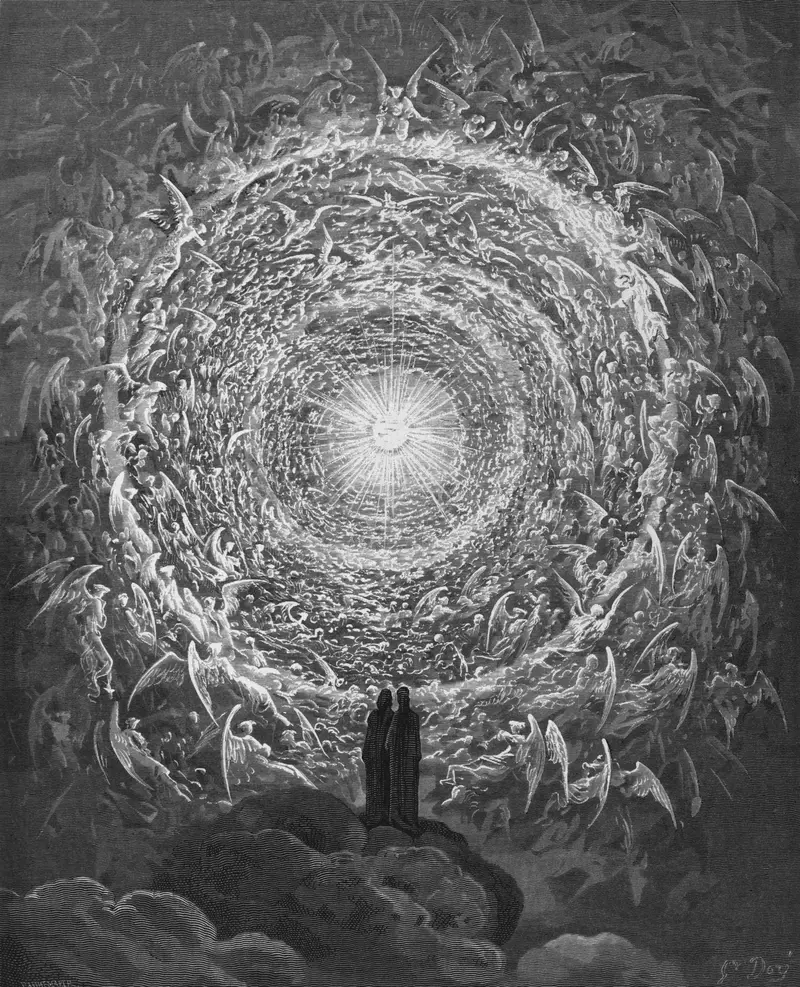
The Empyrean (Paradiso, Canto 31)
Gustave Doré
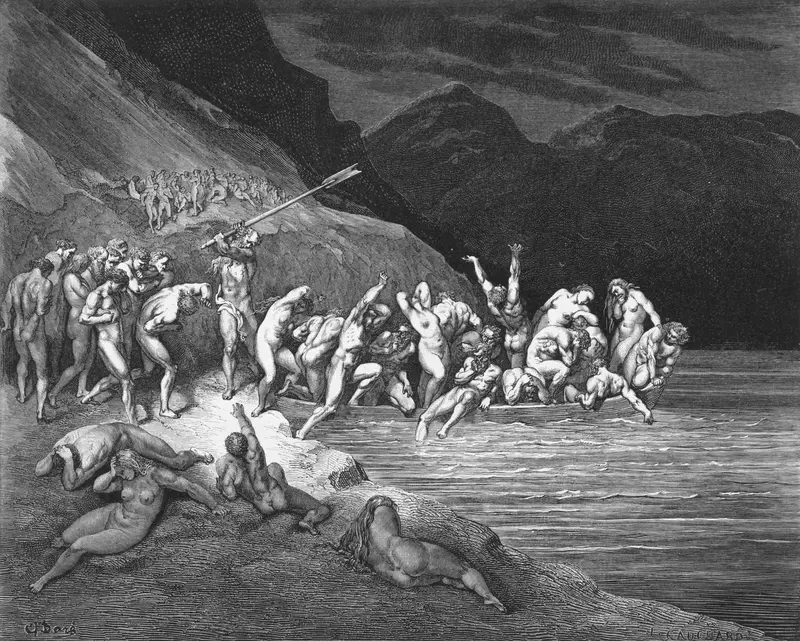
Charon (Inferno, Canto 3)
Gustave Doré
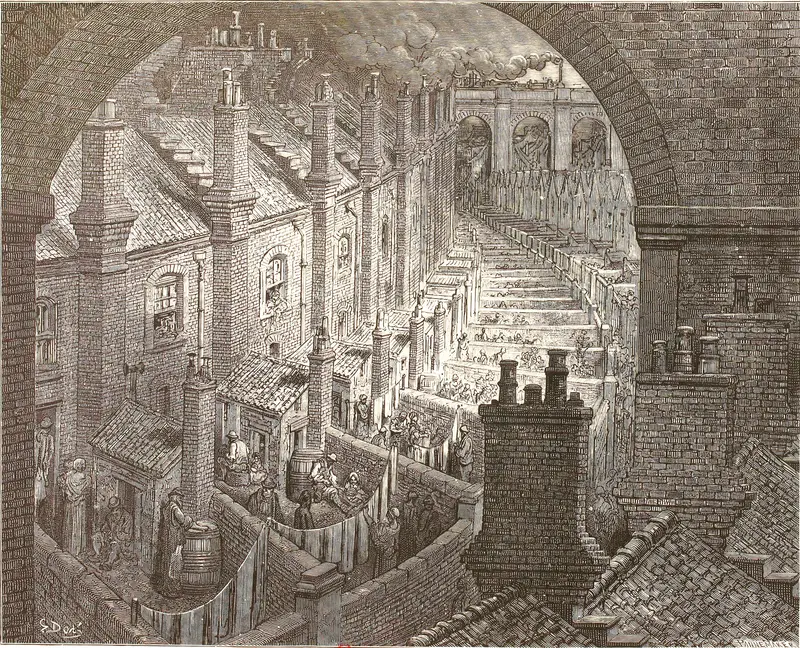
Over London by Rail
Gustave Doré
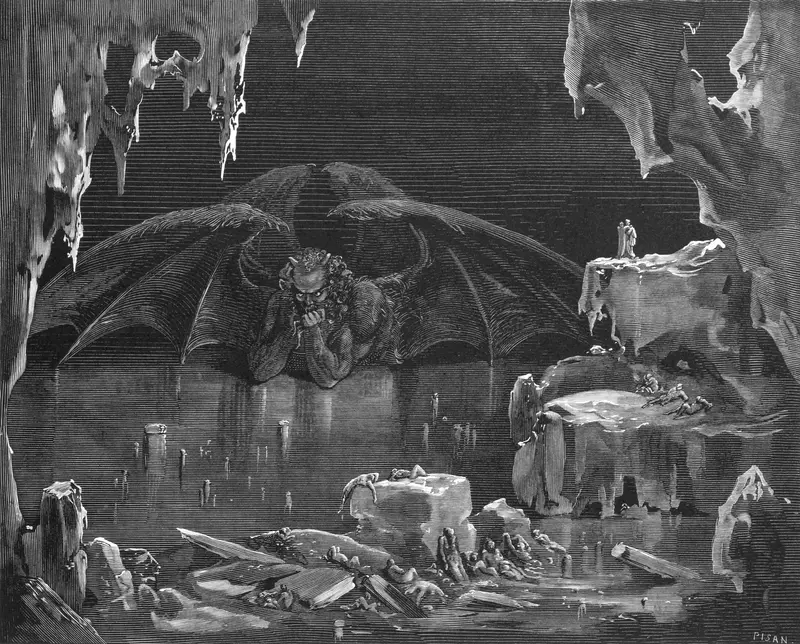
Lucifer, King of Hell
Gustave Doré
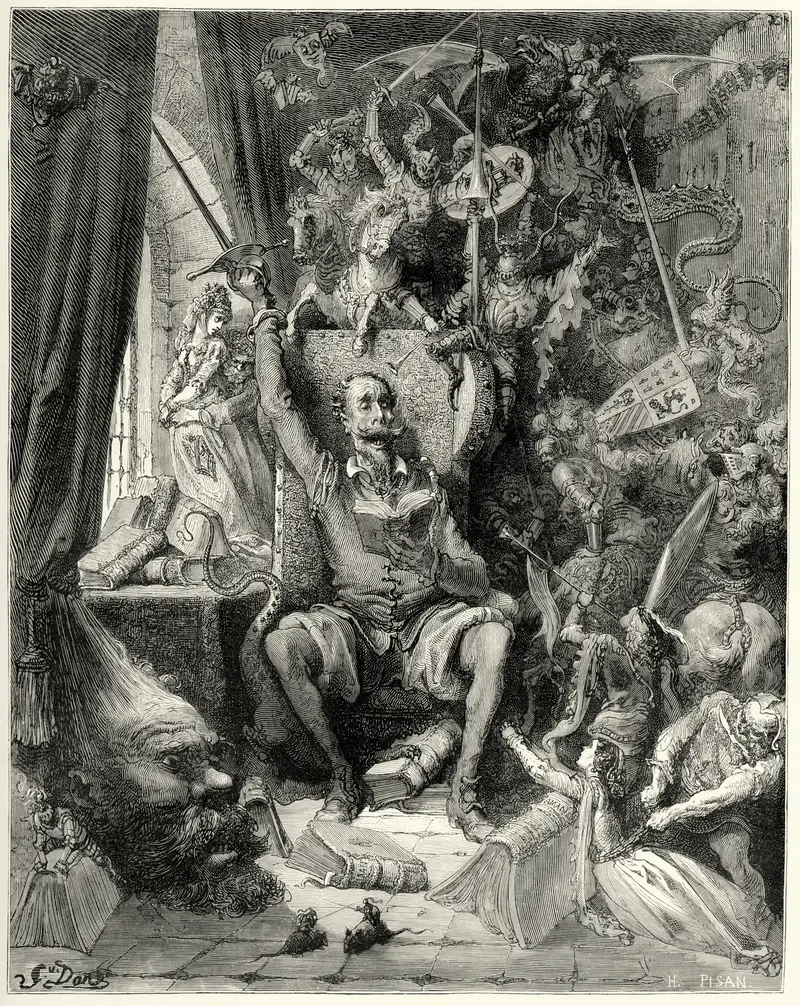
Don Quixote in His Library
Gustave Doré
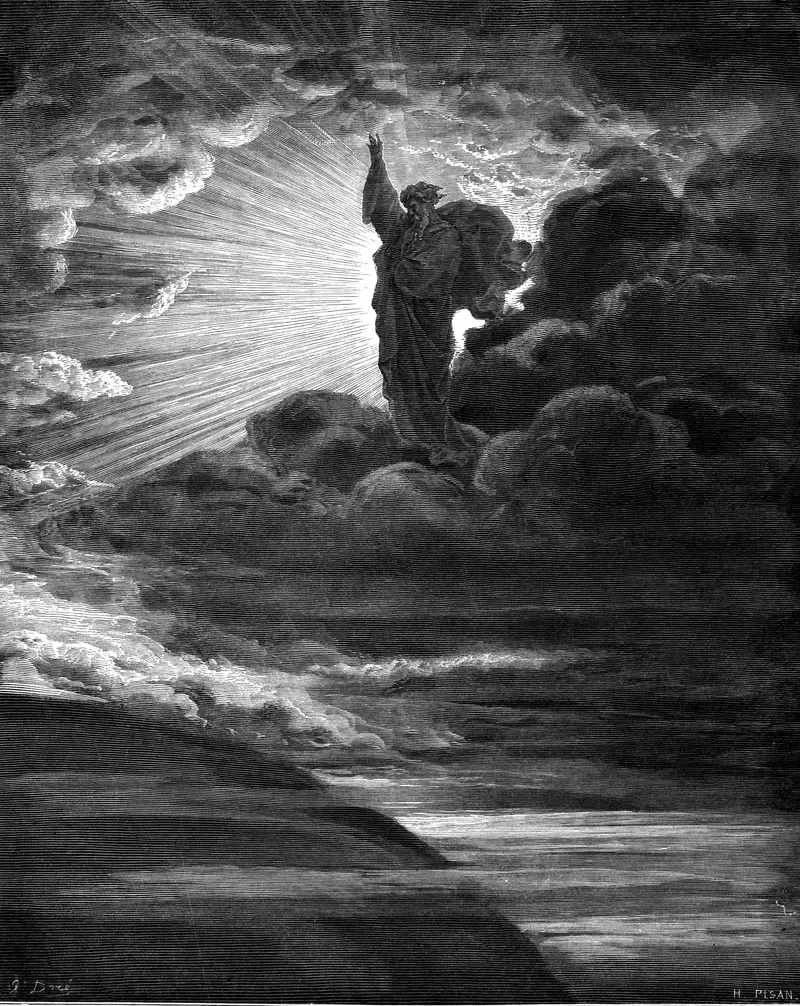
The Creation of Light
Gustave Doré
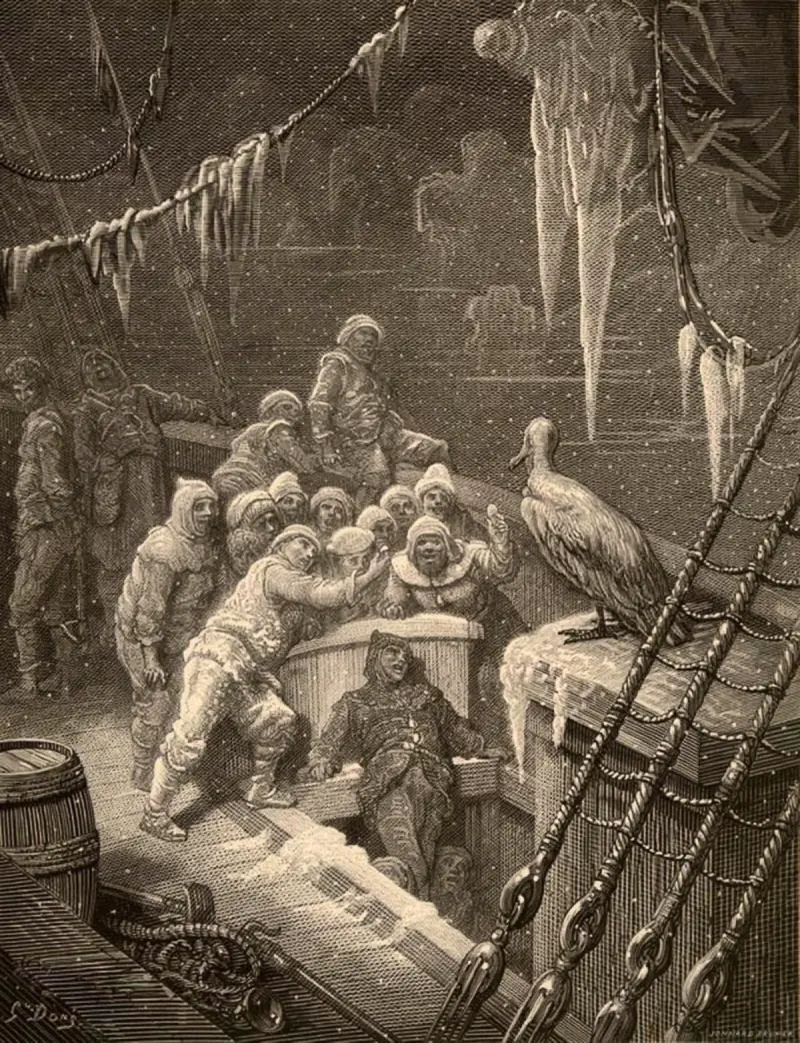
The Albatross (The Rime of the Ancient Mariner)
Gustave Doré
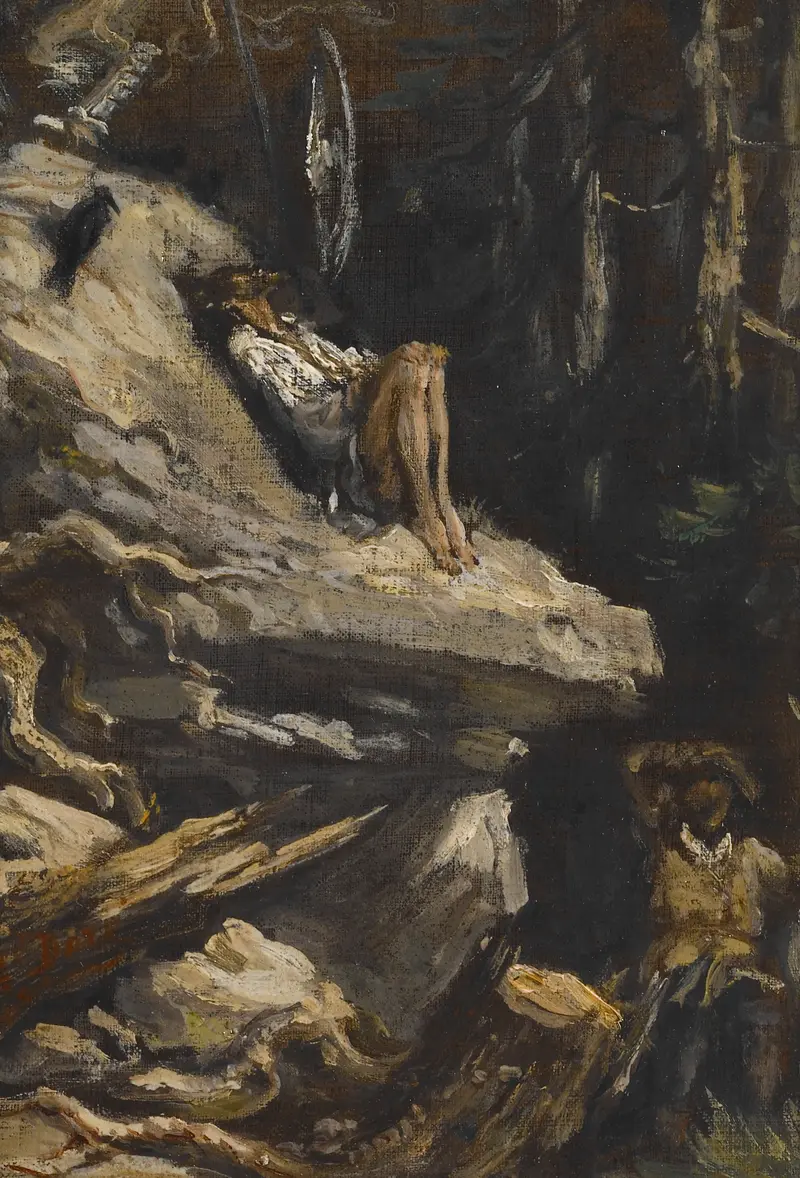
"'Alas!' answered Sancho, 'I found him in his shirt, lean, pale, and almost starved, sighing for his Lady Dulcinea'" from Don Quixote
Gustave Doré
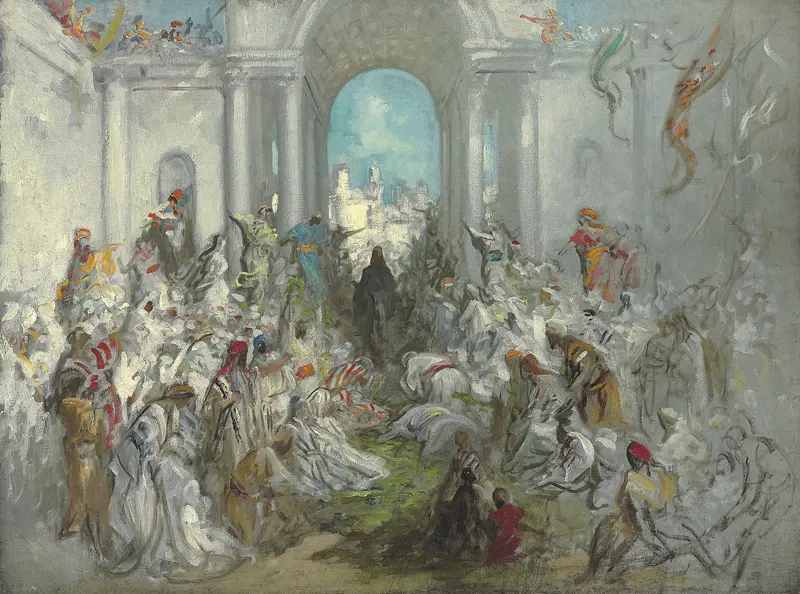
Christ's Entry into Jerusalem
Gustave Doré





