
The Juniata,Evening — History & Facts
In the quiet stillness of twilight, a revelation unfolds, where the majesty of nature meets the soul's yearning for beauty and truth. Look to the left, where the sun dips low on the horizon, its golden light spilling over the rolling hills and reflecting delicately on the Juniata River. The interplay of light and shadow creates a tapestry of warm hues, seamlessly blending oranges and pinks with deeper blues and greens. The artist’s brushstrokes evoke a sense of immediacy, inviting you to step closer to the shimmering water that dances with the fading sunlight. Beneath the surface of this serene landscape lies a juxtaposition of tranquility and fleetingness.
The river, with its gentle flow, contrasts the transient nature of evening light, a reminder of the passage of time. The rugged cliffs in the background stand as silent sentinels, embodying steadfastness against the ephemeral beauty of the moment. Each element is meticulously crafted to evoke an emotional response, drawing viewers into a contemplative dialogue about the nature of existence. Created in 1864, this work emerged during a period of profound change in American art, as Thomas Moran found his voice amid the burgeoning movements that sought to capture the sublime.
Working in his New York studio, he was influenced by both the Romantic ideals and the burgeoning American landscape painting scene. This piece reflects a deepening appreciation for the natural world as a source of inspiration in an era marked by industrialization and rapid transformation.
More Artworks by Thomas Moran
Browse all →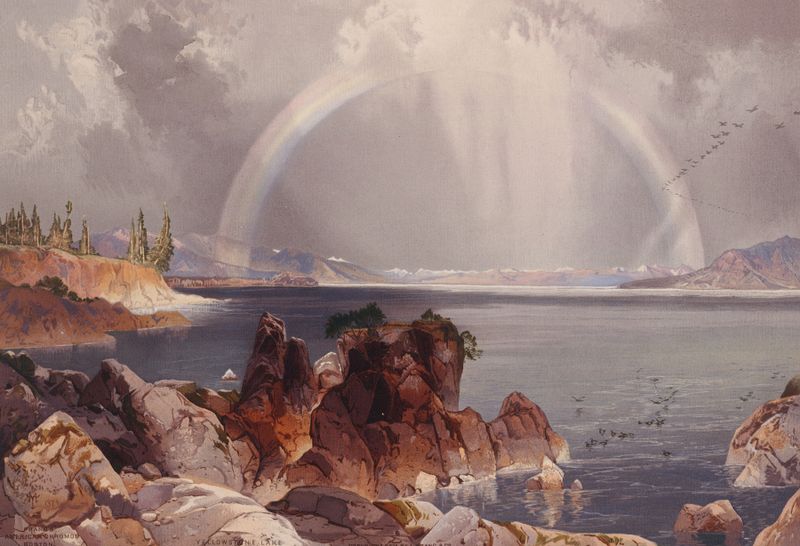
Yellowstone Lake
Thomas Moran

Grand Canyon of the Colorado River
Thomas Moran

Grand Canyon, Colorado River
Thomas Moran

The Towers of Tower Falls, Yellowstone
Thomas Moran
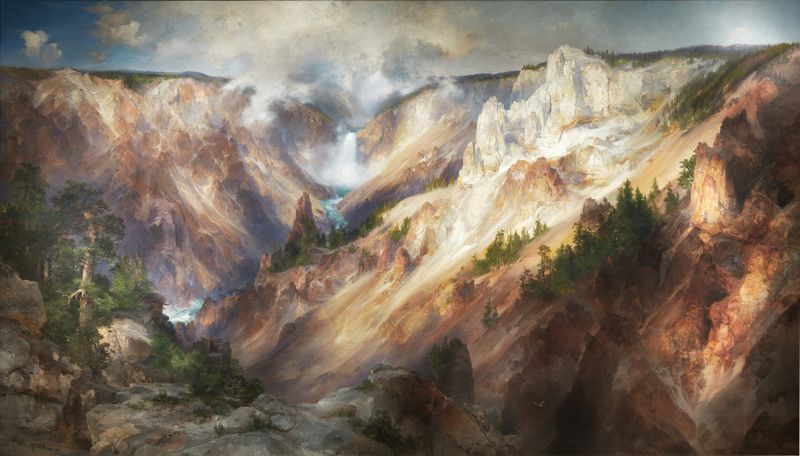
The Grand Canyon Of The Yellowstone
Thomas Moran

Mountain of the Holy Cross
Thomas Moran

Cliffs Of The Upper Colorado River, Wyoming Territory
Thomas Moran
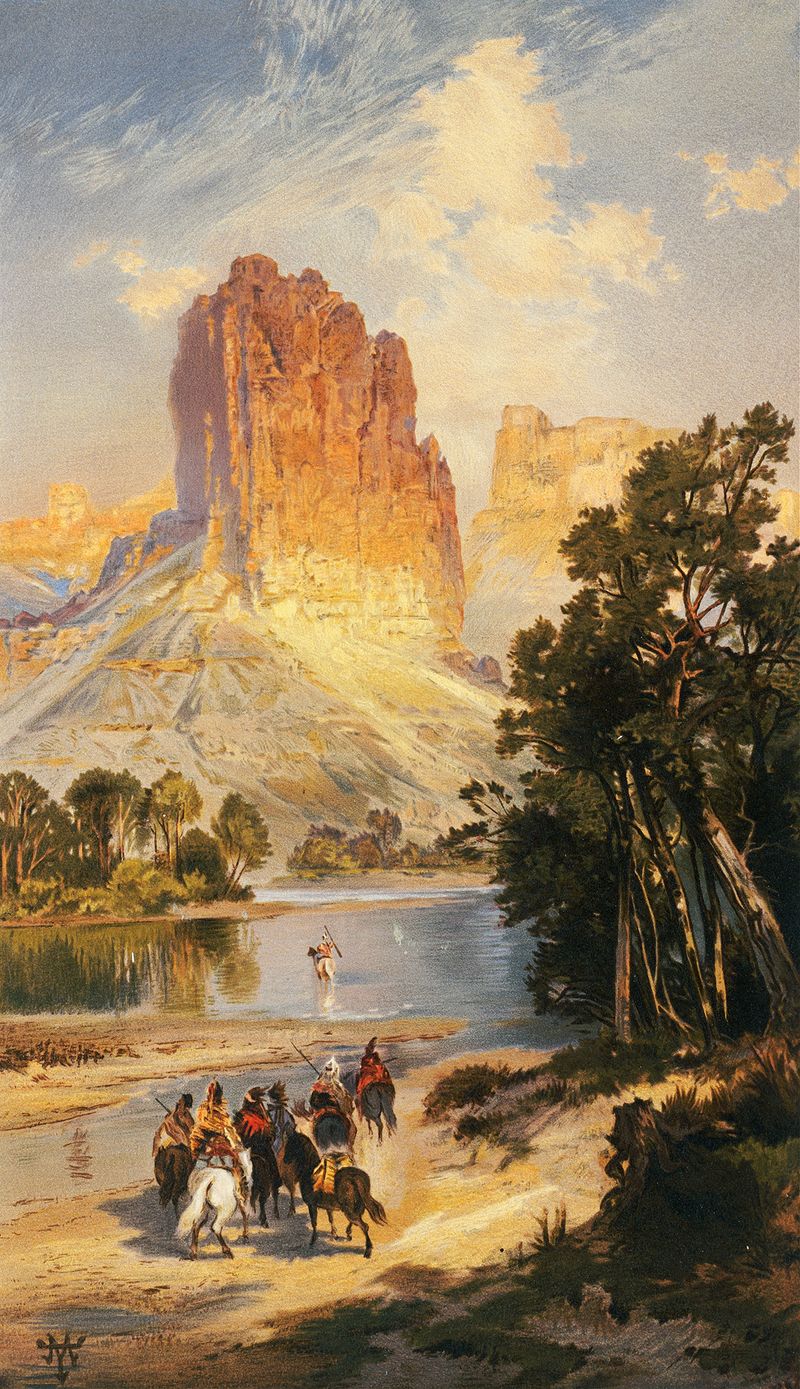
Cliffs of the Upper Colorado River, Wyoming Territory
Thomas Moran

Mammoth Hot Springs, Yellowstone
Thomas Moran
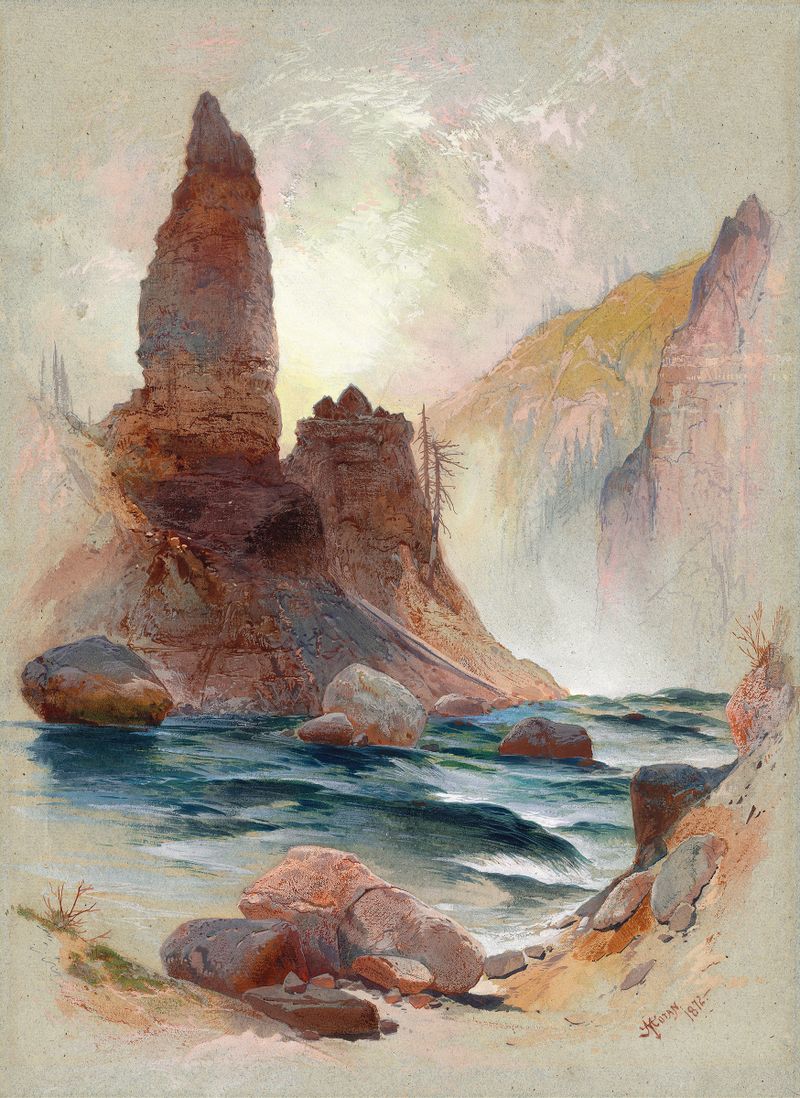
Tower at Tower Falls, Yellowstone
Thomas Moran





