
Discover insights about this artwork
The Kiss of Death — History & Facts
In The Kiss of Death, Edvard Munch presents a haunting scene filled with dark colors and emotional intensity. The central figures, a couple locked in an embrace, are enveloped in a shadowy atmosphere. The background features swirling forms that evoke a sense of turmoil and despair.
The contrast between the couple's intimacy and the ominous presence of death creates a striking visual impact. The painting is characterized by Munch's signature brushwork and use of color to convey emotion. The figures are rendered with a blend of realism and abstraction, emphasizing their emotional state rather than physical details. The dark palette, dominated by blues and blacks, enhances the somber theme of the work.
Munch's technique allows for a fluidity that mirrors the complexity of love and mortality. Edvard Munch, a key figure in the Symbolist movement, often explored themes of love, anxiety, and death in his work. The Kiss of Death reflects his fascination with the duality of human experience. Interestingly, this painting is part of a series that examines the relationship between love and loss.
Munch's ability to convey deep emotional truths through visual art continues to resonate with audiences today.
More Artworks by Edvard Munch
More Allegory Art
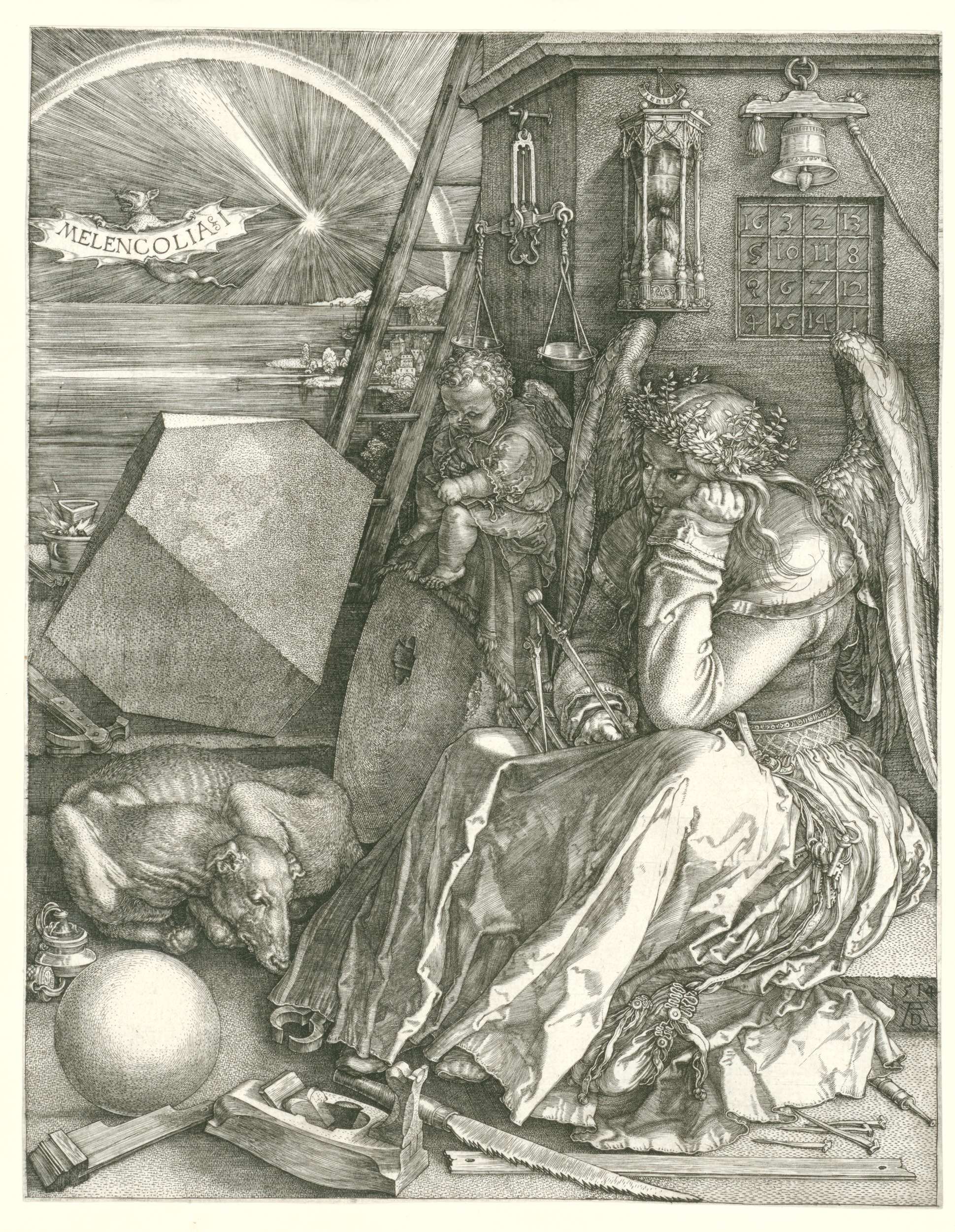
Melancholia
Albrecht Dürer
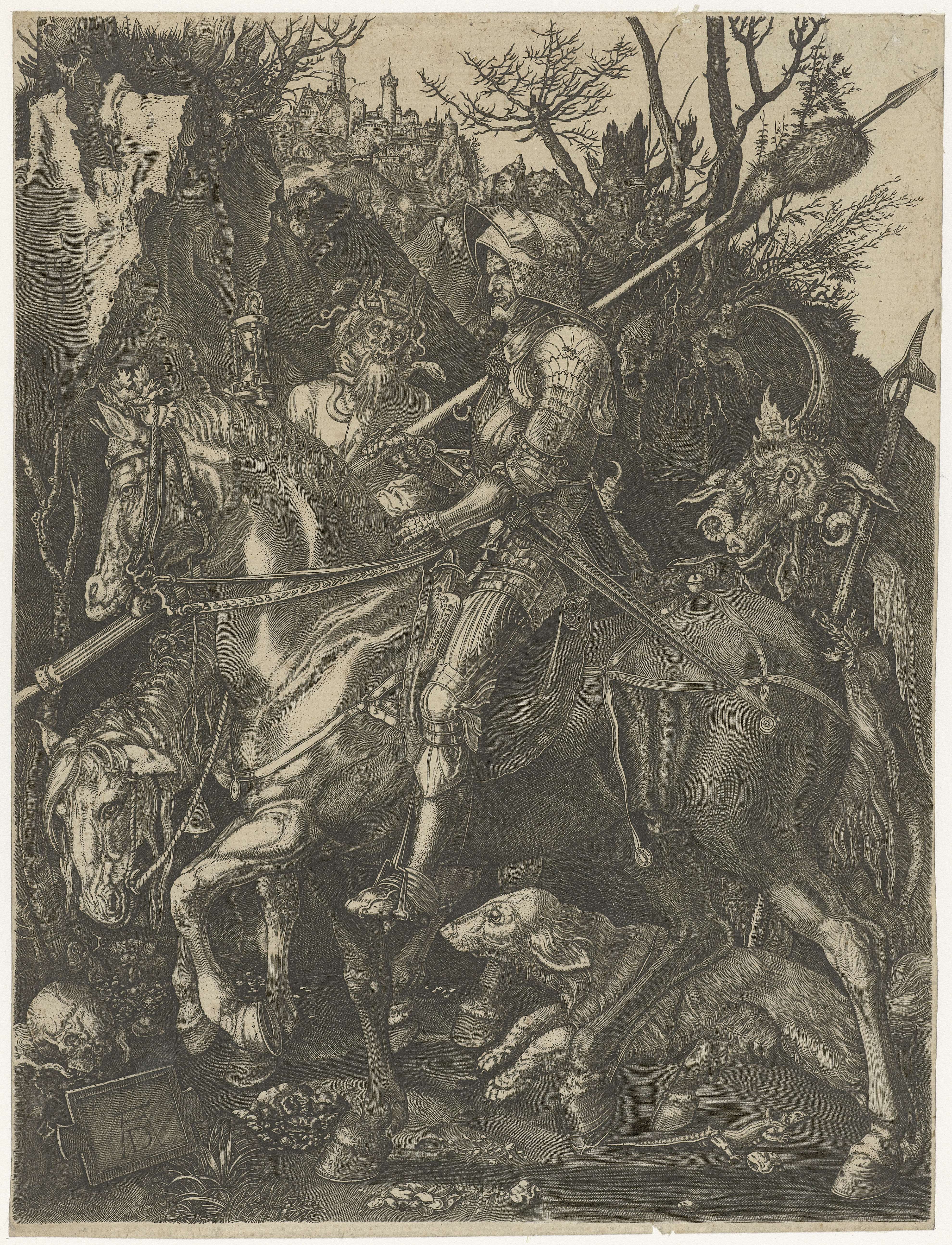
Ridder, Dood en Duivel
Unknown Artist
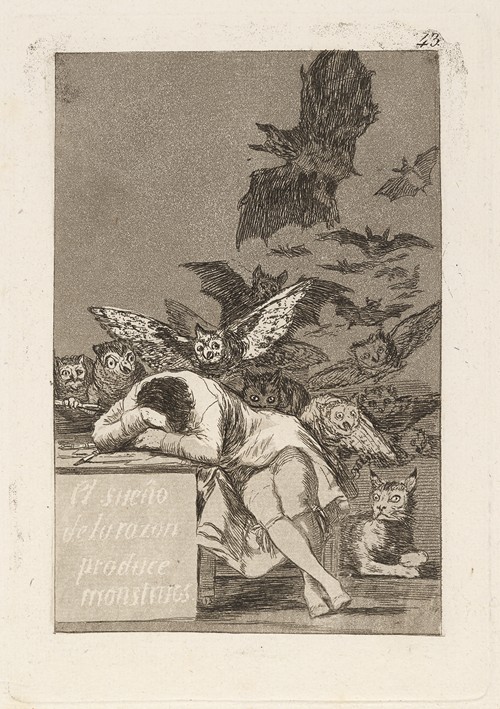
El sueño de la razon produce monstruos. (The sleep of reason produces monsters.)
Francisco de Goya
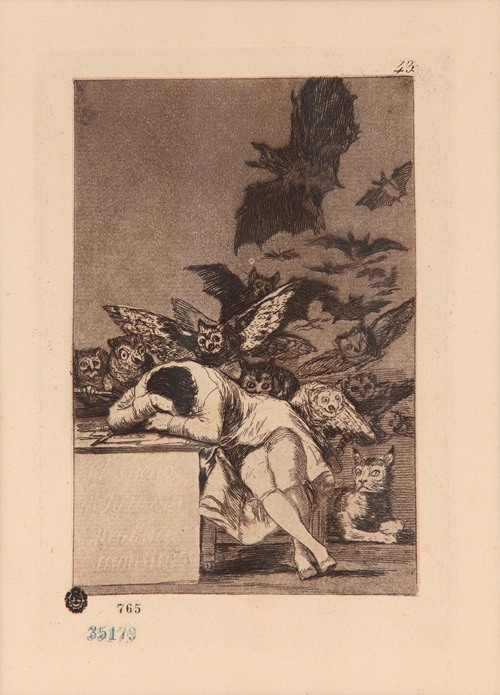
El sueño de la razon produce moustruos (Serie Caprichos)
Francisco de Goya
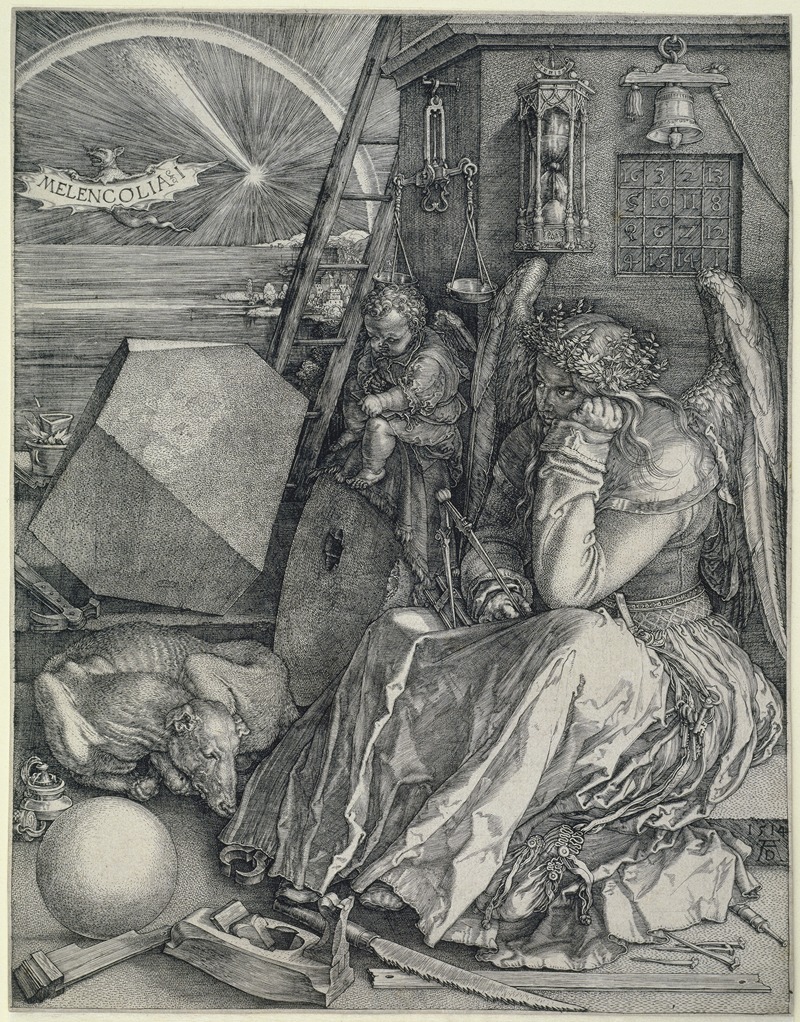
Melencolia I (The Melancholy)
Albrecht Dürer
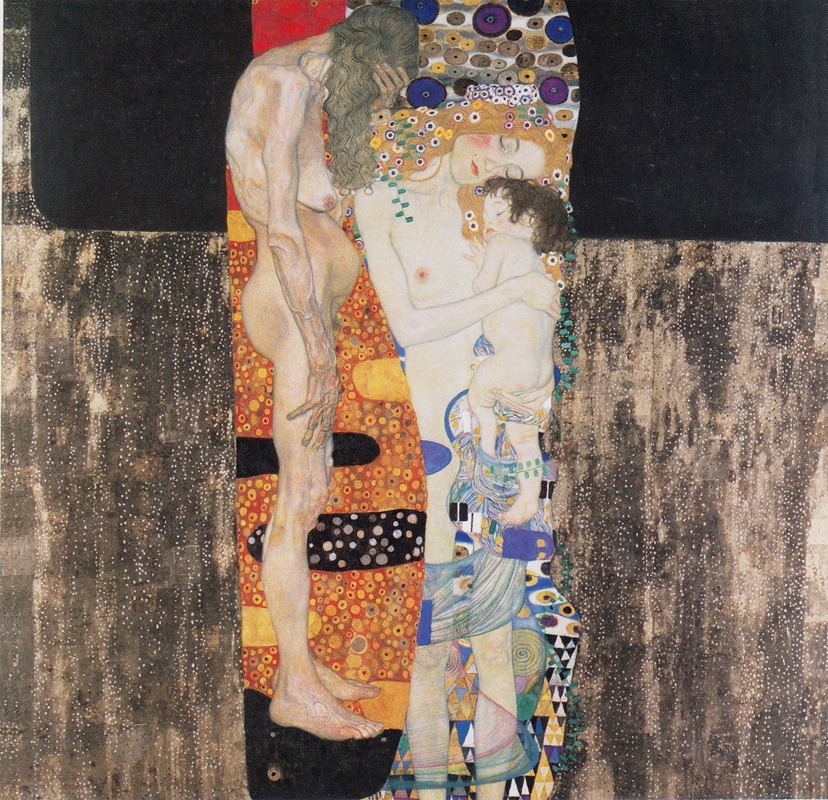
The Three Ages of the Woman
Gustav Klimt