
The Large Thatched Cottages — History & Facts
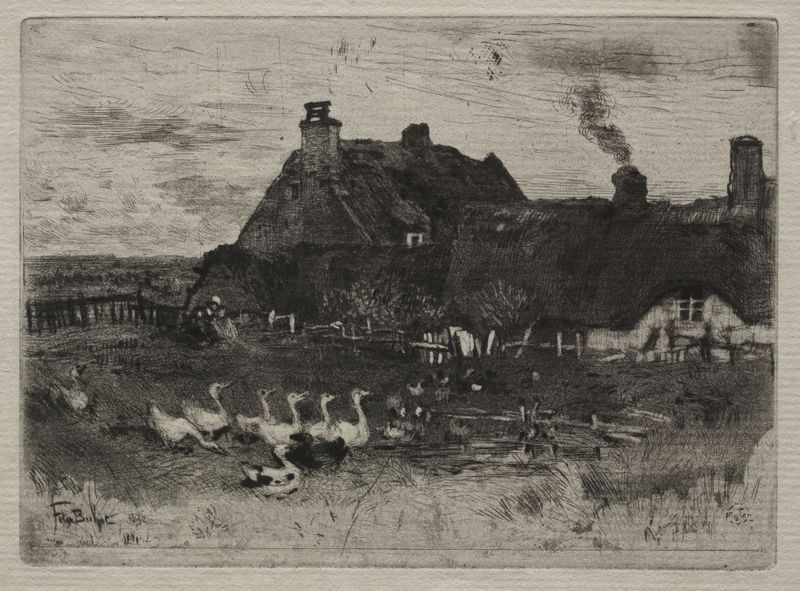
Can beauty exist without sorrow? In The Large Thatched Cottages, the interplay of light and shadow speaks to a legacy that is both serene and poignant. The scene evokes not just a moment in time, but whispers of lives lived within the warmth of those structures, reminding us that joy is often tinged with melancholy. Look to the left at the sun-drenched façades of the cottages, their thatched roofs almost glowing in the dappled sunlight. The artist masterfully employs a soft palette, blending earthy tones with hints of vibrant color, creating an inviting yet reflective atmosphere.
Notice how the brushstrokes vary—a gentle caress on the cottages contrasts with the more vigorous strokes of the surrounding foliage. This careful balance invites the viewer to explore the beauty while sensing the fragility of the scene. Delve deeper into the cottages’ doorways, slightly ajar, as if they beckon us to enter and explore untold stories. The shadows cast by the trees create a sense of pause, evoking the passage of time and the inevitability of change.
Each element, from the swaying grass to the distant hills, carries a weight of memory, hinting at the lives intertwined with these structures. The legacy of human presence, fraught with both joy and hardship, reverberates through the landscape. Buhot created this work in 1881 during a pivotal moment in French art, amidst the rise of Impressionism. Living in France, he was influenced by the evolving styles around him, yet he retained a distinctive approach that fused realism with atmospheric effects.
As he painted, the world was shifting, grappling with modernity while still revering traditional landscapes, a tension mirrored in the paintings he left behind.
More Artworks by Félix Hilaire Buhot
Browse all →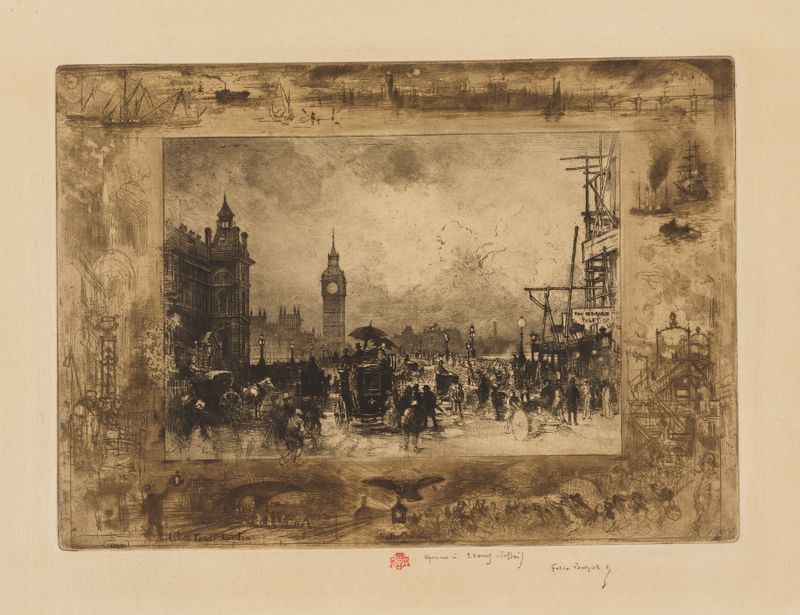
Westminster Bridge, or Westminster Clock Tower
Félix Hilaire Buhot
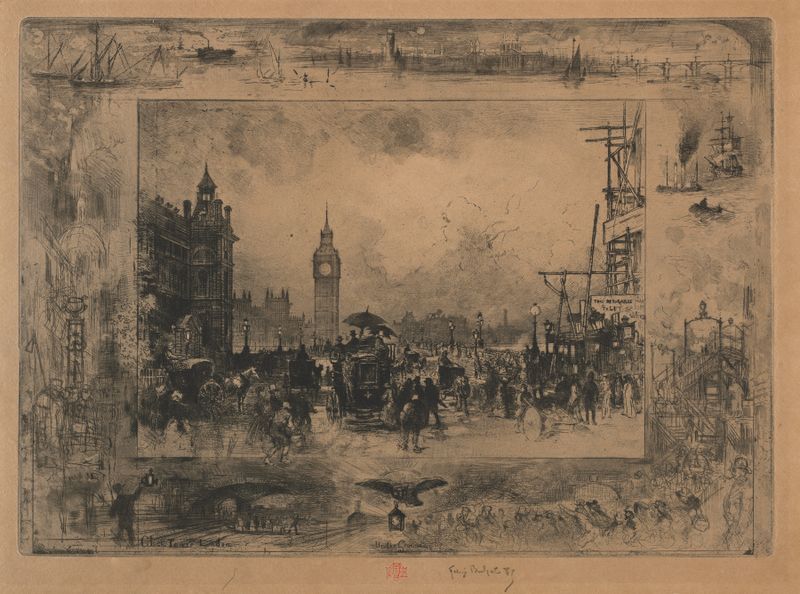
Westminster Bridge, or Westminster Tower
Félix Hilaire Buhot
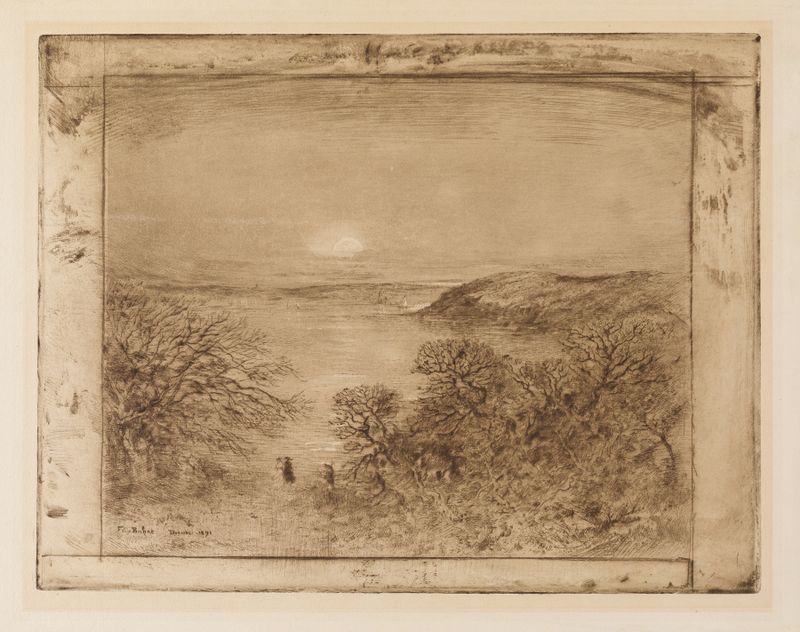
Moonrise at Dinard
Félix Hilaire Buhot
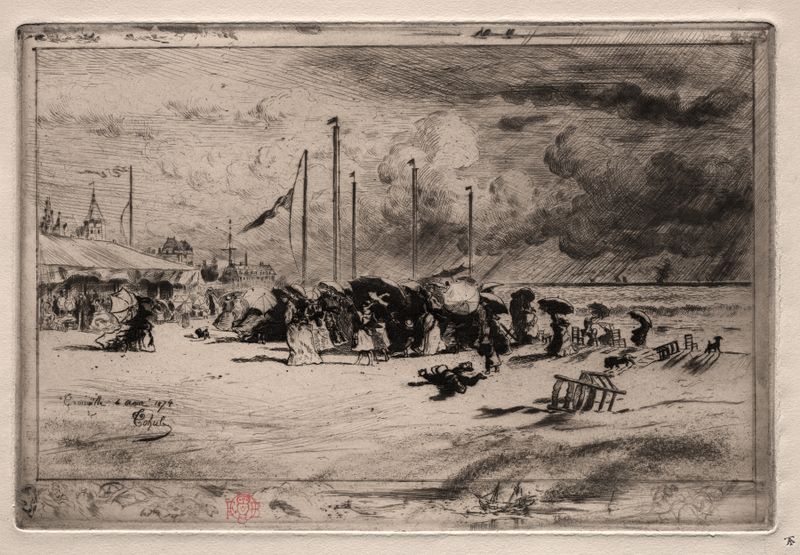
A Squall at Trouville
Félix Hilaire Buhot
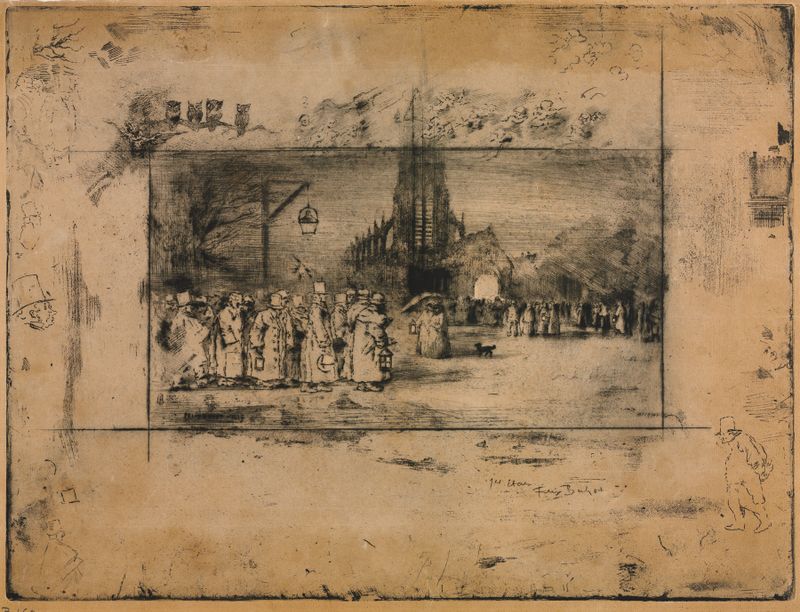
The Midnight Mass
Félix Hilaire Buhot
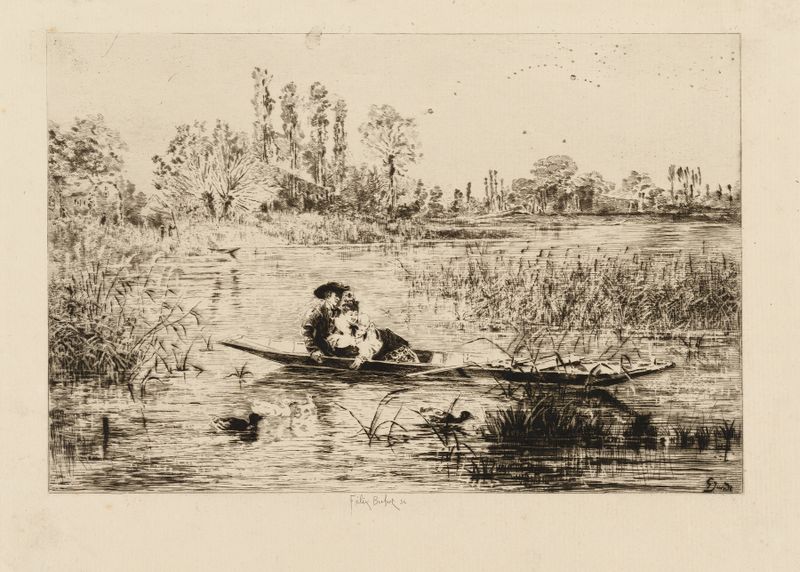
On the Thread of the Water
Félix Hilaire Buhot
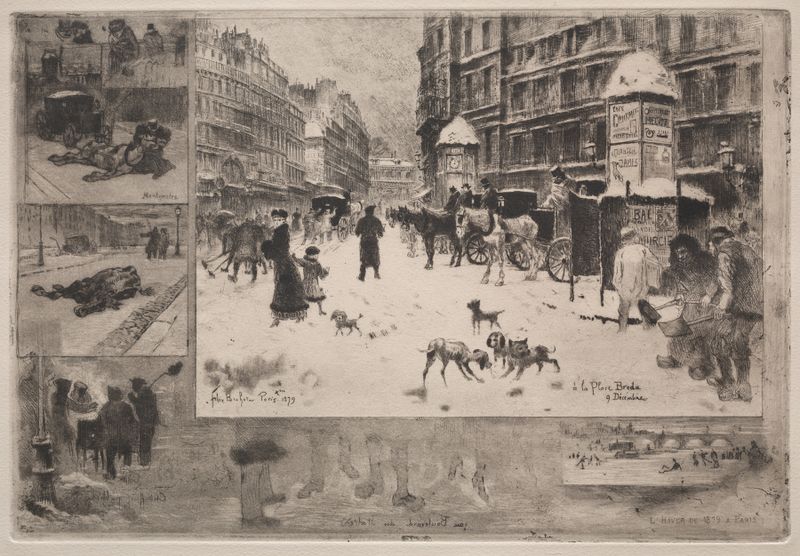
Winter in Paris
Félix Hilaire Buhot
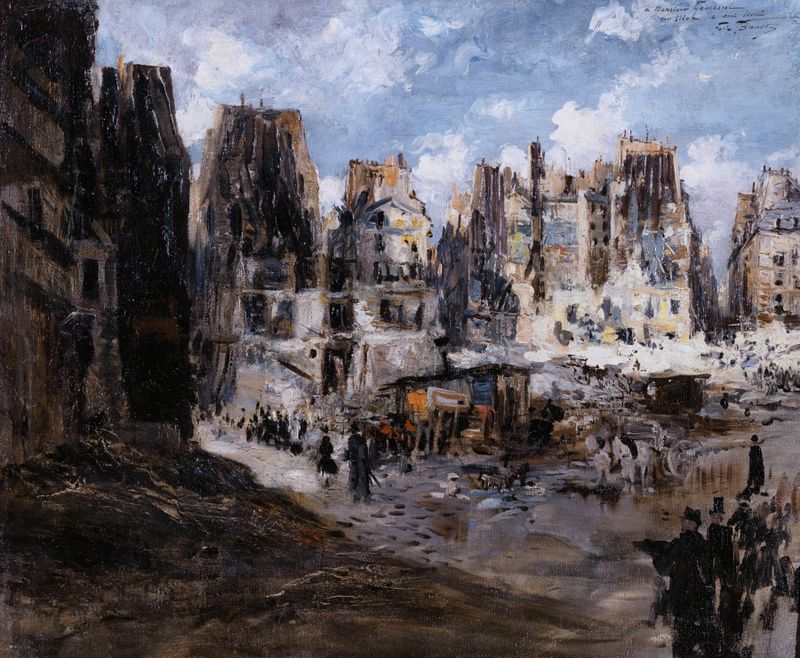
Le percement de l’avenue de l’Opéra.
Félix Hilaire Buhot
Thatched Cottages
Félix Hilaire Buhot
The Little Marine; Souvenir of Medway
Félix Hilaire Buhot





